Texas Deceptive Trade Practices Act Breach Of Warranty In Salt Lake
Description

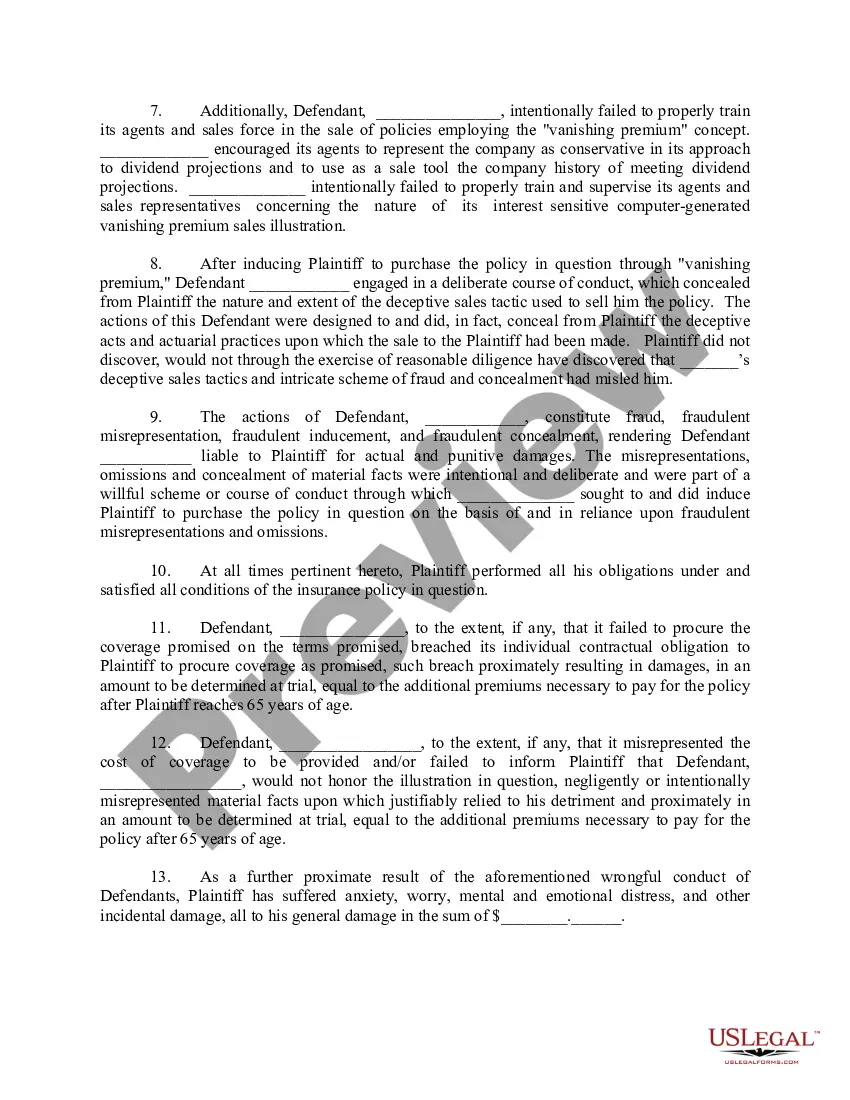
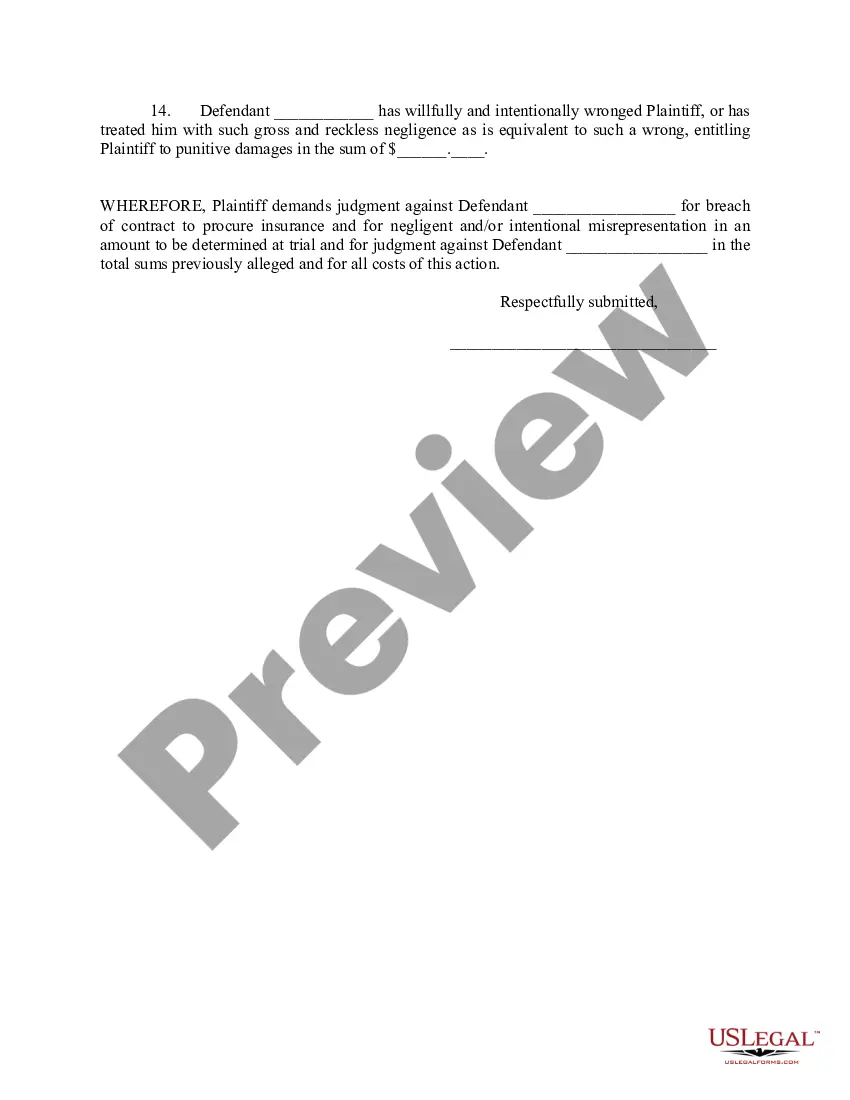

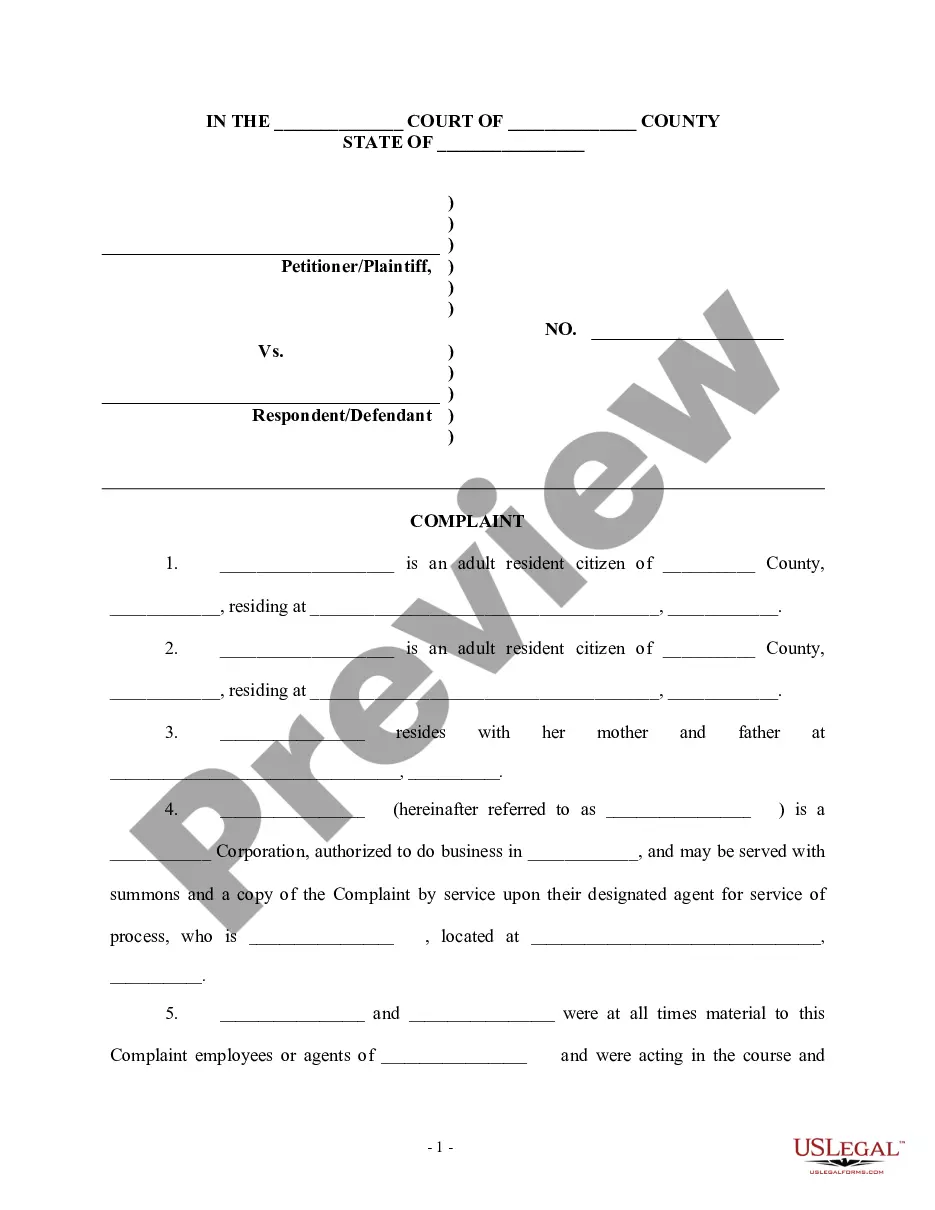
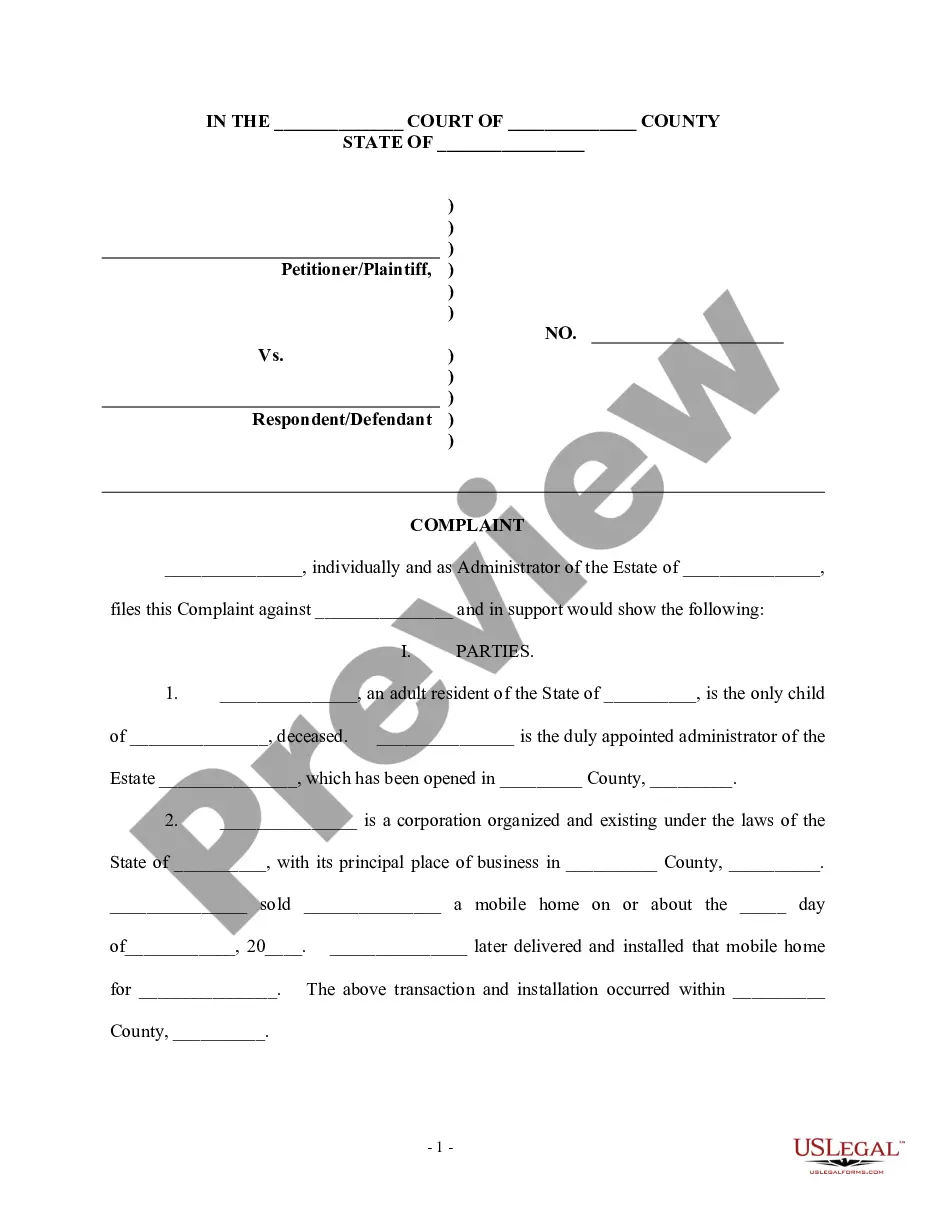
Get your form ready online
Our built-in tools help you complete, sign, share, and store your documents in one place.
Make edits, fill in missing information, and update formatting in US Legal Forms—just like you would in MS Word.
Download a copy, print it, send it by email, or mail it via USPS—whatever works best for your next step.
Sign and collect signatures with our SignNow integration. Send to multiple recipients, set reminders, and more. Go Premium to unlock E-Sign.
If this form requires notarization, complete it online through a secure video call—no need to meet a notary in person or wait for an appointment.
We protect your documents and personal data by following strict security and privacy standards.

Make edits, fill in missing information, and update formatting in US Legal Forms—just like you would in MS Word.

Download a copy, print it, send it by email, or mail it via USPS—whatever works best for your next step.

Sign and collect signatures with our SignNow integration. Send to multiple recipients, set reminders, and more. Go Premium to unlock E-Sign.

If this form requires notarization, complete it online through a secure video call—no need to meet a notary in person or wait for an appointment.

We protect your documents and personal data by following strict security and privacy standards.
Looking for another form?






Form popularity
FAQ
At its core, the Utah Unfair Competition Act is essential in protecting businesses from unfair or illegal competition. This law prohibits several types of agreements, including those that restrain trade and those that unlawfully interfere with a person's business interests.
To establish a breach of express warranty for services in Texas, a plaintiff must demonstrate that the seller sold services, made a representation about the services that became part of the contract, breached this warranty, and that the plaintiff notified the seller of the breach and suffered an injury as a result.
Examples of deceptive trade practices in this area include making false statements, omitting important details, and advertising unavailable goods or services. While many companies exaggerate the benefits of their products, it is unlawful to completely fabricate information.
An actor commits theft by deception if the actor obtains or exercises control over property of another person: (i) by deception; and. (ii) with a purpose to deprive the other person of property.
Section 13-11a-3 prohibits any person from advertising goods or services without the intention to sell them as advertised and such acts or practices are held unlawful. Any person or the state can maintain an action against any violator of the provisions of this Chapter to recover actual damages under Section 13-11a-4.
The DTPA provides that "false, misleading, or deceptive acts or practices in the conduct of any trade or commerce are hereby declared unlawful." The DTPA prohibits certain acts or practices "in the conduct of any trade or commerce." This is a very broad provision.
The Deceptive Trade Practices Act (sec. 17.46) protects consumers from unlawful business practices. In particular, this section of the DTPA lists what is considered an unlawful business practice in Texas. Also see section 17.50 for the legal remedies available when a warranty is breached.
The Statute of Limitations for DTPA Claims Specifically, any action under the act must be initiated within two years after the occurrence of the false, misleading, or deceptive act or practice, or after the consumer becomes aware or should have been aware of it.
The DTPA is often used in real estate disputes involving: Sellers who fail to disclose foundation, flooding, or structural issues. Real estate agents making false promises or material omissions. Contractors providing substandard construction or repair work.