Deceptive Trade With China In Montgomery
Description


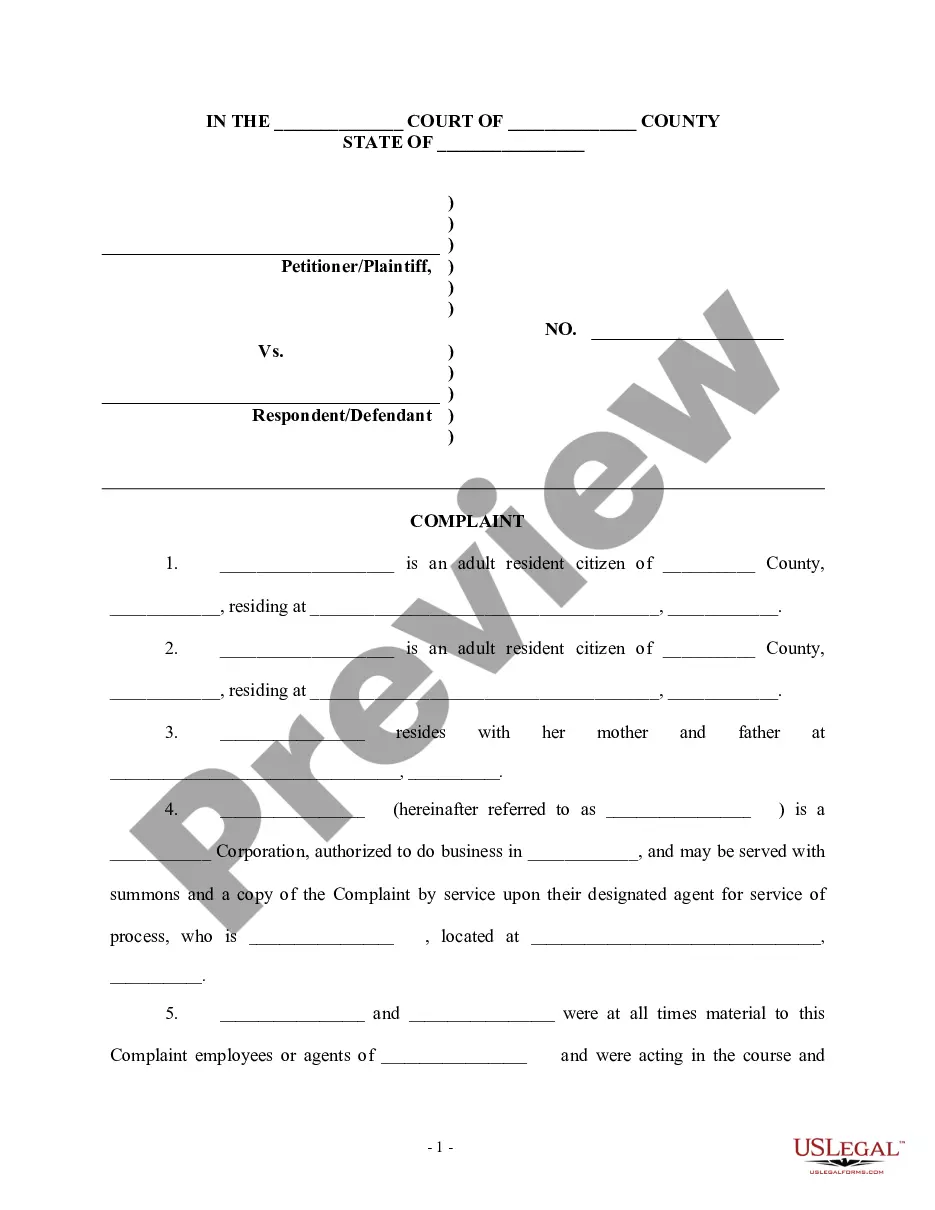

Get your form ready online
Our built-in tools help you complete, sign, share, and store your documents in one place.
Make edits, fill in missing information, and update formatting in US Legal Forms—just like you would in MS Word.
Download a copy, print it, send it by email, or mail it via USPS—whatever works best for your next step.
Sign and collect signatures with our SignNow integration. Send to multiple recipients, set reminders, and more. Go Premium to unlock E-Sign.
If this form requires notarization, complete it online through a secure video call—no need to meet a notary in person or wait for an appointment.
We protect your documents and personal data by following strict security and privacy standards.

Make edits, fill in missing information, and update formatting in US Legal Forms—just like you would in MS Word.

Download a copy, print it, send it by email, or mail it via USPS—whatever works best for your next step.

Sign and collect signatures with our SignNow integration. Send to multiple recipients, set reminders, and more. Go Premium to unlock E-Sign.

If this form requires notarization, complete it online through a secure video call—no need to meet a notary in person or wait for an appointment.

We protect your documents and personal data by following strict security and privacy standards.
Looking for another form?






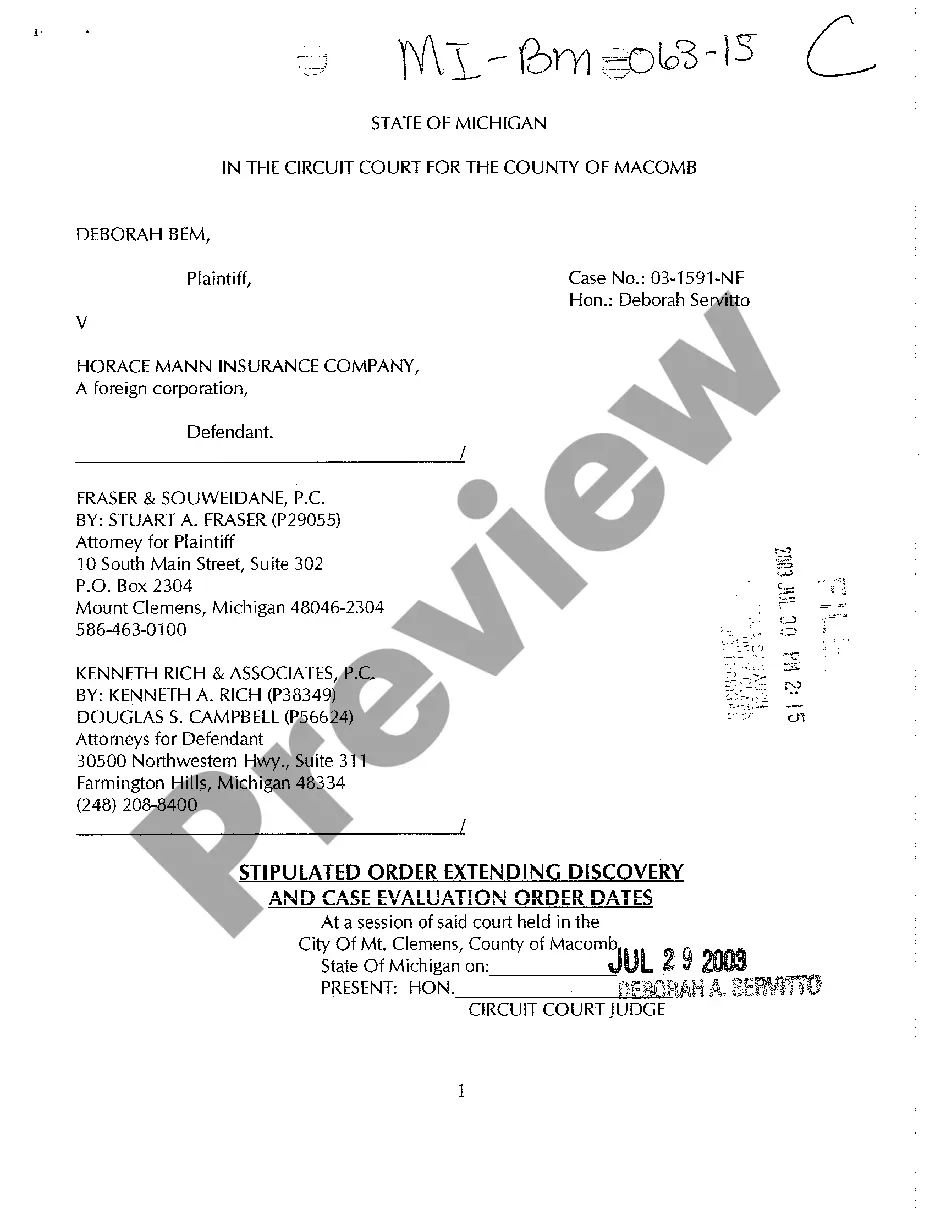



Form popularity
FAQ
U.S. exports to China account for 7.5 percent of overall U.S. exports in 2022. The U.S. goods trade deficit with China was $382.3 billion in 2022, a 8.3 percent increase ($29.4 billion) over 2021.
You may also report trade violations by calling (202) 863-6550. The Report Trade Violations button is to be used only to report illegal trade activity, such as quota circumvention or misclassification of imports, intellectual property rights infringement, and health and safety issues.
Experts express concerns about trading with China primarily due to its authoritarian political system, associated human rights abuses, and issues related to counterfeiting. These factors create uncertainty regarding the ethical and legal business environment in China, deterring some foreign investments.
The U.S.-China trade relationship raises many issues—concerns about the deficit, the impact of China's subsidized exports on U.S. industry and jobs, and risks to economic and national security.
These practices include trade in illicit goods, use of forced labor, and theft of sensitive technologies. Our extensive work in this area has identified actions that federal agencies should take to ensure that their workforce, information-sharing, data collection, and decision-making processes address these practices.
China currently prohibits the importation of remanufactured products, which it typically classifies as used goods. China also maintains a general import prohibition that prevents remanufacturing process inputs (cores) from being imported into China's customs territory other than to its special economic zones.
To file a complaint against a Chinese supplier, start by gathering all relevant documentation. This includes contracts, emails, and any evidence of the issue. Next, contact the supplier directly to resolve the issue. If this fails, consider reaching out to your local Chinese Embassy or Consulate for guidance.
Information To Include in Your Letter Give the basics. Tell your story. Explain how you want to resolve the problem. Describe your next steps. Send your complaint letter. Your Mailing Address Your City, State, Zip Code Your email address
The FTC's Bureau of Consumer Protection stops unfair, deceptive and fraudulent business practices by collecting reports from consumers and conducting investigations, suing companies and people that break the law, developing rules to maintain a fair marketplace, and educating consumers and businesses about their rights ...