Deceptive Practices In Business In Montgomery
Description

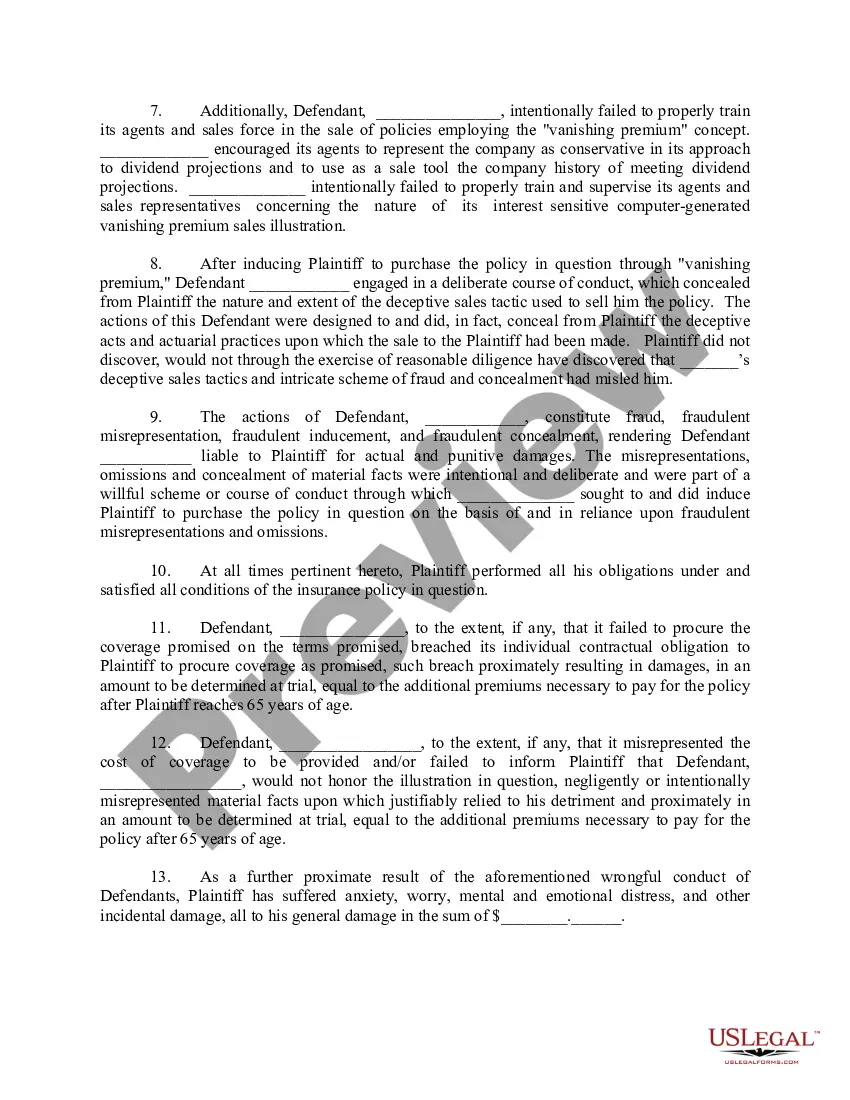
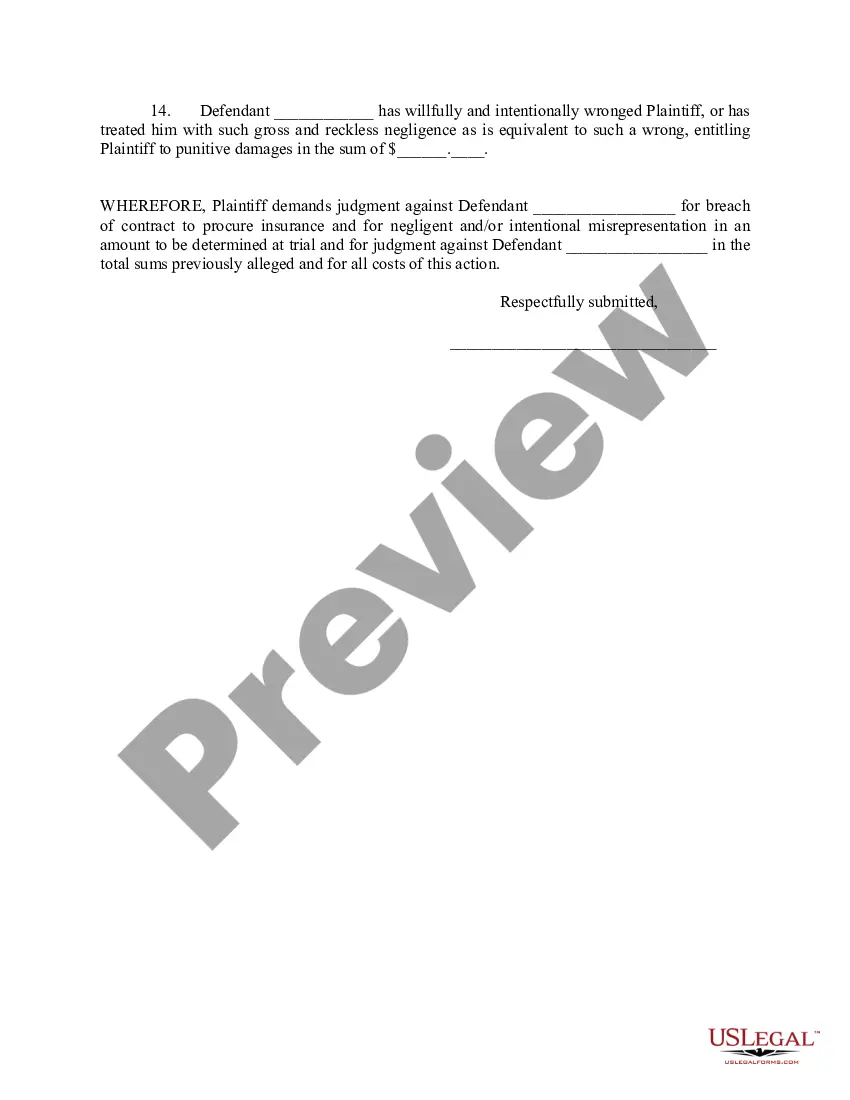

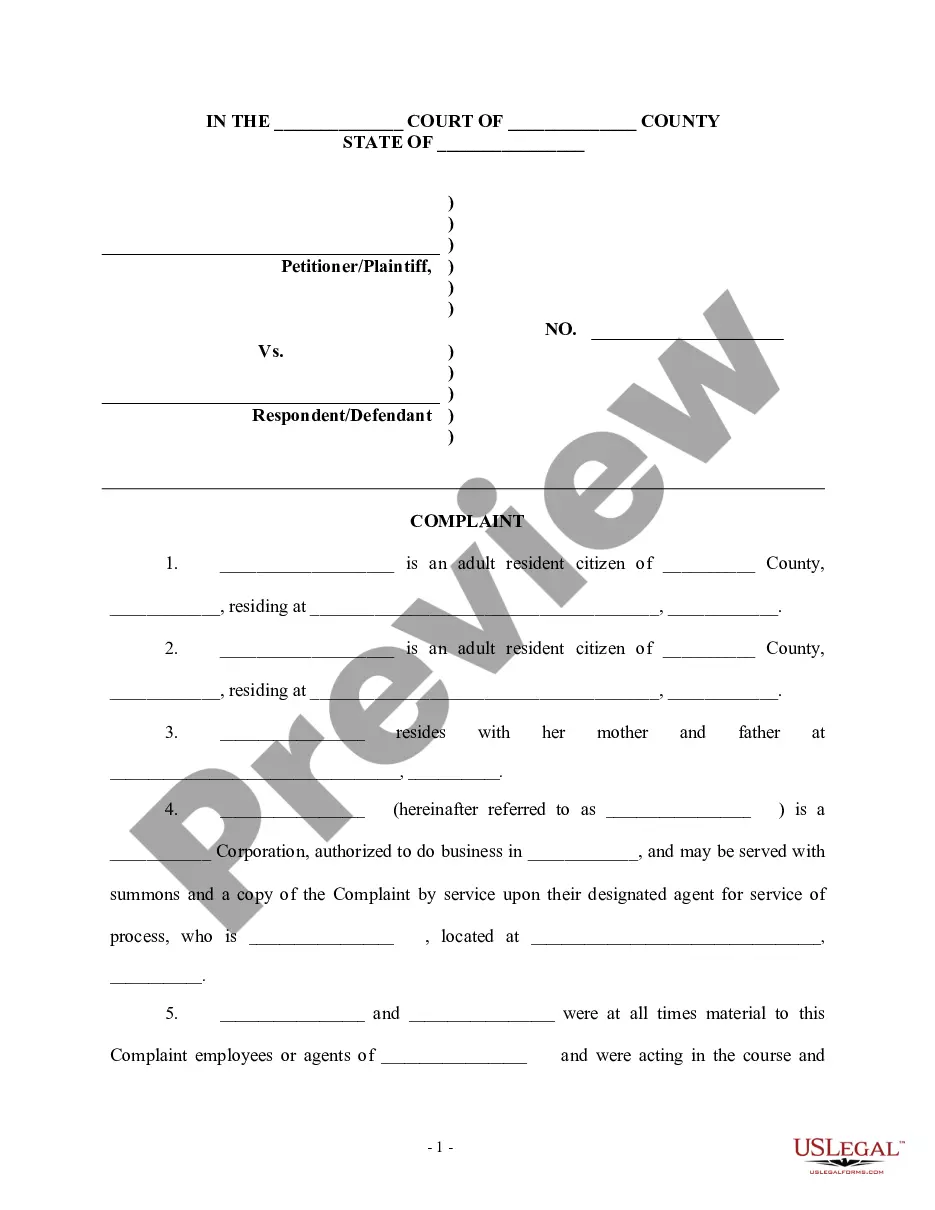
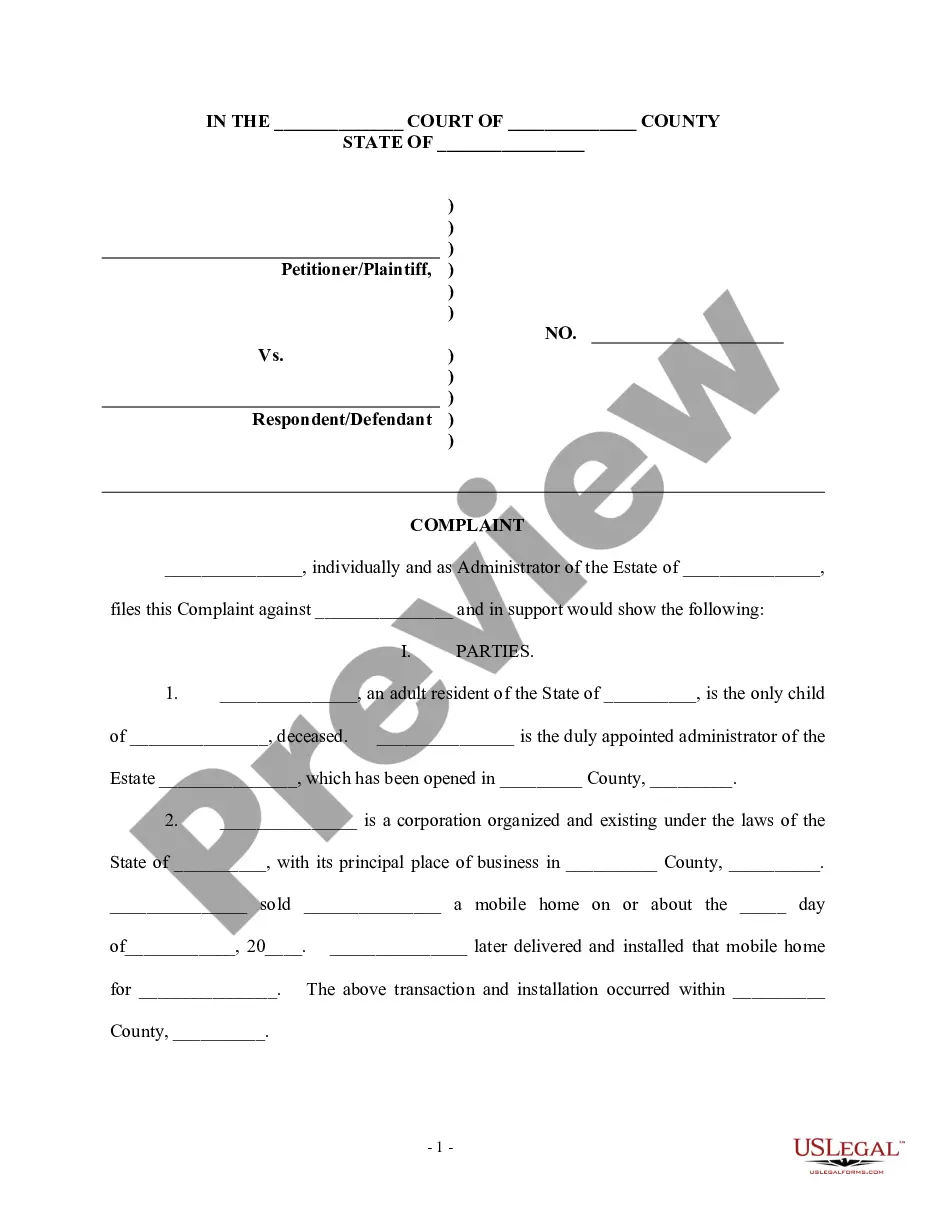
Get your form ready online
Our built-in tools help you complete, sign, share, and store your documents in one place.
Make edits, fill in missing information, and update formatting in US Legal Forms—just like you would in MS Word.
Download a copy, print it, send it by email, or mail it via USPS—whatever works best for your next step.
Sign and collect signatures with our SignNow integration. Send to multiple recipients, set reminders, and more. Go Premium to unlock E-Sign.
If this form requires notarization, complete it online through a secure video call—no need to meet a notary in person or wait for an appointment.
We protect your documents and personal data by following strict security and privacy standards.

Make edits, fill in missing information, and update formatting in US Legal Forms—just like you would in MS Word.

Download a copy, print it, send it by email, or mail it via USPS—whatever works best for your next step.

Sign and collect signatures with our SignNow integration. Send to multiple recipients, set reminders, and more. Go Premium to unlock E-Sign.

If this form requires notarization, complete it online through a secure video call—no need to meet a notary in person or wait for an appointment.

We protect your documents and personal data by following strict security and privacy standards.
Looking for another form?








Form popularity
FAQ
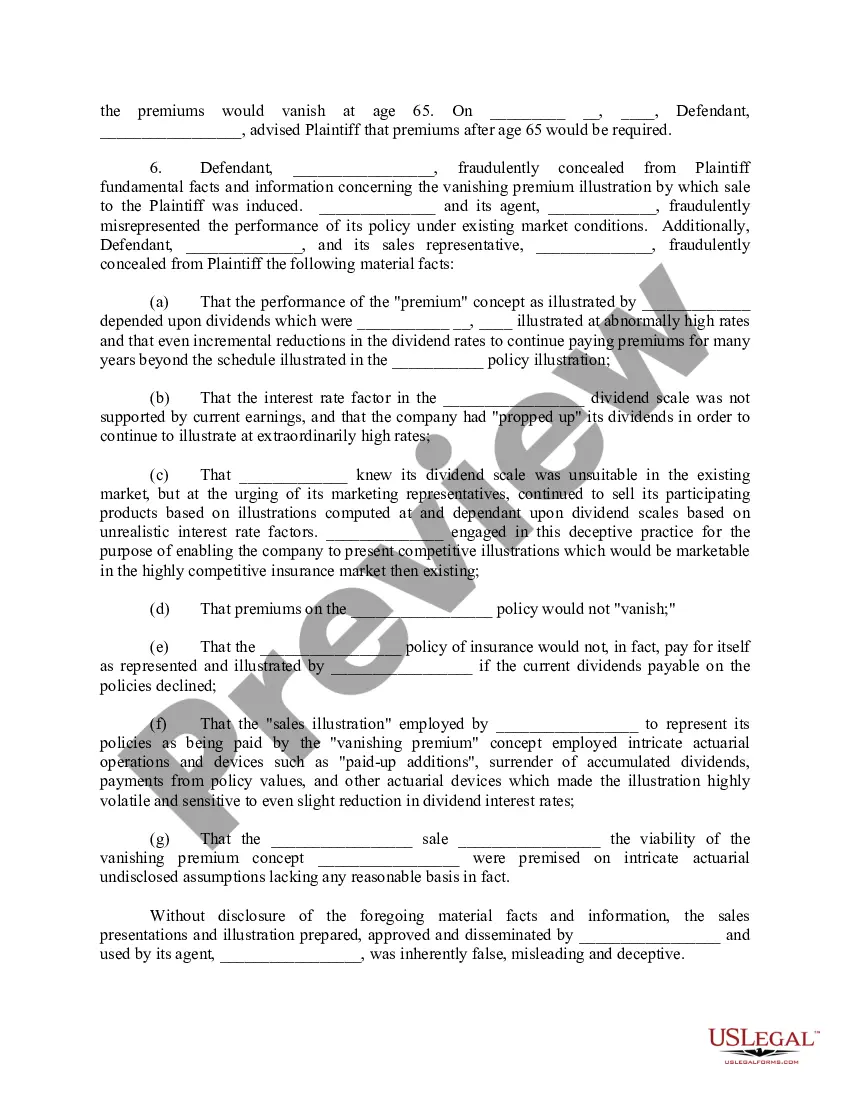
Deceptive Practices An act or practice is deceptive when it meets the following criteria: A representation, omission, or practice misleads or is likely to mislead the consumer. A consumer's interpretation of the representation, omission, or practice is considered reasonable under the circumstances.
What is an "Unfair or Deceptive" business practice? It is when a business does not provide services or products that were promised, misrepresents its services or products, or does not provide quality services or products.
Some forms of deception include: Lies: making up information or giving information that is the opposite or very different from the truth. Equivocations: making an indirect, ambiguous, or contradictory statement.
An act or practice may be found to be deceptive if there is a representation, omission, or practice that misleads or is likely to mislead a consumer. Deception is not limited to situations in which a consumer has already been misled.
Deception can be carried by communicating false information as well as by communicating true information that leads to false conclusions. Deception can also be achieved through omission (non-communication).
To persuade someone that something false is the truth, or to keep the truth hidden from someone for your own advantage: The company deceived customers by selling old computers as new ones.
File a complaint with your local consumer protection office or the state agency that regulates the company. Notify the Better Business Bureau (BBB) in your area about your problem. The BBB tries to resolve your complaints against companies.
To file a complaint, just go to ftc/complaint, and answer the questions. Or call That's all there is to it. If you've been ripped off or scammed, complain to the Federal Trade Commission. It can help put the bad guys out of business.
The FTC's Bureau of Consumer Protection stops unfair, deceptive and fraudulent business practices by collecting reports from consumers and conducting investigations, suing companies and people that break the law, developing rules to maintain a fair marketplace, and educating consumers and businesses about their rights ...