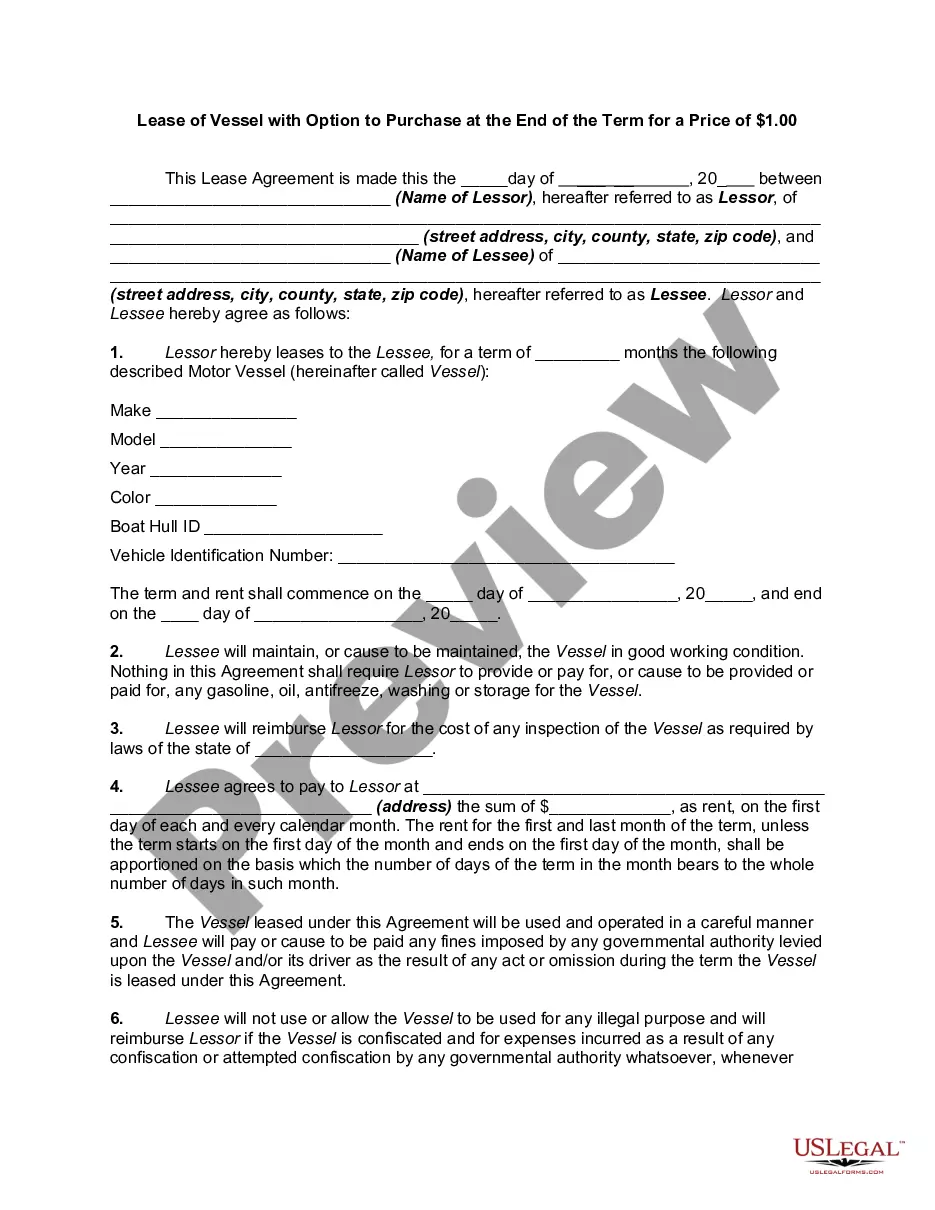
Fraud With Business Partner In Middlesex
Description




Get your form ready online
Our built-in tools help you complete, sign, share, and store your documents in one place.
Make edits, fill in missing information, and update formatting in US Legal Forms—just like you would in MS Word.
Download a copy, print it, send it by email, or mail it via USPS—whatever works best for your next step.
Sign and collect signatures with our SignNow integration. Send to multiple recipients, set reminders, and more. Go Premium to unlock E-Sign.
If this form requires notarization, complete it online through a secure video call—no need to meet a notary in person or wait for an appointment.
We protect your documents and personal data by following strict security and privacy standards.

Make edits, fill in missing information, and update formatting in US Legal Forms—just like you would in MS Word.

Download a copy, print it, send it by email, or mail it via USPS—whatever works best for your next step.

Sign and collect signatures with our SignNow integration. Send to multiple recipients, set reminders, and more. Go Premium to unlock E-Sign.

If this form requires notarization, complete it online through a secure video call—no need to meet a notary in person or wait for an appointment.

We protect your documents and personal data by following strict security and privacy standards.
Looking for another form?









Form popularity
FAQ
If you encounter any suspicious communications or believe you have been targeted by a scam, please report the incident promptly to the Federal Trade Commission (FTC) via their official reporting platform: .
Yes. If you prefer, you can file a report anonymously. How much information you give is up to you, but filling in your contact information can help if the FTC needs more information from you. We will not automatically share your information with the company, but there are times when we may share it.
If you've been the victim of a scam, fraud or online crime (cybercrime) you can report it to Action Fraud: online. on 0300 123 2040 (Monday to Friday 8am to 8pm).
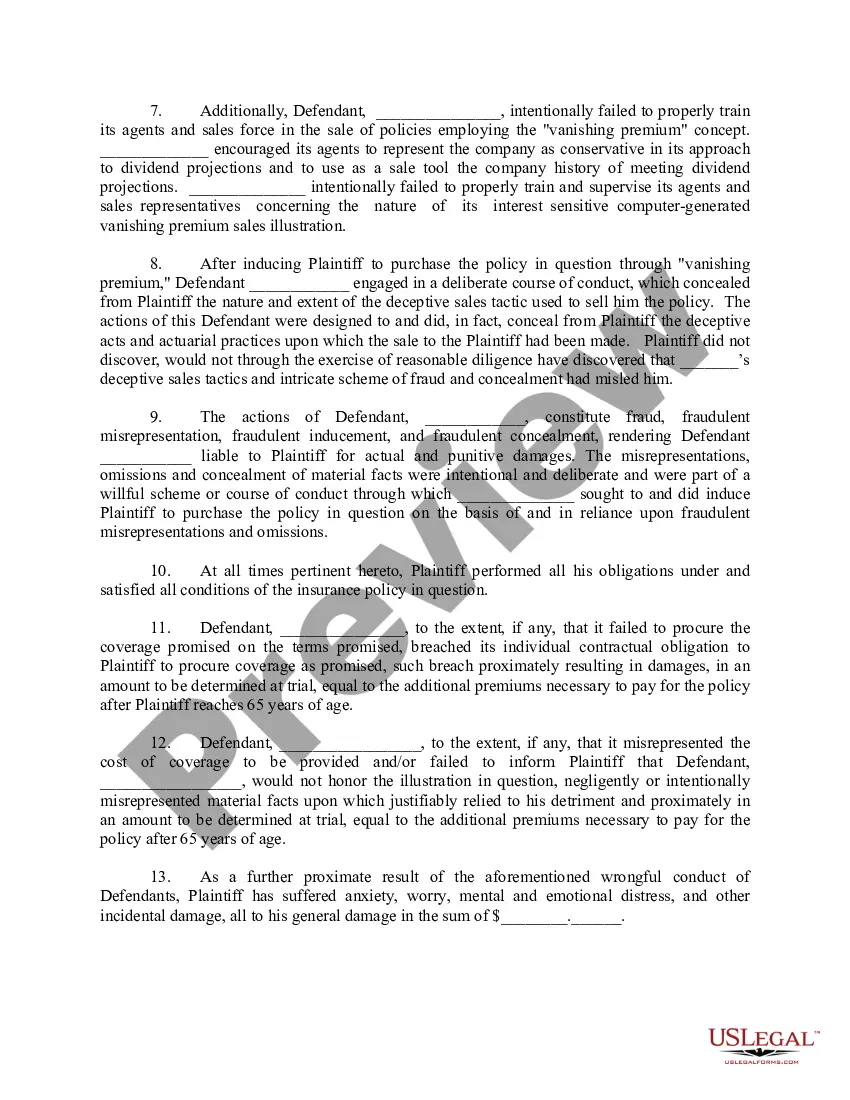
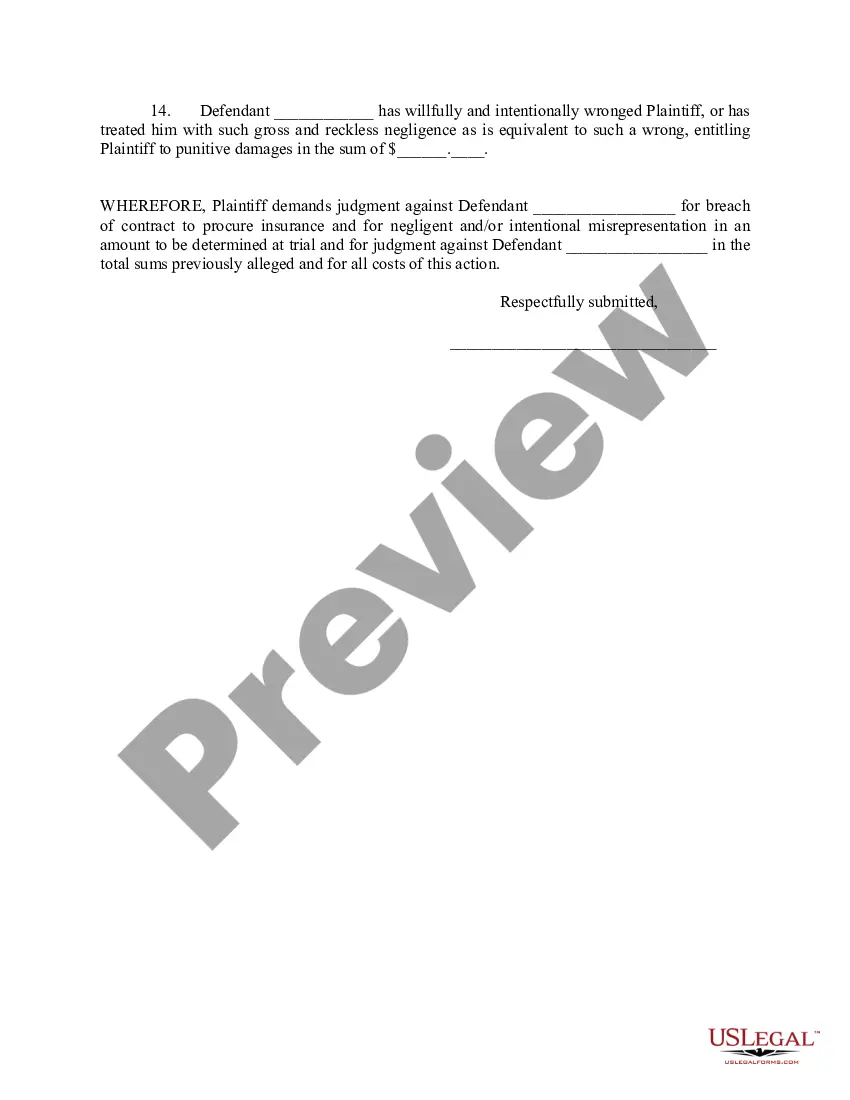
If your business partner committed fraud, you may be entitled to take legal action and recover losses sustained as a result of the partner's actions. The first action that should be taken is to give notice that you are aware of what looks like fraud.
Legally you can file a lawsuit to force a partner out if he can be shown to breach the partnership agreement or if he can be shown to be acting against the best interests of the partnership. Self help (locking the doors) is only allowed in a very few situations.
If the company does not have an operating agreement or the partner will not agree to terms, then the only recourse is taking the issue to court. The court can successfully kick out the offending partner and figure out what he or she is owed.
As a partner, or a member of an LLC or a shareholder in a Corporation, this individual has certain rights. You cannot just ``remove him.'' You need to file a lawsuit to have him disassociated from the organization, or you need to buy him out pursuant to the terms whatever agreement you may have.
Assess the Situation: - Gather evidence of the dishonesty. Document specific instances where you believe your partner has lied or misrepresented information. Communicate Directly: - Schedule a private meeting to discuss your concerns. Listen: - Give your partner a chance to explain their side. Evaluate the
Review the partnership agreement for any clauses regarding partner withdrawal or dissolution. Notify your partners in writing about your intention to leave. Settle your share of financial obligations and assets. Update the partnership agreement or draft a new one without your involvement.
Establish clear boundaries, roles, and responsibilities early on. Outline expectations, decision-making processes, and dispute resolution mechanisms in a formal partnership agreement. Prioritize open and honest communication. If the toxic behaviors persist despite your efforts, you may nee