Deceptive Practices Of In Michigan
Description

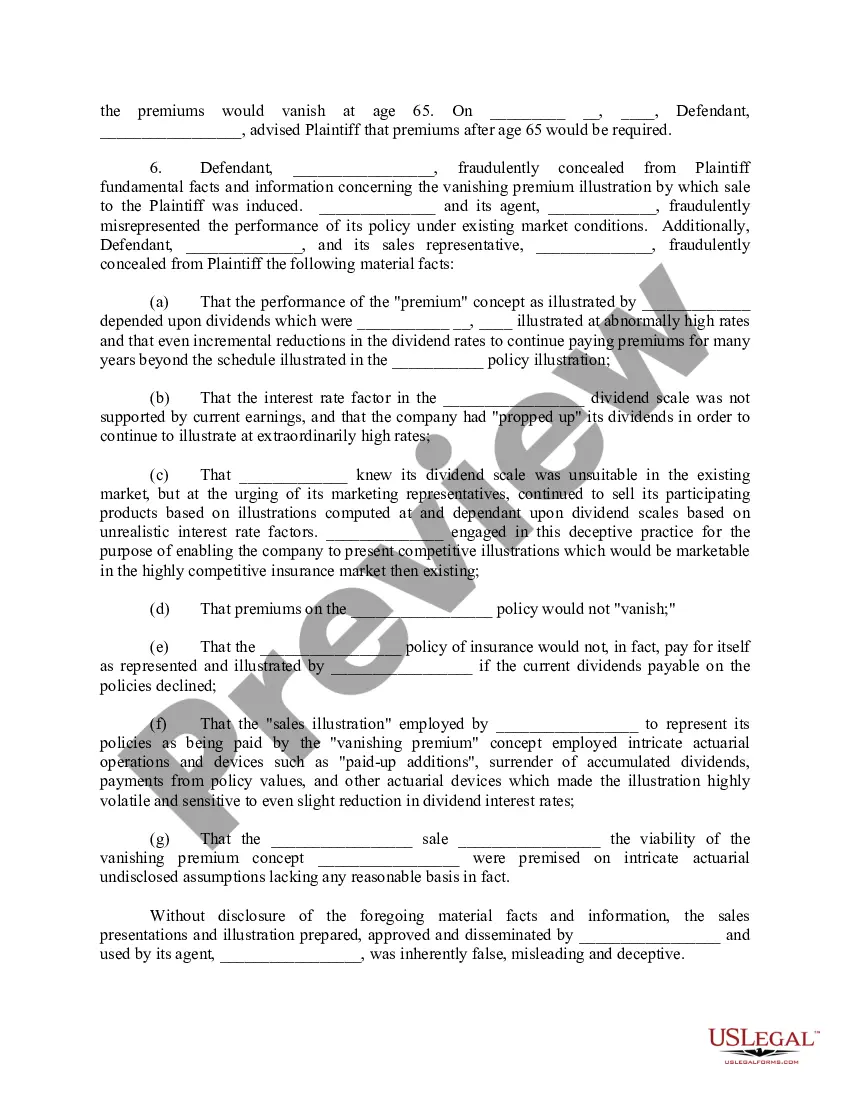
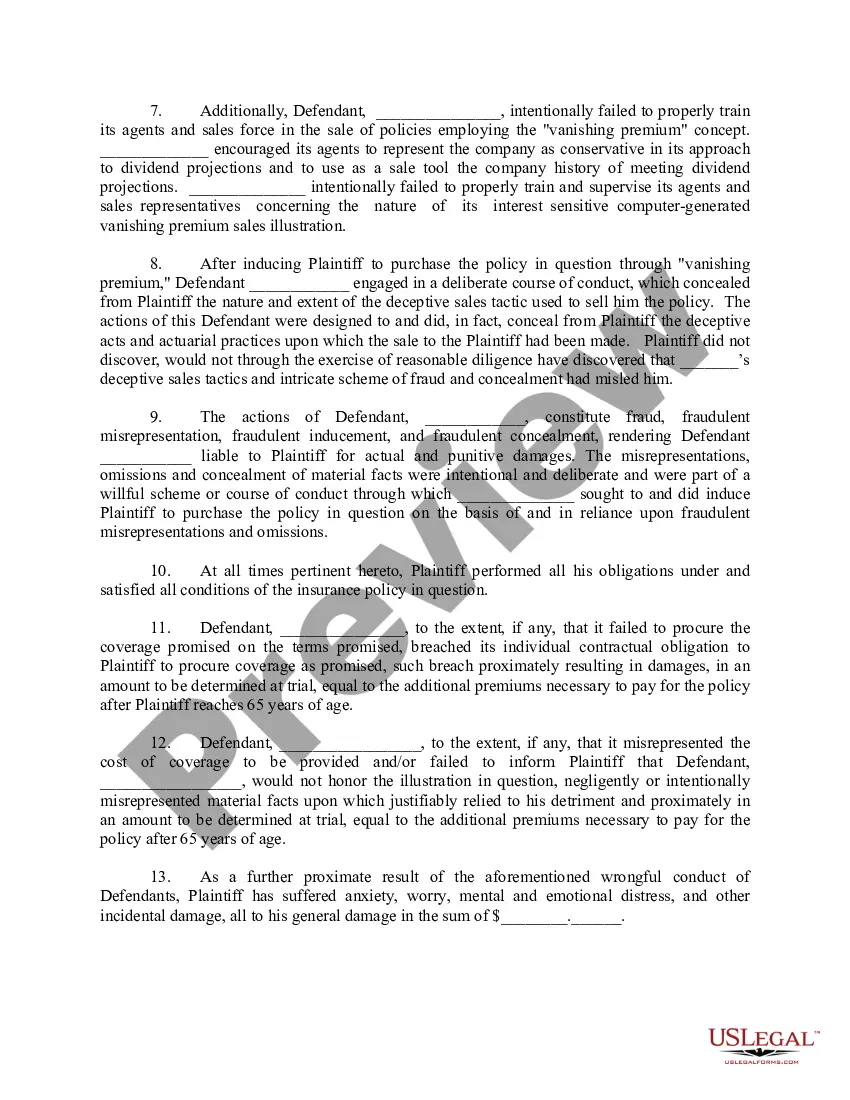
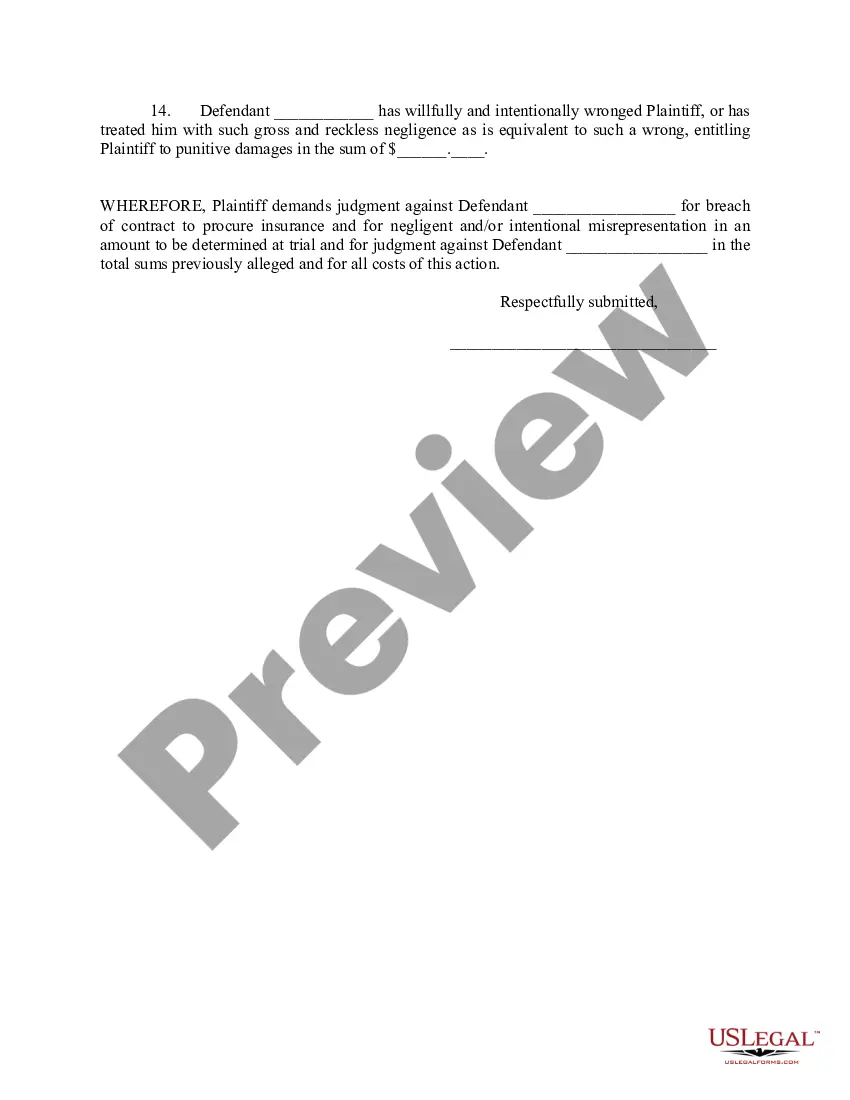

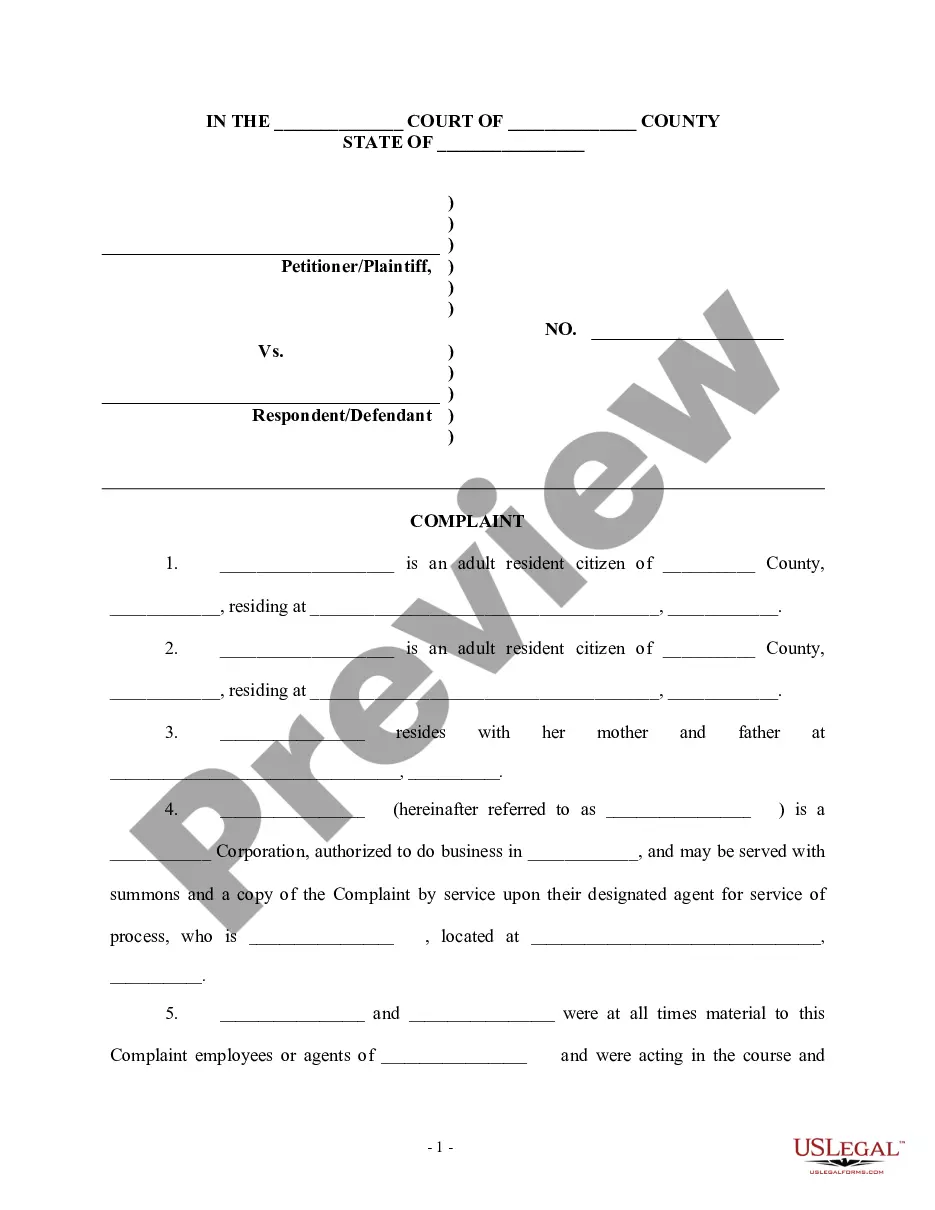

Get your form ready online
Our built-in tools help you complete, sign, share, and store your documents in one place.
Make edits, fill in missing information, and update formatting in US Legal Forms—just like you would in MS Word.
Download a copy, print it, send it by email, or mail it via USPS—whatever works best for your next step.
Sign and collect signatures with our SignNow integration. Send to multiple recipients, set reminders, and more. Go Premium to unlock E-Sign.
If this form requires notarization, complete it online through a secure video call—no need to meet a notary in person or wait for an appointment.
We protect your documents and personal data by following strict security and privacy standards.

Make edits, fill in missing information, and update formatting in US Legal Forms—just like you would in MS Word.

Download a copy, print it, send it by email, or mail it via USPS—whatever works best for your next step.

Sign and collect signatures with our SignNow integration. Send to multiple recipients, set reminders, and more. Go Premium to unlock E-Sign.

If this form requires notarization, complete it online through a secure video call—no need to meet a notary in person or wait for an appointment.

We protect your documents and personal data by following strict security and privacy standards.
Looking for another form?










Form popularity
FAQ
Defamation occurs when someone makes a false statement about another person or entity that causes damage to their reputation. There are two types of defamation: slander and libel. Slander involves spoken statements, and libel involves written statements. Both are actionable under libel and slander laws in Michigan.
750.30 Adultery; punishment. Punishment—Any person who shall commit adultery shall be guilty of a felony; and when the crime is committed between a married woman and a man who is unmarried, the man shall be guilty of adultery, and liable to the same punishment.
To prove prima facie defamation, a plaintiff must show four things: 1) a false statement purporting to be fact; 2) publication or communication of that statement to a third person; 3) fault amounting to at least negligence; and 4) damages, or some harm caused to the reputation of the person or entity who is the subject ...
“The elements of a defamation claim are: (1) a false and defamatory statement concerning the plaintiff, (2) an unprivileged communication to a third party, (3) fault amounting at least to negligence on the part of the publisher, and (4) either actionability of the statement irrespective of special harm (defamation per ...
600.2911 Action for libel or slander. (1) Words imputing a lack of chastity to any female or male are actionable in themselves and subject the person who uttered or published them to a civil action for the slander in the same manner as the uttering or publishing of words imputing the commission of a criminal offense.
(1) Unfair, unconscionable, or deceptive methods, acts, or practices in the conduct of trade or commerce are unlawful and are defined as follows: (a) Causing a probability of confusion or misunderstanding as to the source, sponsorship, approval, or certification of goods or services.
Who does the law apply to and how can consumers sue? The law applies to businesses in Michigan that participate in trade or commerce. If an unlawful act conducted by a business causes injury or loss to a consumer, the consumer has the right to take legal action and file a civil suit against the offending business.
You may file a complaint of discrimination using the online complaint form or by calling 1-800-482-3604.
Consumer Complaint Not all consumer complaints are handled by the Attorney General. If we do not handle it, we will forward it on to the appropriate agency. If you have questions about filing a complaint, please call 517-335-7599. In-state residents can also call 877-765-8388.
Who does the law apply to and how can consumers sue? The law applies to businesses in Michigan that participate in trade or commerce. If an unlawful act conducted by a business causes injury or loss to a consumer, the consumer has the right to take legal action and file a civil suit against the offending business.