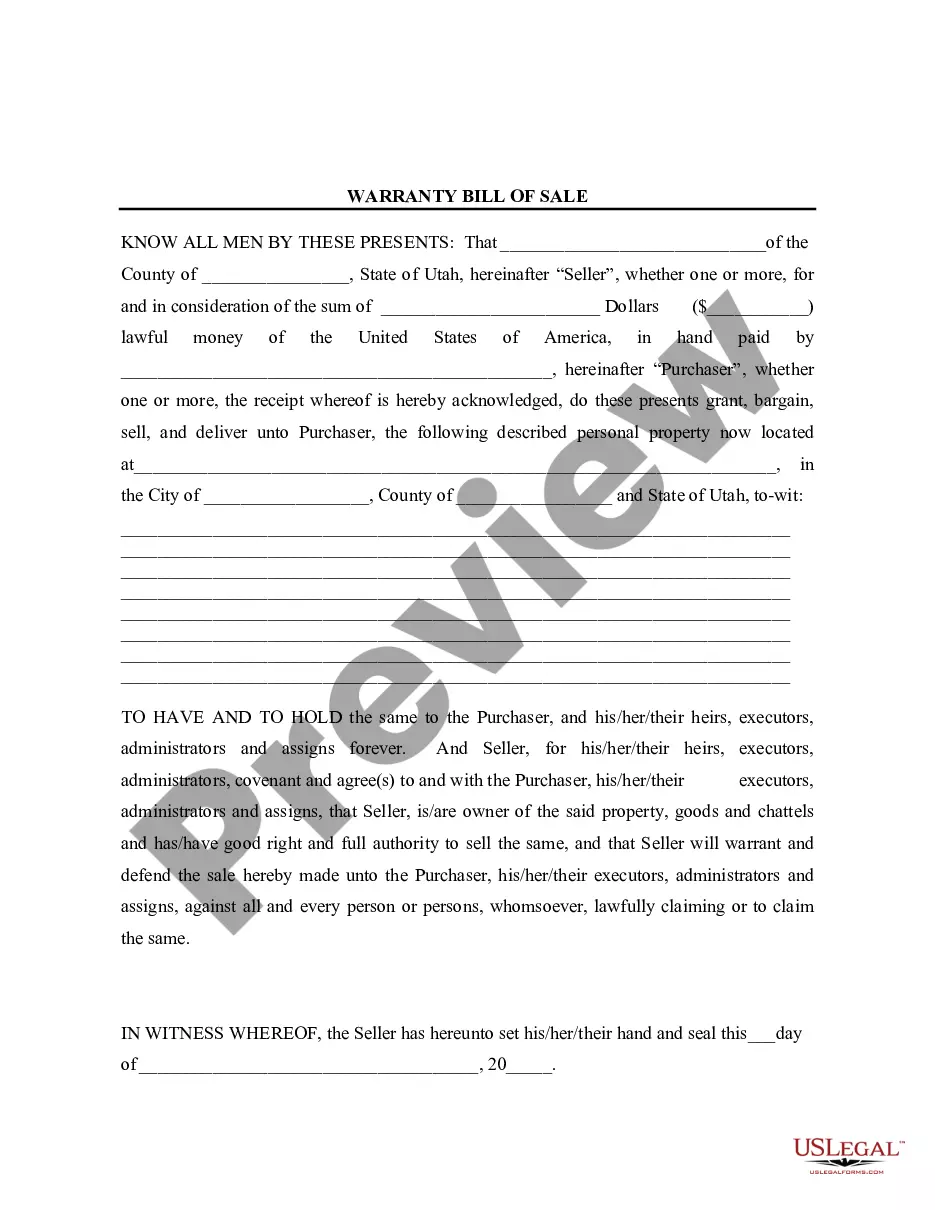
Deceptive Practices Of In Kings
Description







Get your form ready online
Our built-in tools help you complete, sign, share, and store your documents in one place.
Make edits, fill in missing information, and update formatting in US Legal Forms—just like you would in MS Word.
Download a copy, print it, send it by email, or mail it via USPS—whatever works best for your next step.
Sign and collect signatures with our SignNow integration. Send to multiple recipients, set reminders, and more. Go Premium to unlock E-Sign.
If this form requires notarization, complete it online through a secure video call—no need to meet a notary in person or wait for an appointment.
We protect your documents and personal data by following strict security and privacy standards.

Make edits, fill in missing information, and update formatting in US Legal Forms—just like you would in MS Word.

Download a copy, print it, send it by email, or mail it via USPS—whatever works best for your next step.

Sign and collect signatures with our SignNow integration. Send to multiple recipients, set reminders, and more. Go Premium to unlock E-Sign.

If this form requires notarization, complete it online through a secure video call—no need to meet a notary in person or wait for an appointment.

We protect your documents and personal data by following strict security and privacy standards.
Looking for another form?




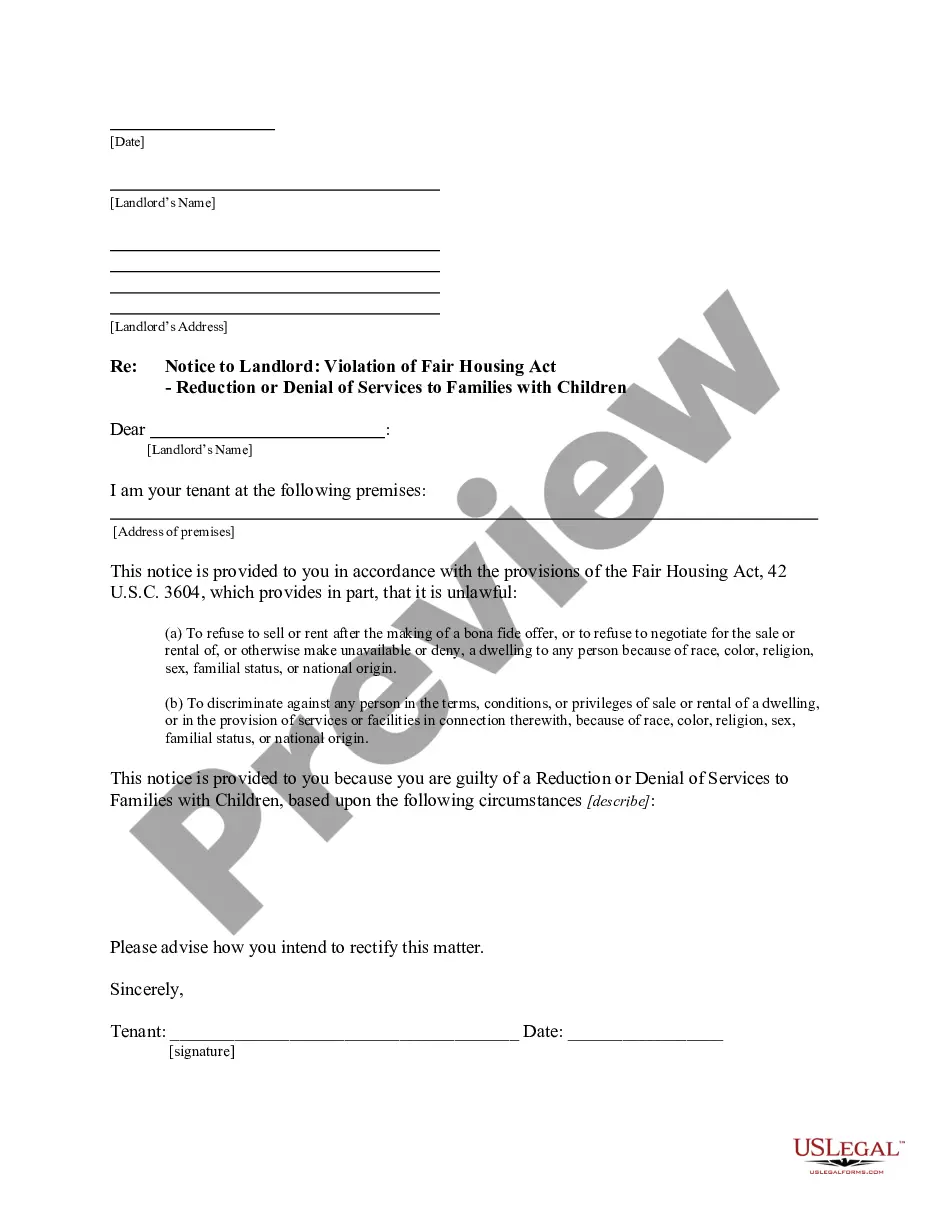
Form popularity
FAQ
As its name indicates, the North Carolina Unfair and Deceptive Trade Practices Act (or “UDTPA,” for short) prohibits businesses from engaging in unfair or deceptive acts or practices. Violating the UDTPA subjects a defendant to potential treble (triple) damages, costs, and attorney's fees.
To prevail on statutory misappropriation claim the Plaintiff must prove by a preponderance of the evidence that (1) it possessed a trade secret, (2) it took reasonable steps to protect the secrecy, (3) the secret was misappropriated, and (4) resulting damages.
(These practices are commonly called misleading or unfair business practices.) They include false advertising, misrepresentation, tied selling, and failing to comply with regulations. Under consumer protection laws, they are illegal and can lead to compensatory or punitive damages.
A misrepresentation of material fact; The representer made the misrepresentation without knowledge of its truth or falsity; The representer intended to induce another to act on the misrepresentation; and. An injury resulted to a party acting in reliance on the misrepresentation.
An act or practice is unfair where it (1) causes or is likely to cause substantial injury to consumers, (2) cannot be reasonably avoided by consumers, and (3) is not outweighed by countervailing ben- efits to consumers or to competition.
Claim for damages under FDUTPA has three elements: (1) a deceptive act or unfair practice; (2) causation; and (3) actual damages. FDUTPA allows for aggrieved persons to recover damages, declaratory relief, or an injunction if they were harmed by deceptive or unfair acts.
In decreasing order of effectiveness, these components of deception can be listed as masking, repackaging, dazzling, mimicking, inventing, and decoying.
9 See FTC Act Policy Statement on Deceptive Acts and Practices. There must be a representation, omission, or practice that misleads or is likely to mislead the consumer. An act or practice may be found to be deceptive if there is a representation, omission, or practice that misleads or is likely to mislead a consumer.
Telling the Federal Trade Commission helps us stop ripoffs, scams, and fraudsters. Your complaints matter here. To file a complaint, just go to ftc/complaint, and answer the questions. Or call That's all there is to it.
Reporting unwanted calls won't instantly stop them. But reporting does matter. The FTC analyzes report data and trends to identify illegal callers based on calling patterns.