Deceptive Trade Practices By In King
Description

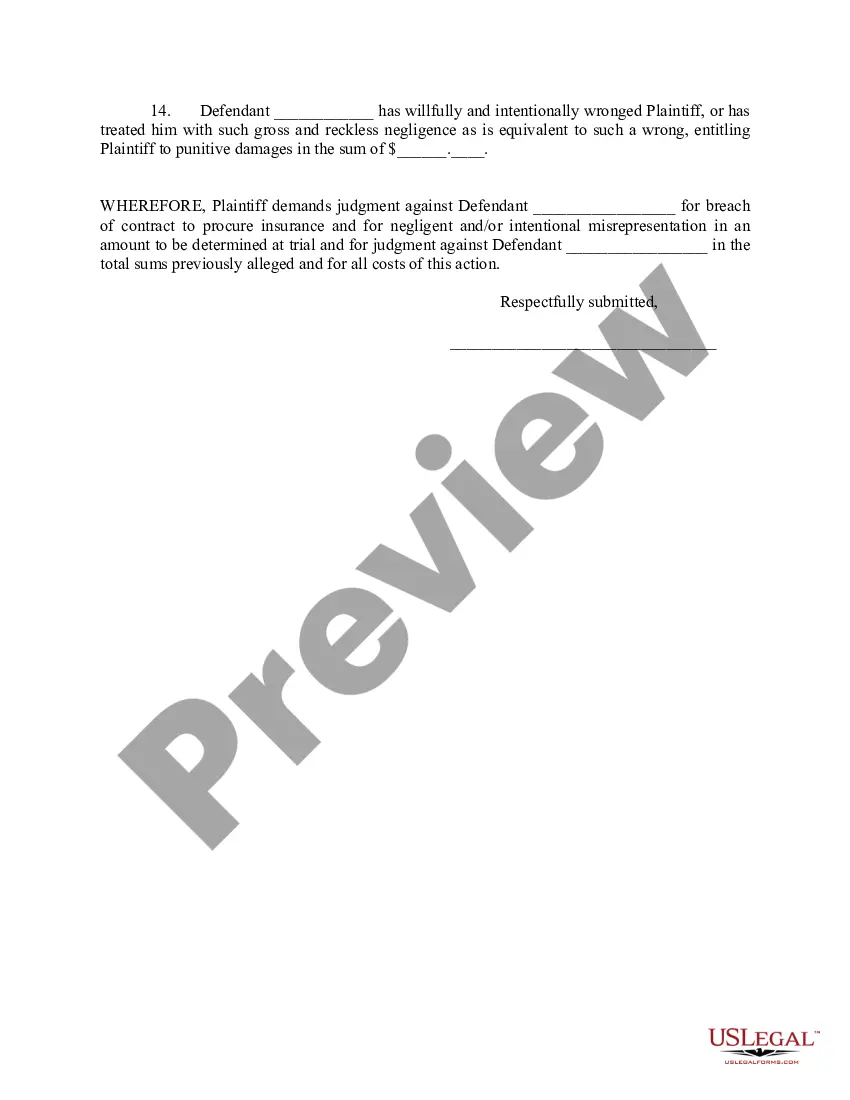

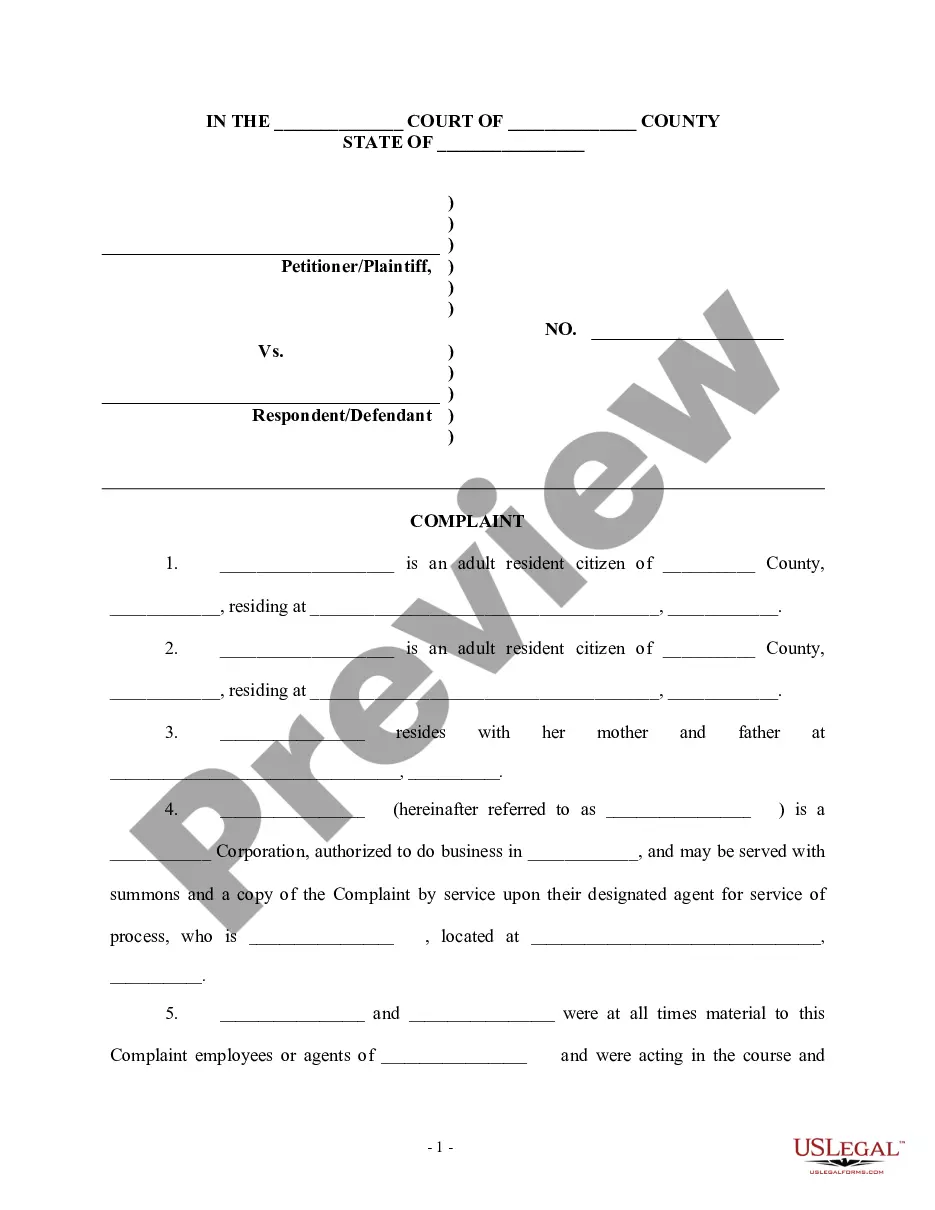

Get your form ready online
Our built-in tools help you complete, sign, share, and store your documents in one place.
Make edits, fill in missing information, and update formatting in US Legal Forms—just like you would in MS Word.
Download a copy, print it, send it by email, or mail it via USPS—whatever works best for your next step.
Sign and collect signatures with our SignNow integration. Send to multiple recipients, set reminders, and more. Go Premium to unlock E-Sign.
If this form requires notarization, complete it online through a secure video call—no need to meet a notary in person or wait for an appointment.
We protect your documents and personal data by following strict security and privacy standards.

Make edits, fill in missing information, and update formatting in US Legal Forms—just like you would in MS Word.

Download a copy, print it, send it by email, or mail it via USPS—whatever works best for your next step.

Sign and collect signatures with our SignNow integration. Send to multiple recipients, set reminders, and more. Go Premium to unlock E-Sign.

If this form requires notarization, complete it online through a secure video call—no need to meet a notary in person or wait for an appointment.

We protect your documents and personal data by following strict security and privacy standards.
Looking for another form?










Form popularity
FAQ
Penalty Offenses Concerning Imitation Coins The FTC has issued a Notice that it has determined that manufacturing or importing any imitation numismatic item which is not plainly and permanently marked “COPY” is an unfair or deceptive, and violates the FTC Act.
The California Unfair Practices Act, beginning at Section 17000 of the California Business & Professions Code, prohibits unfair competition and “any unlawful, unfair or fraudulent business act or practice and unfair, deceptive, untrue or misleading advertising.” A merchant who violates the Unfair Practices Act can be ...
17200. As used in this chapter, unfair competition shall mean and include any unlawful, unfair or fraudulent business act or practice and unfair, deceptive, untrue or misleading advertising and any act prohibited by Chapter 1 (commencing with Section 17500) of Part 3 of Division 7 of the Business and Professions Code.
General Business Law § 349 New York's consumer protection statute, General Business Law Section 349, makes it unlawful to engage in deceptive acts or practices in the conduct of any business, trade, or commerce or in the furnishing of any service in the state.
An act or practice is unfair when it (1) causes or is likely to cause substantial injury to consumers, (2) cannot be reasonably avoided by consumers, and (3) is not outweighed by countervailing benefits to consumers or to competition. Congress codified the three-part unfairness test in 1994.
The essence of an unfair competition claim under New York law is that the defendant misappropriated the fruit of plaintiff's labors and expenditures by obtaining access to plaintiff's business idea either through fraud or deception, or an abuse of a fiduciary or confidential relationship.
As its name indicates, the North Carolina Unfair and Deceptive Trade Practices Act (or “UDTPA,” for short) prohibits businesses from engaging in unfair or deceptive acts or practices. Violating the UDTPA subjects a defendant to potential treble (triple) damages, costs, and attorney's fees.
Claim for damages under FDUTPA has three elements: (1) a deceptive act or unfair practice; (2) causation; and (3) actual damages. FDUTPA allows for aggrieved persons to recover damages, declaratory relief, or an injunction if they were harmed by deceptive or unfair acts.
New York General Business Law § 349 (“Section 349”) is a law that protects consumers from deceptive acts and practices. This law gives both the Attorney General and consumers the right to take legal actions against businesses who commit unlawful acts.