Trade Rules In Cook
Description

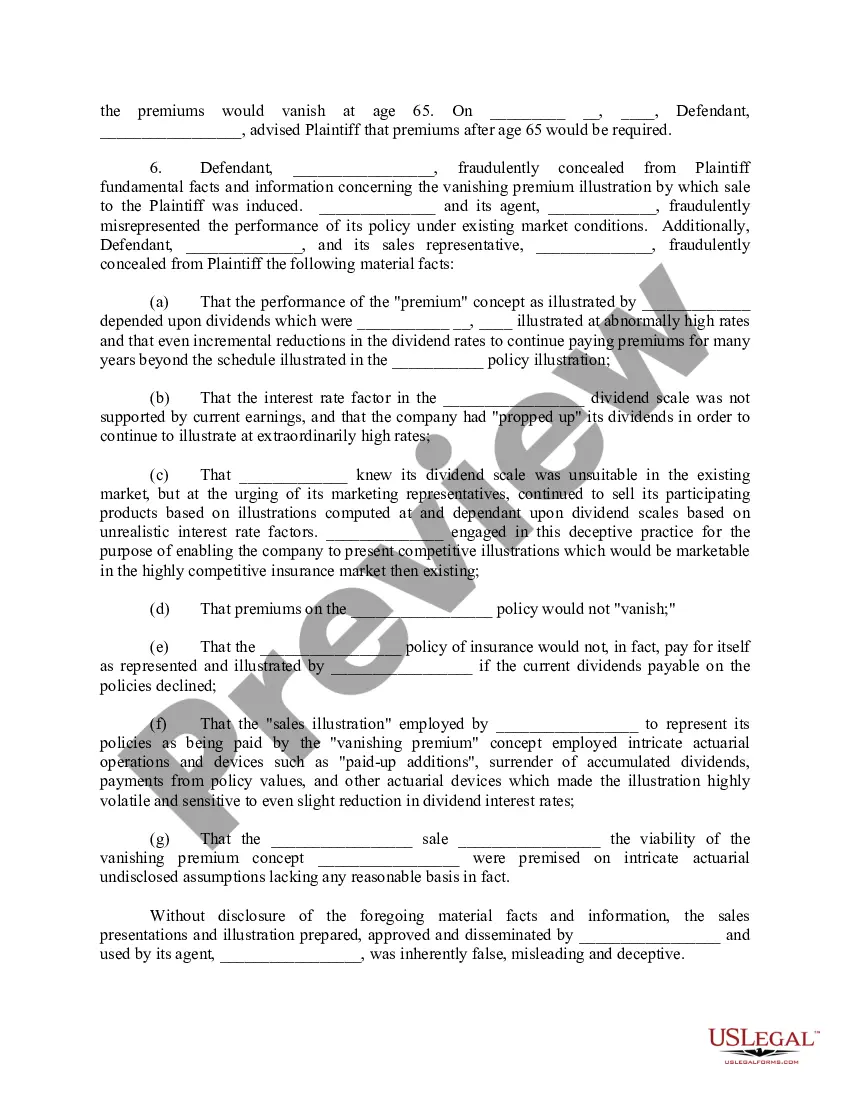



Get your form ready online
Our built-in tools help you complete, sign, share, and store your documents in one place.
Make edits, fill in missing information, and update formatting in US Legal Forms—just like you would in MS Word.
Download a copy, print it, send it by email, or mail it via USPS—whatever works best for your next step.
Sign and collect signatures with our SignNow integration. Send to multiple recipients, set reminders, and more. Go Premium to unlock E-Sign.
If this form requires notarization, complete it online through a secure video call—no need to meet a notary in person or wait for an appointment.
We protect your documents and personal data by following strict security and privacy standards.

Make edits, fill in missing information, and update formatting in US Legal Forms—just like you would in MS Word.

Download a copy, print it, send it by email, or mail it via USPS—whatever works best for your next step.

Sign and collect signatures with our SignNow integration. Send to multiple recipients, set reminders, and more. Go Premium to unlock E-Sign.

If this form requires notarization, complete it online through a secure video call—no need to meet a notary in person or wait for an appointment.

We protect your documents and personal data by following strict security and privacy standards.
Looking for another form?






Form popularity
FAQ
Ship's cooks work onboard passenger ships and cargo vessels. The tasks include the preparation of foods, both cold and hot dishes, on a daily basis and for special occasions.
The Assistant Cook is responsible for providing support to the Head Cook in the preparation and service of meals. This includes prepping ingredients, cooking items, plating meals, and cleaning up the kitchen throughout the day.
The Cook 1 is the entry and training level. Promotion to the Cook 2 level may be made after a minimum of two years' experience and in-service training as a Cook in kitchen handling quantity cooking. TYPICAL DUTIES. Assists in supervision and instruction of subordinate Cooks and Service Workers, as necessary.
It's an independent consumer label you see on a product that meets the international Fairtrade standards. It shows that the product has been certified to offer a better deal to the farmers and workers involved. It does not endorse an entire company's business practices. Read more about the FAIRTRADE Mark.
Imports The top imports of Cook Islands are Refined Petroleum ($33.3M), Recreational Boats ($30.9M), Cars ($4.53M), Other Edible Preparations ($2.81M), and Sawn Wood ($2.61M), importing mostly from New Zealand ($85.2M), Italy ($29.7M), Fiji ($18.1M), China ($11.3M), and Australia ($5.56M).
Incorporate a New Company or Register an Overseas Company Collect Required Information. Proposed Company Name: The proposed name of the company in English. Complete the Online Application. Application for incorporation of a Cook Islands Company (Form A-1). Receive Your Certificate of Incorporation.
Paw paws are the flagship agricultural export of the Cook Islands and have been successful in being able to meet the technical requirements of the New Zealand market.
The economy of the Cook Islands is based mainly on tourism, with minor exports made up of tropical and citrus fruit. Manufacturing activities are limited to fruit-processing, clothing and handicrafts.
To initiate the trade, make sure to assign a family to the Trading Post as well. Without workers to man the building, no trade will take place.
Trade Rules, Explained There are three options available. Import: You can use your wealth to bring resources into your village from other towns. Export: You can sell surplus resources you have and get wealth for it. Full Trade: Engage in both selling and purchasing items with Full Trade.