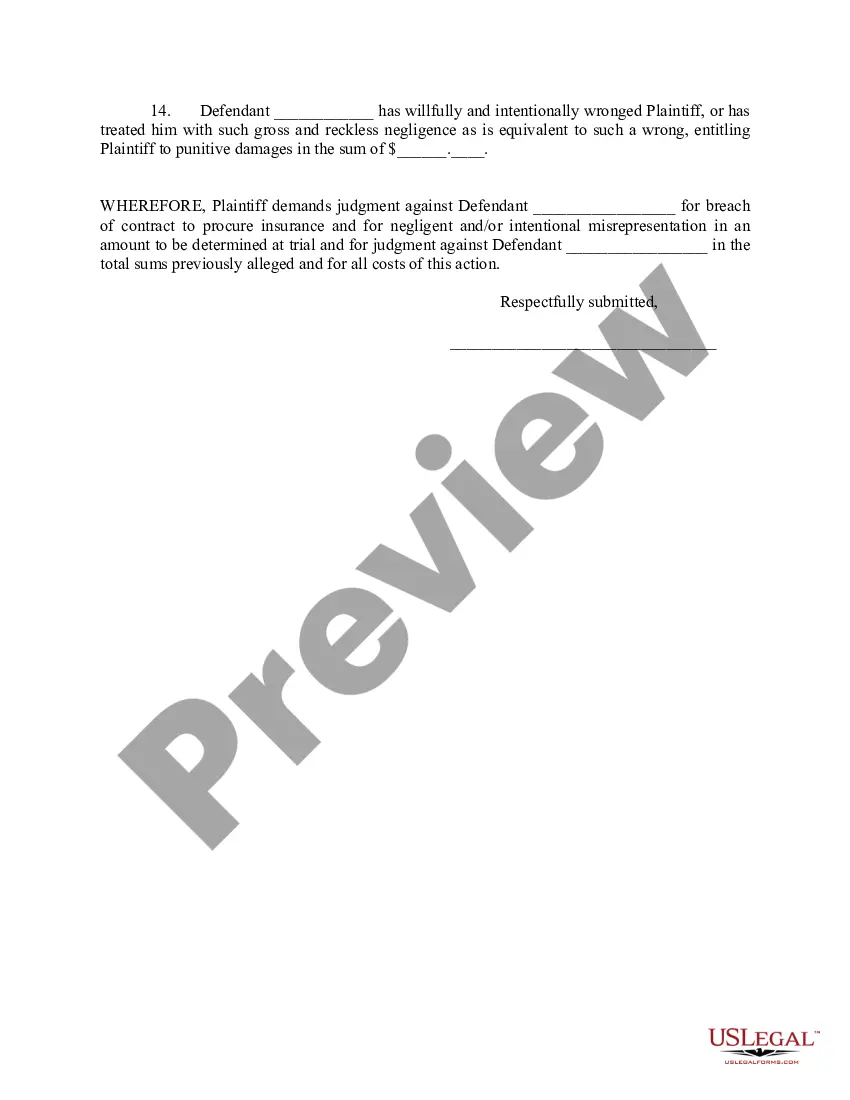
Deceptive Trade With Nevada In Clark
Description




Get your form ready online
Our built-in tools help you complete, sign, share, and store your documents in one place.
Make edits, fill in missing information, and update formatting in US Legal Forms—just like you would in MS Word.
Download a copy, print it, send it by email, or mail it via USPS—whatever works best for your next step.
Sign and collect signatures with our SignNow integration. Send to multiple recipients, set reminders, and more. Go Premium to unlock E-Sign.
If this form requires notarization, complete it online through a secure video call—no need to meet a notary in person or wait for an appointment.
We protect your documents and personal data by following strict security and privacy standards.

Make edits, fill in missing information, and update formatting in US Legal Forms—just like you would in MS Word.

Download a copy, print it, send it by email, or mail it via USPS—whatever works best for your next step.

Sign and collect signatures with our SignNow integration. Send to multiple recipients, set reminders, and more. Go Premium to unlock E-Sign.

If this form requires notarization, complete it online through a secure video call—no need to meet a notary in person or wait for an appointment.

We protect your documents and personal data by following strict security and privacy standards.
Looking for another form?

Form popularity
FAQ
Once again, in order to sue a company for damages in Nevada, you must first determine the basis for your civil lawsuit and draft it. Next, you must then file your civil lawsuit in the proper venue. In general, the appropriate venue will be the district court in the county that you live in.
File a complaint with government or consumer programs File a complaint with your local consumer protection office. Notify the Better Business Bureau (BBB) in your area about your problem. The BBB tries to resolve complaints against companies. Report scams and suspicious communications to the Federal Trade Commission.
Nevada Consumer Affairs: The Office of Nevada Consumer Affairs investigates consumer complaints pertaining to deceptive and fraudulent business practices.
A hardcopy complaint form can be requested by contacting Nevada Consumer Affairs by calling 1-844-594-7275.
A hardcopy complaint form can be requested by contacting Nevada Consumer Affairs by calling 1-844-594-7275.
It is illegal in Nevada to disseminate or distribute false or misleading advertising under NRS 207.171. Being sued and/or convicted of false or misleading advertising have both civil and criminal consequences.
Consumer protection laws in Nevada This law prohibits businesses from engaging in deceptive practices, such as false advertising, misleading statements, or fraudulent schemes. It provides consumers with the right to take legal action against businesses that violate these provisions.
Examples of deceptive trade practices in this area include making false statements, omitting important details, and advertising unavailable goods or services. While many companies exaggerate the benefits of their products, it is unlawful to completely fabricate information.
Trade secret misappropriation is illegal under Nevada's Uniform Trade Secrets Act. These laws define misappropriation as improper acquisitions, disclosures or uses. A trade secret is improperly acquired if it was obtained unlawfully.