Sample Demand For Jury Trial California In Texas
Description






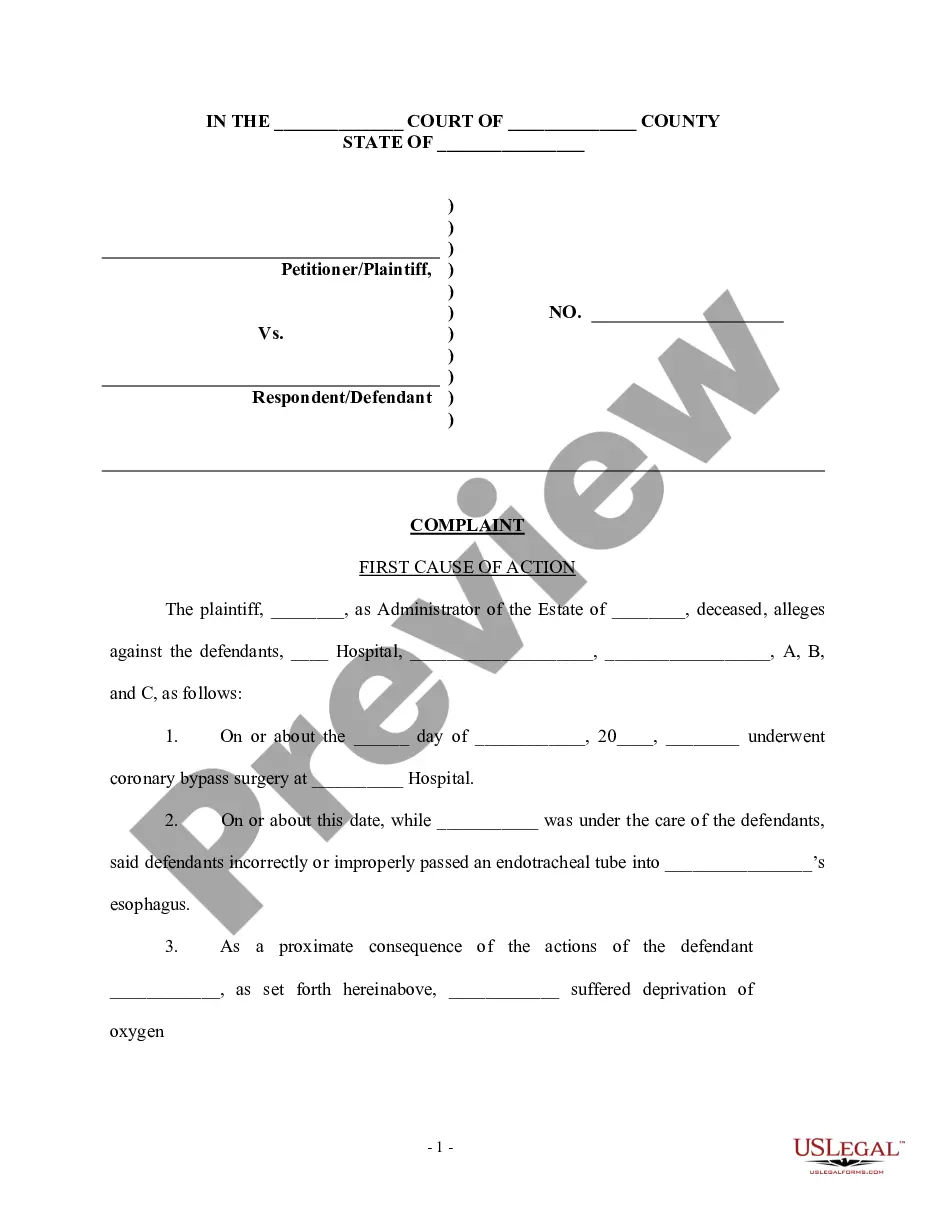
Get your form ready online
Our built-in tools help you complete, sign, share, and store your documents in one place.
Make edits, fill in missing information, and update formatting in US Legal Forms—just like you would in MS Word.
Download a copy, print it, send it by email, or mail it via USPS—whatever works best for your next step.
Sign and collect signatures with our SignNow integration. Send to multiple recipients, set reminders, and more. Go Premium to unlock E-Sign.
If this form requires notarization, complete it online through a secure video call—no need to meet a notary in person or wait for an appointment.
We protect your documents and personal data by following strict security and privacy standards.

Make edits, fill in missing information, and update formatting in US Legal Forms—just like you would in MS Word.

Download a copy, print it, send it by email, or mail it via USPS—whatever works best for your next step.

Sign and collect signatures with our SignNow integration. Send to multiple recipients, set reminders, and more. Go Premium to unlock E-Sign.

If this form requires notarization, complete it online through a secure video call—no need to meet a notary in person or wait for an appointment.

We protect your documents and personal data by following strict security and privacy standards.
Looking for another form?










Form popularity
FAQ
Petit Jury This is a much lower standard of proof than in a criminal trial since no party's freedom is at issue in a civil matter. Learn about the types of cases heard in federal courts. Petit juries are comprised of 6-12 people. Trials are generally public, but jury deliberations are private.
T.R.C.P. 504.1: JURY TRIAL DEMANDED FOR CIVIL Any party may file a written demand for a trial by jury which must be filed no later than 14 days before the date a case is set for trial. If the demand is not timely, the right to a jury is waived unless the late filing is excused by the judge for good cause.
Any party may demand a trial by jury of any issue triable of right by a jury by (1) serving upon the other parties a demand therefor in writing at any time after the commencement of the action and not later than 10 days after the service of the last pleading directed to such issue, and (2) filing the demand as required ...
Both the Constitution of the United States and the Texas Constitution guarantee the right to a trial by jury. That right has long been considered a fundamental safeguard of each American's civil liberties.
In the United States, criminal defendants who face serious felony charges are almost always afforded the right to a trial by a 12-member jury. A few states, however, allow these trials to proceed before six-member juries, even when a defendant faces a mandatory life sentence.
The process of questioning and excusing jurors continues until 12 persons are accepted as jurors for the trial. Alternate jurors may also be selected. The judge and attorneys agree that these jurors are qualified to decide impartially and intelligently the factual issues in the case.
As prospective jurors are needed for specific trials or grand juries, jury pools are randomly selected from the list of qualified participants. Panels of prospective jurors are then randomly selected for each jury trial.
Unanimous 12 Person Jury Required For criminal charges, both misdemeanors and felonies, California requires a unanimous 12 person jury to render a verdict of “guilty” or “not guilty.” If even just one of the 12 jurors disagrees with the other 11 after careful consideration of the evidence, this results in a hung jury.
Any party may demand a trial by jury of any issue triable of right by a jury by (1) serving upon the other parties a demand therefor in writing at any time after the commencement of the action and not later than 10 days after the service of the last pleading directed to such issue, and (2) filing the demand as required ...
Ing to the Supreme Court, the jury-trial right applies only when "serious" offenses are at hand—petty offenses don't invoke it. For purposes of this right, a serious offense is one that carries a potential sentence of more than six months' imprisonment.