Jury Trial Demand Sample With Motion In Santa Clara
Description

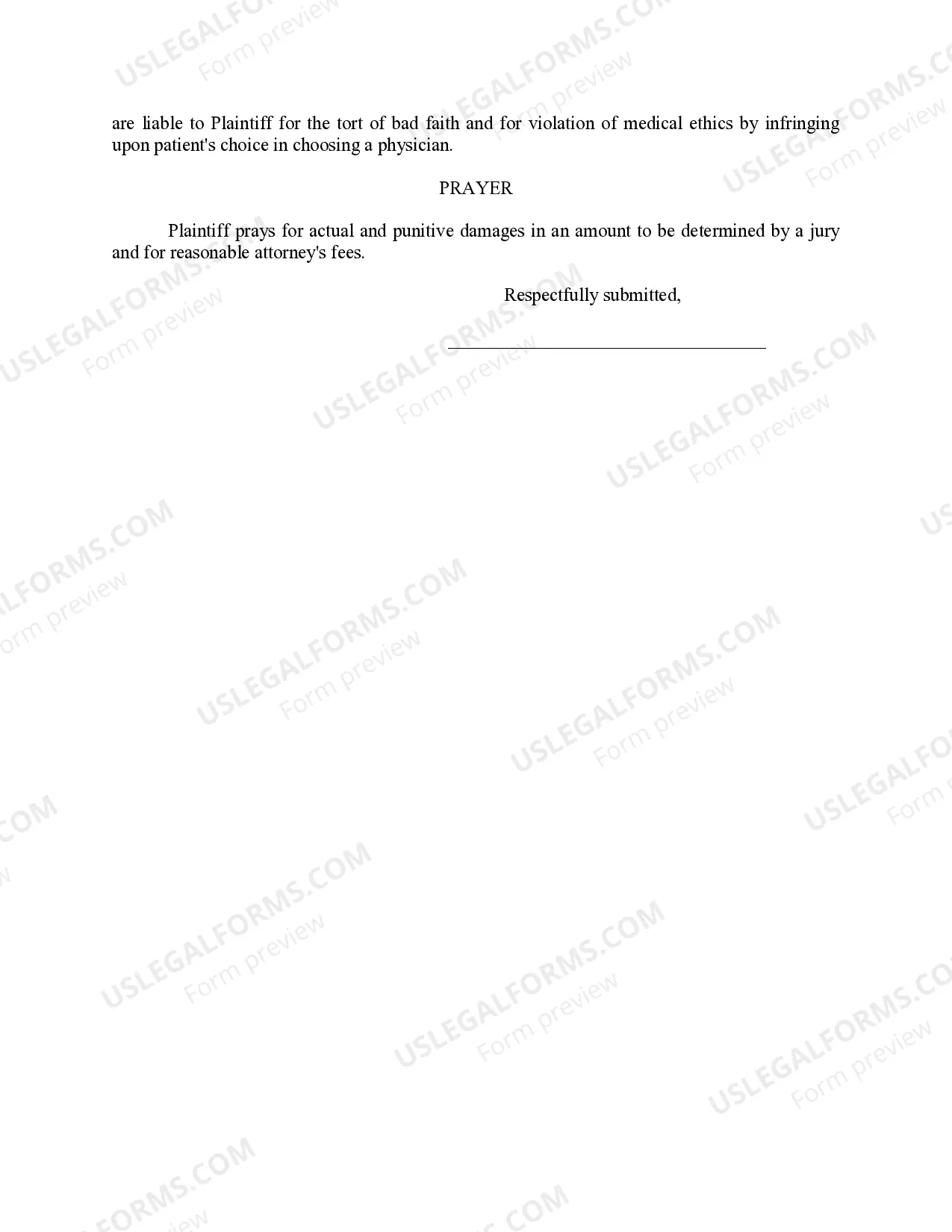




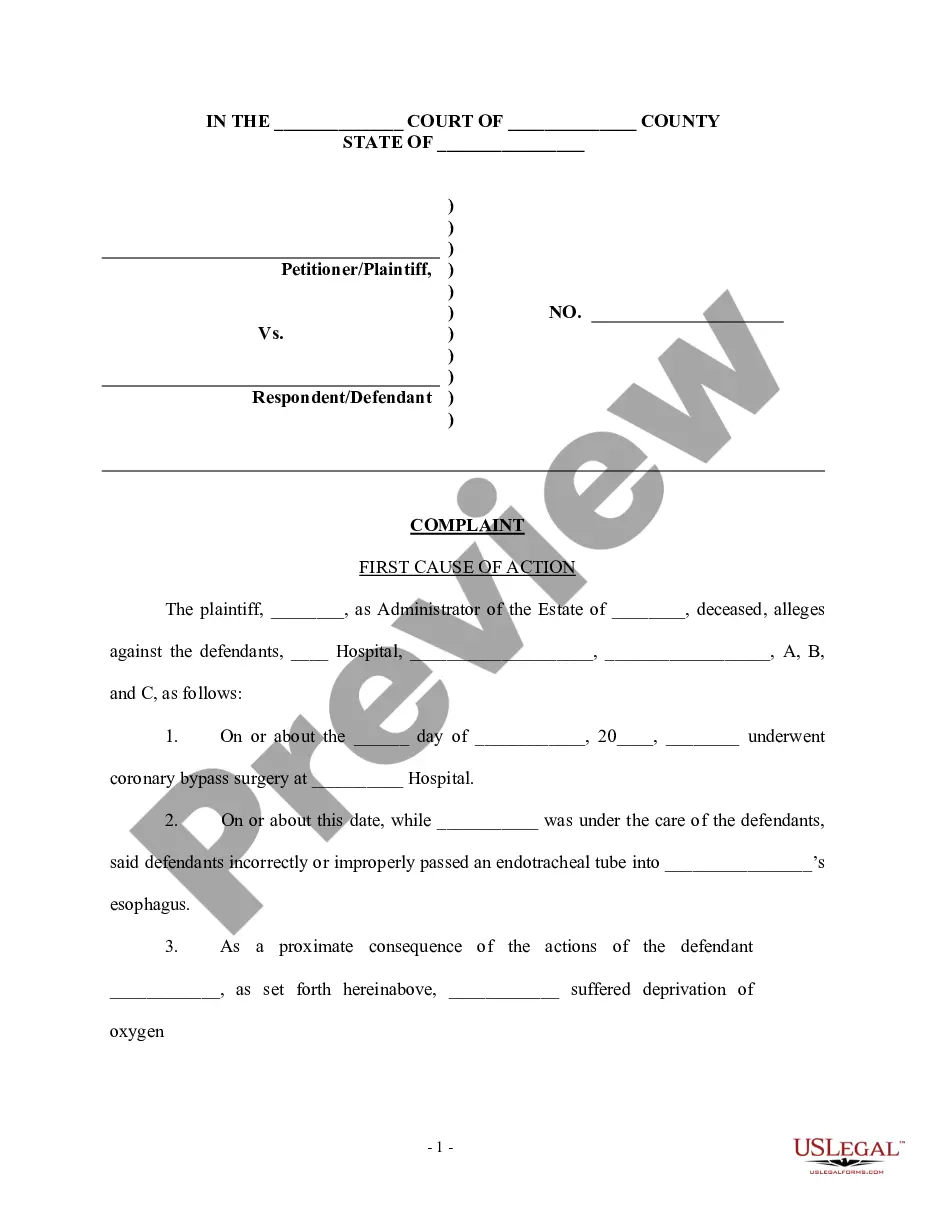
Get your form ready online
Our built-in tools help you complete, sign, share, and store your documents in one place.
Make edits, fill in missing information, and update formatting in US Legal Forms—just like you would in MS Word.
Download a copy, print it, send it by email, or mail it via USPS—whatever works best for your next step.
Sign and collect signatures with our SignNow integration. Send to multiple recipients, set reminders, and more. Go Premium to unlock E-Sign.
If this form requires notarization, complete it online through a secure video call—no need to meet a notary in person or wait for an appointment.
We protect your documents and personal data by following strict security and privacy standards.

Make edits, fill in missing information, and update formatting in US Legal Forms—just like you would in MS Word.

Download a copy, print it, send it by email, or mail it via USPS—whatever works best for your next step.

Sign and collect signatures with our SignNow integration. Send to multiple recipients, set reminders, and more. Go Premium to unlock E-Sign.

If this form requires notarization, complete it online through a secure video call—no need to meet a notary in person or wait for an appointment.

We protect your documents and personal data by following strict security and privacy standards.
Looking for another form?



Form popularity
FAQ
"Motion to strike jury demand" means that one party has requested a jury trial and the other party is objecting to the request for a jury based on some ground, such as it may be the type of proceeding that a jury is not mandated or that the party asking for a jury has no right to ask for a jury in this manner.
Court Code 43470, as part of a broader set of regulations, governs specific aspects of civil litigation, particularly regarding the filing and processing of documents within Santa Clara County Superior Court. While the precise details of the code are complex, understanding its underlying principles is vital.
Q5: What Happens if a Motion to Strike is Granted? If granted, the court will order the removal of the specified parts from the pleading. This can lead to a narrowing of the issues in the case or, in some instances, weaken the opposing party's position significantly.
A motion to strike is a request to a judge that part of a party's pleading or a piece of evidence be removed from the record. During the pleading stage, this can be accomplished by a tool such as Rule 12(f) of the Federal Rules of Civil Procedure or a state equivalent.
Any party may demand a trial by jury of any issue triable of right by a jury by (1) serving upon the other parties a demand therefor in writing at any time after the commencement of the action and not later than 10 days after the service of the last pleading directed to such issue, and (2) filing the demand as required ...
If a juror has a bias, or there is some other reason why a juror cannot be fair and impartial, the judge may excuse that juror. These are called strikes, “for cause,” in that there was cause to dismiss the juror.
If you want to file a motion, the process is generally something like this: You write your motion. You file your motion with the court clerk. The court clerk inserts the date and time your motion will be heard by the judge. You “serve” (mail) your motion to the other side.
As described under California Penal Code 1191, the judge has to rule on your motion for a new trial within 20 days after the guilty verdict or within 30 days if more time is needed to collect evidence in support of your claim.
Motions: 16 court days before hearing (+5 calendar days for mailing). If the mailing deadline (16+5 days) has passed, but there are still more than 16 court days before the hearing, you can have it served by personal delivery.