Jury Discharged Without Verdict In Orange
Description





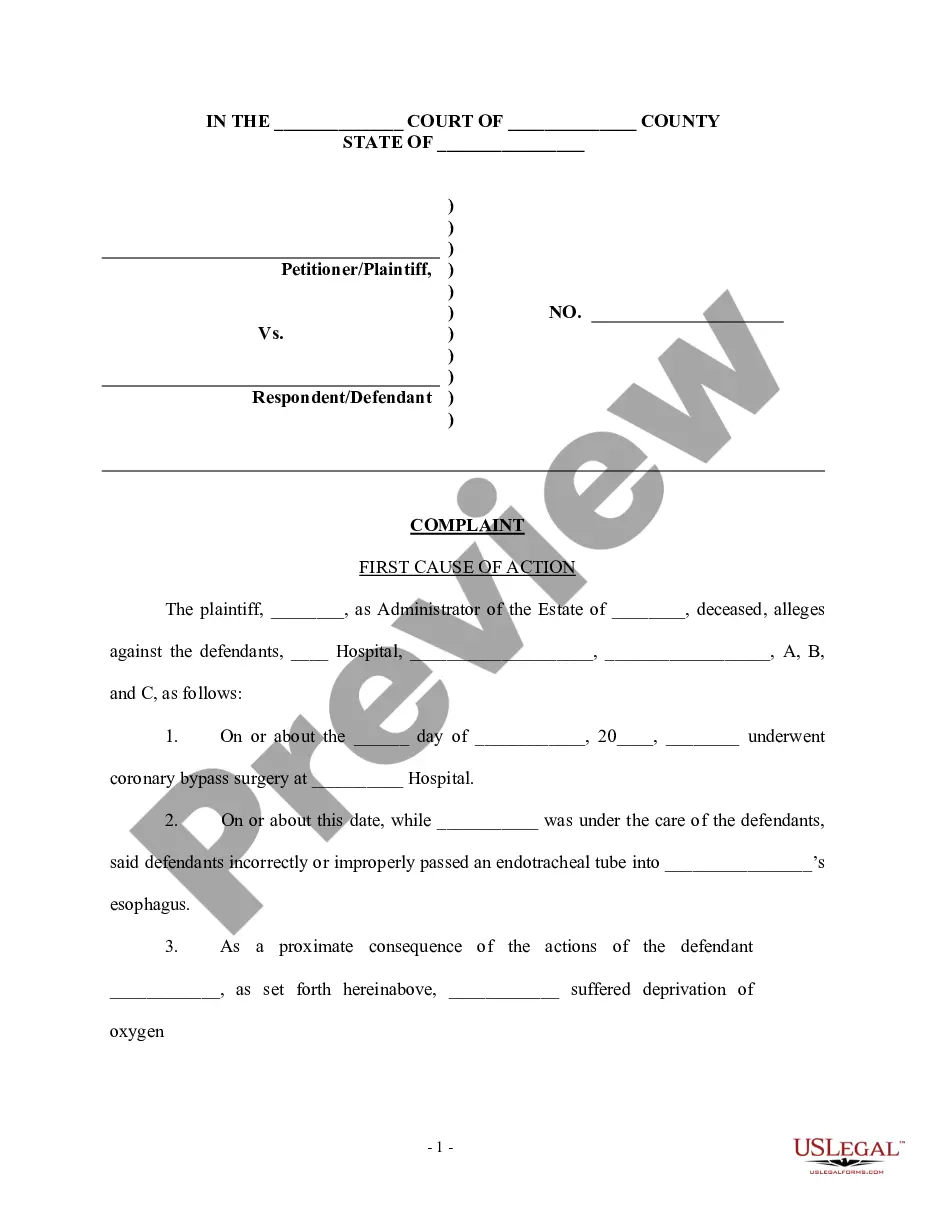
Get your form ready online
Our built-in tools help you complete, sign, share, and store your documents in one place.
Make edits, fill in missing information, and update formatting in US Legal Forms—just like you would in MS Word.
Download a copy, print it, send it by email, or mail it via USPS—whatever works best for your next step.
Sign and collect signatures with our SignNow integration. Send to multiple recipients, set reminders, and more. Go Premium to unlock E-Sign.
If this form requires notarization, complete it online through a secure video call—no need to meet a notary in person or wait for an appointment.
We protect your documents and personal data by following strict security and privacy standards.

Make edits, fill in missing information, and update formatting in US Legal Forms—just like you would in MS Word.

Download a copy, print it, send it by email, or mail it via USPS—whatever works best for your next step.

Sign and collect signatures with our SignNow integration. Send to multiple recipients, set reminders, and more. Go Premium to unlock E-Sign.

If this form requires notarization, complete it online through a secure video call—no need to meet a notary in person or wait for an appointment.

We protect your documents and personal data by following strict security and privacy standards.
Looking for another form?






Form popularity
FAQ
There are various reasons why a defendant might consider waiving their right to a jury trial. For instance, they might aim to resolve the case swiftly or keep it out of the local news. Alternatively, they might have a lengthy criminal record and wish to minimize public exposure.
Sometimes, in a criminal case, the defendant might want to waive their right to a jury trial and instead have a bench trial where the judge alone decides guilt or innocence. For example, perhaps the judge has a reputation for leniency, or the case has made national news.
Ing to the Supreme Court, the jury-trial right applies only when "serious" offenses are at hand—petty offenses don't invoke it. For purposes of this right, a serious offense is one that carries a potential sentence of more than six months' imprisonment.
There are various reasons why a defendant might consider waiving their right to a jury trial. For instance, they might aim to resolve the case swiftly or keep it out of the local news. Alternatively, they might have a lengthy criminal record and wish to minimize public exposure.
Additional requests require proof of undue hardship, and there are very few statutory reasons for being excused from jury service. All requests must be mailed or submitted online at least ten (10) days before your report date. You can submit requests for Disqualification/Excusal/Deferral via our online interface.
Request for Excuse Physical or Mental Disability. Care to Another (non-professional) Extreme Financial Burden. Completed Call-In or Reporting Jury Service within the past 12 months (this includes service as a Grand Juror) Active Duty Military.
What are some of the best excuses people have used when they didn't want to show up for jury duty? You are not fluent in English. You are disabled, evidenced by a physician's attestation. You are hospitalized, again evidenced by a physician's attestation.
Request for Excuse Physical or Mental Disability. Care to Another (non-professional) Extreme Financial Burden. Completed Call-In or Reporting Jury Service within the past 12 months (this includes service as a Grand Juror) Active Duty Military.
Persons not employed full-time who are responsible for the care of an infirmed or disabled family member. Parents not employed full-time with custody of a child(ren) under 6 years of age. Full-time law enforcement officers or investigators (must have arrest powers) Currently attending school out of county/state.