Demand For Jury Trial Unlawful Detainer In Ohio
Description
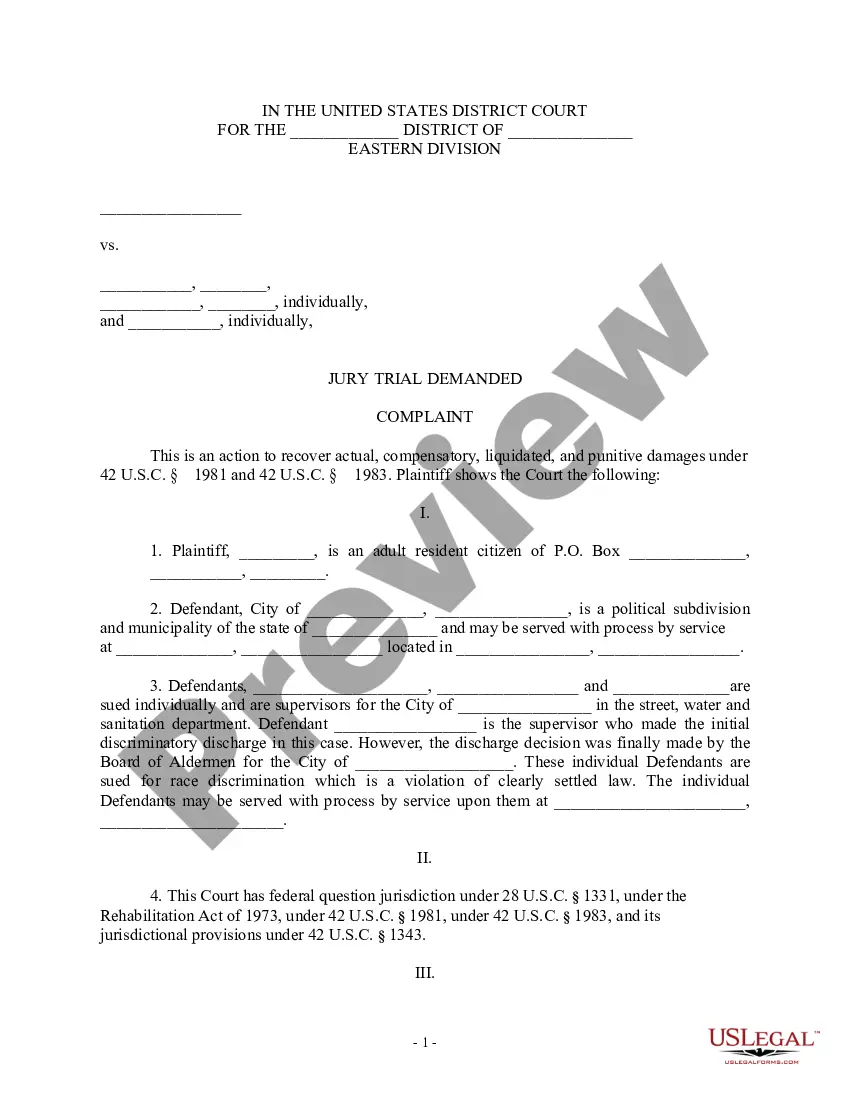
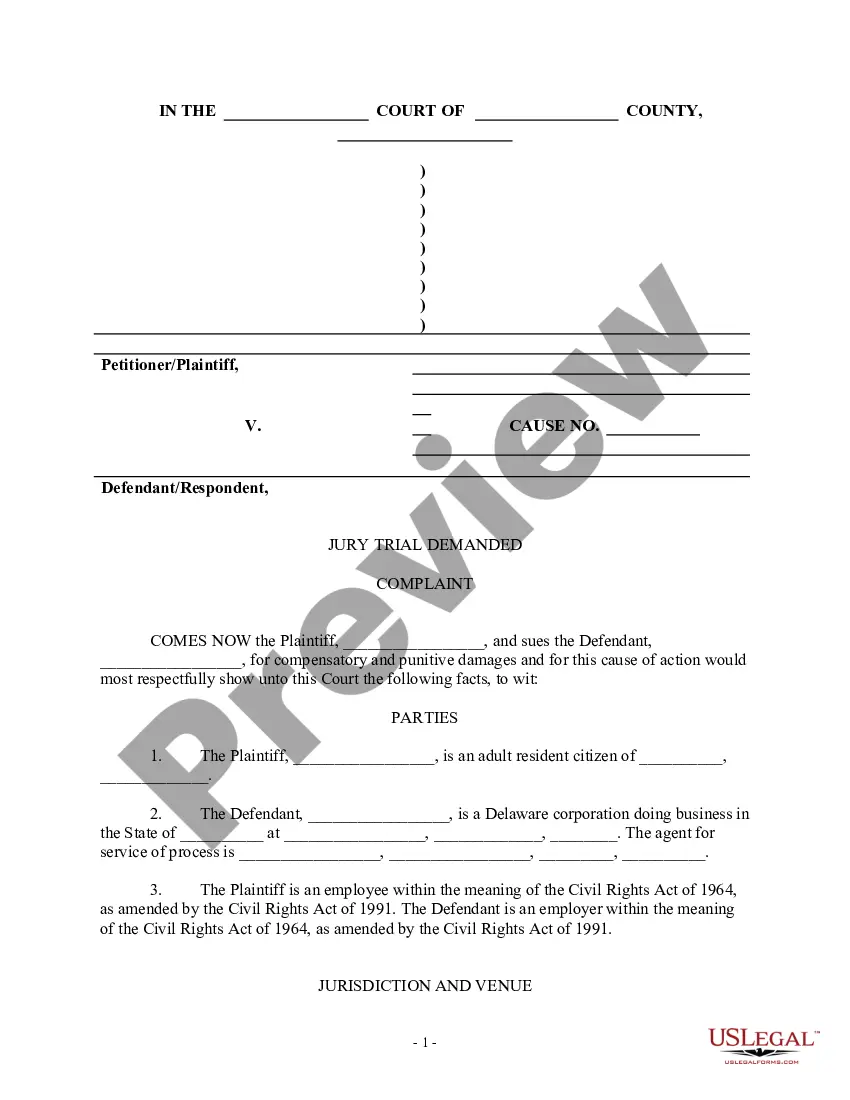
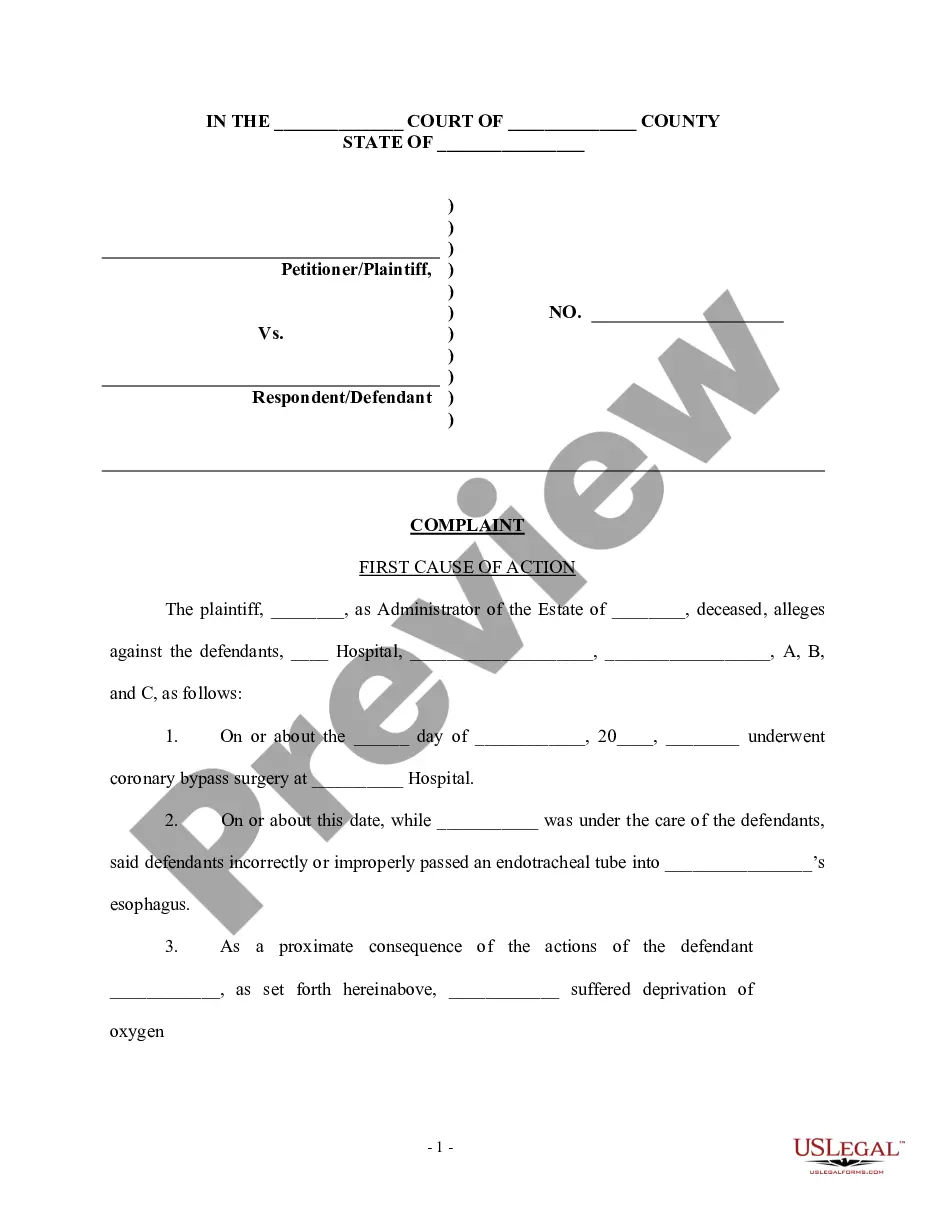
Get your form ready online
Our built-in tools help you complete, sign, share, and store your documents in one place.
Make edits, fill in missing information, and update formatting in US Legal Forms—just like you would in MS Word.
Download a copy, print it, send it by email, or mail it via USPS—whatever works best for your next step.
Sign and collect signatures with our SignNow integration. Send to multiple recipients, set reminders, and more. Go Premium to unlock E-Sign.
If this form requires notarization, complete it online through a secure video call—no need to meet a notary in person or wait for an appointment.
We protect your documents and personal data by following strict security and privacy standards.

Make edits, fill in missing information, and update formatting in US Legal Forms—just like you would in MS Word.

Download a copy, print it, send it by email, or mail it via USPS—whatever works best for your next step.

Sign and collect signatures with our SignNow integration. Send to multiple recipients, set reminders, and more. Go Premium to unlock E-Sign.

If this form requires notarization, complete it online through a secure video call—no need to meet a notary in person or wait for an appointment.

We protect your documents and personal data by following strict security and privacy standards.
Looking for another form?
Form popularity
FAQ
Tenants can win an unlawful detainer case by proving: There are no legal grounds for the eviction. The landlord did not properly follow eviction procedures. The offense is not legal grounds for eviction.
In the demand a party may specify the issues which the party wishes so tried; otherwise the party shall be deemed to have demanded trial by jury for all the issues so triable.
Before they can start the eviction process, a landlord must give the tenant an official written 3-Day Notice to Quit. If the tenant fails to vacate the rental unit after the three-day notice, the landlord may continue filing for a Forcible Entry and Detainer action.
In an unlawful detainer lawsuit in California, the burden of proof lies primarily with the landlord. As the party initiating the eviction proceedings, the landlord must demonstrate to the court that they have a valid legal reason for evicting the tenant and that they have followed the proper procedures.
You do not need a lawyer. If you think you have a good case, just show up and bring whatever evidence you have. Most tenants come to court with nothing in their hands while a landlord comes in with a file folder full of evidence.
Any party may demand a trial by jury on any issue triable of right by a jury by serving upon the other parties a demand therefor at any time after the commencement of the action and not later than fourteen days after the service of the last pleading directed to such issue.
Once the Unlawful Detainer lawsuit is filed and the tenant has been served, the court proceedings begin. This stage determines whether the landlord has legal grounds to regain possession of the property. Deadline to Respond: Tenants have 10 business days from the date they were served to file a response with the court.
If you have been personally served NOTICE of eviction (meaning a case has been filed against you with the court), you can PREVENT receiving an ORDER of eviction by contacting the landlord and paying your rent in full to the landlord at any time PRIOR to the court date, and then ask for him to withdraw the motion.
Any party may demand a trial by jury of any issue triable of right by a jury by (1) serving upon the other parties a demand therefor in writing at any time after the commencement of the action and not later than 10 days after the service of the last pleading directed to such issue, and (2) filing the demand as required ...