Jury Trial Demand Without Trial In Mecklenburg
Description

Get your form ready online
Our built-in tools help you complete, sign, share, and store your documents in one place.
Make edits, fill in missing information, and update formatting in US Legal Forms—just like you would in MS Word.
Download a copy, print it, send it by email, or mail it via USPS—whatever works best for your next step.
Sign and collect signatures with our SignNow integration. Send to multiple recipients, set reminders, and more. Go Premium to unlock E-Sign.
If this form requires notarization, complete it online through a secure video call—no need to meet a notary in person or wait for an appointment.
We protect your documents and personal data by following strict security and privacy standards.
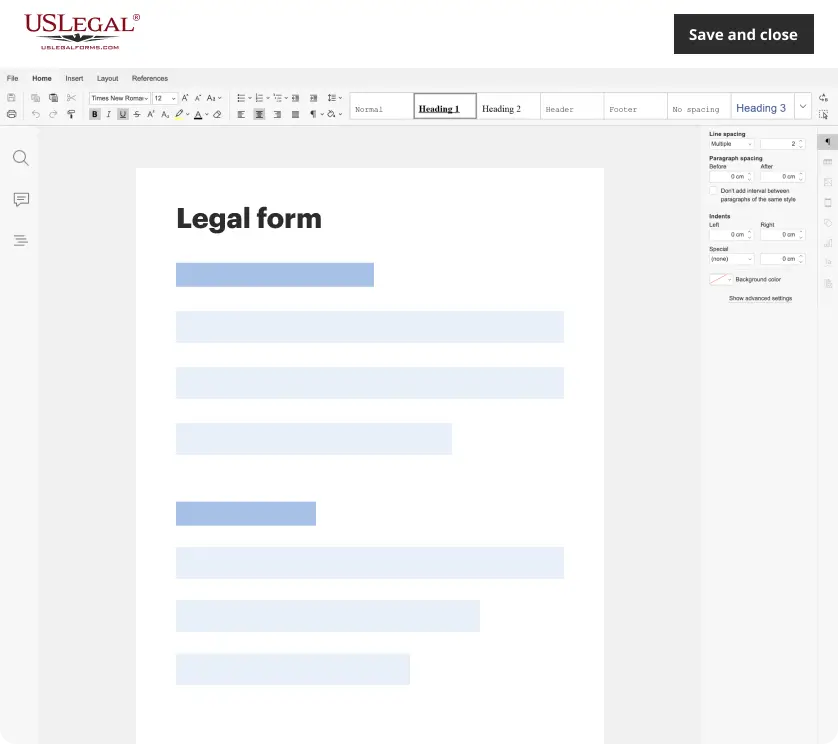
Make edits, fill in missing information, and update formatting in US Legal Forms—just like you would in MS Word.
Download a copy, print it, send it by email, or mail it via USPS—whatever works best for your next step.
Sign and collect signatures with our SignNow integration. Send to multiple recipients, set reminders, and more. Go Premium to unlock E-Sign.
If this form requires notarization, complete it online through a secure video call—no need to meet a notary in person or wait for an appointment.
We protect your documents and personal data by following strict security and privacy standards.
Looking for another form?
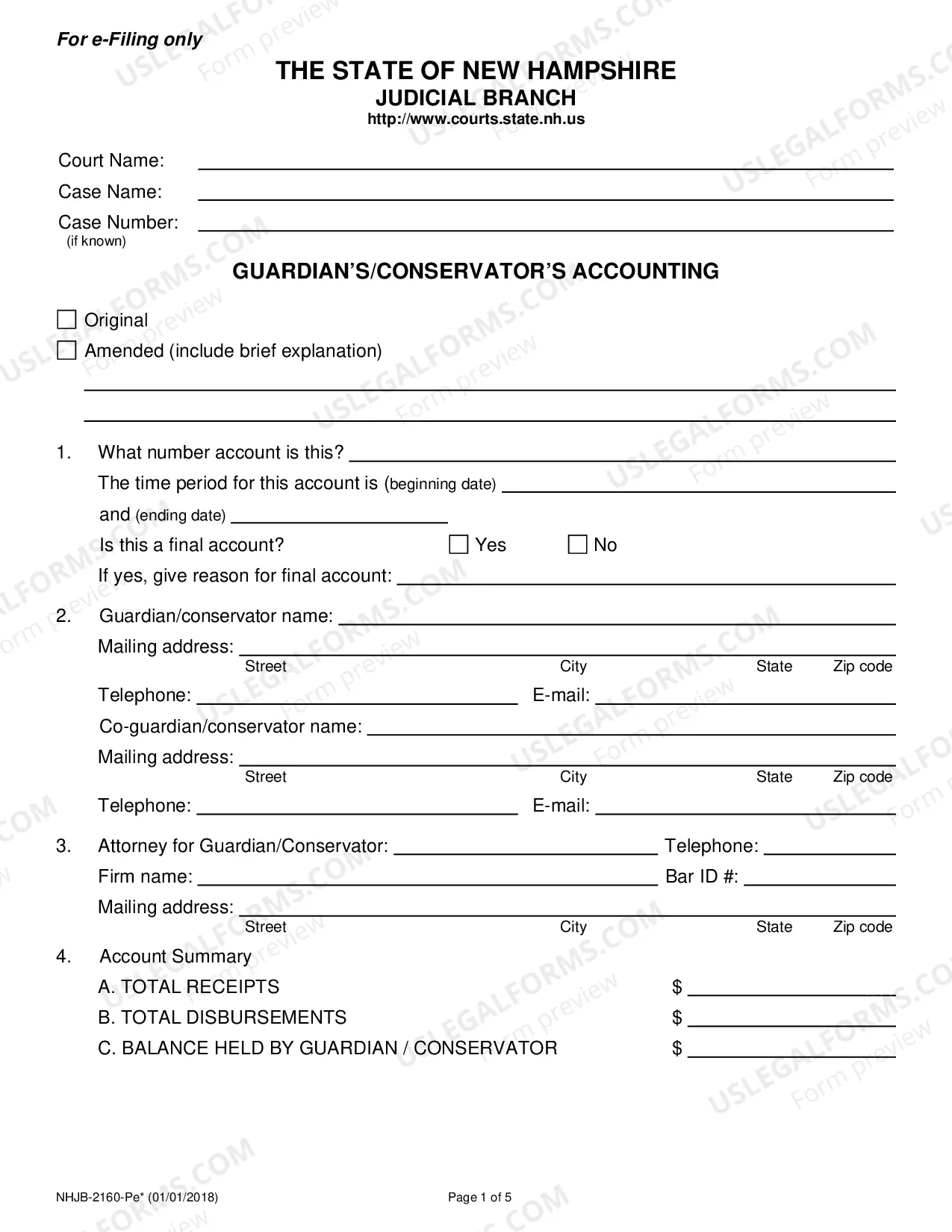
Form popularity
FAQ
Ing to the Supreme Court, the jury-trial right applies only when "serious" offenses are at hand—petty offenses don't invoke it. For purposes of this right, a serious offense is one that carries a potential sentence of more than six months' imprisonment.
The most common techniques of alternative dispute resolution include the Minitrial, Arbitration, the Summary Jury Trial, the Rent-a-Judge program, Voluntary Settlement Conferences and Private Organizations established to assist in dispute resolution.
What are alternate jurors? Sometimes, when the judge believes a case is likely to last for more than a day or 2, additional jurors will be chosen from those summoned for jury duty, questioned and challenged like other prospective jurors.
Alternative dispute resolution (ADR) refers to the different ways people can resolve disputes without a trial. Common ADR processes include mediation, arbitration, and neutral evaluation. These processes are generally confidential, less formal, and less stressful than traditional court proceedings.
Even on claims for which a right to a jury trial exists, the parties in a federal case may elect to proceed with a bench trial. For example, parties may contractually agree to waive a jury trial before any dispute arises.
Bench trials are held each day of the week and all cases set on the bench trial docket may be heard the day they are set. The States Attorney Office cannot advise persons on which type of trial they should choose. Clearly, however, a bench trial can be set and heard more quickly than a jury trial. 12.
Alternative Dispute Resolution (ADR) ADR is usually less formal, less expensive, and less time-consuming than a trial. ADR can also give people more opportunity to determine when and how their dispute will be resolved. Learn more about ADR programs available in the trial courts.
Any party may demand a trial by jury of any issue triable of right by a jury by (1) serving upon the other parties a demand therefor in writing at any time after the commencement of the action and not later than 10 days after the service of the last pleading directed to such issue, and (2) filing the demand as required ...
Felonies, being the more serious category of crime, almost always qualify for a jury trial due to the potential for severe penalties, including lengthy prison sentences. Misdemeanors, while still serious, often carry less severe punishments and, as a result, may not always necessitate a jury trial.
The most common techniques of alternative dispute resolution include the Minitrial, Arbitration, the Summary Jury Trial, the Rent-a-Judge program, Voluntary Settlement Conferences and Private Organizations established to assist in dispute resolution.