Jury Trial Demand Sample With Replacement In Harris
Description

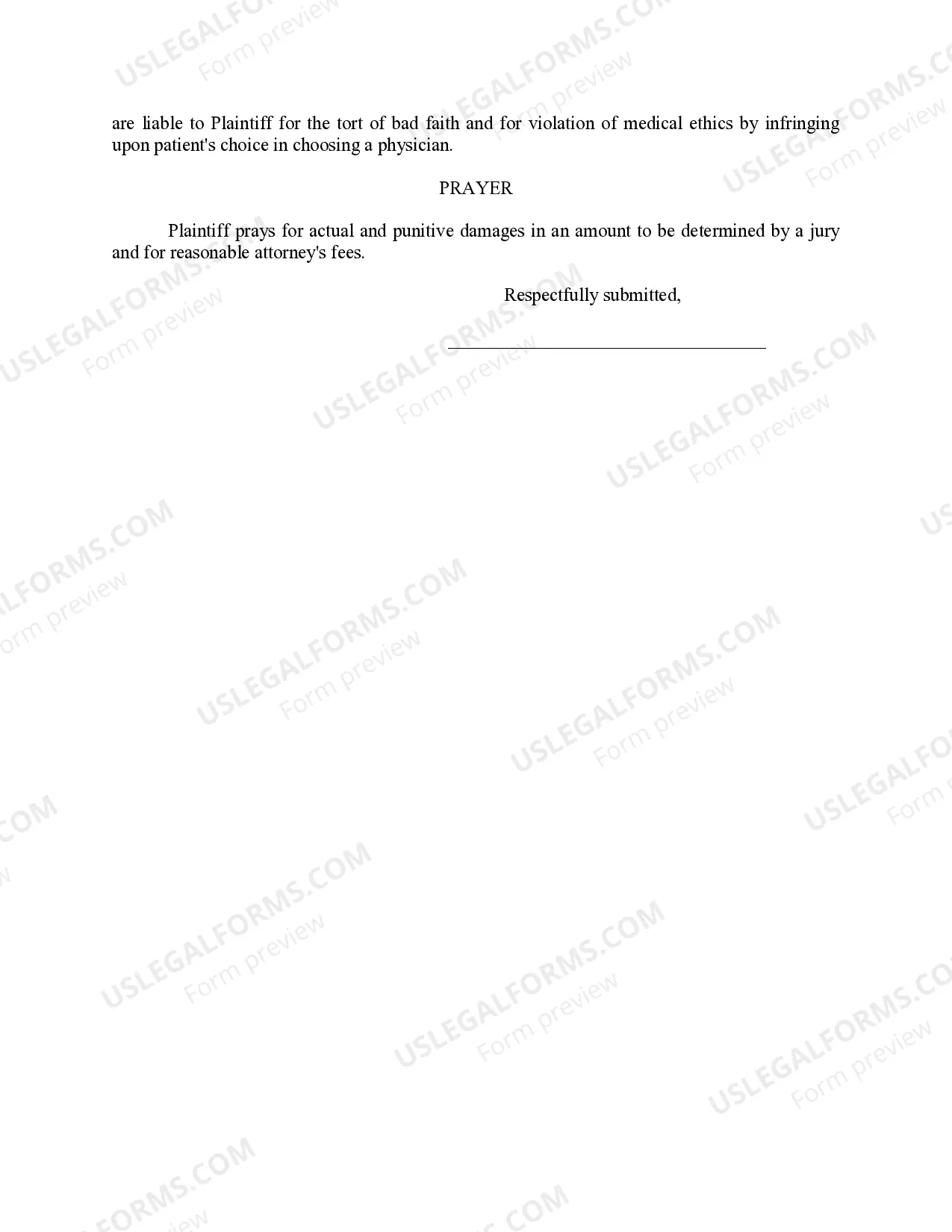




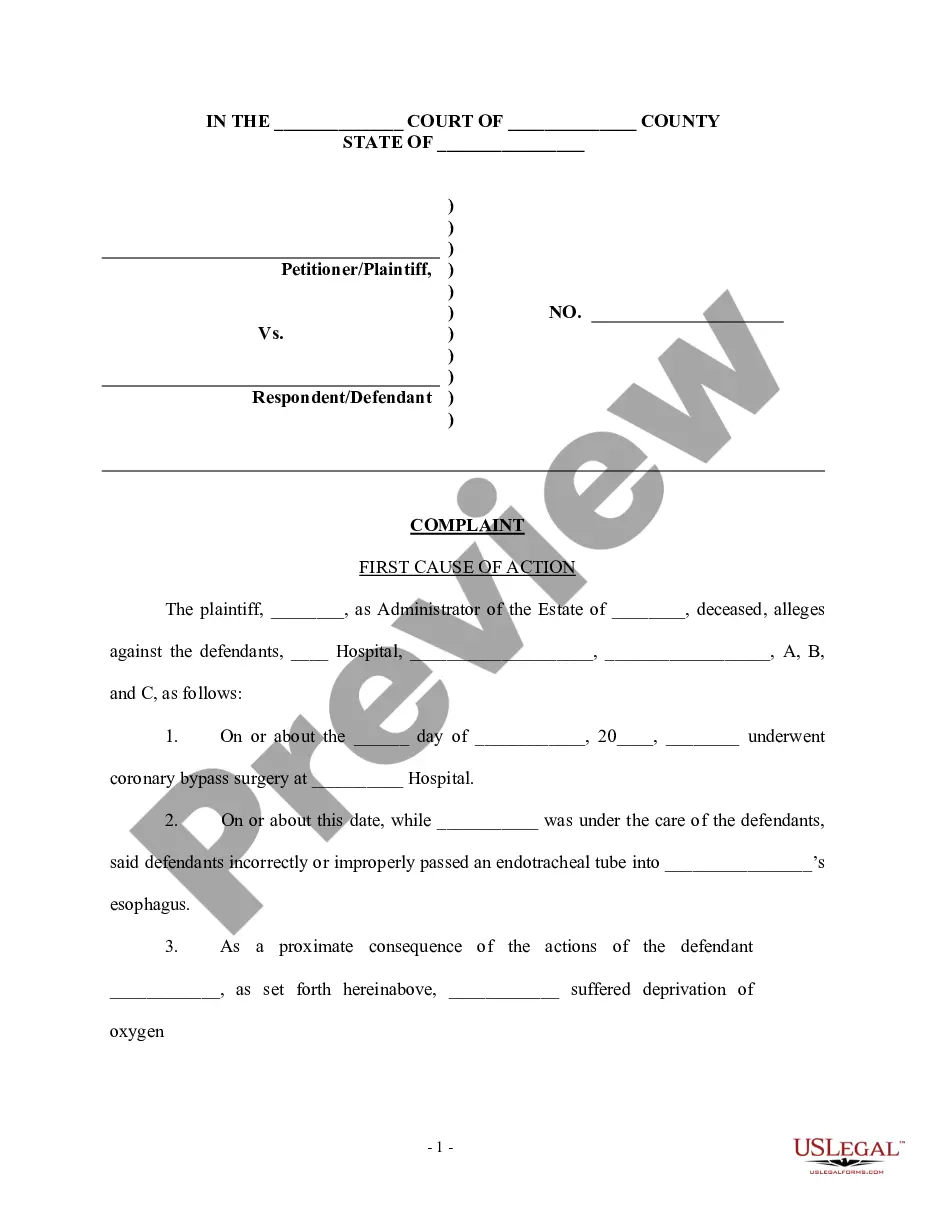
Get your form ready online
Our built-in tools help you complete, sign, share, and store your documents in one place.
Make edits, fill in missing information, and update formatting in US Legal Forms—just like you would in MS Word.
Download a copy, print it, send it by email, or mail it via USPS—whatever works best for your next step.
Sign and collect signatures with our SignNow integration. Send to multiple recipients, set reminders, and more. Go Premium to unlock E-Sign.
If this form requires notarization, complete it online through a secure video call—no need to meet a notary in person or wait for an appointment.
We protect your documents and personal data by following strict security and privacy standards.

Make edits, fill in missing information, and update formatting in US Legal Forms—just like you would in MS Word.

Download a copy, print it, send it by email, or mail it via USPS—whatever works best for your next step.

Sign and collect signatures with our SignNow integration. Send to multiple recipients, set reminders, and more. Go Premium to unlock E-Sign.

If this form requires notarization, complete it online through a secure video call—no need to meet a notary in person or wait for an appointment.

We protect your documents and personal data by following strict security and privacy standards.
Looking for another form?







Form popularity
FAQ
T.R.C.P. 504.1: JURY TRIAL DEMANDED FOR CIVIL Any party may file a written demand for a trial by jury which must be filed no later than 14 days before the date a case is set for trial. If the demand is not timely, the right to a jury is waived unless the late filing is excused by the judge for good cause.
Rule 47: Claims for relief – the $100,000 categories replaced with $250,000 categoriesConsistent with the change to Rule 169, the Texas Rules of Civil Procedure no longer distinguish between suits for less than $100,000 from suits for less than $250,000.
176.5 Service. (a) Manner of service. A subpoena may be served at any place within the State of Texas by any sheriff or constable of the State of Texas, or any person who is not a party and is 18 years of age or older.
Rule 192.3. Scope of Discovery (1999) (a) Generally. In general, a party may obtain discovery regarding any matter that is not privileged and is relevant to the subject matter of the pending action, whether it relates to the claim or defense of the party seeking discovery or the claim or defense of any other party.