Jury Trial Form With Motion In Georgia
Description





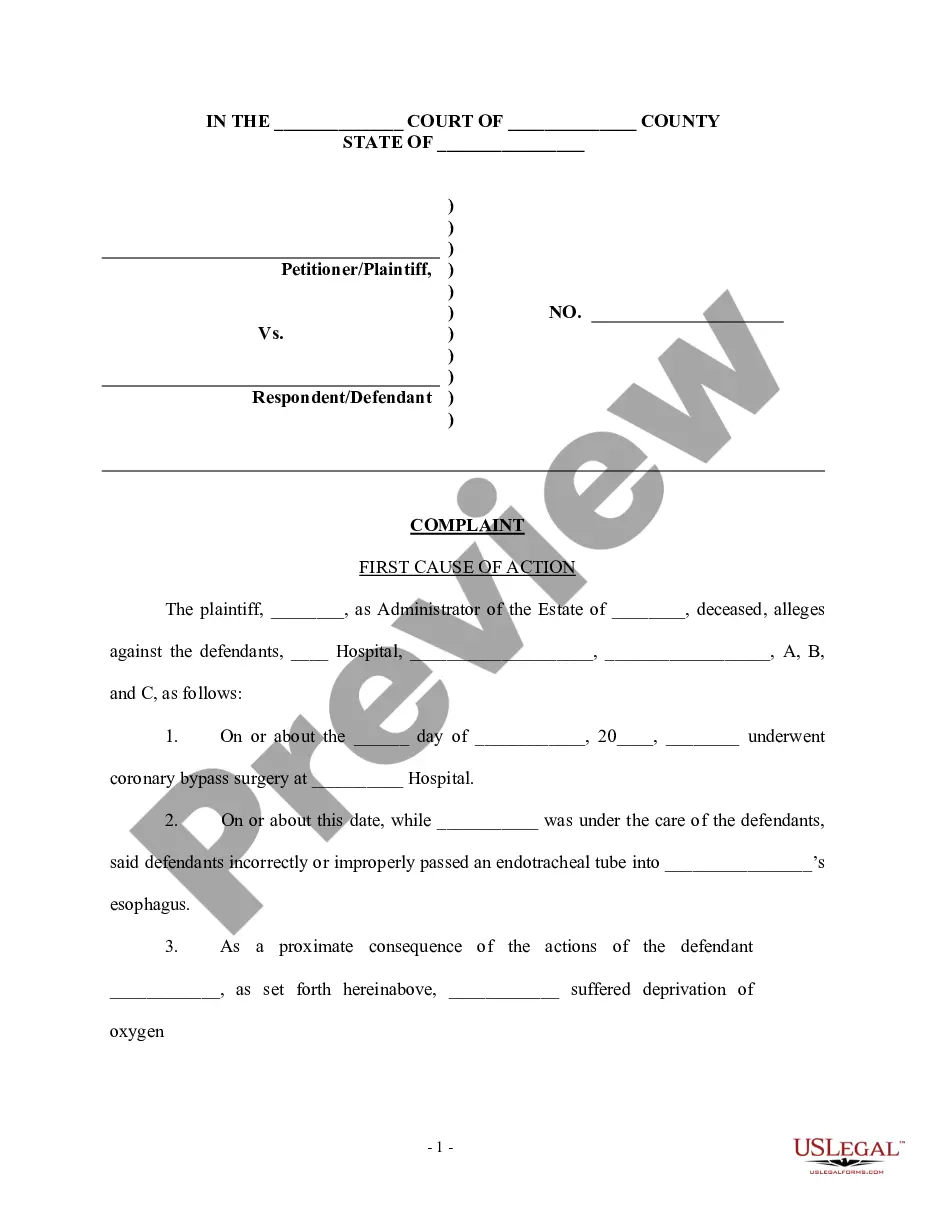
Get your form ready online
Our built-in tools help you complete, sign, share, and store your documents in one place.
Make edits, fill in missing information, and update formatting in US Legal Forms—just like you would in MS Word.
Download a copy, print it, send it by email, or mail it via USPS—whatever works best for your next step.
Sign and collect signatures with our SignNow integration. Send to multiple recipients, set reminders, and more. Go Premium to unlock E-Sign.
If this form requires notarization, complete it online through a secure video call—no need to meet a notary in person or wait for an appointment.
We protect your documents and personal data by following strict security and privacy standards.

Make edits, fill in missing information, and update formatting in US Legal Forms—just like you would in MS Word.

Download a copy, print it, send it by email, or mail it via USPS—whatever works best for your next step.

Sign and collect signatures with our SignNow integration. Send to multiple recipients, set reminders, and more. Go Premium to unlock E-Sign.

If this form requires notarization, complete it online through a secure video call—no need to meet a notary in person or wait for an appointment.

We protect your documents and personal data by following strict security and privacy standards.
Looking for another form?
Form popularity
FAQ
If you want to file a motion, the process is generally something like this: You write your motion. You file your motion with the court clerk. The court clerk inserts the date and time your motion will be heard by the judge. You “serve” (mail) your motion to the other side.
The right to a jury trial must be asserted by a written demand within thirty (30) days after the filing of the first pleading of the party or within fifteen (15) days after the filing of the first pleading of an opposing party, whichever is later, except that with respect to a petition pursuant to OCGA §§ 29-4-10 and ...
If you want to file a motion, the process is generally something like this: You write your motion. You file your motion with the court clerk. The court clerk inserts the date and time your motion will be heard by the judge. You “serve” (mail) your motion to the other side.
If you see a potential for a motion to dismiss, this is an opportunity to inform the client how much legal expertise is necessary for such a filing. In other words, they will be facing a daunting challenge trying to represent themselves and will likely need an attorney more than ever.
The grounds for the motion are that the final judgment is inconsistent with the evidence presented during the trial and contrary to laws governing the issues contested in the trial.
A trial judge may allow a jury view. G.S. 15A-1229(a). Typically it is of a crime scene but it can involve viewing large evidence that cannot be presented in the courtroom, such as a vehicle.
If a motion is filed against you and you do not file a written opposition with the court, the judge could grant the other side's motion automatically. That means the other side could get whatever she is asking for in the motion. It also might mean you lose the case, depending on the motion that was filed.
(a) When a motion for a new trial is made after the expiration of a 30 day period from the entry of judgment, some good reason must be shown why the motion was not made during such period, which reason shall be judged by the court. In all such cases, 20 days' notice shall be given to the opposite party.
The Standard for Motion for New Trial: You have to show that the verdict is against the WEIGHT of the evidence. You're basically saying the judge or jury made a big mistake.