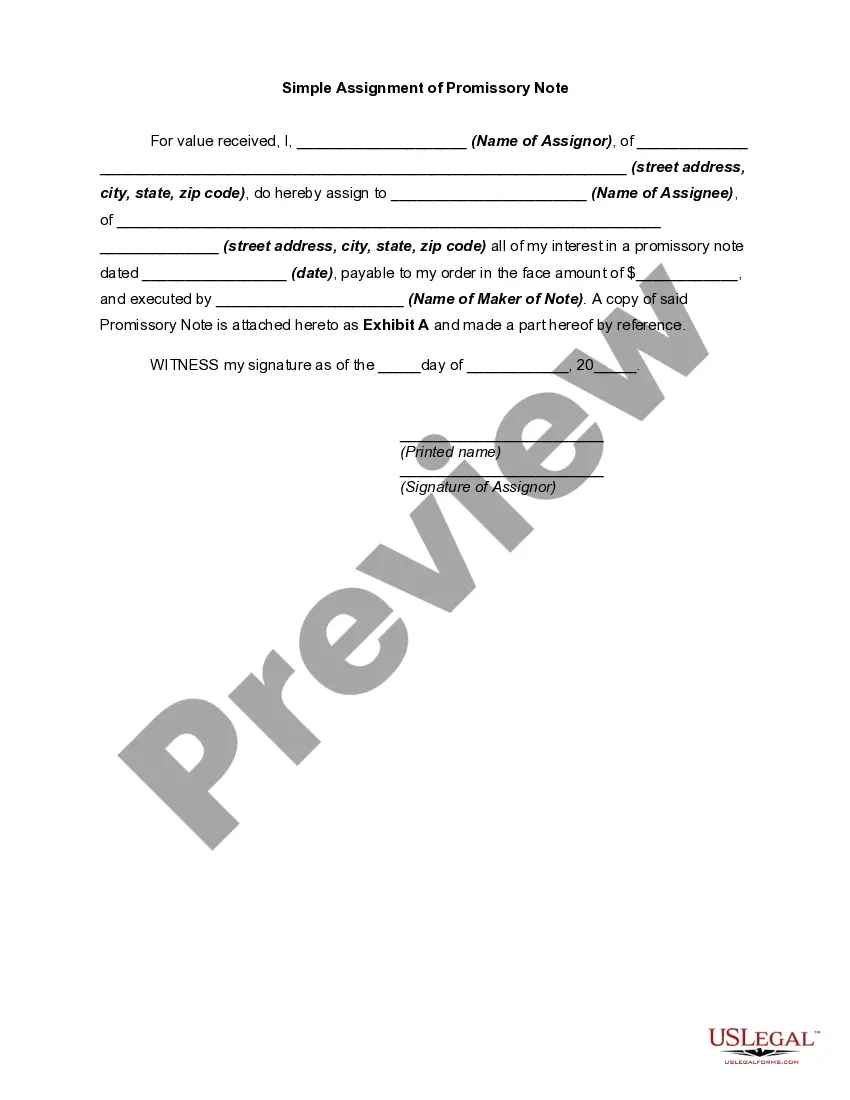
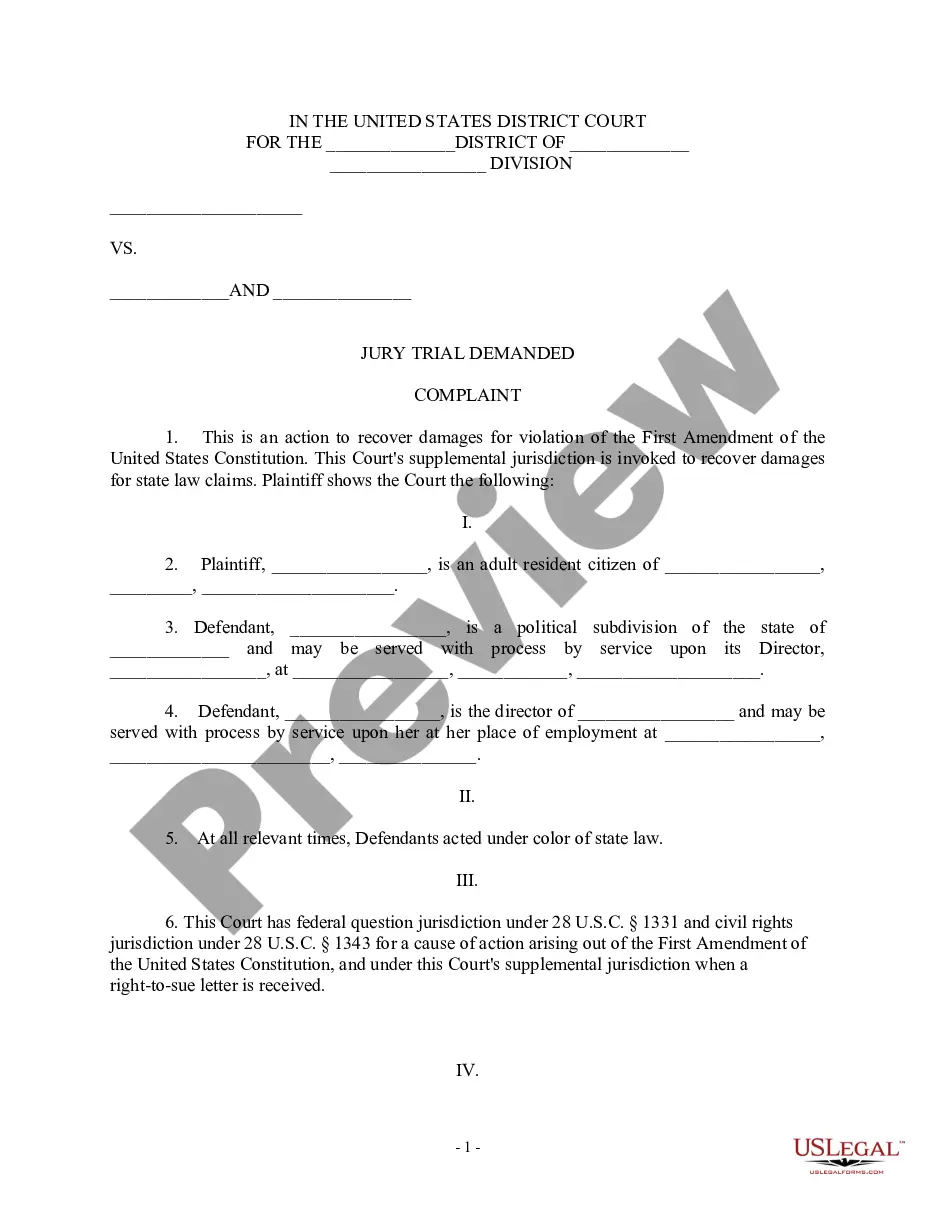
Jury Trial Form With Motion To Dismiss In Dallas
Description
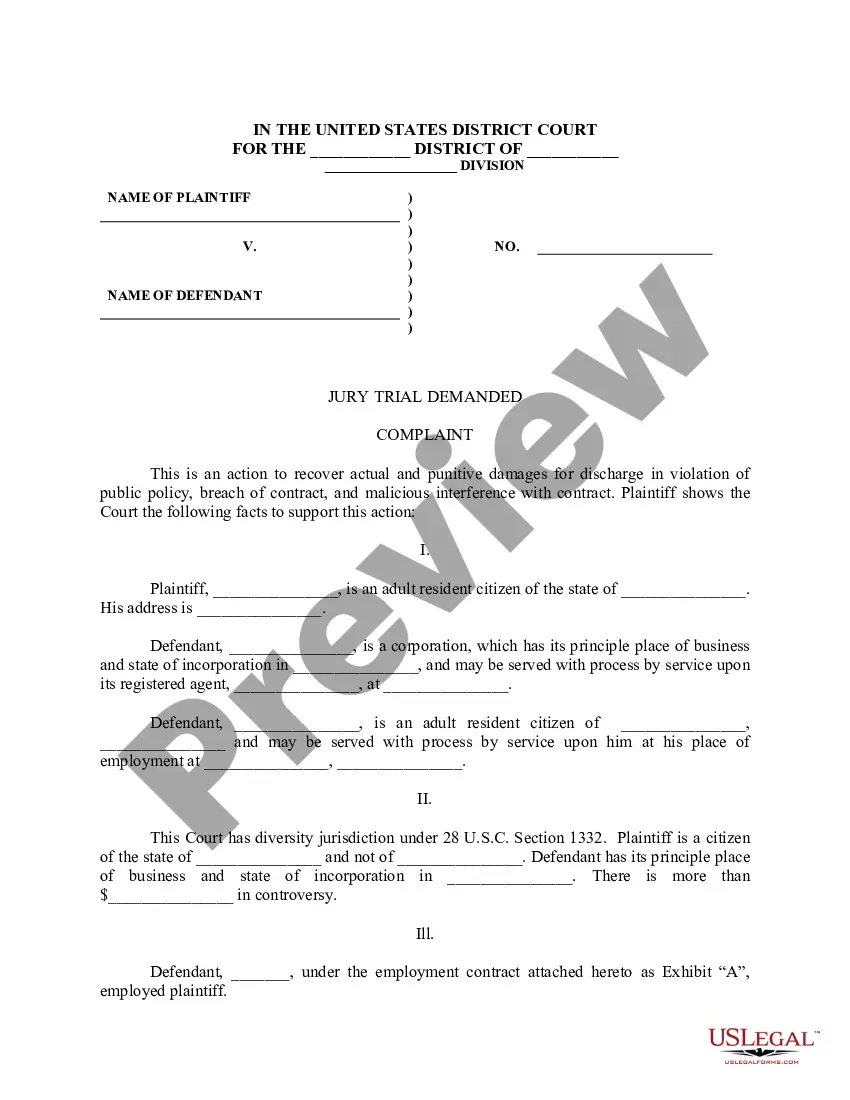
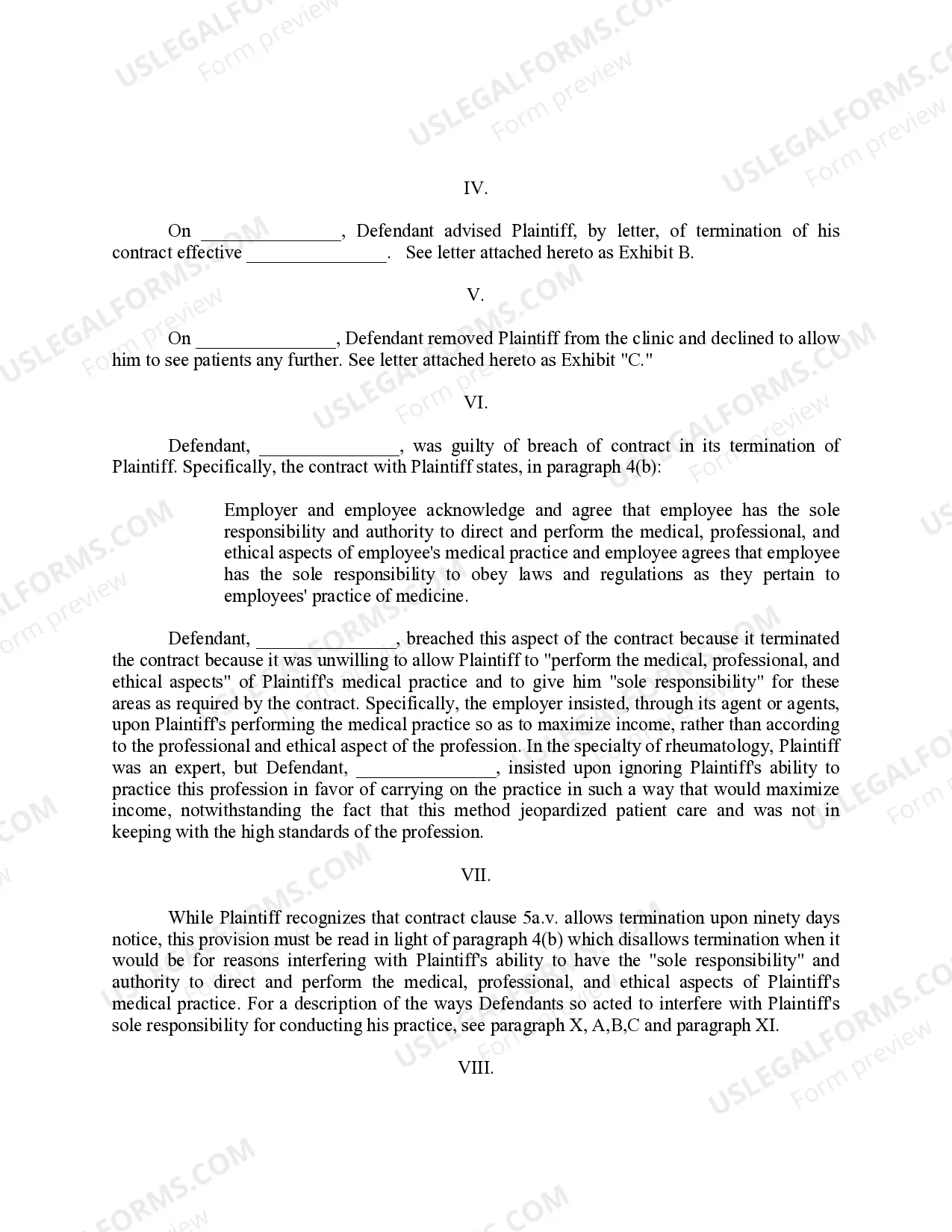
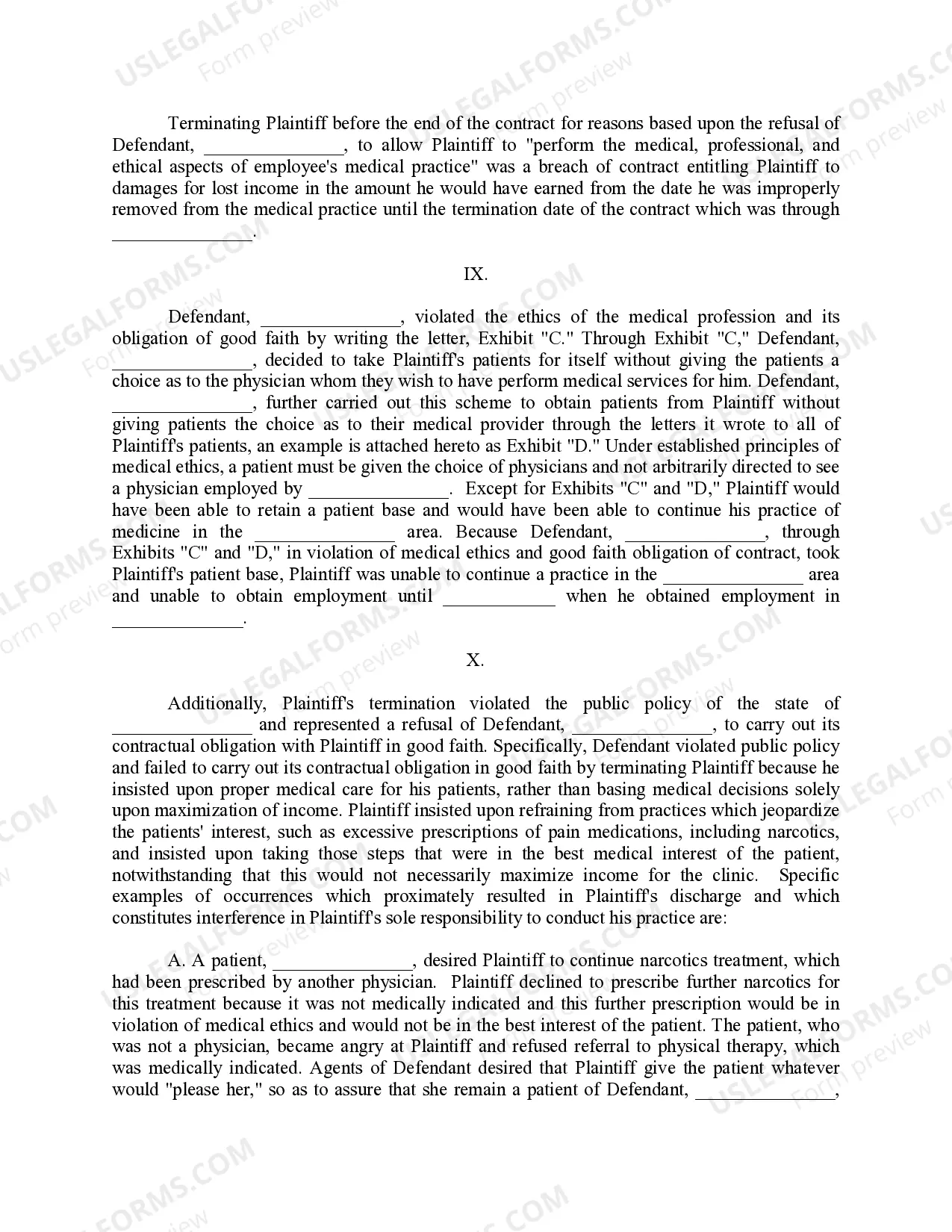
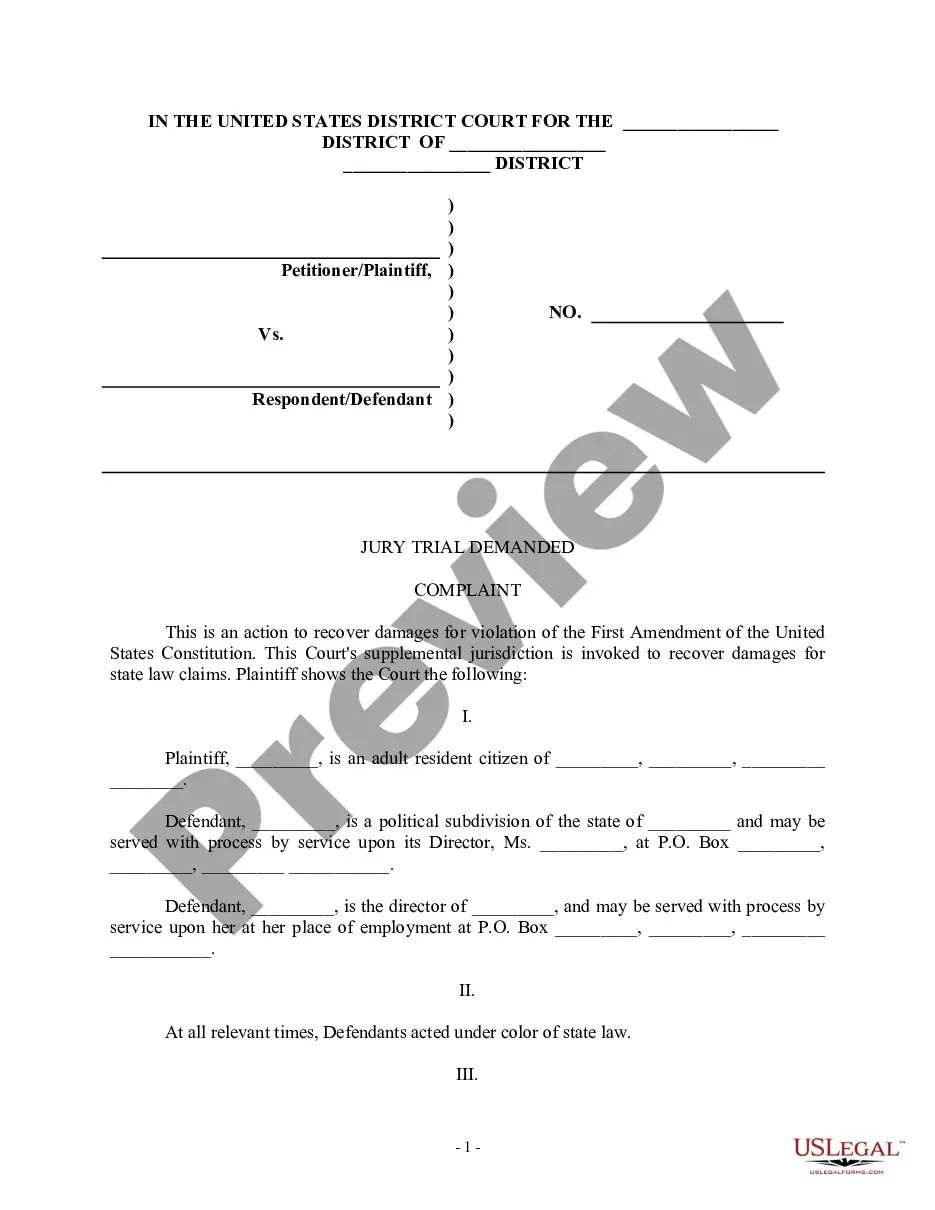
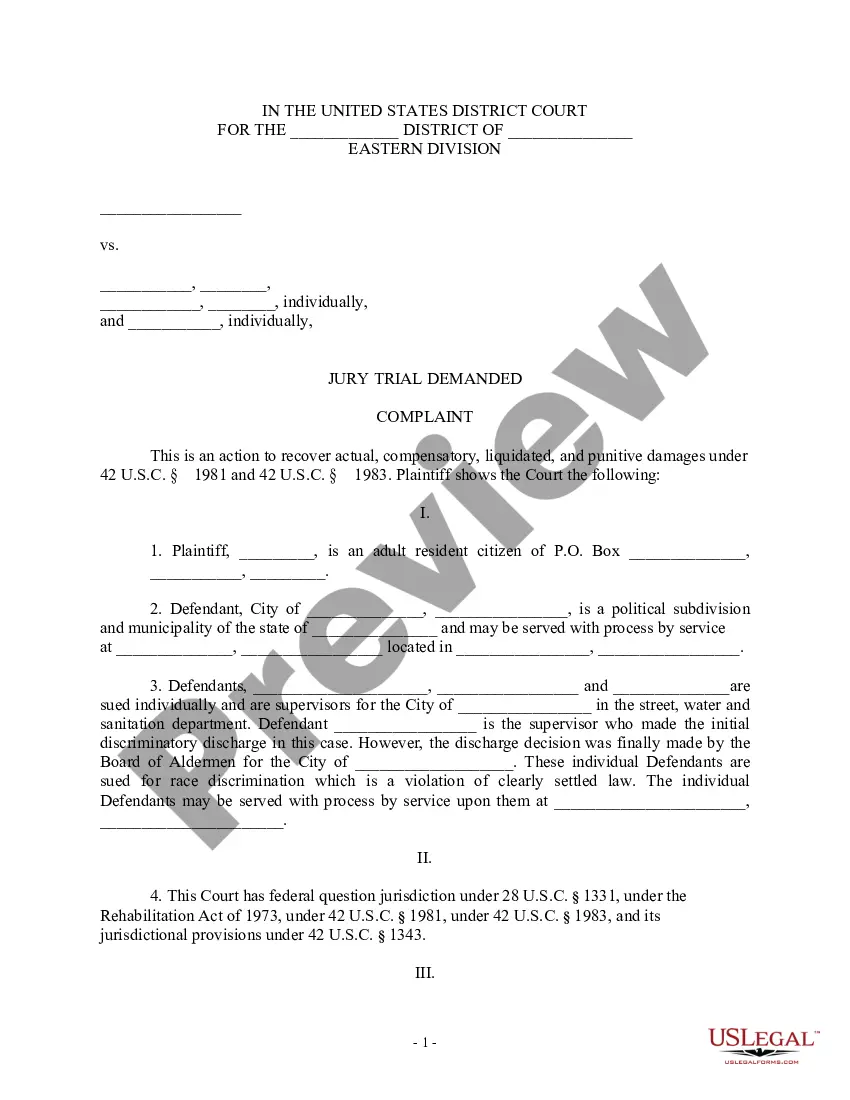
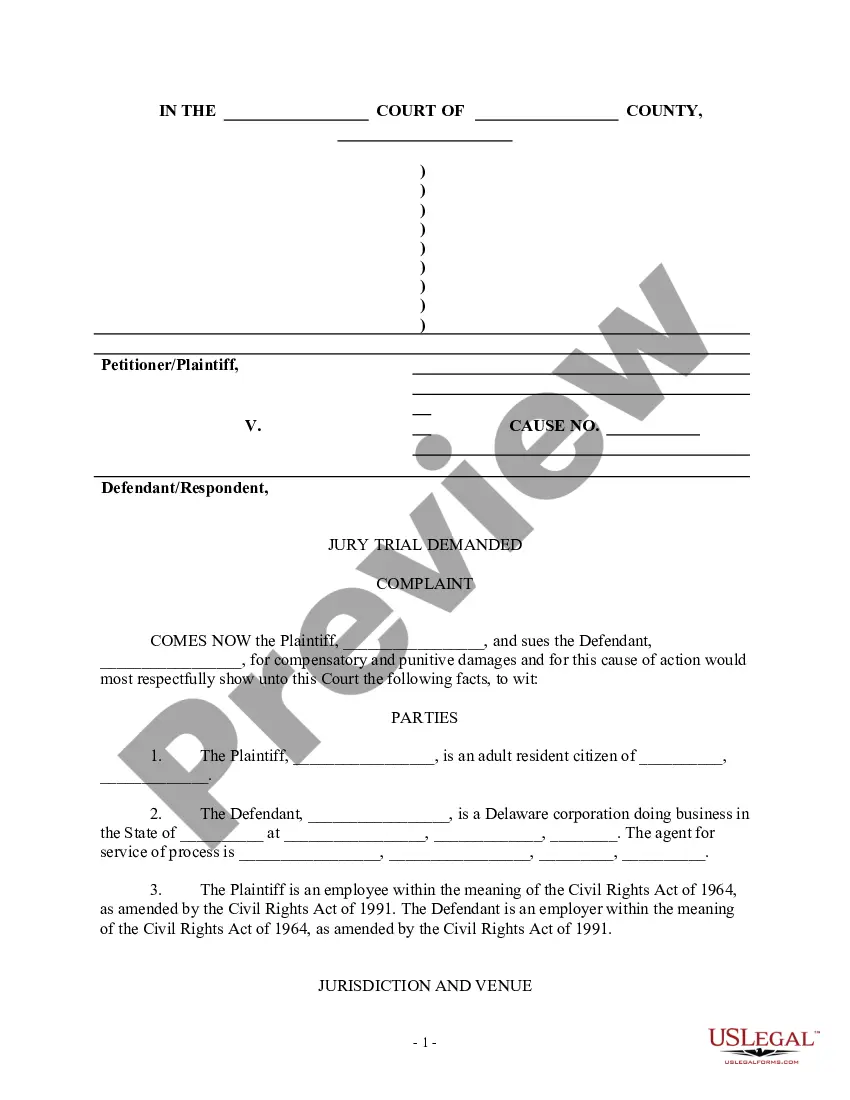
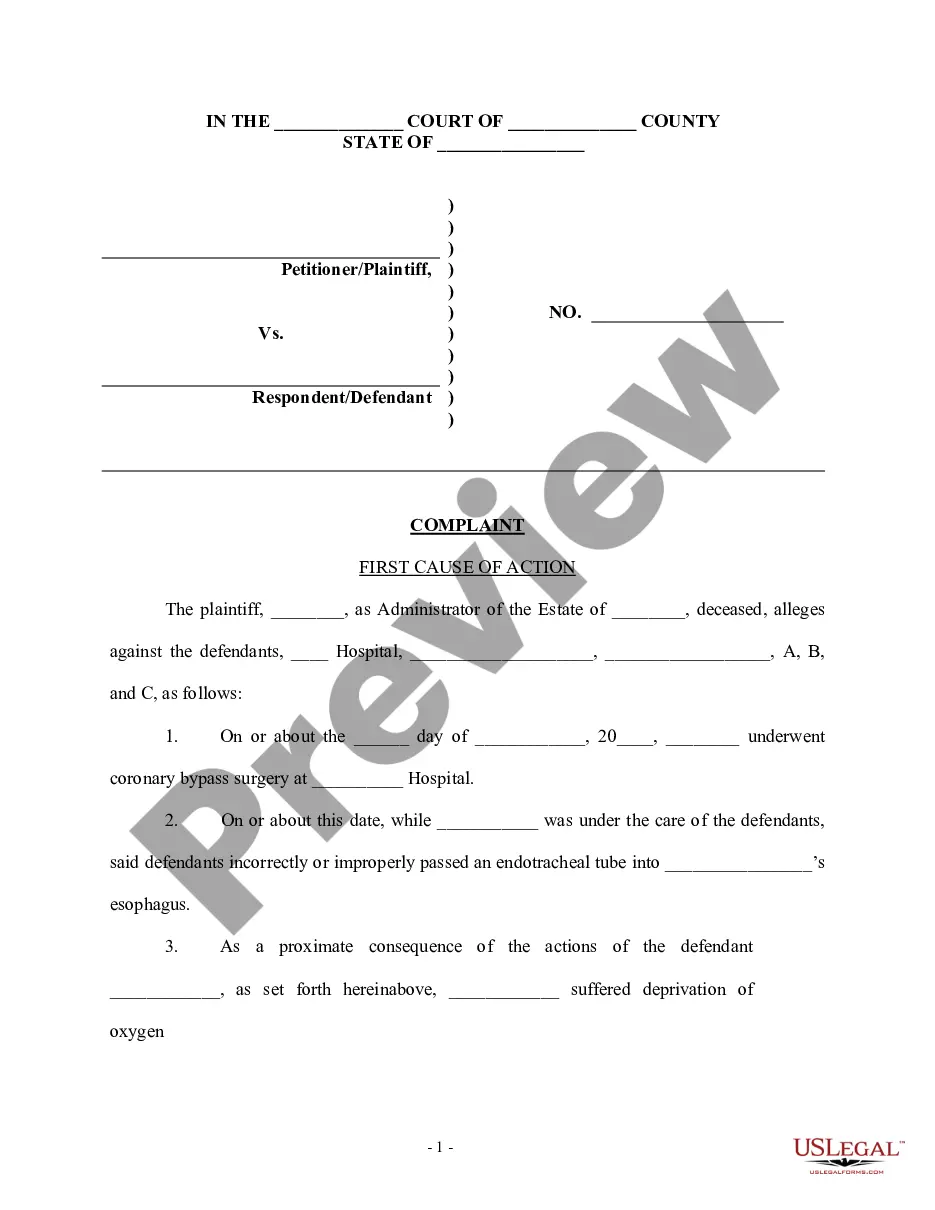
Get your form ready online
Our built-in tools help you complete, sign, share, and store your documents in one place.
Make edits, fill in missing information, and update formatting in US Legal Forms—just like you would in MS Word.
Download a copy, print it, send it by email, or mail it via USPS—whatever works best for your next step.
Sign and collect signatures with our SignNow integration. Send to multiple recipients, set reminders, and more. Go Premium to unlock E-Sign.
If this form requires notarization, complete it online through a secure video call—no need to meet a notary in person or wait for an appointment.
We protect your documents and personal data by following strict security and privacy standards.

Make edits, fill in missing information, and update formatting in US Legal Forms—just like you would in MS Word.

Download a copy, print it, send it by email, or mail it via USPS—whatever works best for your next step.

Sign and collect signatures with our SignNow integration. Send to multiple recipients, set reminders, and more. Go Premium to unlock E-Sign.

If this form requires notarization, complete it online through a secure video call—no need to meet a notary in person or wait for an appointment.

We protect your documents and personal data by following strict security and privacy standards.
Looking for another form?



Form popularity
FAQ
To defend against a motion to dismiss for lack of personal jurisdiction, you should be prepared to show the judge that the other party has had “contact” with the state where you have filed the case, s/he was served in the state, or there is some other reason why the court has jurisdiction.
Common Grounds for Filing a Motion to Dismiss. Lack of Subject Matter Jurisdiction. Lack of Personal Jurisdiction. Improper Venue. Insufficient Service of Process.
To defend against a motion to dismiss for lack of personal jurisdiction, you should be prepared to show the judge that the other party has had “contact” with the state where you have filed the case, s/he was served in the state, or there is some other reason why the court has jurisdiction.
A motion to dismiss must state that it is made pursuant to this rule, must identify each cause of action to which it is addressed, and must state specifically the reasons the cause of action has no basis in law, no basis in fact, or both. 91a. 3 Time for Motion and Ruling.
A motion to dismiss is a motion filed on behalf of a defendant asking the court to dismiss the plaintiff's case. Alternatively, the motion could seek dismissal of one or more causes of action alleged in the complaint.
How do I fill this out? Review the form to understand the required sections. Fill in the plaintiff and defendant details accurately. Select the reason for dismissal from the listed options. Ensure the motion is signed by the plaintiff or their attorney. Print the completed forms and bring them to court.
Defendants may move to dismiss on the following grounds: Lack of subject matter jurisdiction (FRCP 12(b)(1)Opens in a new window). Lack of personal jurisdiction (FRCP 12(b)(2)Opens in a new window). Improper venue (FRCP 12(b)(3)Opens in a new window).
To oppose dismissal, you should research and draft a “motion in opposition.” Then you must file it with the court and potentially argue the motion before a judge.
Sometimes, the Judge makes a decision right away. If not, the Judge has 60 days by law to decide the motion.
A motion to dismiss must state that it is made pursuant to this rule, must identify each cause of action to which it is addressed, and must state specifically the reasons the cause of action has no basis in law, no basis in fact, or both. 91a. 3 Time for Motion and Ruling.