Demand For Jury Trial Florida In Cook
Description

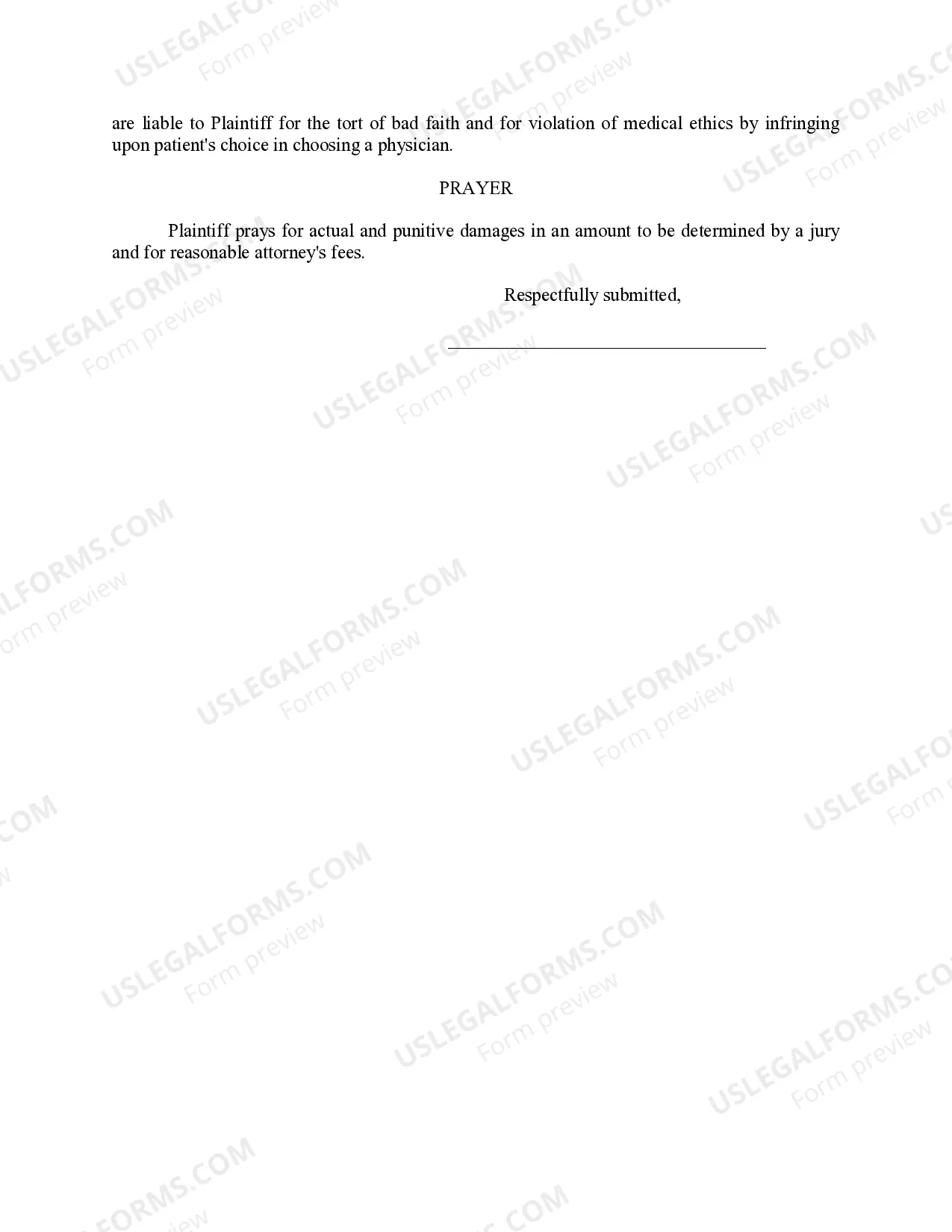




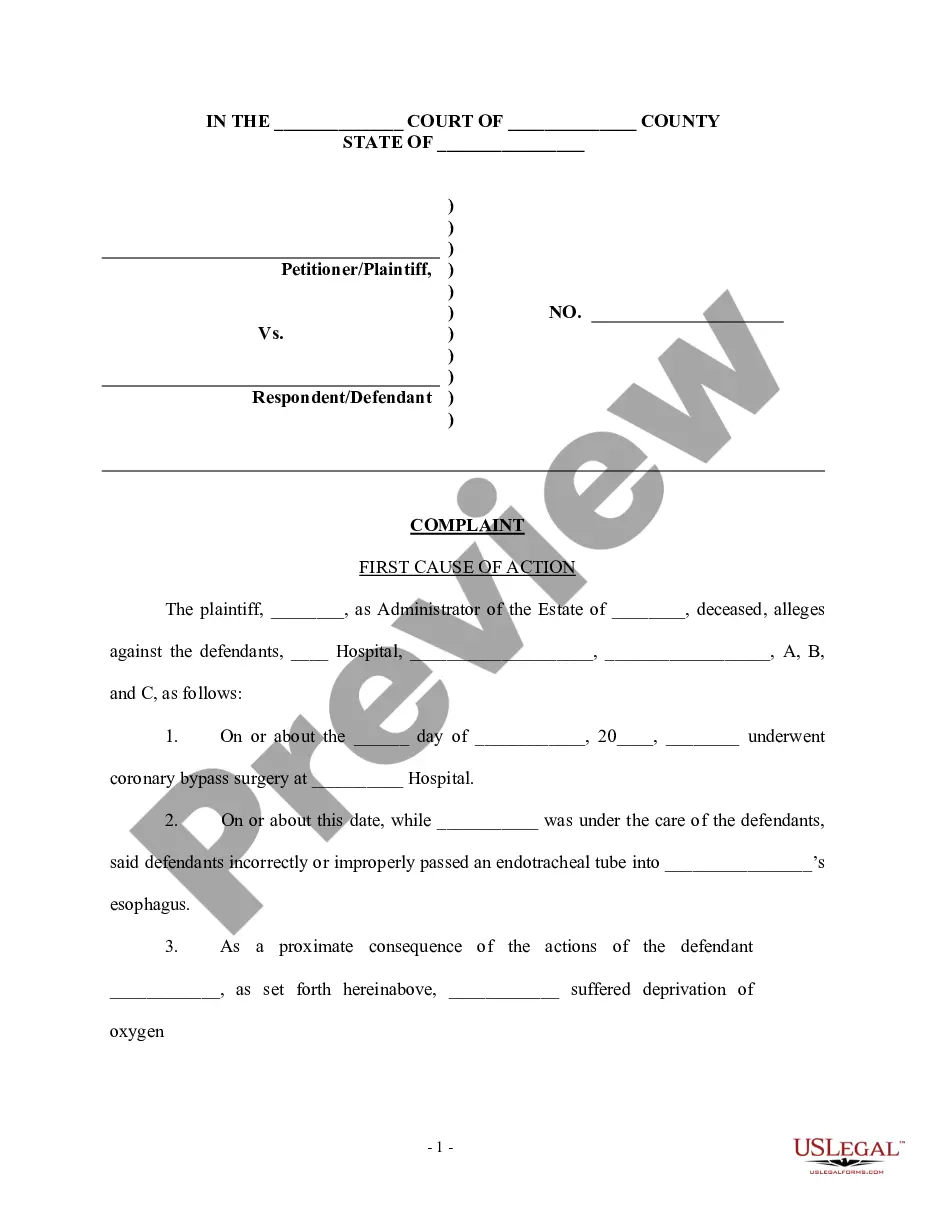
Get your form ready online
Our built-in tools help you complete, sign, share, and store your documents in one place.
Make edits, fill in missing information, and update formatting in US Legal Forms—just like you would in MS Word.
Download a copy, print it, send it by email, or mail it via USPS—whatever works best for your next step.
Sign and collect signatures with our SignNow integration. Send to multiple recipients, set reminders, and more. Go Premium to unlock E-Sign.
If this form requires notarization, complete it online through a secure video call—no need to meet a notary in person or wait for an appointment.
We protect your documents and personal data by following strict security and privacy standards.

Make edits, fill in missing information, and update formatting in US Legal Forms—just like you would in MS Word.

Download a copy, print it, send it by email, or mail it via USPS—whatever works best for your next step.

Sign and collect signatures with our SignNow integration. Send to multiple recipients, set reminders, and more. Go Premium to unlock E-Sign.

If this form requires notarization, complete it online through a secure video call—no need to meet a notary in person or wait for an appointment.

We protect your documents and personal data by following strict security and privacy standards.
Looking for another form?
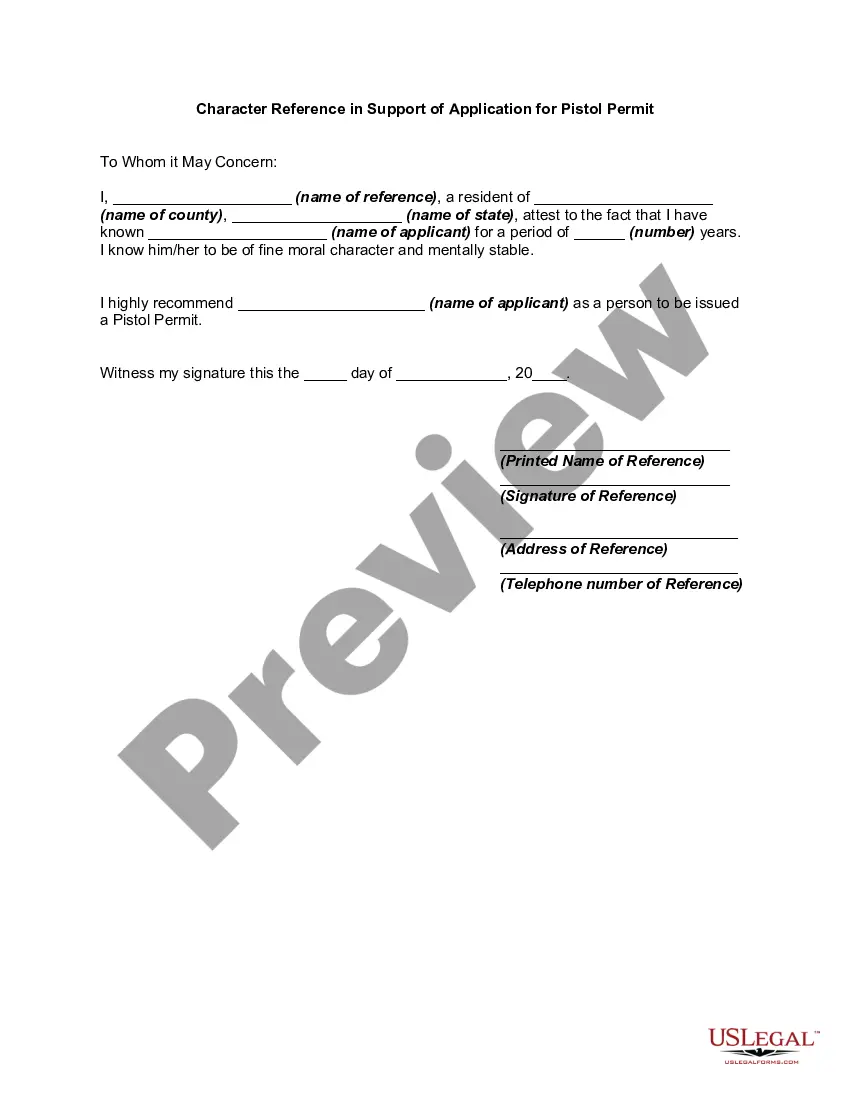
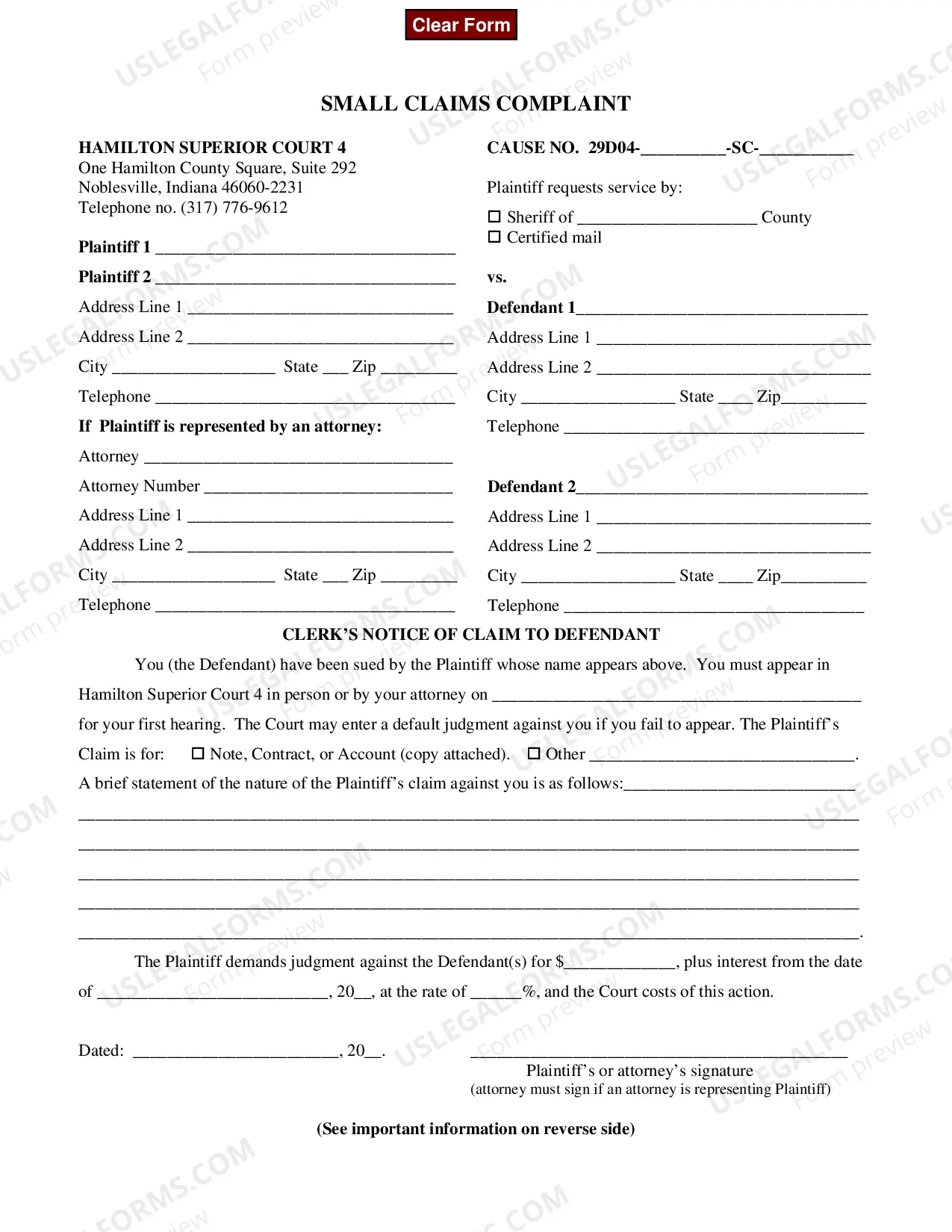





Form popularity
FAQ
Any party may demand a trial by jury of any issue triable of right by a jury by (1) serving upon the other parties a demand therefor in writing at any time after the commencement of the action and not later than 10 days after the service of the last pleading directed to such issue, and (2) filing the demand as required ...
At a defendant's arraignment, if they enter a "not guilty" plea, there will be several pretrial trial proceedings designed to resolve the case. If a plea bargain is not reached, then the case will proceed to trial.
Serious Offenses Only ing to the Supreme Court, the jury-trial right applies only when "serious" offenses are at hand—petty offenses don't invoke it. For purposes of this right, a serious offense is one that carries a potential sentence of more than six months' imprisonment.
Defendants generally trust that a jury will acquit or render a not guilty verdict more often (than a judge). The O.J. trial certainly validated this belief. Both the defendant and the People have the right to a jury trial in misdemeanor and felony trials (California Constitution, Article I, § 16 and Penal Code § 699).
Any party may demand a trial by jury of any issue triable of right by a jury by (1) serving upon the other parties a demand therefor in writing at any time after the commencement of the action and not later than 10 days after the service of the last pleading directed to such issue, and (2) filing the demand as required ...
After completing jury service, you should NOT be called to serve again for a period of 12 months from the date you last served.
P. 3.260. A defendant may in writing waive a jury trial with the consent of the state.
This right is also preserved in Article I, Section 16 of the State Constitution of California. However, there may be times when it's in your best interest to waive your right to a jury trial, whether in favor of a bench trial, where a judge decides your verdict or as part of a plea deal.
P. 3.260. A defendant may in writing waive a jury trial with the consent of the state.
The grounds for a permanent excuse include: Persons 70 years of age or older; Persons having active care and custody of a child or children under 10 years of age whose health and/or safety would be jeopardized by their absence for jury service; Persons who are essential to the care of aged or infirm persons;