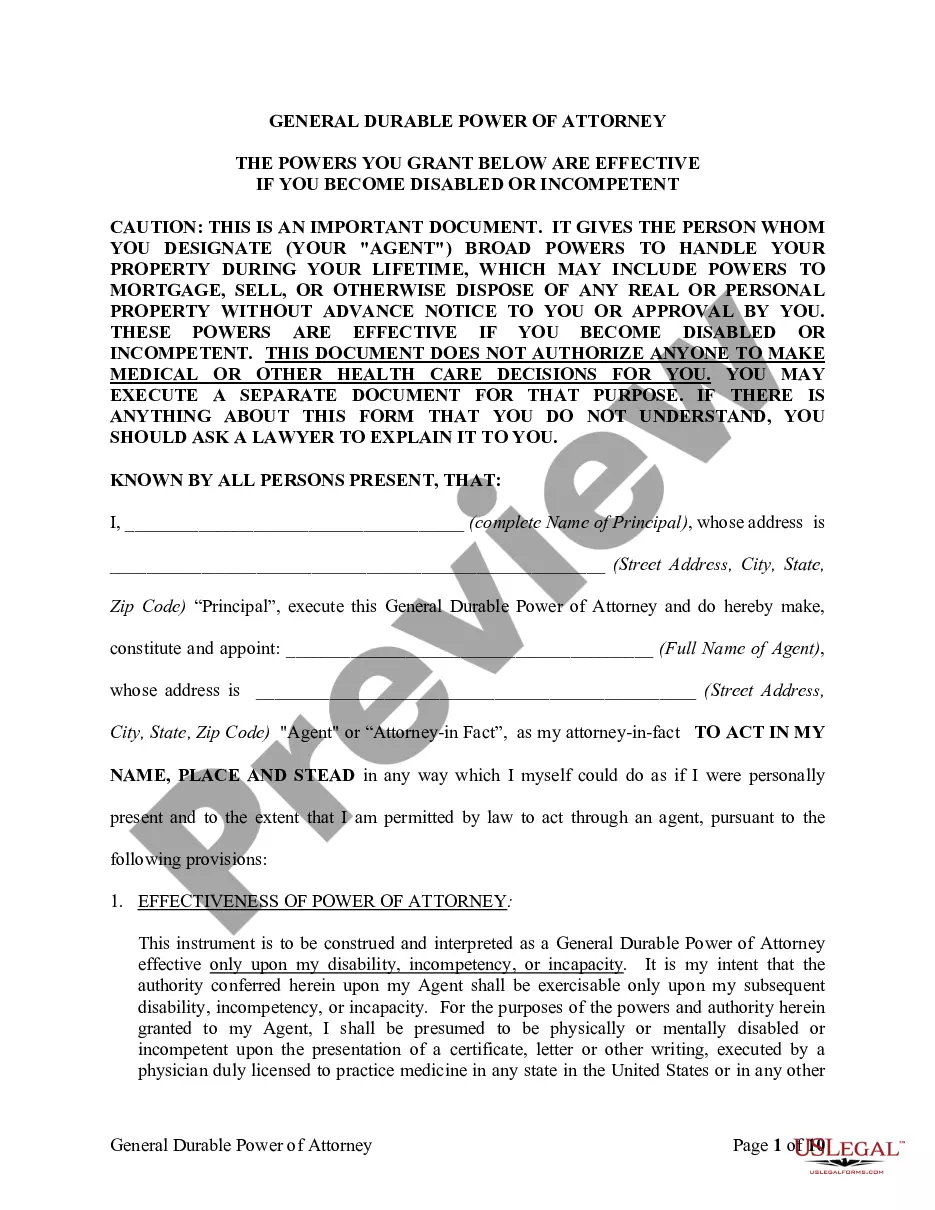
Jury Trial Form Without In Contra Costa
Description

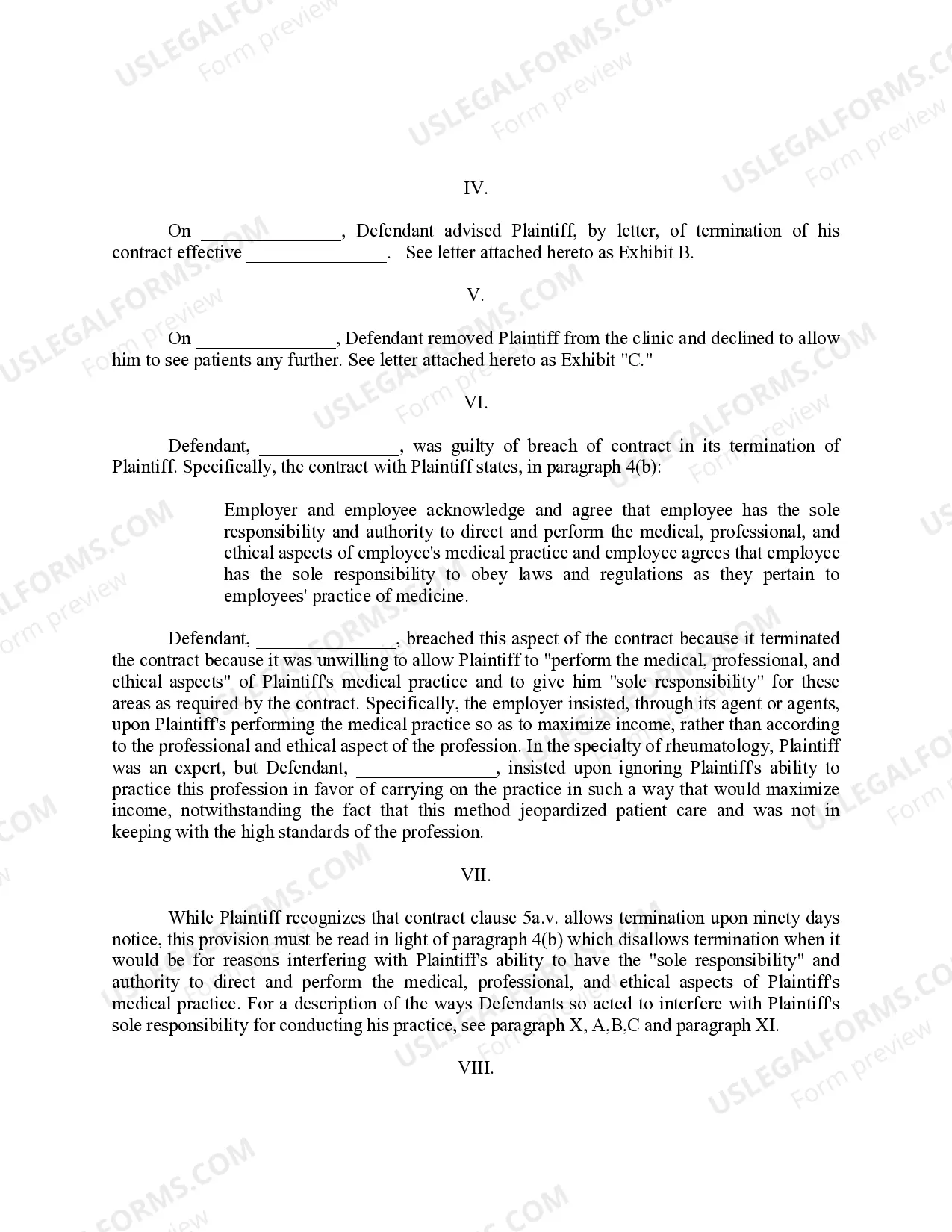
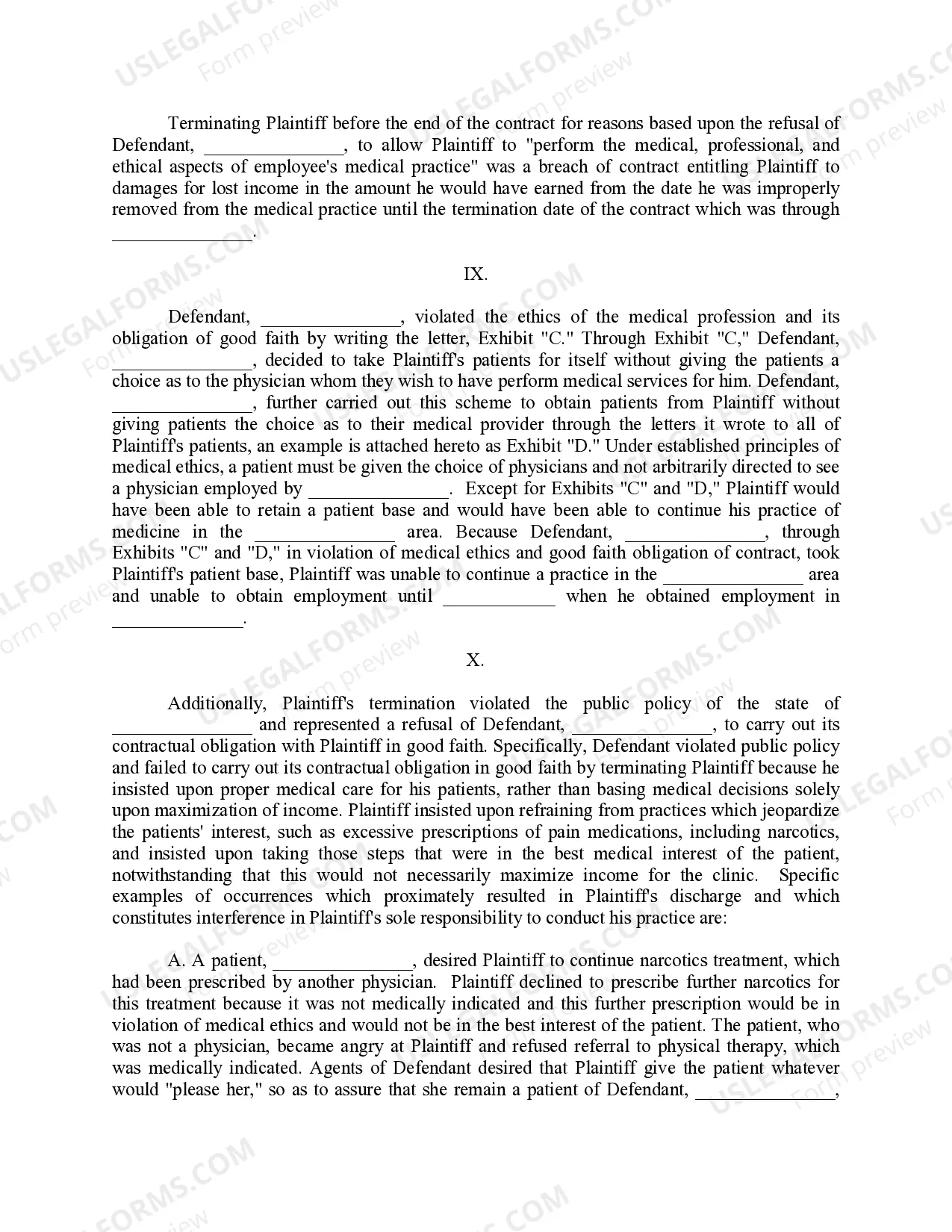
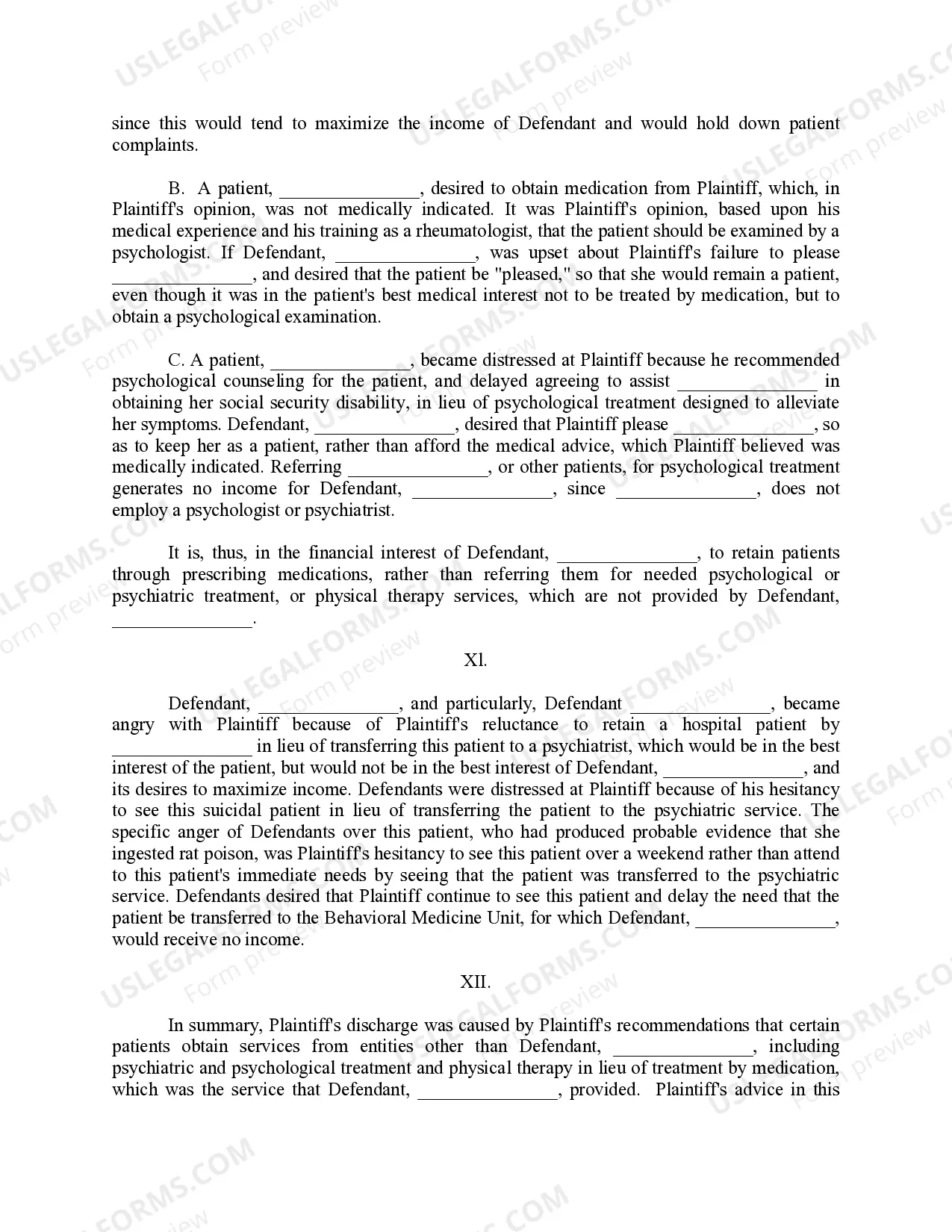




Get your form ready online
Our built-in tools help you complete, sign, share, and store your documents in one place.
Make edits, fill in missing information, and update formatting in US Legal Forms—just like you would in MS Word.
Download a copy, print it, send it by email, or mail it via USPS—whatever works best for your next step.
Sign and collect signatures with our SignNow integration. Send to multiple recipients, set reminders, and more. Go Premium to unlock E-Sign.
If this form requires notarization, complete it online through a secure video call—no need to meet a notary in person or wait for an appointment.
We protect your documents and personal data by following strict security and privacy standards.

Make edits, fill in missing information, and update formatting in US Legal Forms—just like you would in MS Word.

Download a copy, print it, send it by email, or mail it via USPS—whatever works best for your next step.

Sign and collect signatures with our SignNow integration. Send to multiple recipients, set reminders, and more. Go Premium to unlock E-Sign.

If this form requires notarization, complete it online through a secure video call—no need to meet a notary in person or wait for an appointment.

We protect your documents and personal data by following strict security and privacy standards.
Looking for another form?








Form popularity
FAQ
You must inform the court that you are not able to serve. Requests to be excused must be in writing and submitted to the Office of the Jury Commissioner prior to the prospective juror's service date.
The most common techniques of alternative dispute resolution include the Minitrial, Arbitration, the Summary Jury Trial, the Rent-a-Judge program, Voluntary Settlement Conferences and Private Organizations established to assist in dispute resolution.
You must inform the court that you are not able to serve. Requests to be excused must be in writing and submitted to the Office of the Jury Commissioner prior to the prospective juror's service date.
An excuse on the ground of undue hardship may be granted for any of the following reasons: (1) The prospective juror has no reasonably available means of public or private transportation to the court. (2) The prospective juror must travel an excessive distance.
How Can I Get Out of Jury Duty? Lack of transportation to and from the courthouse; You would have to travel an excessive distance to get to the courthouse; You have a mental or physical limitation or disability; You provide care for a dependent child or adult and are unable to find help to care for your dependent;
Q: What should I do if I lost my Jury Summons? A: Please contact the Office of the Jury Commissioner at 657-622-7000 to obtain your service instructions.
You may be excused if you have a serious health problem. If you are sick or injured, you may postpone your service or request an excuse. If you are disabled, you may request a permanent medical excuse. Follow the directions on the summons for postponement or excuse.
Failure to Appear You must report for jury service if you are qualified and you have not been excused or had your service postponed. Any person who fails to respond may be fined up to $1,500, incarcerated, or both. Carefully follow the instructions on the summons and contact the court if you need help.
There are various reasons why a defendant might consider waiving their right to a jury trial. For instance, they might aim to resolve the case swiftly or keep it out of the local news. Alternatively, they might have a lengthy criminal record and wish to minimize public exposure.
This right is also preserved in Article I, Section 16 of the State Constitution of California. However, there may be times when it's in your best interest to waive your right to a jury trial, whether in favor of a bench trial, where a judge decides your verdict or as part of a plea deal.