Jury Trial In Civil Cases In Hennepin
Description
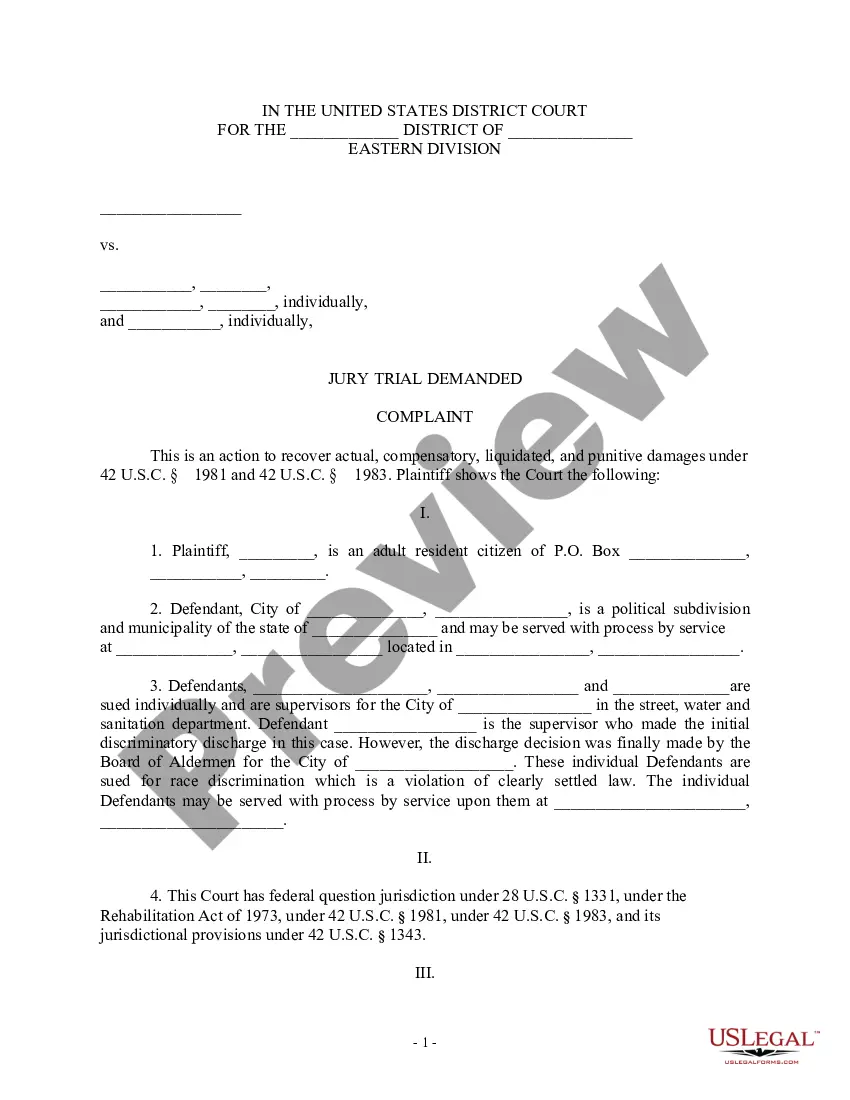
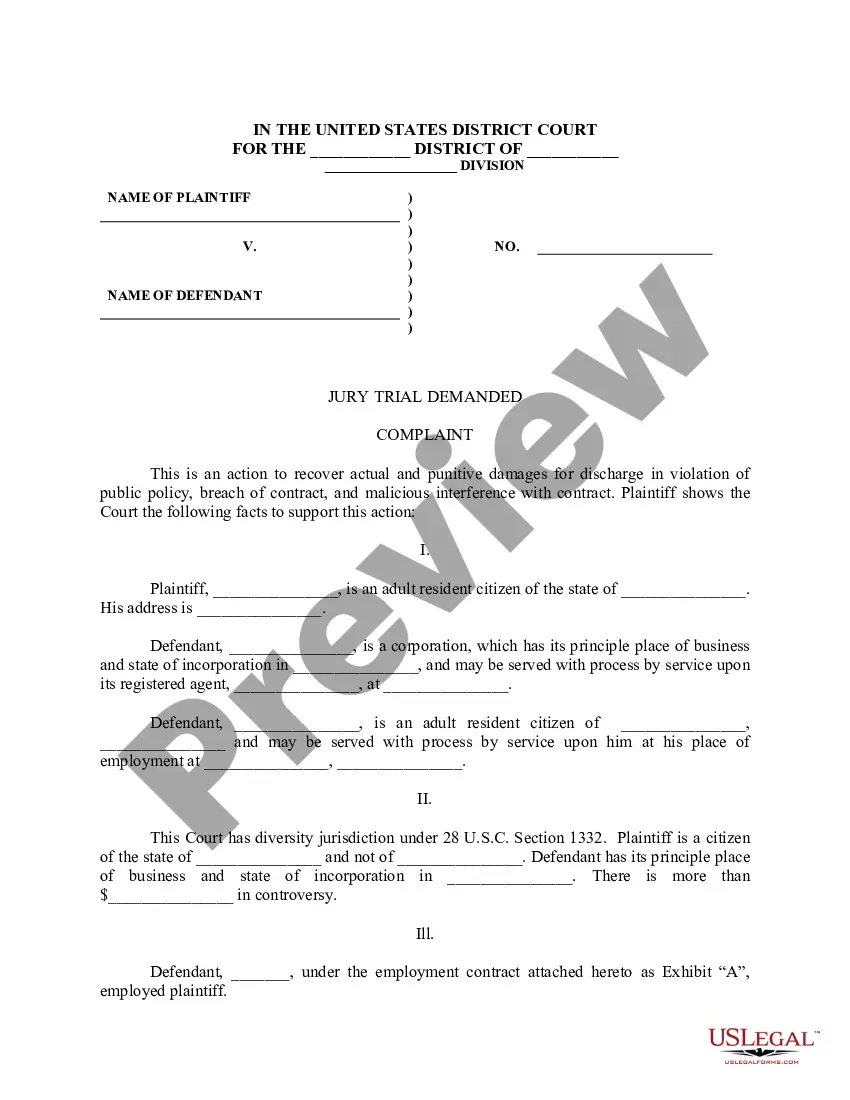
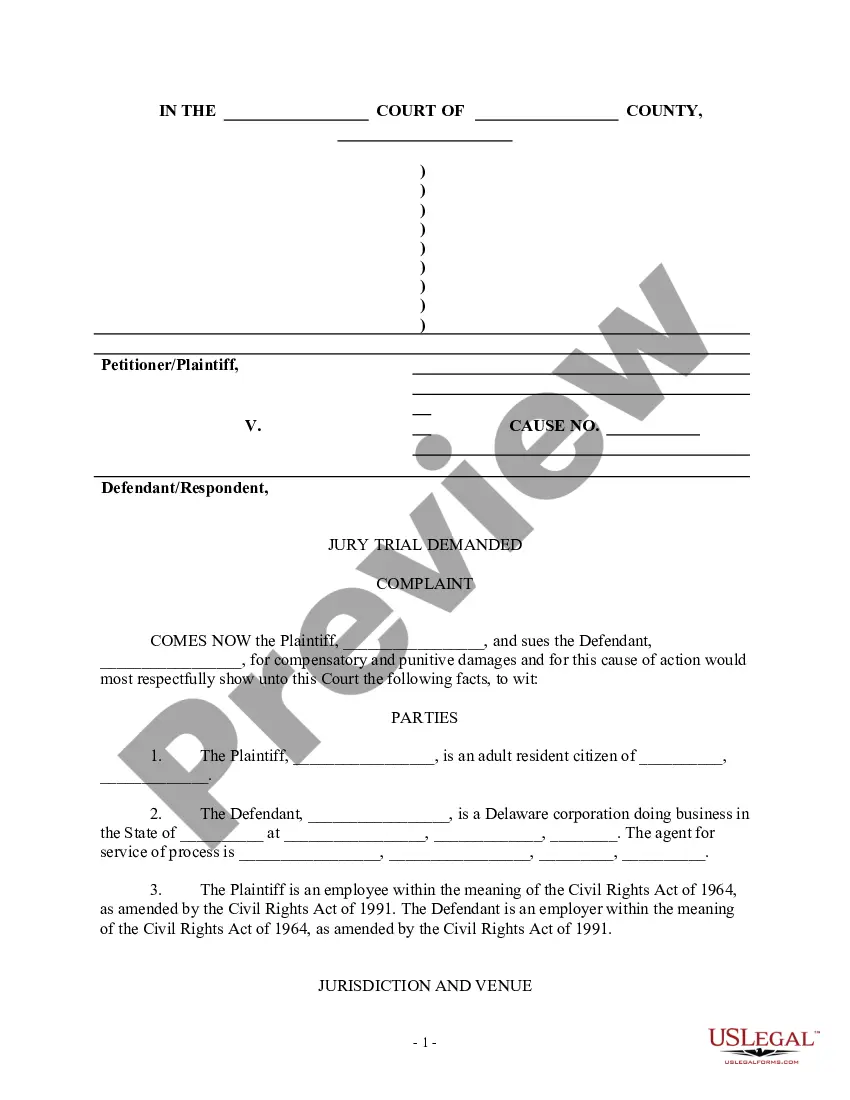
Get your form ready online
Our built-in tools help you complete, sign, share, and store your documents in one place.
Make edits, fill in missing information, and update formatting in US Legal Forms—just like you would in MS Word.
Download a copy, print it, send it by email, or mail it via USPS—whatever works best for your next step.
Sign and collect signatures with our SignNow integration. Send to multiple recipients, set reminders, and more. Go Premium to unlock E-Sign.
If this form requires notarization, complete it online through a secure video call—no need to meet a notary in person or wait for an appointment.
We protect your documents and personal data by following strict security and privacy standards.

Make edits, fill in missing information, and update formatting in US Legal Forms—just like you would in MS Word.

Download a copy, print it, send it by email, or mail it via USPS—whatever works best for your next step.

Sign and collect signatures with our SignNow integration. Send to multiple recipients, set reminders, and more. Go Premium to unlock E-Sign.

If this form requires notarization, complete it online through a secure video call—no need to meet a notary in person or wait for an appointment.

We protect your documents and personal data by following strict security and privacy standards.
Looking for another form?

Form popularity
FAQ
The Right to a Jury Trial The Minnesota Constitution, Article I, Section 4 guarantees a jury trial in the state court system. The right of the defendant to fair legal process includes having his or her fate determined by “a jury of peers,” meaning representative members of the community.
Why do so many civil cases settle out of court and never go to trial? Because trials can be expensive and take a long time. No side is guaranteed to win( in most cases) and by settling both parties have a say in the outcome.
A person does not qualify to serve if the person is any of the following: under a sentence for a felony conviction; a former juror who served on a state or federal grand or petit jury in the past four years; or a judge serving in the judicial branch.
Constitutional Amendments – Amendment 7 – “The Right to Jury Trial in Civil Affairs” Amendment Seven to the Constitution was ratified on December 15, 1791. It protects the right for citizens to have a jury trial in federal courts with civil cases where the claim exceeds a certain dollar value.
Ing to the Supreme Court, the jury-trial right applies only when "serious" offenses are at hand—petty offenses don't invoke it. For purposes of this right, a serious offense is one that carries a potential sentence of more than six months' imprisonment.
Constitutional Amendments – Amendment 7 – “The Right to Jury Trial in Civil Affairs” Amendment Seven to the Constitution was ratified on December 15, 1791. It protects the right for citizens to have a jury trial in federal courts with civil cases where the claim exceeds a certain dollar value.
The Seventh Amendment provides as follows: “In Suits at common law, where the value in controversy shall exceed twenty dollars, the right of trial by jury shall be preserved, and no fact tried by a jury, shall be otherwise re-examined in any Court of the United States, than ing to the rules of the common law.”
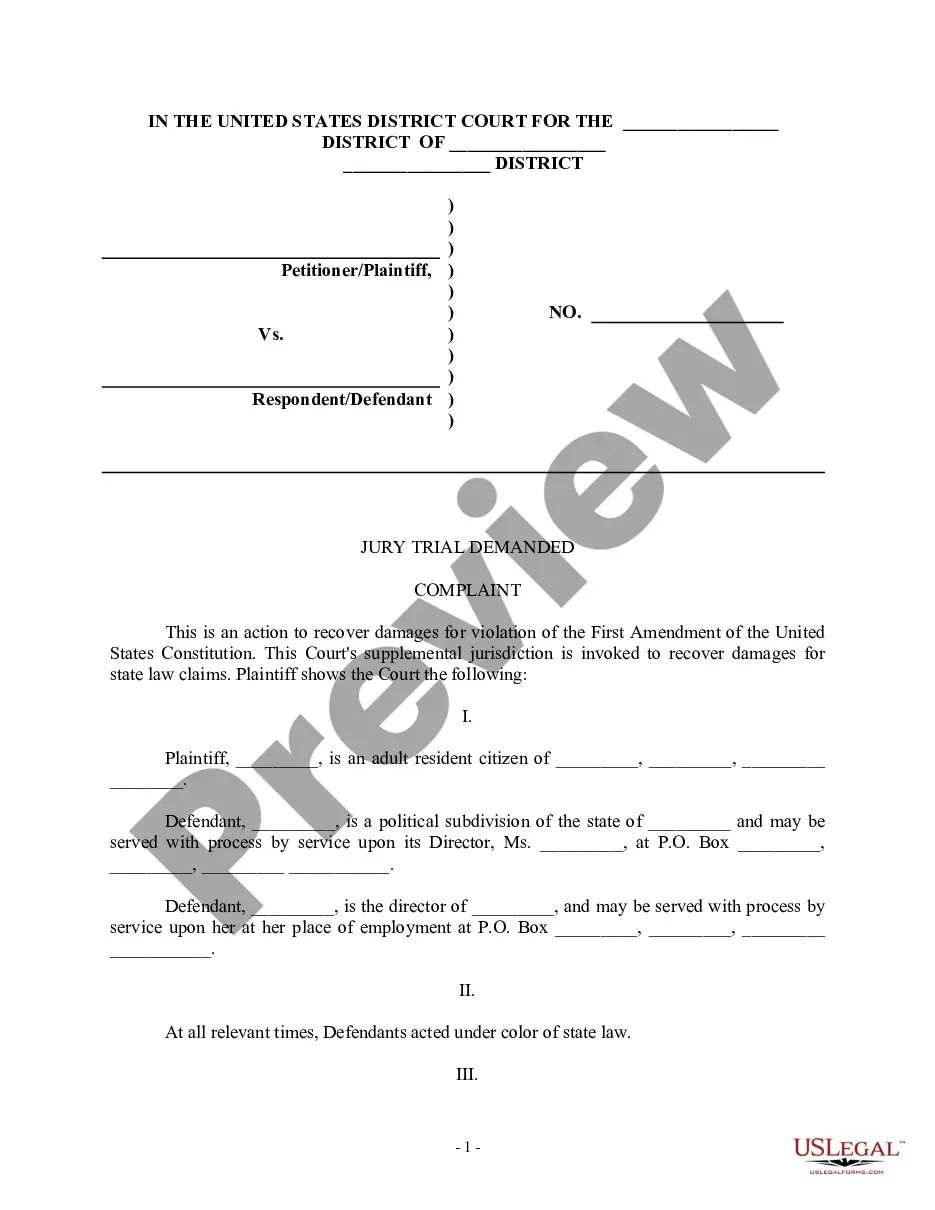
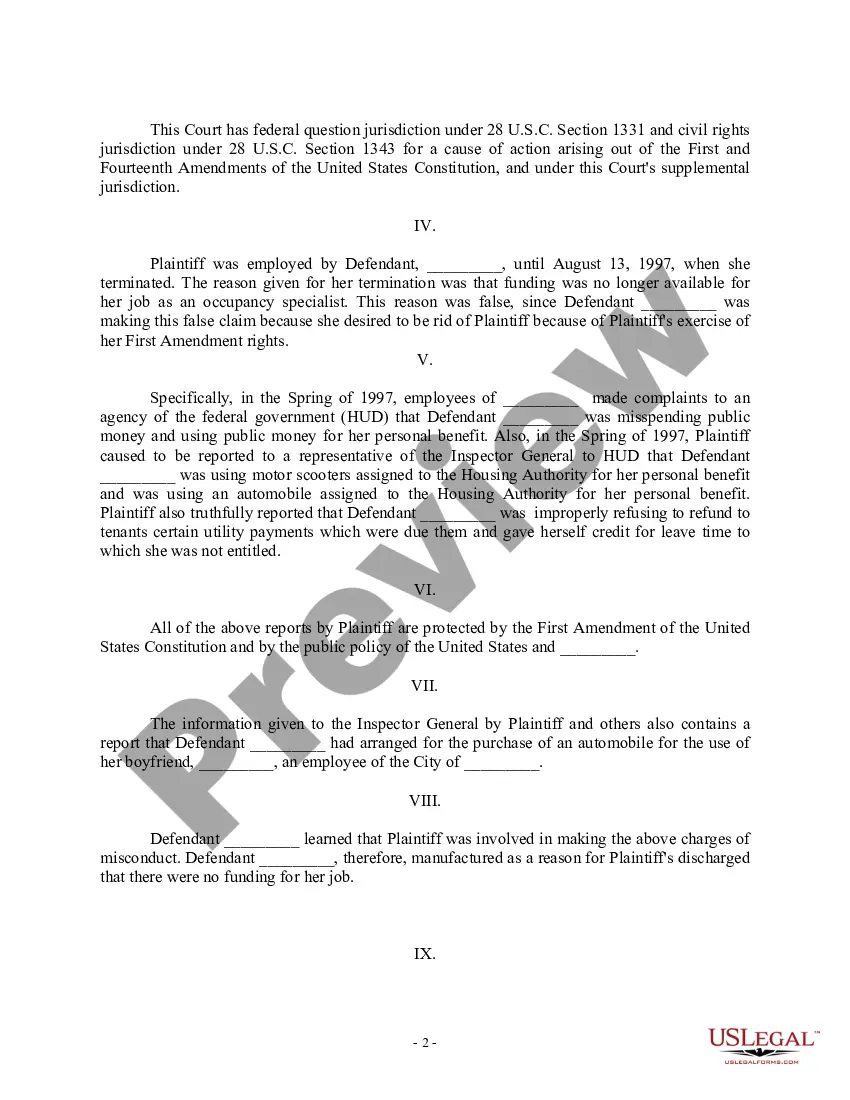
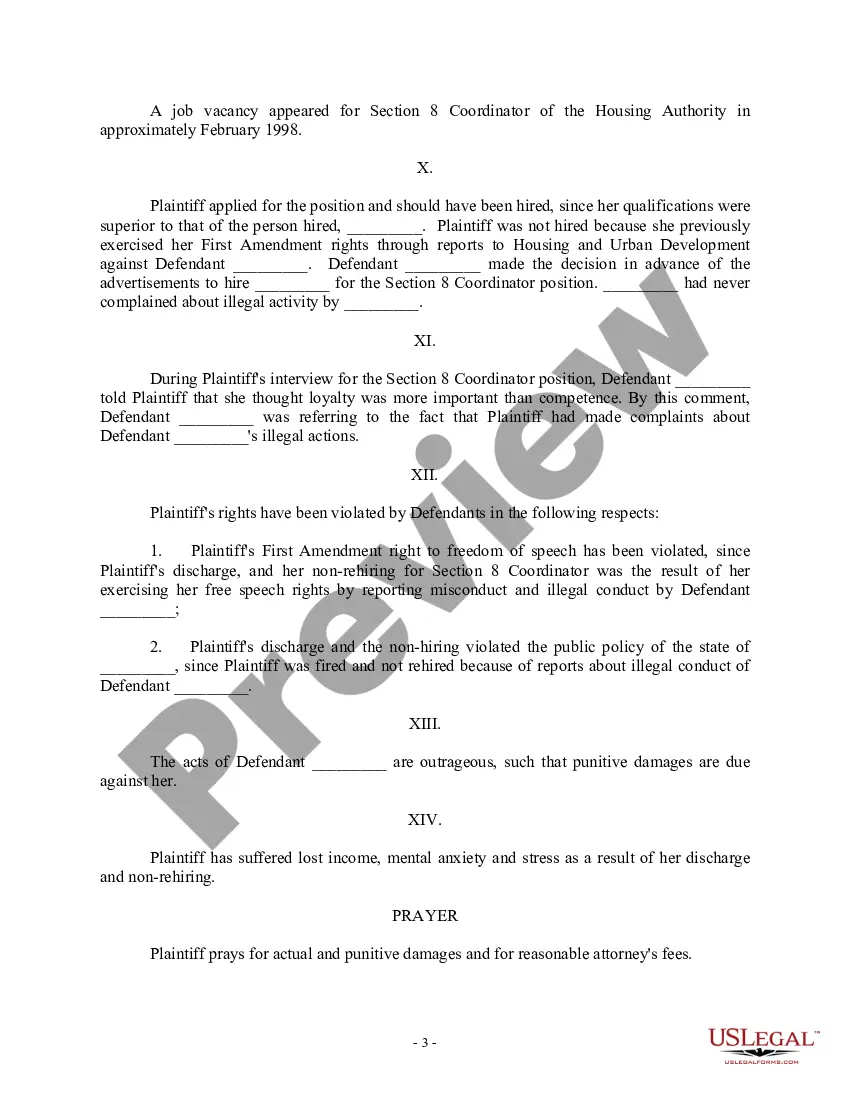
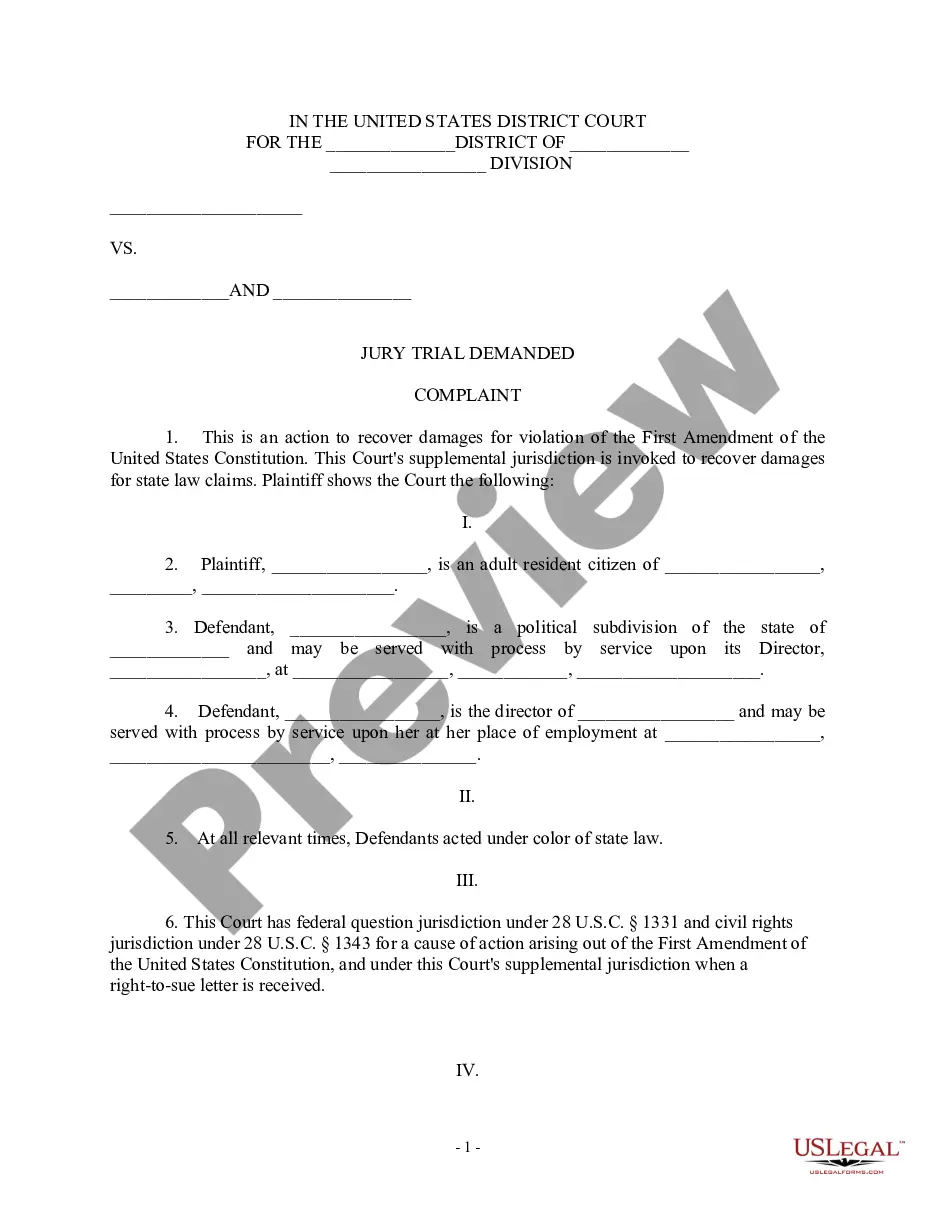
In a wide variety of civil cases, either side is entitled under the Constitution to request a jury trial. If the parties waive their right to a jury, then a judge without a jury will hear the case.
(a) All automatic excuses or disqualifications from jury service are eliminated except as provided in Rule 808. (2) they request to be excused because their service would be a continuing hardship to them or to members of the public and they are excused for this reason by the jury commissioner.