Jury Trial For Eviction In Dallas
Description
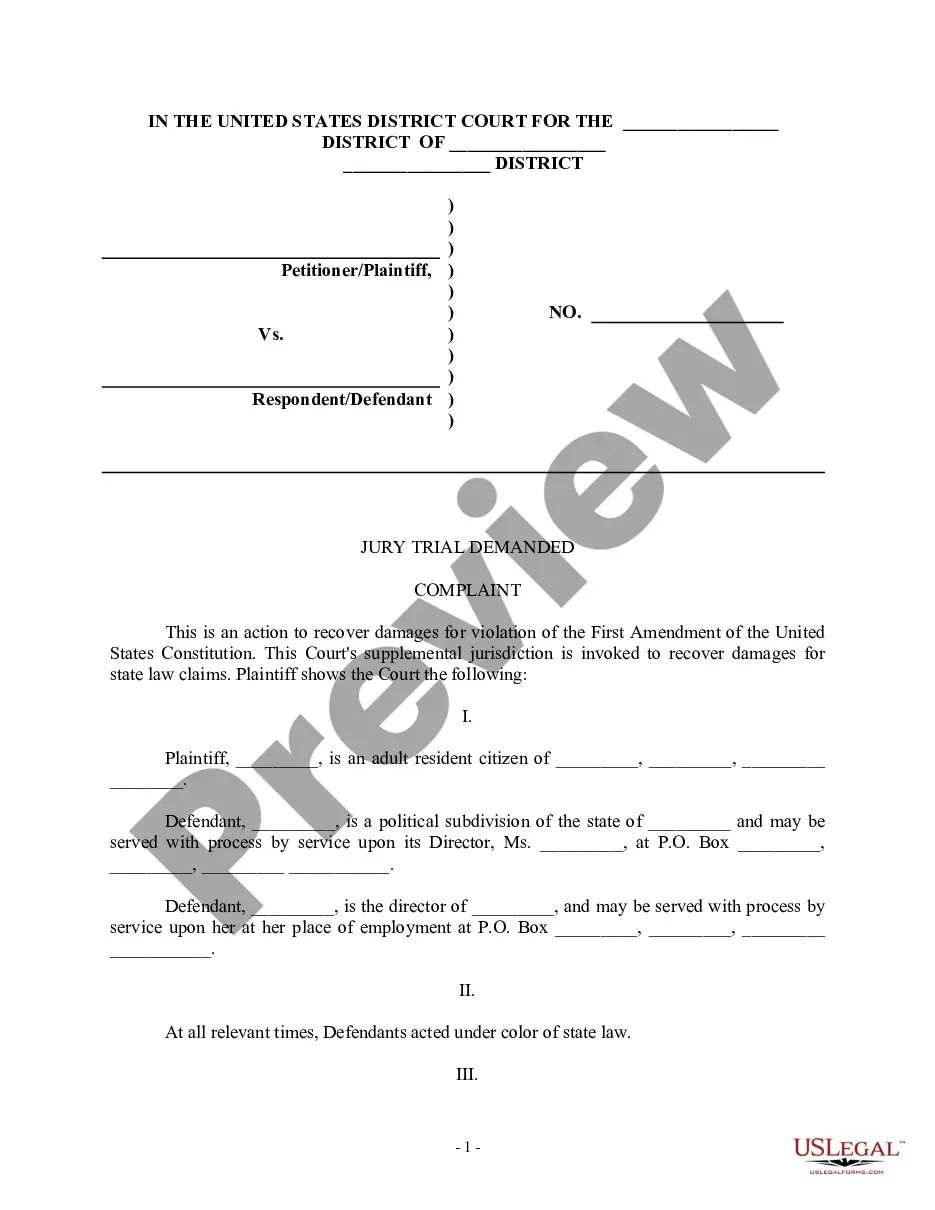
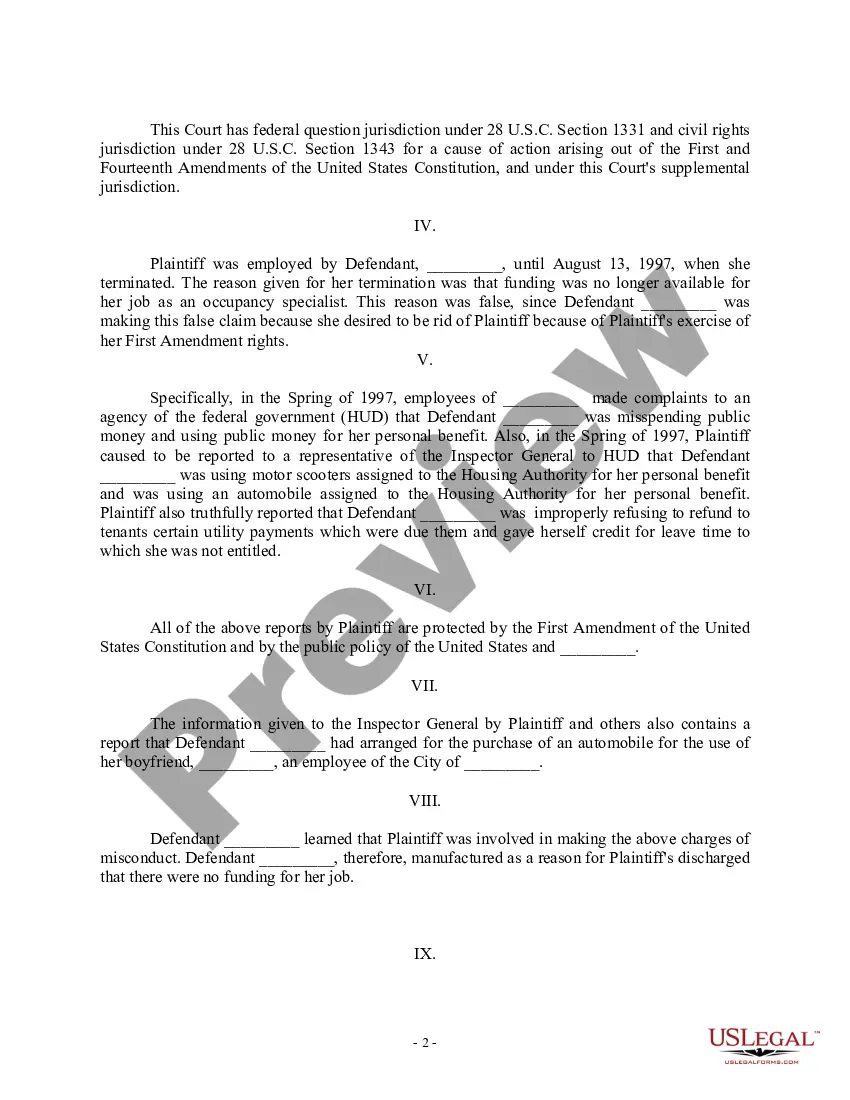
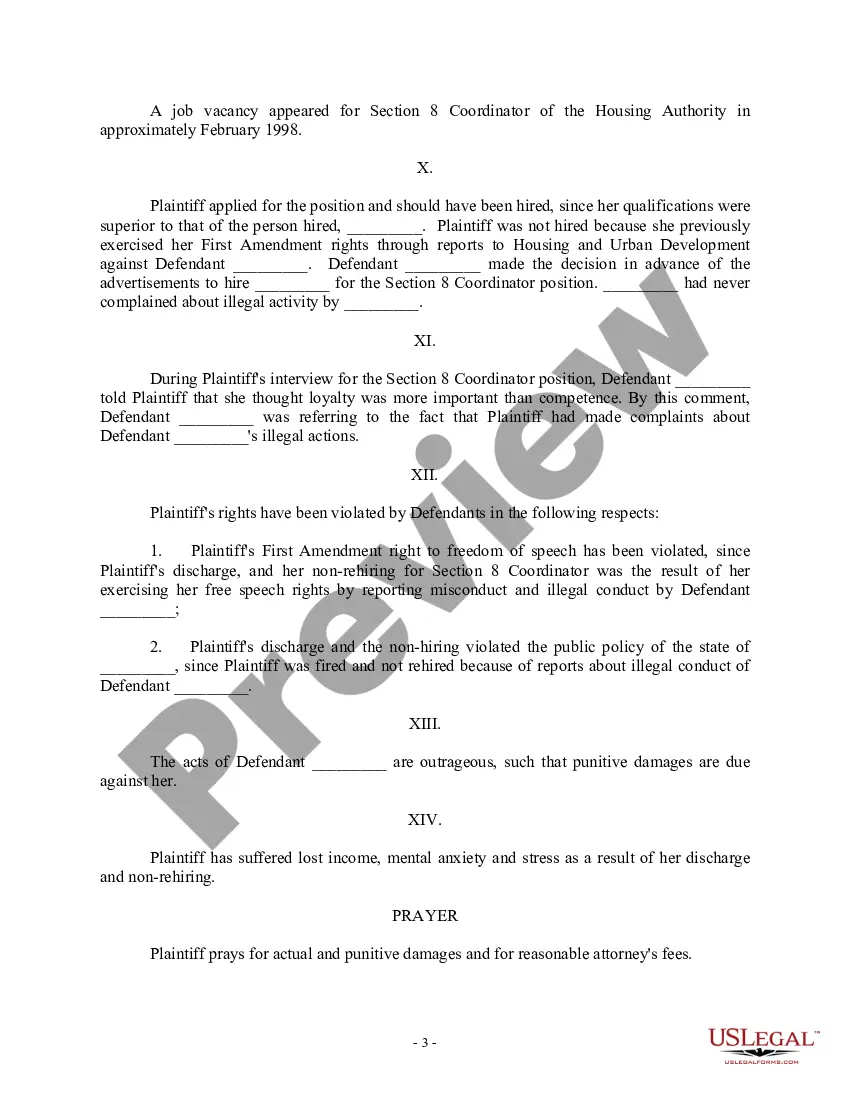
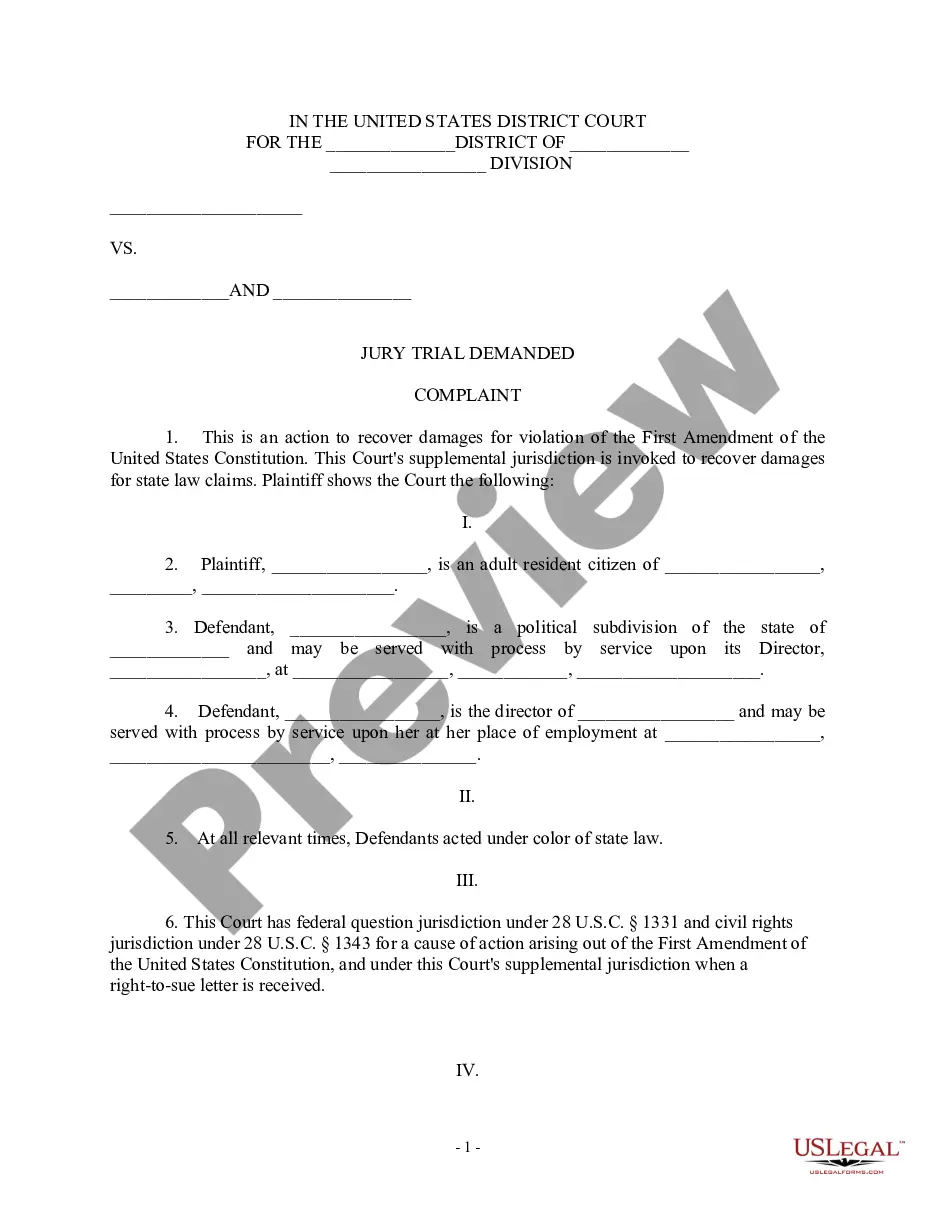
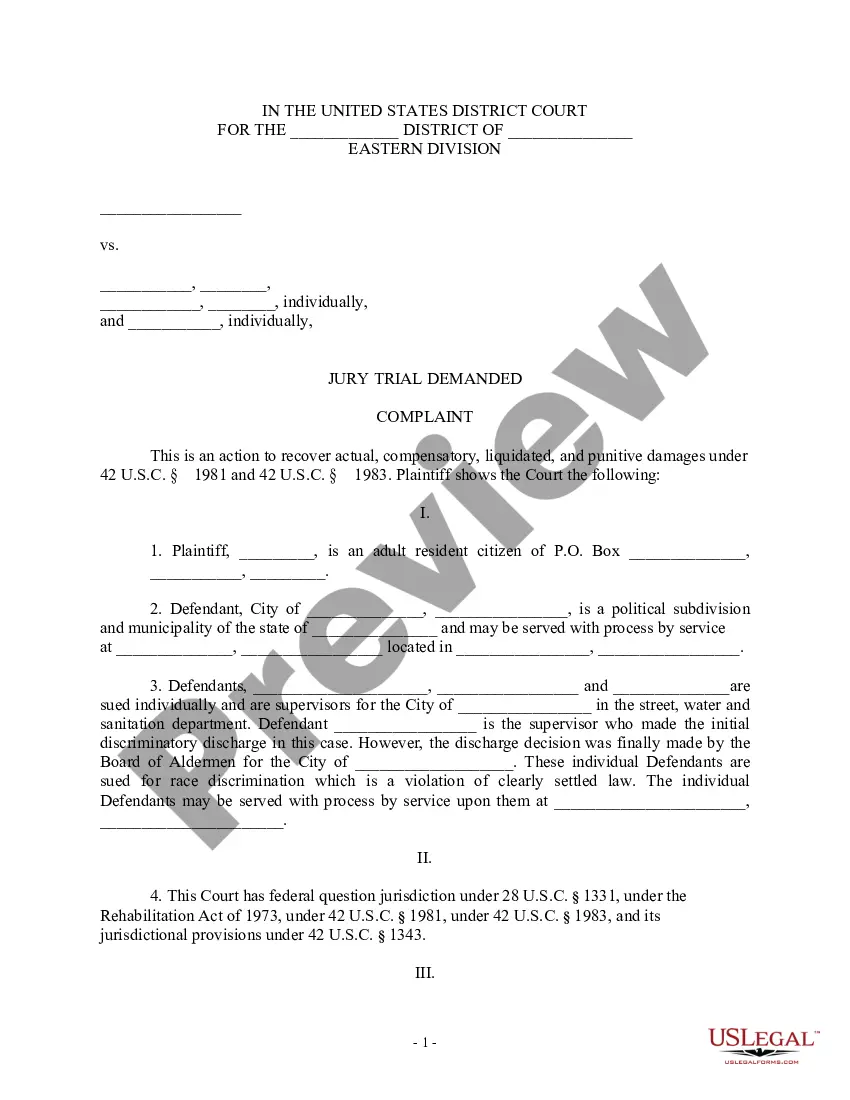
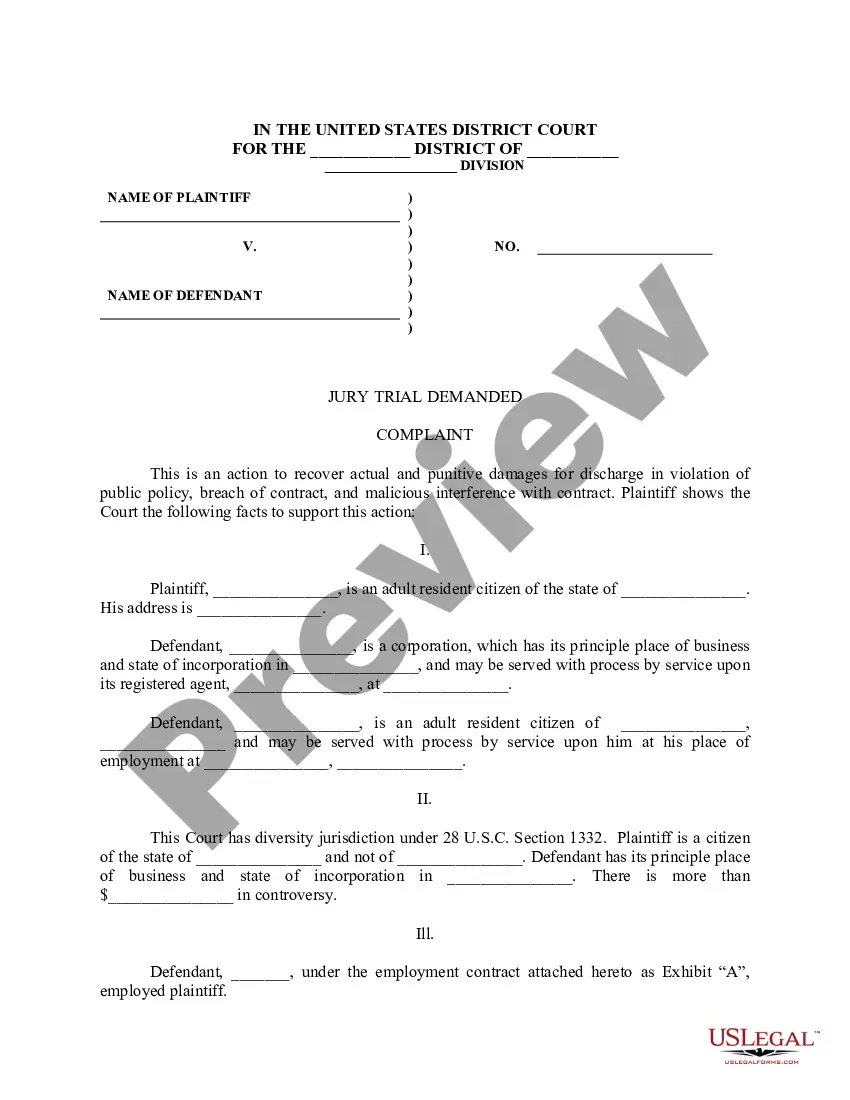
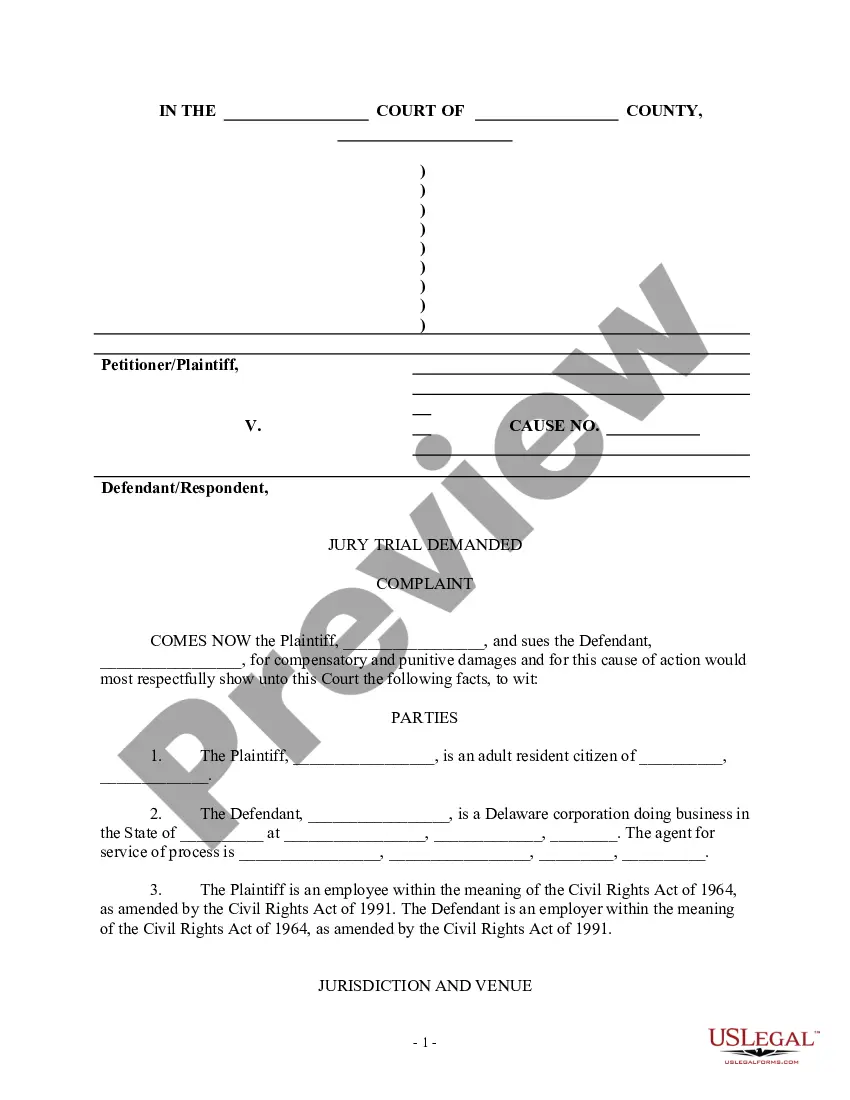
Get your form ready online
Our built-in tools help you complete, sign, share, and store your documents in one place.
Make edits, fill in missing information, and update formatting in US Legal Forms—just like you would in MS Word.
Download a copy, print it, send it by email, or mail it via USPS—whatever works best for your next step.
Sign and collect signatures with our SignNow integration. Send to multiple recipients, set reminders, and more. Go Premium to unlock E-Sign.
If this form requires notarization, complete it online through a secure video call—no need to meet a notary in person or wait for an appointment.
We protect your documents and personal data by following strict security and privacy standards.

Make edits, fill in missing information, and update formatting in US Legal Forms—just like you would in MS Word.

Download a copy, print it, send it by email, or mail it via USPS—whatever works best for your next step.

Sign and collect signatures with our SignNow integration. Send to multiple recipients, set reminders, and more. Go Premium to unlock E-Sign.

If this form requires notarization, complete it online through a secure video call—no need to meet a notary in person or wait for an appointment.

We protect your documents and personal data by following strict security and privacy standards.
Looking for another form?

Form popularity
FAQ
After the hearing, a judgment will be issued. If the court rules against you, you will have the opportunity to appeal before your property is removed from the rental. For more details, please see the Appealing an Eviction page of this guide.
The landlord may be granted a writ of possession, and law enforcement could be authorized to remove you from the property. No Arrest for Missing Court: While you won't be arrested just for missing an eviction hearing, it's important to address any legal notices or orders you receive regarding the eviction.
Under Texas law, a landlord is required to give you a written notice to vacate before filing an eviction lawsuit. The notice will demand that you vacate within three days unless your lease provides for a different notice period.
Unless and until the judge grants the motion and sets the eviction order aside, the eviction order is valid and enforceable (unless the court orders otherwise). The tenant can file a motion to stay, discussed above, to request that the eviction be delayed (up to ten days), but any delay is at the court's discretion.
A settlement in an eviction case is usually an agreement between you and your landlord where your landlord agrees to dismiss the case in exchange for a promise from you. You can negotiate before you get to court or during the court appearance. place and move?
Notice Requirements: Landlords in Delaware must provide proper notice before commencing an eviction, which includes a 5-day notice for unpaid rent or a 7-day notice for lease violations.
If you have been personally served NOTICE of eviction (meaning a case has been filed against you with the court), you can PREVENT receiving an ORDER of eviction by contacting the landlord and paying your rent in full to the landlord at any time PRIOR to the court date, and then ask for him to withdraw the motion.
How to Fight an Eviction Prove That Your Landlord Breached the Lease by Failing to Maintain the Property. Prove That You're a Victim of Discrimination. Prove That Your Landlord Improperly Served You with Notice of Eviction. Prove That Your Landlord Has No Justification for Evicting You.
Step 1: Fill out the Caption. Step 2: Check the Boxes for Your Defenses. Step 3: Enter any Additional Information. Step 4: You May Ask the Court for a Jury Trial. Step 5: Get Email Notifications. Step 6: Attachments. Step 7: Signature and Contact Information. Step 8: Certificate of Service Is Required.
Before they can start the eviction process, a landlord must give the tenant an official written 3-Day Notice to Quit. If the tenant fails to vacate the rental unit after the three-day notice, the landlord may continue filing for a Forcible Entry and Detainer action.