Jury Trial For Eviction In Travis
Description
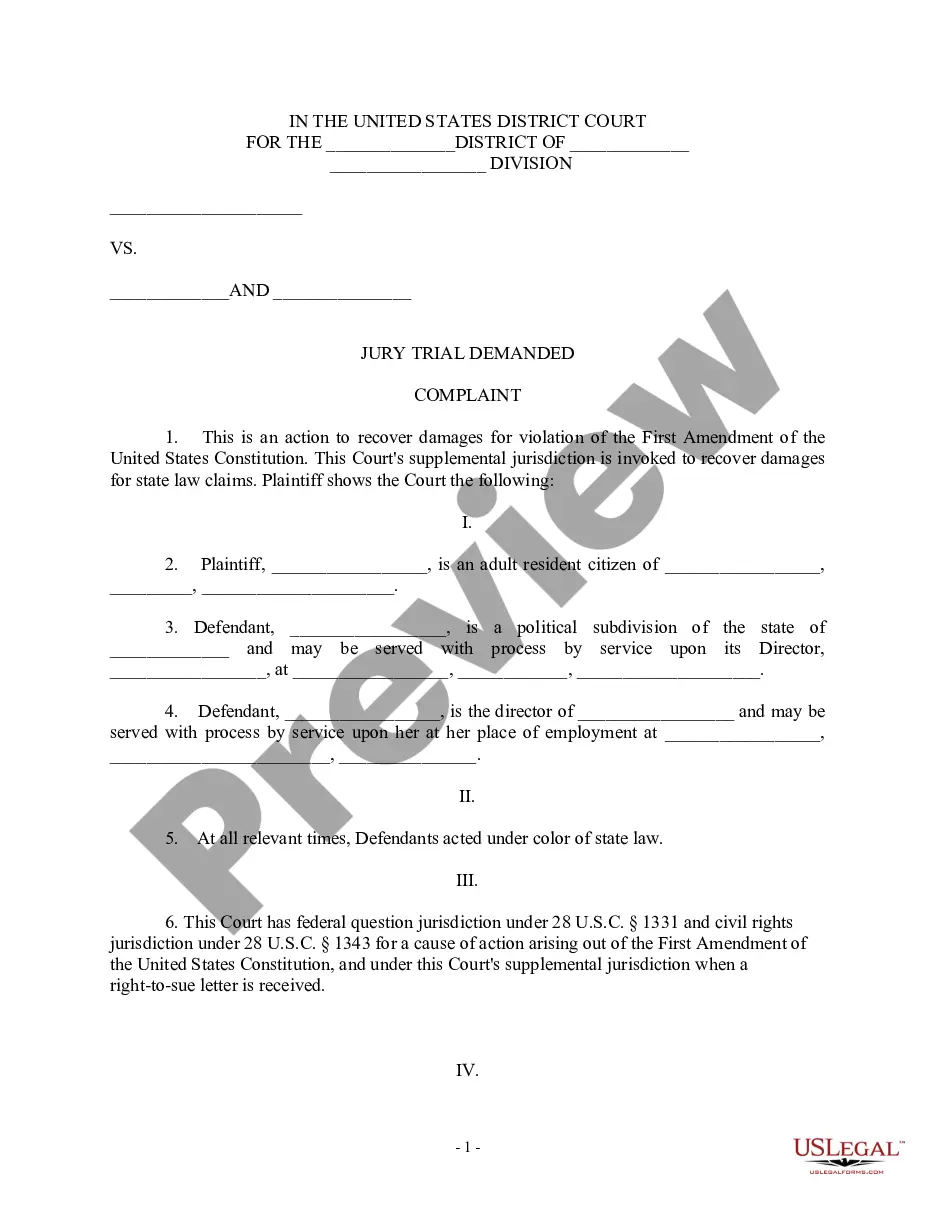
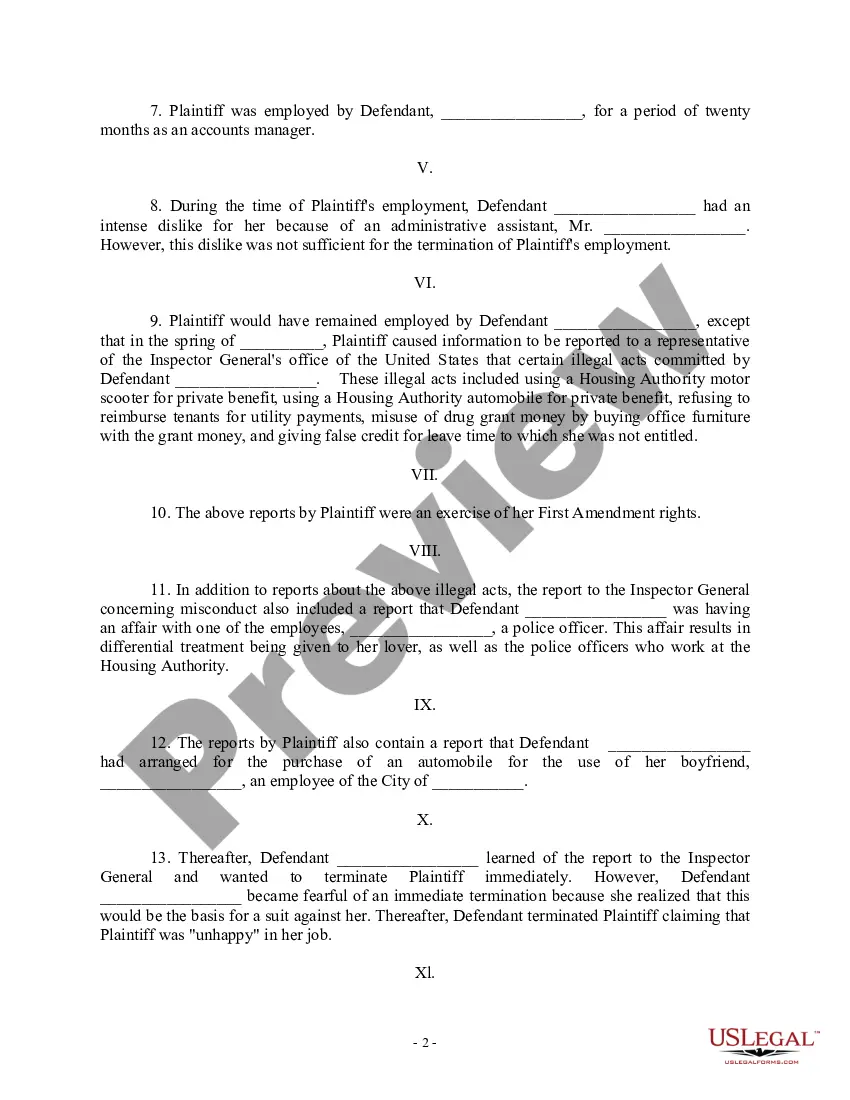
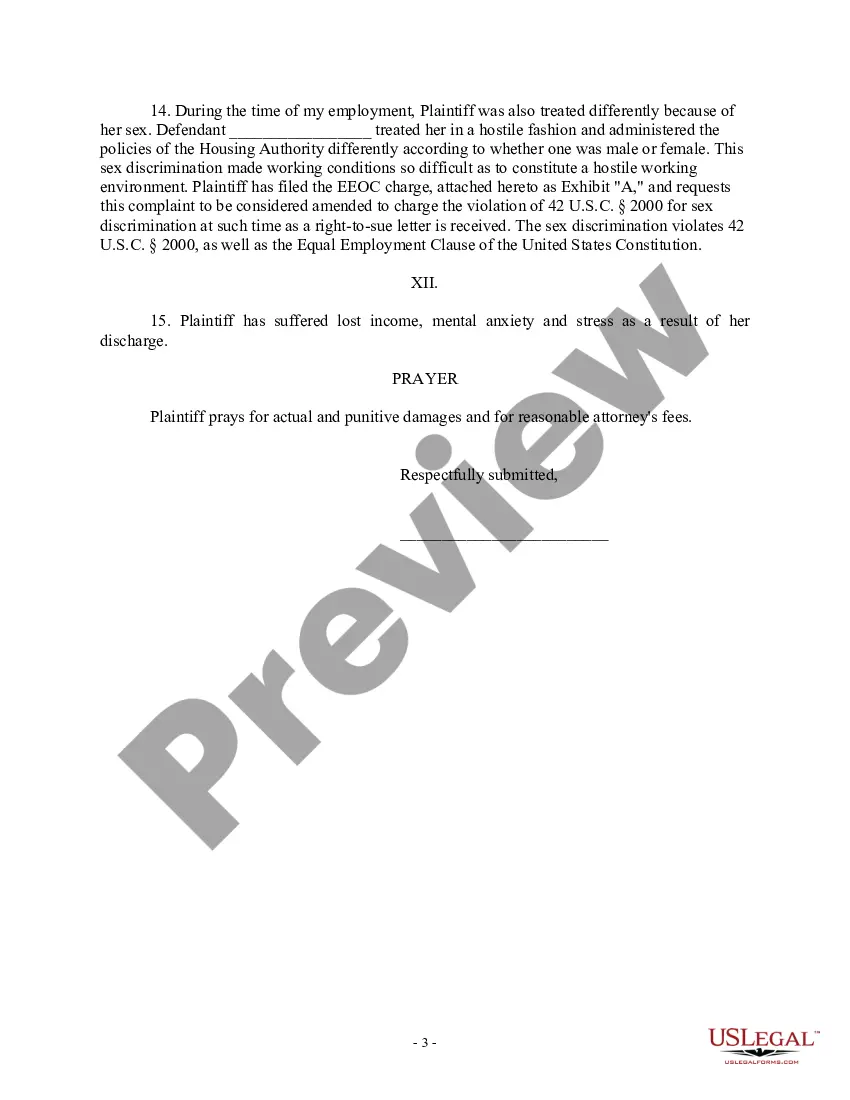

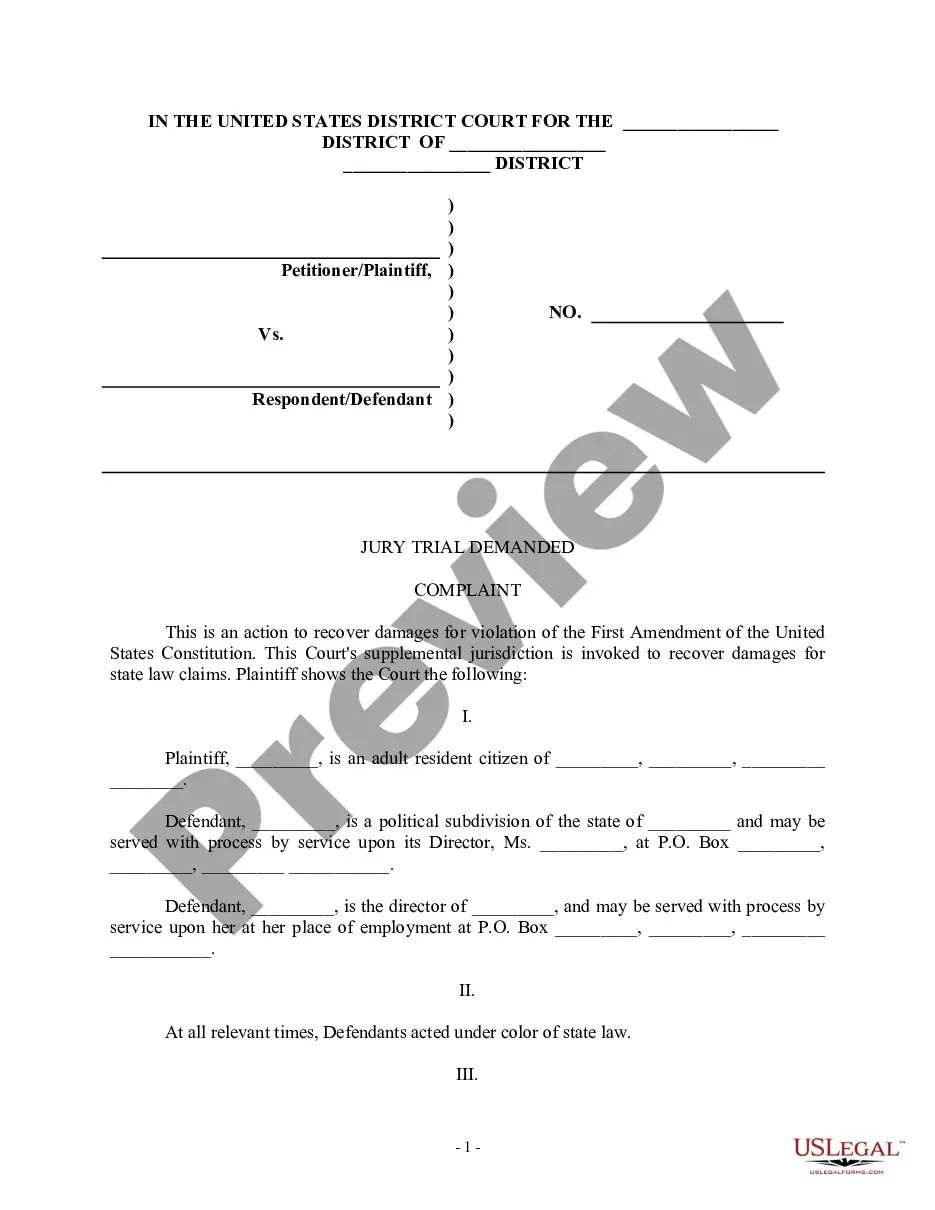
Get your form ready online
Our built-in tools help you complete, sign, share, and store your documents in one place.
Make edits, fill in missing information, and update formatting in US Legal Forms—just like you would in MS Word.
Download a copy, print it, send it by email, or mail it via USPS—whatever works best for your next step.
Sign and collect signatures with our SignNow integration. Send to multiple recipients, set reminders, and more. Go Premium to unlock E-Sign.
If this form requires notarization, complete it online through a secure video call—no need to meet a notary in person or wait for an appointment.
We protect your documents and personal data by following strict security and privacy standards.

Make edits, fill in missing information, and update formatting in US Legal Forms—just like you would in MS Word.

Download a copy, print it, send it by email, or mail it via USPS—whatever works best for your next step.

Sign and collect signatures with our SignNow integration. Send to multiple recipients, set reminders, and more. Go Premium to unlock E-Sign.

If this form requires notarization, complete it online through a secure video call—no need to meet a notary in person or wait for an appointment.

We protect your documents and personal data by following strict security and privacy standards.
Looking for another form?
Form popularity
FAQ
It varies, but generally 30 days. If a tenant just ``walks away'' from his rental, the landlord must store the possessions for 30 days in case the tenant returns and wants his things back. After that, they belong to the landlord to dispose of as he sees fit.
Steps to Prevent an Eviction Communicate with Your Landlord. Review Your Lease Agreement. Address Lease Violations. Seek Financial Assistance. Eviction Intervention Services and Support. Legal Counsel.
Under Texas law, a landlord is required to give you a written notice to vacate before filing an eviction lawsuit. The notice will demand that you vacate within three days unless your lease provides for a different notice period.
Unless and until the judge grants the motion and sets the eviction order aside, the eviction order is valid and enforceable (unless the court orders otherwise). The tenant can file a motion to stay, discussed above, to request that the eviction be delayed (up to ten days), but any delay is at the court's discretion.
The law took effect on April 1, 2024, and requires landlords to have just cause to terminate tenancy after a California tenant has been placed in the unit for 12 months.
Attending a Court Hearing in Texas The eviction hearing will take place within 10 to 21 days after the eviction is filed with the court. Either party may request to postpone the trial for not more than seven days. If the tenant fails to appear at the hearing, a court will rule in favor of the landlord by default.
A landlord can request an extension of the delay in 60-day increments. Landlords and tenants can also request to enter the eviction diversion program at any time after the trial as long as the writ of possession has not issued.
If the landlord didn't give you a written notice to vacate, you can ask the court to rule in your favor or to dismiss the eviction suit. If you just got papers from the court, that is not sufficient. The landlord must first give you written notice to vacate before filing in court.
In Texas, there is an eviction hardship extension offers temporary protection from eviction proceedings, allowing tenants to stay in their homes while they work towards resolving their financial challenges. It has to be done in the eviction proceedings once it is filed with the court.