Product Defect Examples In Illinois
Description
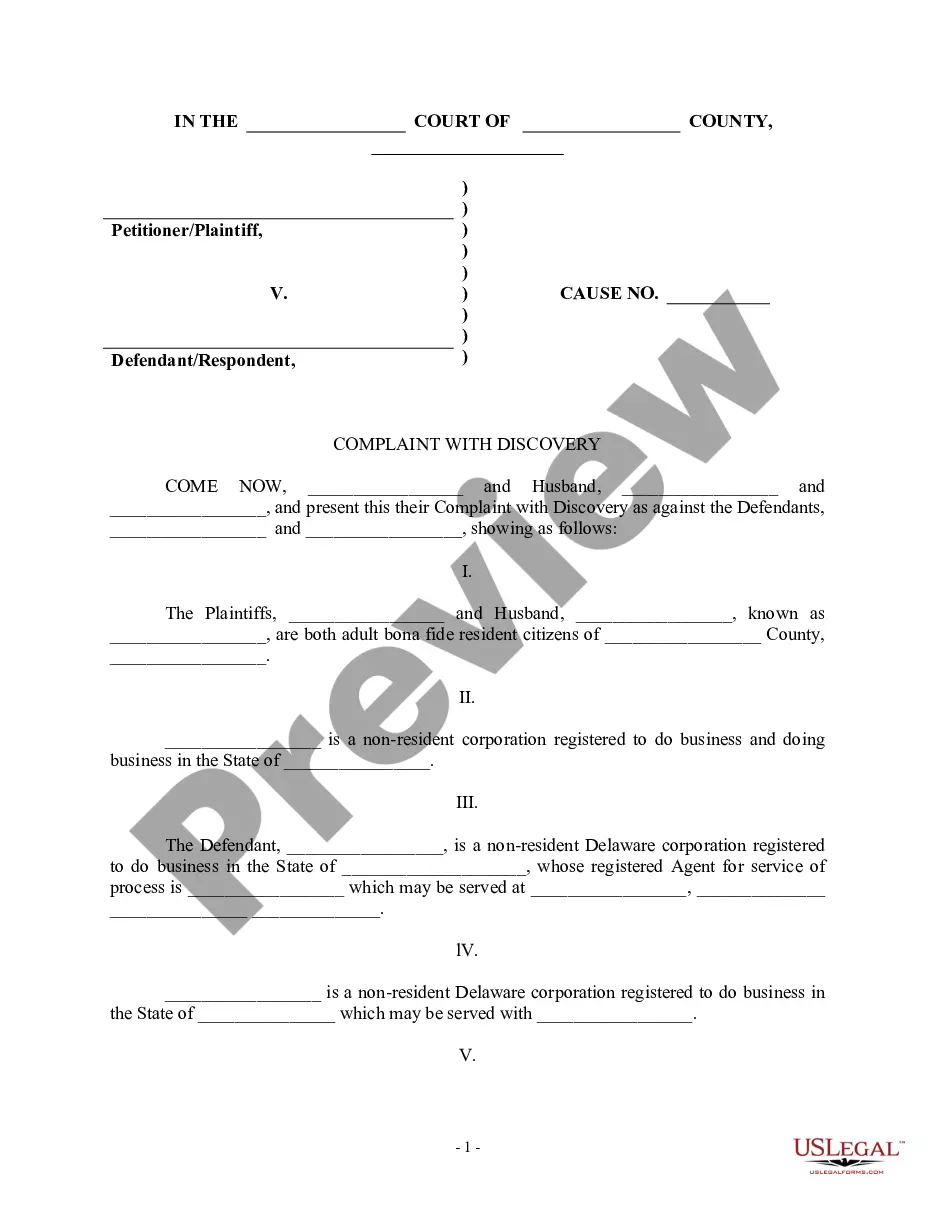
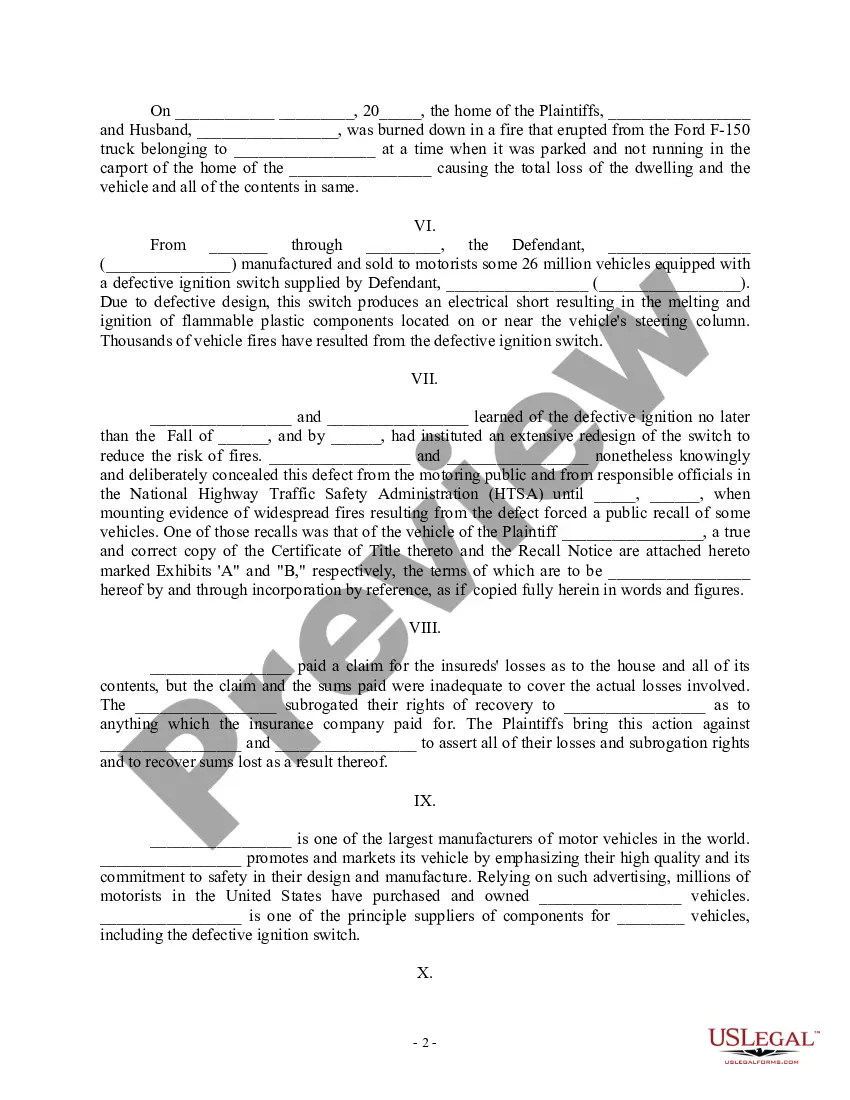
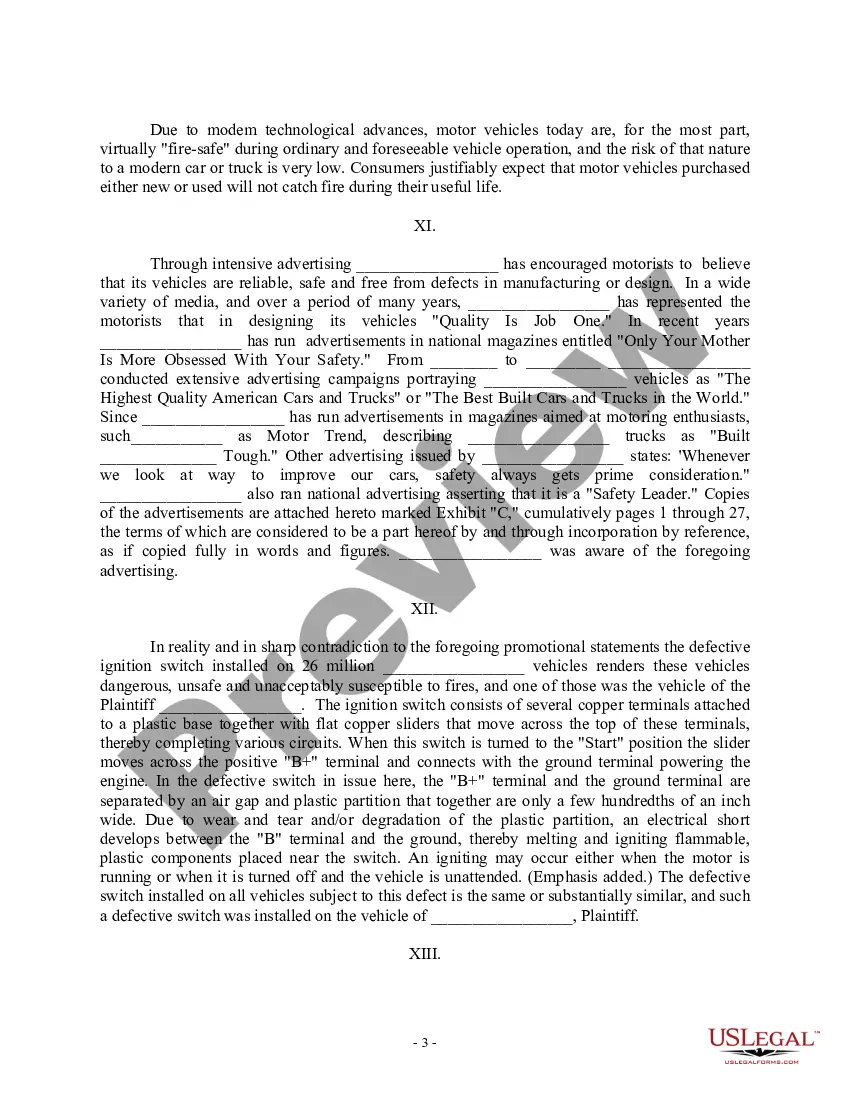
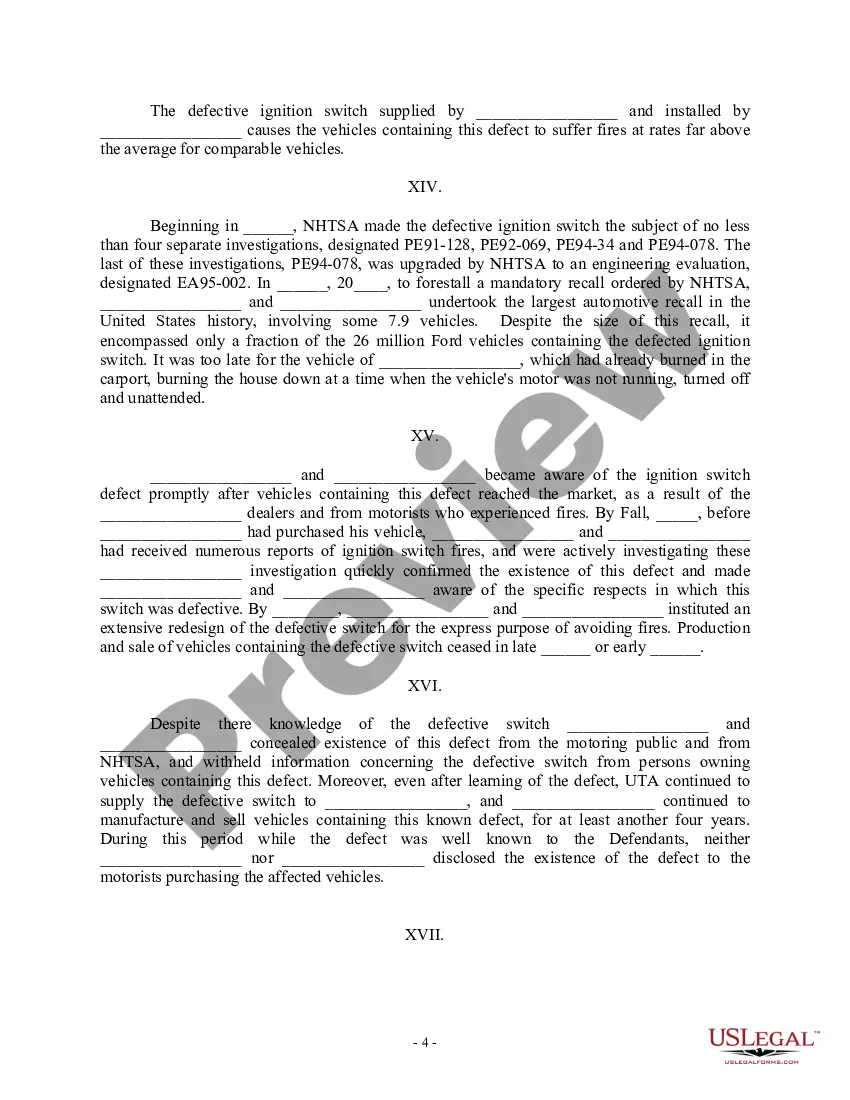
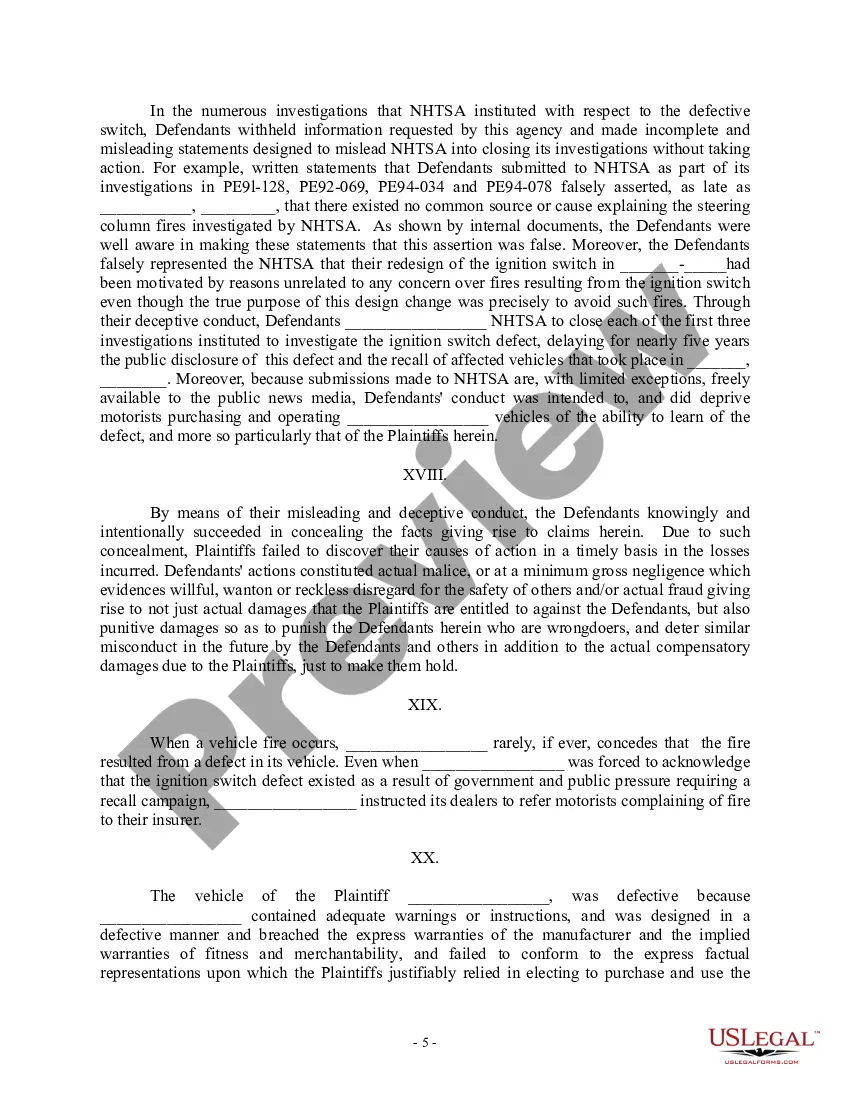
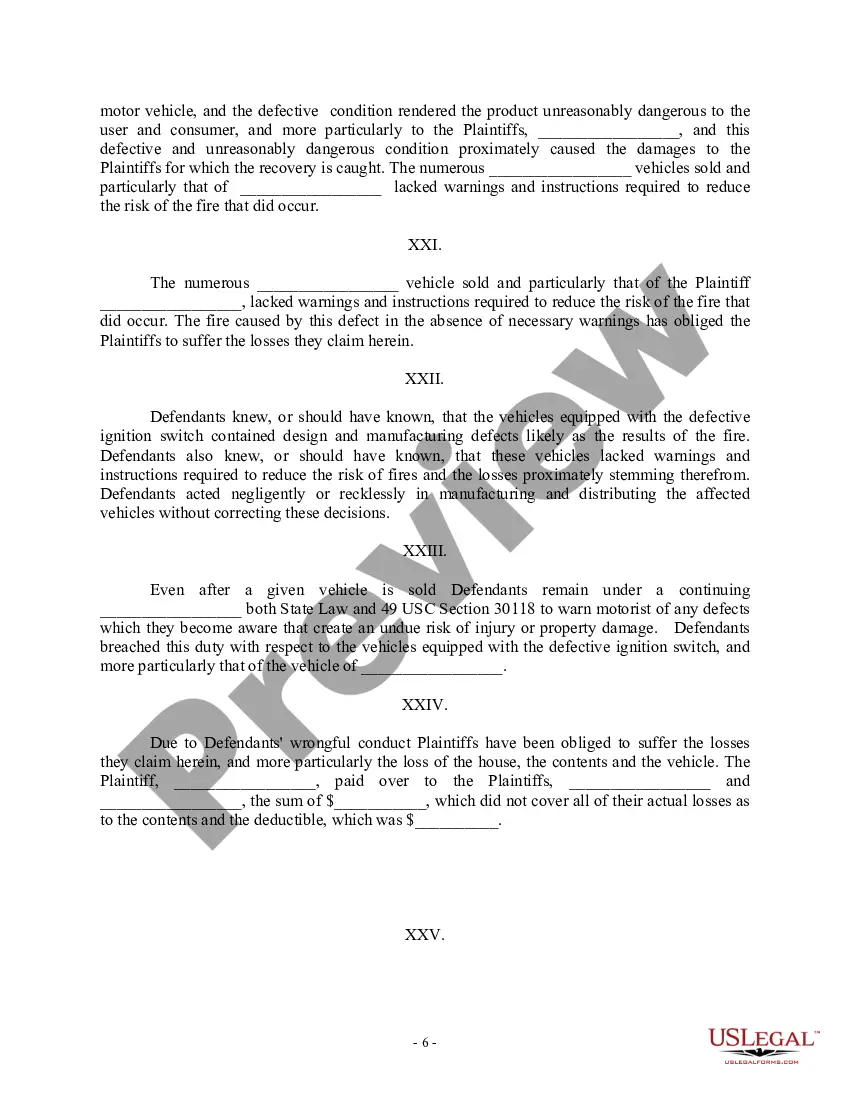
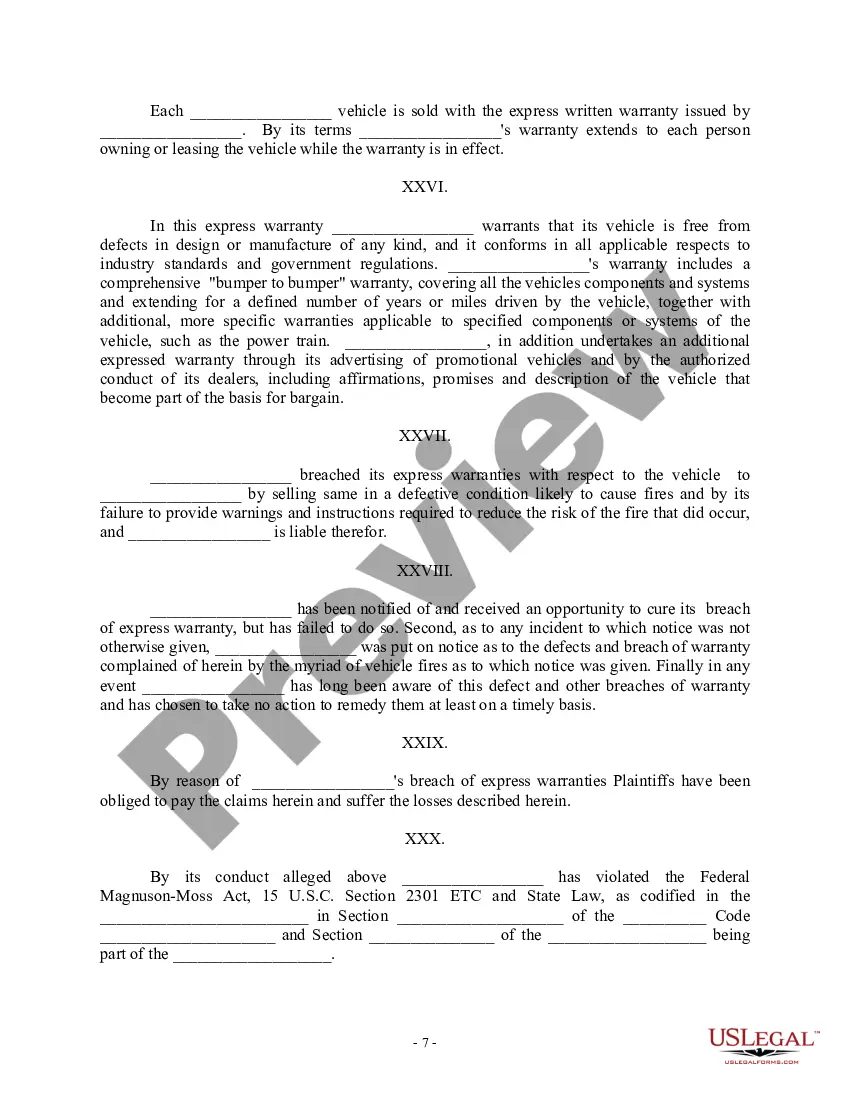
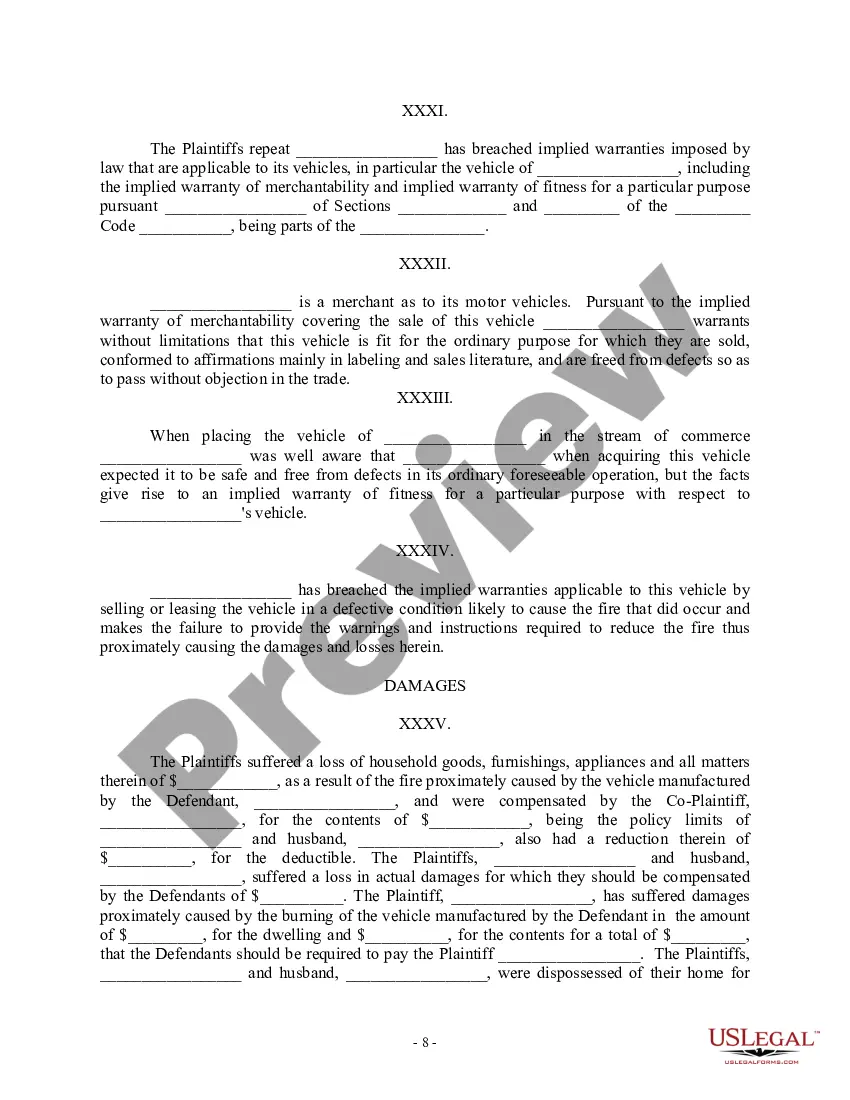


Get your form ready online
Our built-in tools help you complete, sign, share, and store your documents in one place.
Make edits, fill in missing information, and update formatting in US Legal Forms—just like you would in MS Word.
Download a copy, print it, send it by email, or mail it via USPS—whatever works best for your next step.
Sign and collect signatures with our SignNow integration. Send to multiple recipients, set reminders, and more. Go Premium to unlock E-Sign.
If this form requires notarization, complete it online through a secure video call—no need to meet a notary in person or wait for an appointment.
We protect your documents and personal data by following strict security and privacy standards.

Make edits, fill in missing information, and update formatting in US Legal Forms—just like you would in MS Word.

Download a copy, print it, send it by email, or mail it via USPS—whatever works best for your next step.

Sign and collect signatures with our SignNow integration. Send to multiple recipients, set reminders, and more. Go Premium to unlock E-Sign.

If this form requires notarization, complete it online through a secure video call—no need to meet a notary in person or wait for an appointment.

We protect your documents and personal data by following strict security and privacy standards.
Looking for another form?






Form popularity
FAQ
To successfully sue for a defective product, you need to prove that: The defendant designed, manufactured, distributed or sold a defective product to the consumer. The consumer used reasonable care when using the product. The consumer was injured due to the defect in the product.
Some famous examples of product liability claims include the General Motors class-action lawsuit, the RoundUp weed killer lawsuit, and the Big Tobacco lawsuit. Common dangerous products that can result in product liability claims include fireworks, highchairs, pharmaceutical drugs, and defective medical products.
Your lawyer must establish a direct link between the breach of duty (defective product) and the injuries that you sustained. The attorney must show that the defect was a substantial factor in causing the harm, connecting the defendant's actions or omissions to the resulting injuries.
To successfully sue for a defective product, you need to prove that: The defendant designed, manufactured, distributed or sold a defective product to the consumer. The consumer used reasonable care when using the product. The consumer was injured due to the defect in the product.
There are three types of product defects: design defects, manufacturing defects, and warning/instruction defects. All three types of defects have to do with a product being faulty or inadequate in some way.
Important evidence to have includes: Defective product itself (preserve the product as best you can) All receipts, sales contracts, and other documents concerning the product. Documentation of injuries (i.e. photos, medical records, accident reports) Medical bills and payroll records to prove your financial losses.
A toy box was defectively manufactured – the hinges were not installed properly on the lid. If a child is playing with the box and the lid closes too quickly because of the defective hinges, it can cause serious injuries to the child.
(3) “product liability action” means any action based on any theory or doctrine brought against the seller of a product on account of personal injury, (including illness, disease, disability and death) or property, economic or other damage allegedly caused by or resulting from the manufacture, construction, preparation ...
The following are examples of manufacturing defects: Using an inferior material to build part of a product. Attaching the parts of a product together incorrectly. Installing the wrong components of a product. Using the wrong type of fastener on a product's moving parts.
A product defect is any characteristic of a product which hinders its usability for the purpose for which it was designed and manufactured. Product defects arise most prominently in legal contexts regarding product safety, where the term is applied to "anything that renders the product not reasonably safe".