Patent Foramen Ovale (pfo) In Washington
Description

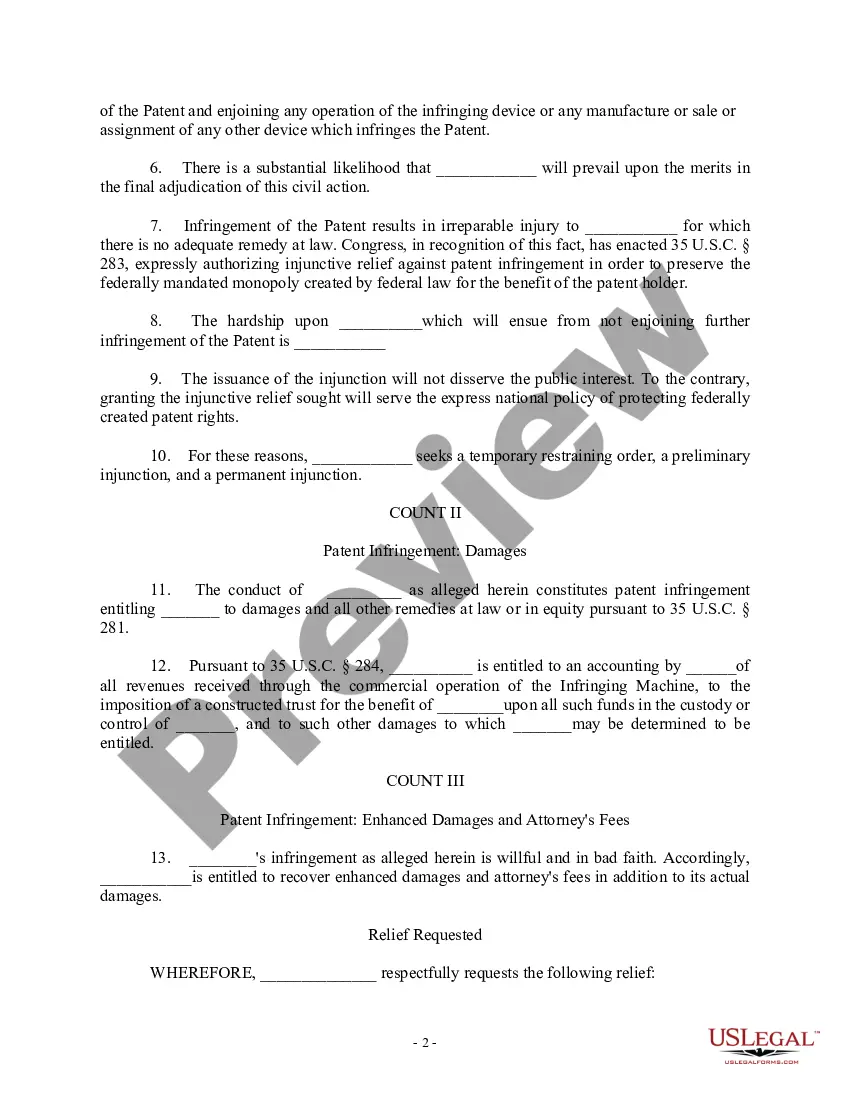
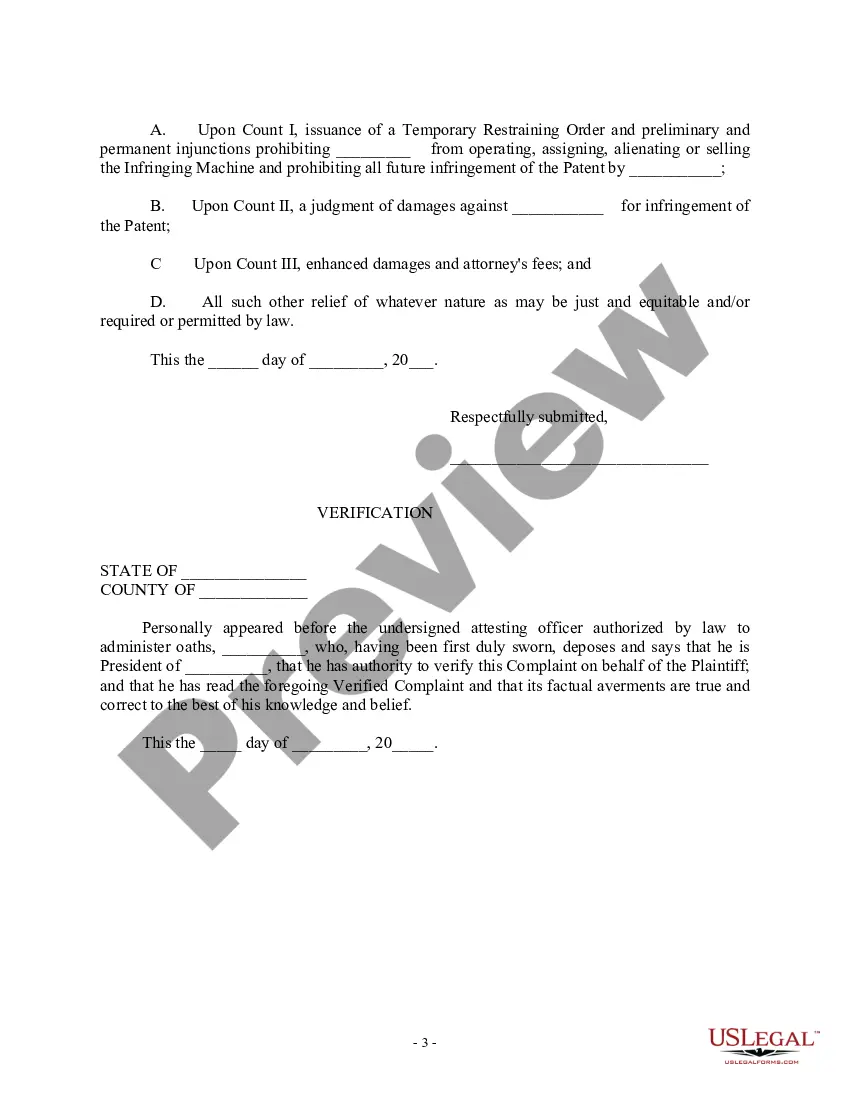


Get your form ready online
Our built-in tools help you complete, sign, share, and store your documents in one place.
Make edits, fill in missing information, and update formatting in US Legal Forms—just like you would in MS Word.
Download a copy, print it, send it by email, or mail it via USPS—whatever works best for your next step.
Sign and collect signatures with our SignNow integration. Send to multiple recipients, set reminders, and more. Go Premium to unlock E-Sign.
If this form requires notarization, complete it online through a secure video call—no need to meet a notary in person or wait for an appointment.
We protect your documents and personal data by following strict security and privacy standards.

Make edits, fill in missing information, and update formatting in US Legal Forms—just like you would in MS Word.

Download a copy, print it, send it by email, or mail it via USPS—whatever works best for your next step.

Sign and collect signatures with our SignNow integration. Send to multiple recipients, set reminders, and more. Go Premium to unlock E-Sign.

If this form requires notarization, complete it online through a secure video call—no need to meet a notary in person or wait for an appointment.

We protect your documents and personal data by following strict security and privacy standards.
Looking for another form?
Form popularity
FAQ
Definition. Patent foramen ovale (PFO) is a hole between the left and right atria (upper chambers) of the heart. This hole exists in everyone before birth, but most often closes shortly after being born. PFO is what the hole is called when it fails to close naturally after a baby is born.
If you were born with a hole in your heart that never closed, known as a patent foramen ovale (PFO), you may need a procedure to correct it. Penn Medicine cardiologists use interventional techniques to close a patent foramen ovale without opening your chest for surgery.
PFO closure may be offered to younger patients (e.g., <30 years) with a single, small, deep stroke (<1.5 cm), a large shunt, and absence of any vascular risk factors that would lead to intrinsic small-vessel disease such as hypertension, diabetes, or hyperlipidemia (level C).
Anyone can have patent foramen ovale regardless of gender, ethnicity or race. PFO is frequently found in: Divers with decompression illness (air embolism), when air bubbles block your vein or artery due to an environmental pressure change. People who've had a stroke of unknown cause (cryptogenic stroke).
A healthcare provider may recommend a PFO closure procedure if: You've had a transient ischemic attack (TIA) more than once. You've had cryptogenic (from an unknown cause) strokes more than once. You have a low level of oxygen in your blood.
In patients between the ages of 18 and 60 with a prior PFO-associated stroke and no other indication for treatment with anticoagulation, the SCAI guideline panel suggests PFO closure plus antiplatelet therapy rather than anticoagulation therapy alone (conditional recommendation, low certainty of evidence).
ICD-10 code Q21. 12 for Patent foramen ovale is a medical classification as listed by WHO under the range - Congenital malformations, deformations and chromosomal abnormalities .
