Patent Infringement In India In Utah
Description

Get your form ready online
Our built-in tools help you complete, sign, share, and store your documents in one place.
Make edits, fill in missing information, and update formatting in US Legal Forms—just like you would in MS Word.
Download a copy, print it, send it by email, or mail it via USPS—whatever works best for your next step.
Sign and collect signatures with our SignNow integration. Send to multiple recipients, set reminders, and more. Go Premium to unlock E-Sign.
If this form requires notarization, complete it online through a secure video call—no need to meet a notary in person or wait for an appointment.
We protect your documents and personal data by following strict security and privacy standards.

Make edits, fill in missing information, and update formatting in US Legal Forms—just like you would in MS Word.

Download a copy, print it, send it by email, or mail it via USPS—whatever works best for your next step.

Sign and collect signatures with our SignNow integration. Send to multiple recipients, set reminders, and more. Go Premium to unlock E-Sign.

If this form requires notarization, complete it online through a secure video call—no need to meet a notary in person or wait for an appointment.

We protect your documents and personal data by following strict security and privacy standards.
Looking for another form?







Form popularity
FAQ
No. Patent protection is a territorial right and therefore it is effective only within the territory of India. There is no concept of global/world patent.
Patents are territorial rights. In general, an application for a patent must be filed, and the patent granted and enforced, in each country in which you seek patent protection for your invention, in ance with the law of that country.
4. Does Indian Patent give protection worldwide? No. Patent protection is a territorial right and therefore it is effective only within the territory of India.
In India, the process of patent infringement involves filing an infringement suit in court, presenting evidence of infringement, and attending hearings to argue the case. The court assesses the evidence, including expert testimony, and delivers a judgement based on the merits of the case.
It requires a few things: A description of the invention that sufficiently describes the inventive concept known to the applicant at the time of requesting FFL. Form 25- Application for permission for performing patent license outside India. Declaration of the invention, along with the foreign filing license (FFL) form.
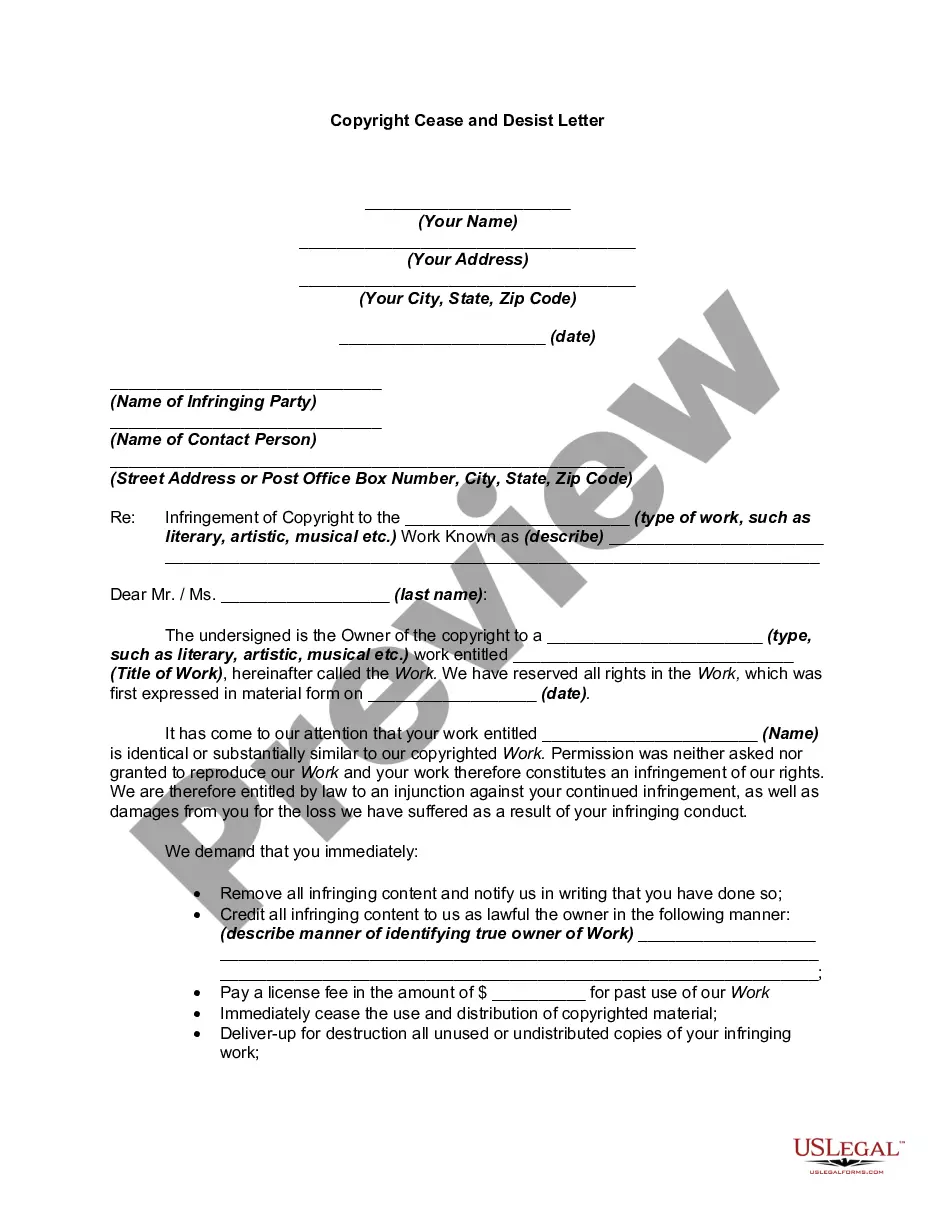
If a copyright owner wants to initiate criminal proceedings, they can either file FIR under Section 154 of the Cr. P.C. or file an application under Section 156(3) of the Cr. P.C. The offences under this act are bailable as per the decision of Delhi High Court in State Govt. of NCT of Delhi vs.
Under Plant Patents, U.S allows one to patent the discovery or invention of a new plant. In India, no such provision exists. New and novel business models can be patented in the U.S. India doesn't allow this either. From the above comparison, one can note that the U.S patent laws offer more flexibility than India.
It requires a few things: A description of the invention that sufficiently describes the inventive concept known to the applicant at the time of requesting FFL. Form 25- Application for permission for performing patent license outside India. Declaration of the invention, along with the foreign filing license (FFL) form.
Action must be taken within three years of the patent infringement, as per the Patents Act, 1970. Pre-trial proceedings, including notices and replies, aim to resolve the dispute. If unresolved, a formal trial occurs, and the court may issue injunctions and damages based on the case's merits.
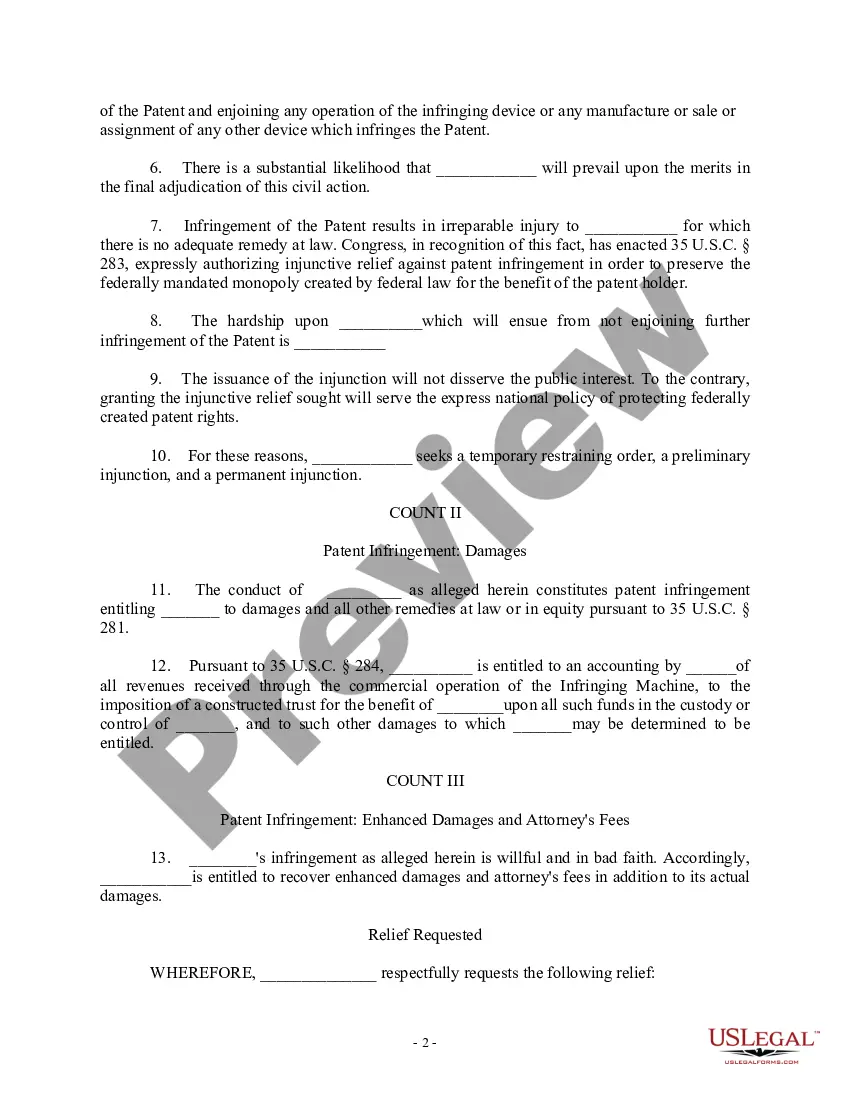
Patent infringement consists of “unauthorized making, using, offering for sale, or selling any patented invention within the United States, or importing into the United States any patented invention during its term.” You the patent owner may sue in federal court to stop the infringement and ask for financial damages.