Patent Without Significant Stenosis In San Antonio
Description

Get your form ready online
Our built-in tools help you complete, sign, share, and store your documents in one place.
Make edits, fill in missing information, and update formatting in US Legal Forms—just like you would in MS Word.
Download a copy, print it, send it by email, or mail it via USPS—whatever works best for your next step.
Sign and collect signatures with our SignNow integration. Send to multiple recipients, set reminders, and more. Go Premium to unlock E-Sign.
If this form requires notarization, complete it online through a secure video call—no need to meet a notary in person or wait for an appointment.
We protect your documents and personal data by following strict security and privacy standards.

Make edits, fill in missing information, and update formatting in US Legal Forms—just like you would in MS Word.

Download a copy, print it, send it by email, or mail it via USPS—whatever works best for your next step.

Sign and collect signatures with our SignNow integration. Send to multiple recipients, set reminders, and more. Go Premium to unlock E-Sign.

If this form requires notarization, complete it online through a secure video call—no need to meet a notary in person or wait for an appointment.

We protect your documents and personal data by following strict security and privacy standards.
Looking for another form?



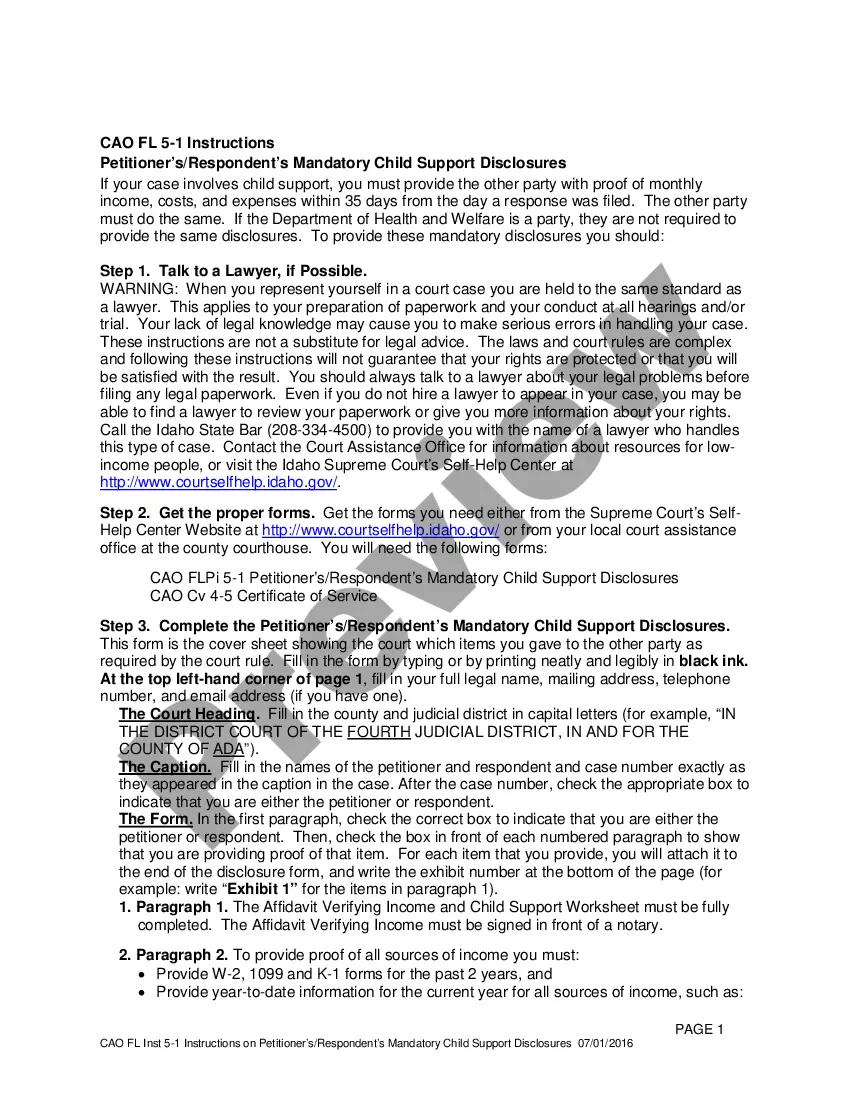
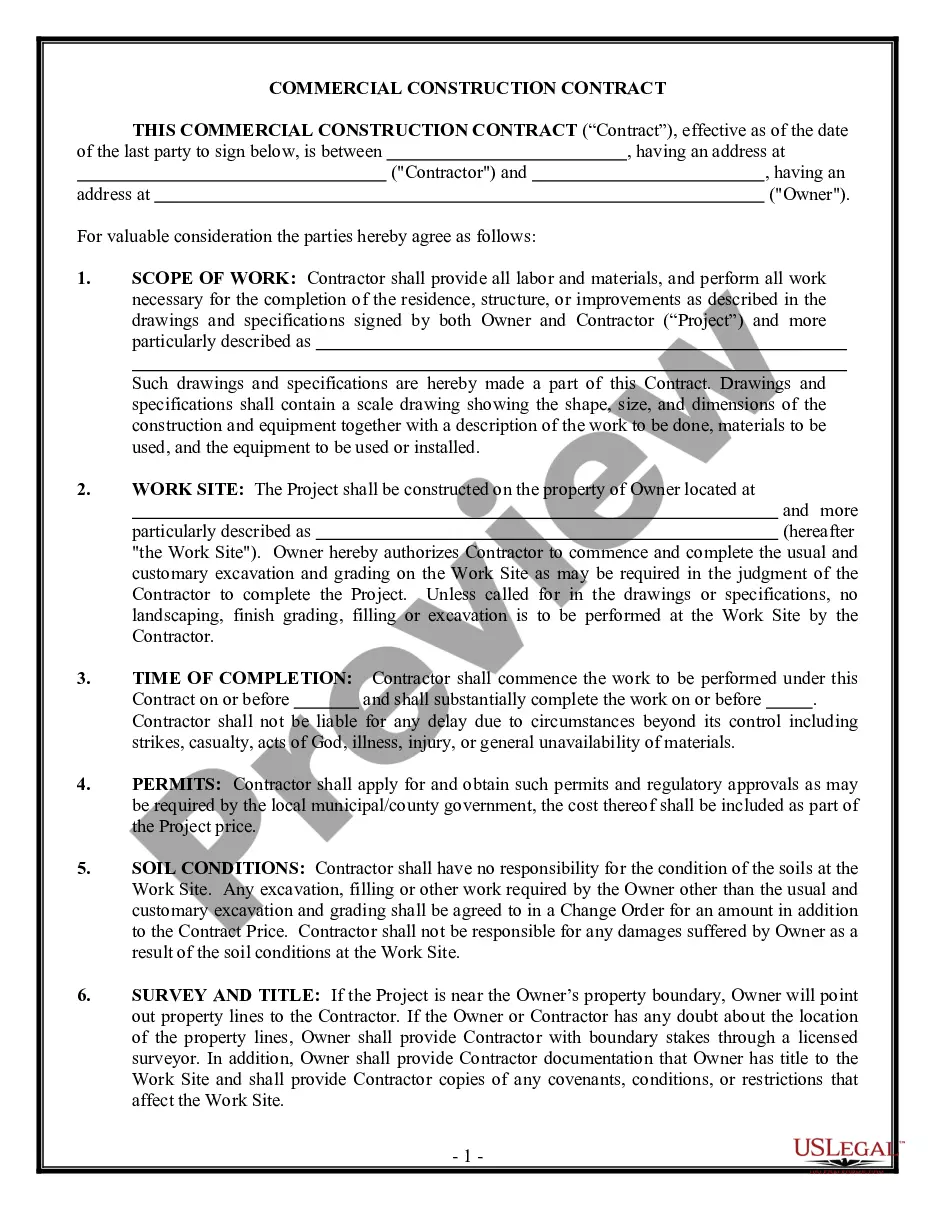
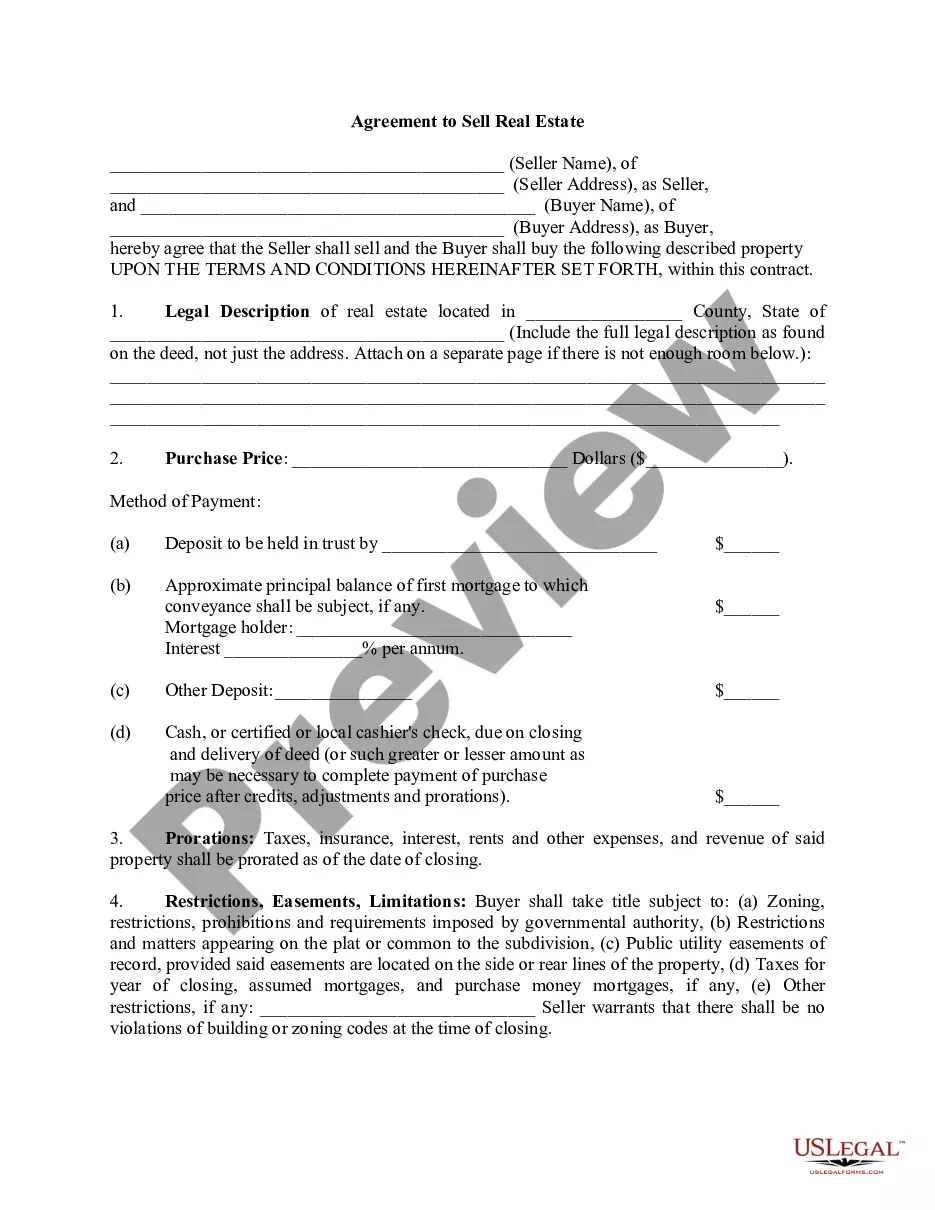
Form popularity
FAQ
A rejection on the ground of lack of utility is appropriate when (1) it is not apparent why the invention is “useful” because applicant has failed to identify any specific and substantial utility and there is no well established utility, or (2) an assertion of specific and substantial utility for the invention is not ...
Patent applications: the three criteria Novelty. This means that your invention must not have been made public – not even by yourself – before the date of the application. Inventive step. This means that your product or process must be an inventive solution. Industrial applicability.
Patent applications: the three criteria Novelty. This means that your invention must not have been made public – not even by yourself – before the date of the application. Inventive step. This means that your product or process must be an inventive solution. Industrial applicability.
These five steps will help you plan out the patent process as you seek to protect your invention. Understand your invention. The first step in how to get a patent is to understand your invention. Research your invention. Choose the type of protection. Draft your patent application. Wait for a formal response.
Under the “first to file” system, there exists no value in obtaining a Poor Man's Patent since it now only matters who filed for the patent first and not who came up with the idea first. Essentially, a Poor Man's Patent has about as much value today as the postage affixed to the envelope.
The five primary requirements for patentability are: (1) patentable subject matter; (2) utility; (3) novelty; (4) non-obviousness; and (5) enablement. Like trademarks, patents are territorial, meaning they are enforceable in a specific geographic area.
Usually, our spine specialists consider surgery only if symptoms such as weakness, numbness, or pain in the arms or legs indicate severe or progressive nerve or spinal cord compression.
Surgeons can relieve pressure on the spinal cord and nerves, and restore spine alignment and health by performing surgery. Possible surgeries include: Laminectomy is a surgery that doctors perform to treat spinal stenosis by removing the bony spurs and the bone walls of the vertebrae.
Beyond quantification of stenosis, the NASCET ratio has been used to categorize carotid stenosis as moderate (≥50%–69%) and severe (≥70%).
A grade of patent without stenosis was given to any vessel displaying no or only minor disturbances in color-flow characteristics and no stenoses of ≥50%. A grade of patent with stenosis was assigned to any vessel displaying moderate or severe disturbances in color-flow characteristics and a stenosis of ≥50%.
