Patent Infringement In China In Queens
Description

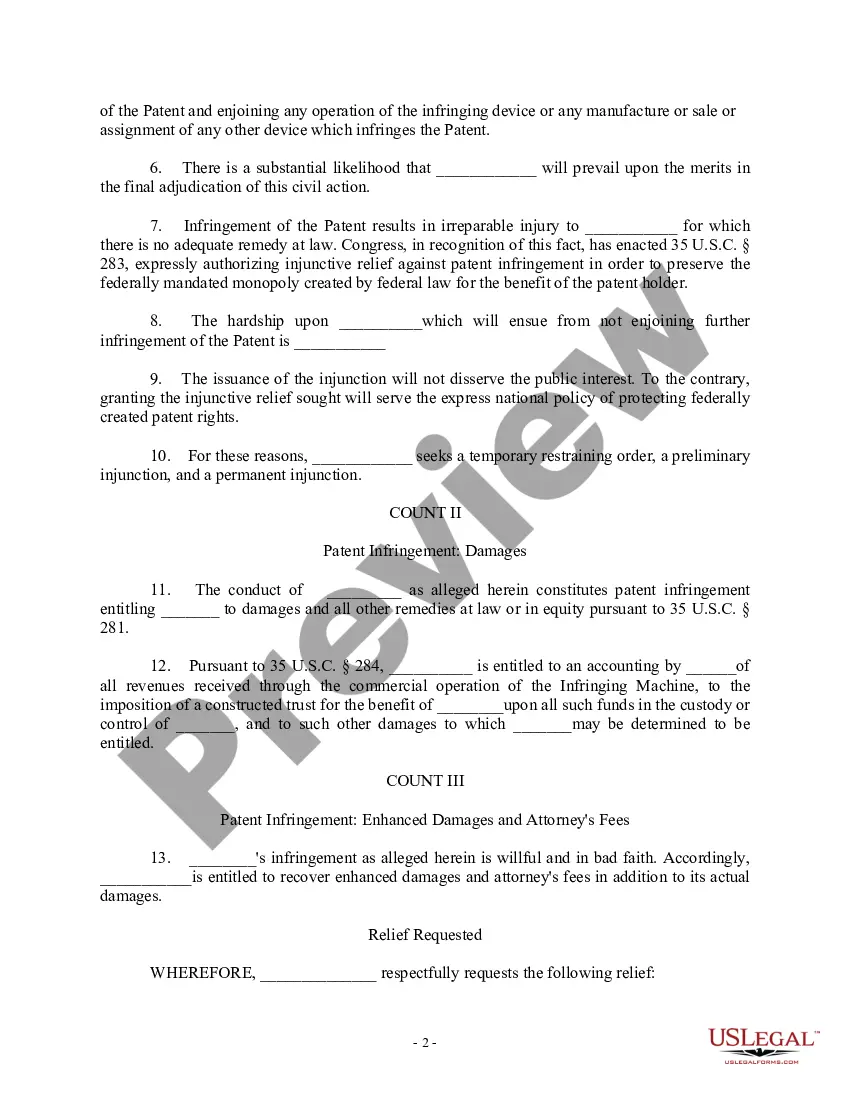
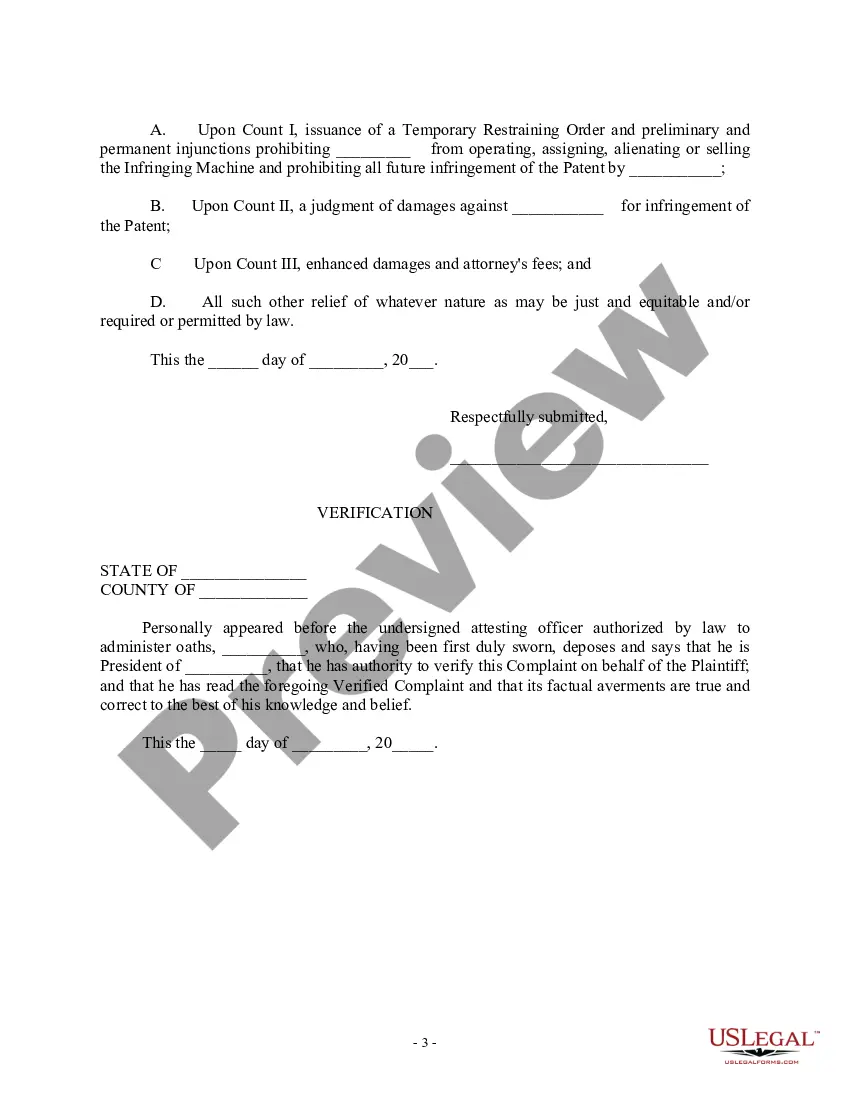
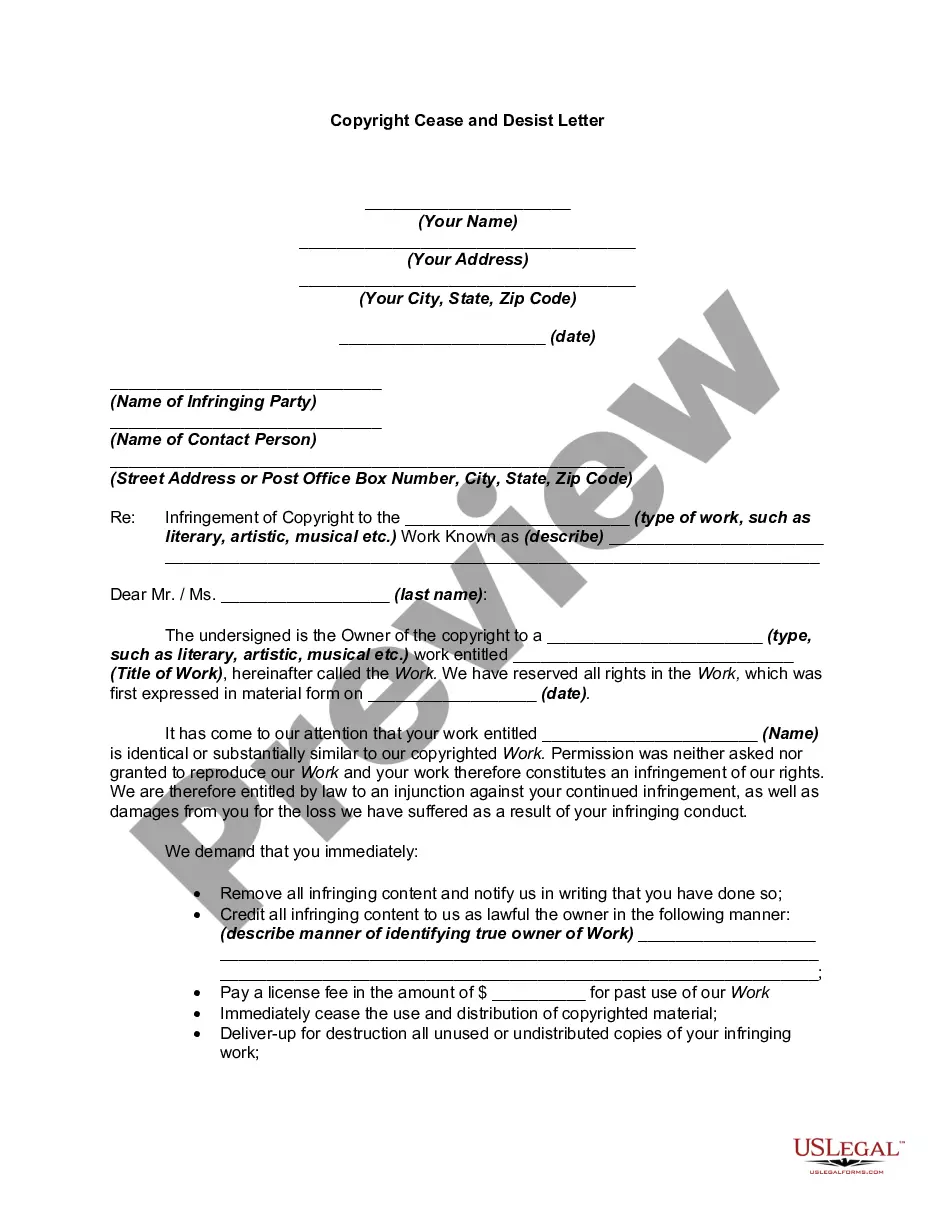
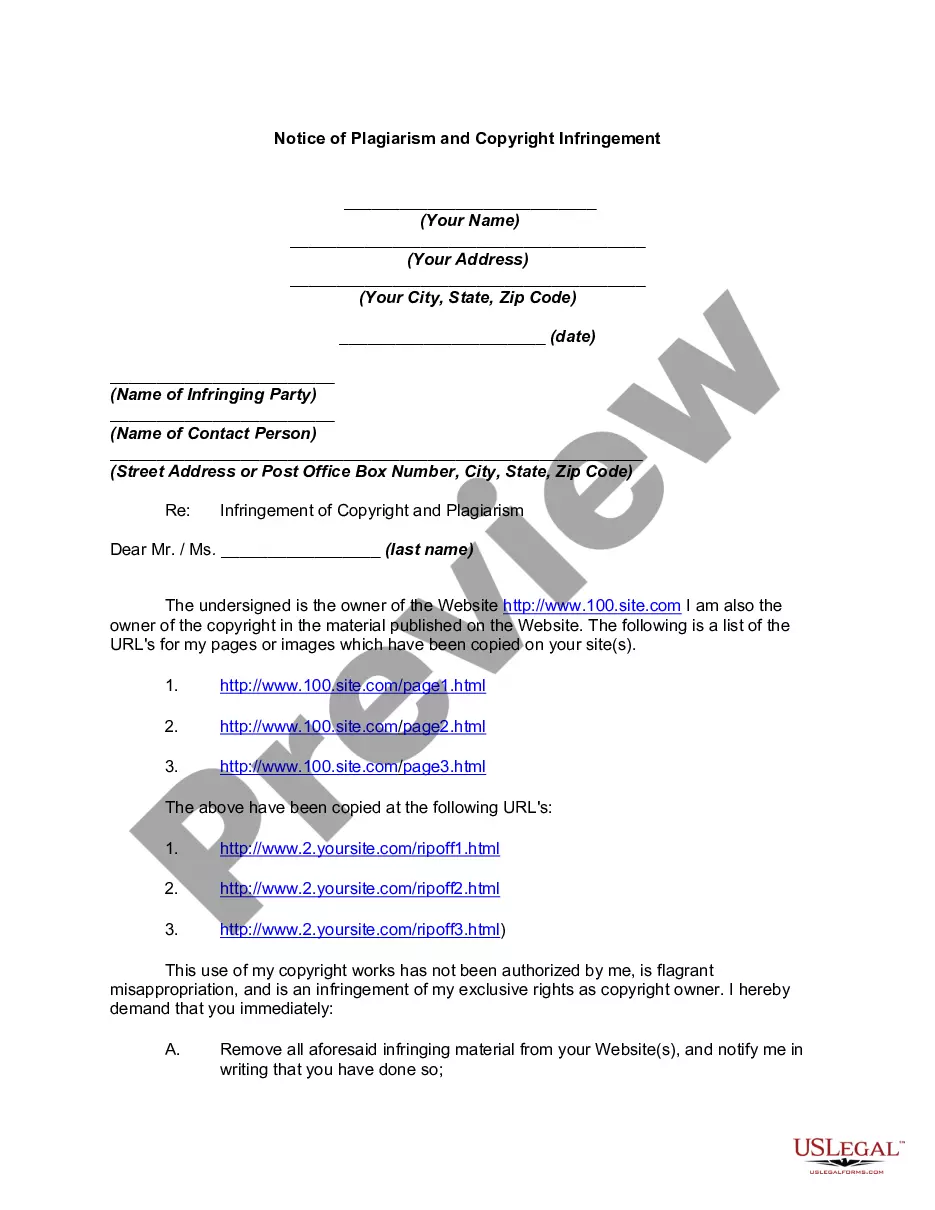
Get your form ready online
Our built-in tools help you complete, sign, share, and store your documents in one place.
Make edits, fill in missing information, and update formatting in US Legal Forms—just like you would in MS Word.
Download a copy, print it, send it by email, or mail it via USPS—whatever works best for your next step.
Sign and collect signatures with our SignNow integration. Send to multiple recipients, set reminders, and more. Go Premium to unlock E-Sign.
If this form requires notarization, complete it online through a secure video call—no need to meet a notary in person or wait for an appointment.
We protect your documents and personal data by following strict security and privacy standards.

Make edits, fill in missing information, and update formatting in US Legal Forms—just like you would in MS Word.

Download a copy, print it, send it by email, or mail it via USPS—whatever works best for your next step.

Sign and collect signatures with our SignNow integration. Send to multiple recipients, set reminders, and more. Go Premium to unlock E-Sign.

If this form requires notarization, complete it online through a secure video call—no need to meet a notary in person or wait for an appointment.

We protect your documents and personal data by following strict security and privacy standards.
Looking for another form?
Form popularity
FAQ
China has laws that prohibit Internet piracy, DVD, video and counterfeit goods, but some believe the government hasn't put the resources into tracking down and prosecuting pirates.
China has its own set of laws regarding intellectual property, and pursuing legal action there may be complex. However, international agreements and treaties provide some avenues for seeking justice.
Having your valuable patents registered and recognized in China will put you in a much better position when you explore options against infringers. After all, the patents published or granted by the USPTO are accessible to potential infringers from every corner of the world with an internet connection, including China.
A court can, in its discretion, also assess costs and attorneys' fees. For detail, see Title 17, United States Code, Sections 504, 505. Willful copyright infringement can also result in criminal penalties, including imprisonment of up to five (5) years and fines up to $250,000 per offense.
An application for invention patent shall go through five phases, i.e., acceptance, preliminary examination, publication, substantive examination and granting. At present, the examination period for utility model takes 8 to 10 months and about 6 months for designs.
Getting Started in Litigation Your attorney will file a formal complaint in federal court, explaining how the defendant has infringed on your patent. Together with your attorney, you will need to compile evidence of your ownership of the patent and the infringement.
A patent owner can enforce its patent rights against an infringer in any federal district court that has personal jurisdiction over the defendant. A patent owner can also enforce its patent rights in an administrative proceeding before the United States International Trade Commission (ITC).
How long does it take to get a Patent in China? In Mainland China, it takes about 6 months from the filing of a patent application to get a Design patent, 6-8 months to get a Utility Model Patent, and 2-5 years to get an Invention patent.
Examination proceeding for inventions includes five stages, namely receiving, preliminary examination, publication, substantive examination, and grant.