Patent Foramina In Palm Beach
Description
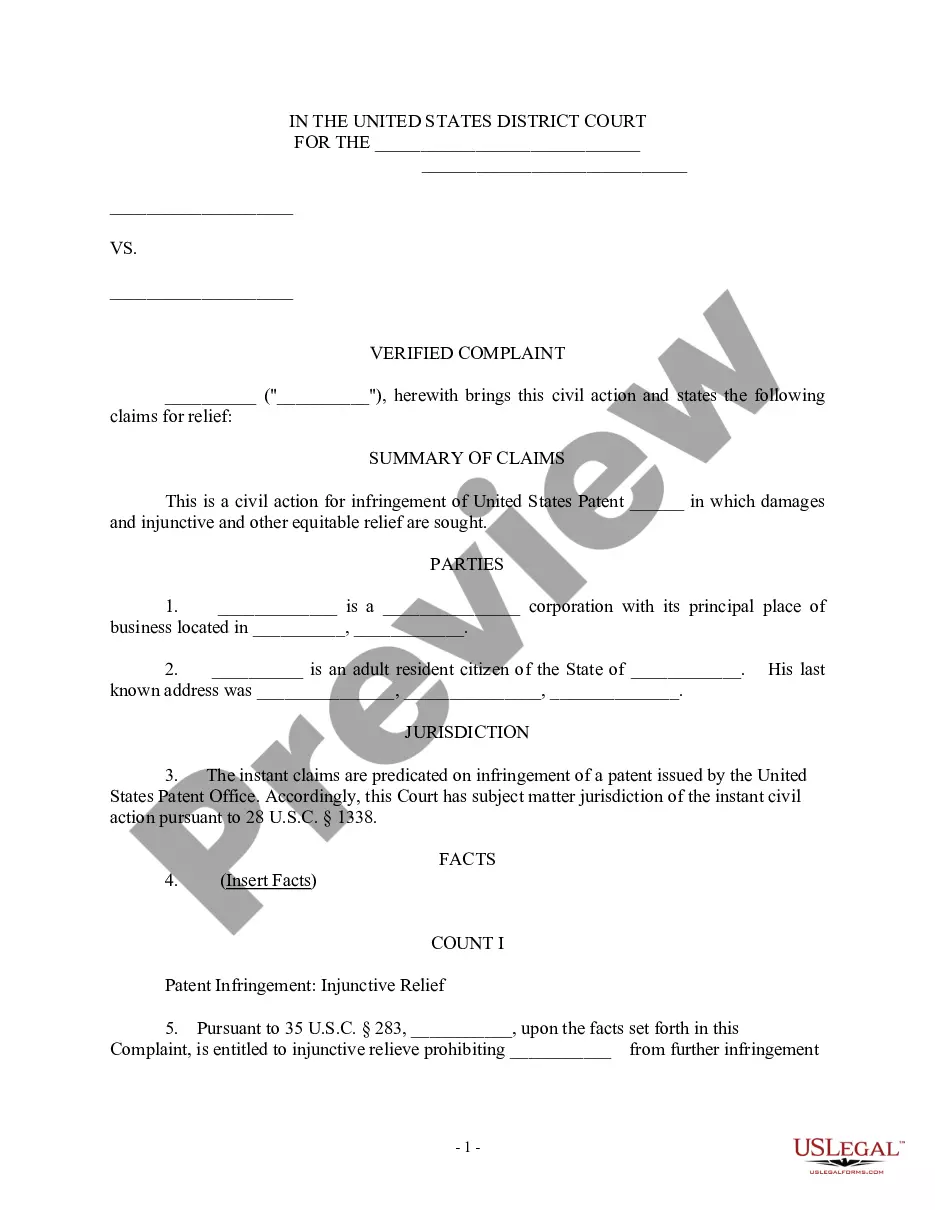
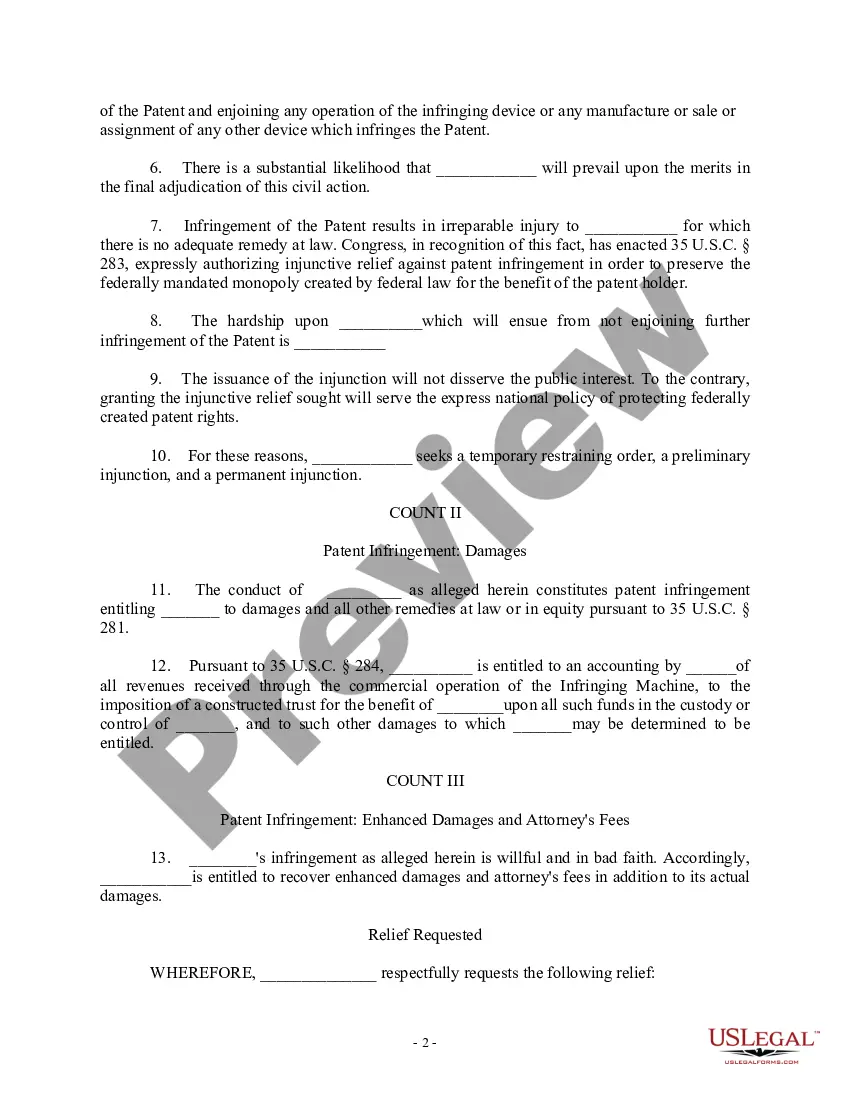
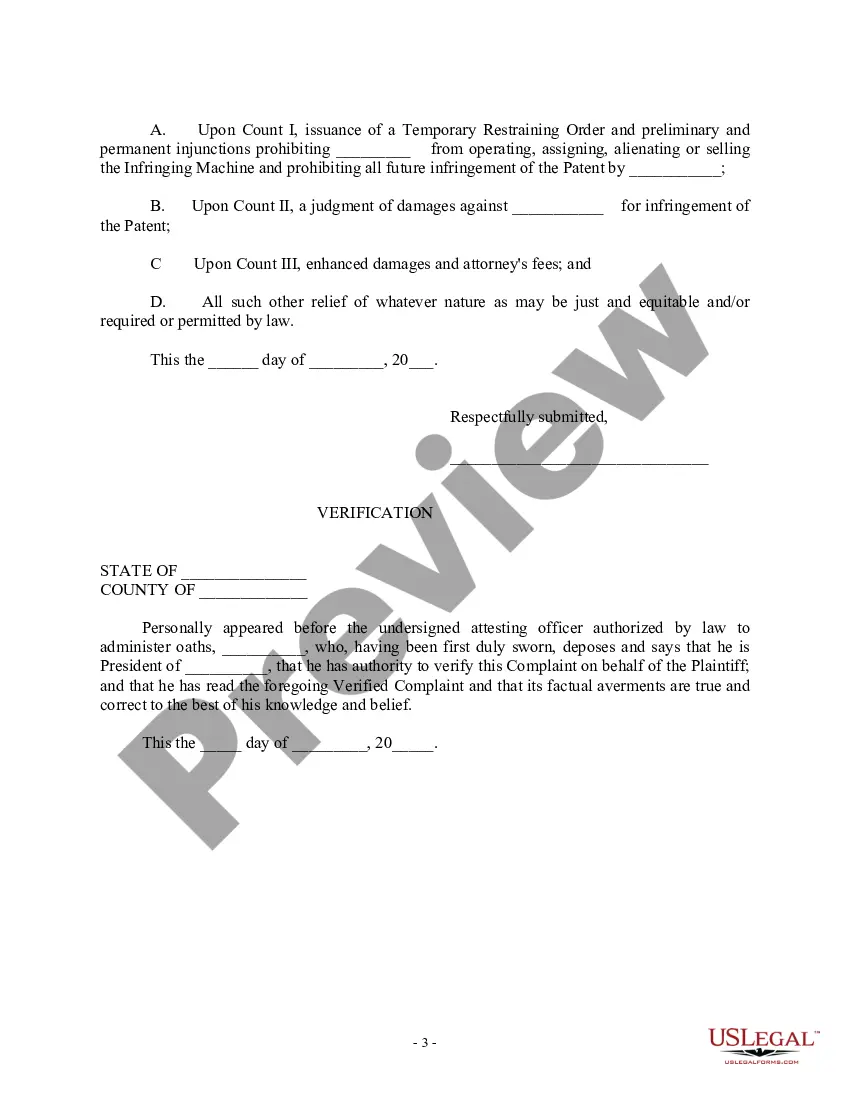
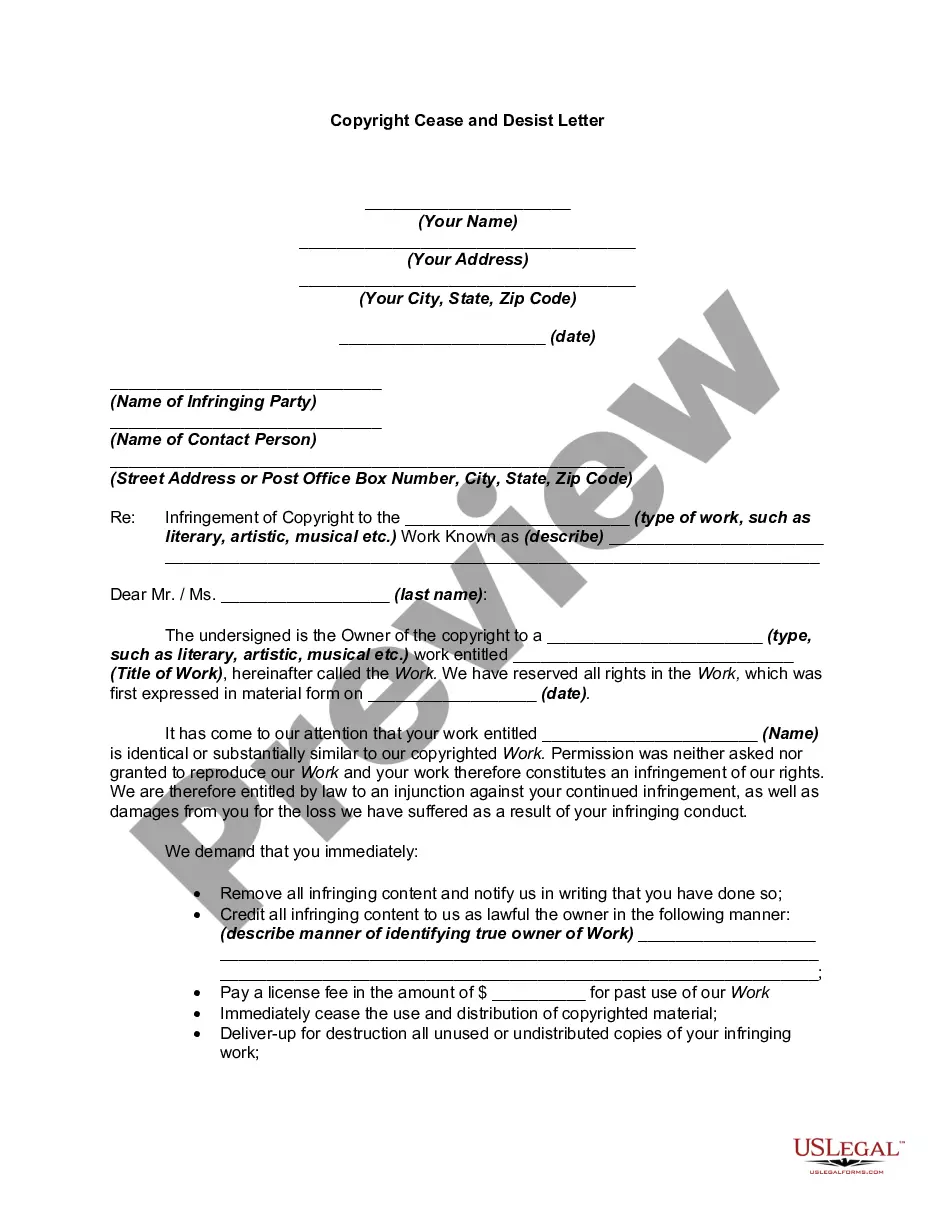
Get your form ready online
Our built-in tools help you complete, sign, share, and store your documents in one place.
Make edits, fill in missing information, and update formatting in US Legal Forms—just like you would in MS Word.
Download a copy, print it, send it by email, or mail it via USPS—whatever works best for your next step.
Sign and collect signatures with our SignNow integration. Send to multiple recipients, set reminders, and more. Go Premium to unlock E-Sign.
If this form requires notarization, complete it online through a secure video call—no need to meet a notary in person or wait for an appointment.
We protect your documents and personal data by following strict security and privacy standards.

Make edits, fill in missing information, and update formatting in US Legal Forms—just like you would in MS Word.

Download a copy, print it, send it by email, or mail it via USPS—whatever works best for your next step.

Sign and collect signatures with our SignNow integration. Send to multiple recipients, set reminders, and more. Go Premium to unlock E-Sign.

If this form requires notarization, complete it online through a secure video call—no need to meet a notary in person or wait for an appointment.

We protect your documents and personal data by following strict security and privacy standards.
Looking for another form?









Form popularity
FAQ
Procedures to close a patent foramen ovale include: Device closure. In this procedure, the provider inserts a thin, flexible tube called a catheter into a blood vessel in the groin area. The catheter tip has a device to plug the PFO . Surgical closure. In this heart surgery, the surgeon uses stitches to close the PFO .
PFO itself usually does not cause any symptoms. PFO can occasionally result in complications. The most serious of these is stroke. Most people will not need treatment for a PFO.
PFO is common, presenting in about one in four people. But more than 95% of those with the condition will never find out, as most don't suffer PFO symptoms or health issues. Heart specialists don't often need to diagnose or treat PFO in healthy patients.
A patent foramen ovale (PFO) is a hole in the heart that didn't close the way it should after birth. The hole is a small flaplike opening between the upper heart chambers. The upper chambers of the heart are called the atria.
2) The foramen magnum is the opening in the bottom of the skull through which the spinal cord exits. "Widely patent" means that is is of normal size. 3) This term means there is a bit of extra bone growth around the openings in the spinal column through which the nerve roots from the spinal cord emerge.
No, the use of an attorney or registered agent is not required for filing a patent application. However, an attorney or registered agent is often a useful resource and the USPTO recommends the use of such for preparing a patent application and conducting the proceedings in the USPTO.
Many inventors hire a patent attorney to help them navigate the application process, but this is not always necessary or worthwhile. Attorney fees tend to be very expensive, often costing more than the application fees.
No, the use of an attorney or registered agent is not required for filing a patent application. However, an attorney or registered agent is often a useful resource and the USPTO recommends the use of such for preparing a patent application and conducting the proceedings in the USPTO.
U.S. Patent and Trademark Office (USPTO)
So, let's get started. Step 1: Idea incubation phase. Step 2: Patentability search (optional step) ... Step 3: Patent drafting/writing. Step 4: Filing patent application. Step 5: Publication of application. Step 6: Request for examination (RFE) ... Step 7: Response to objections. Step 8: Grant of patent.
