Patent Infringement In India In Nevada
Description

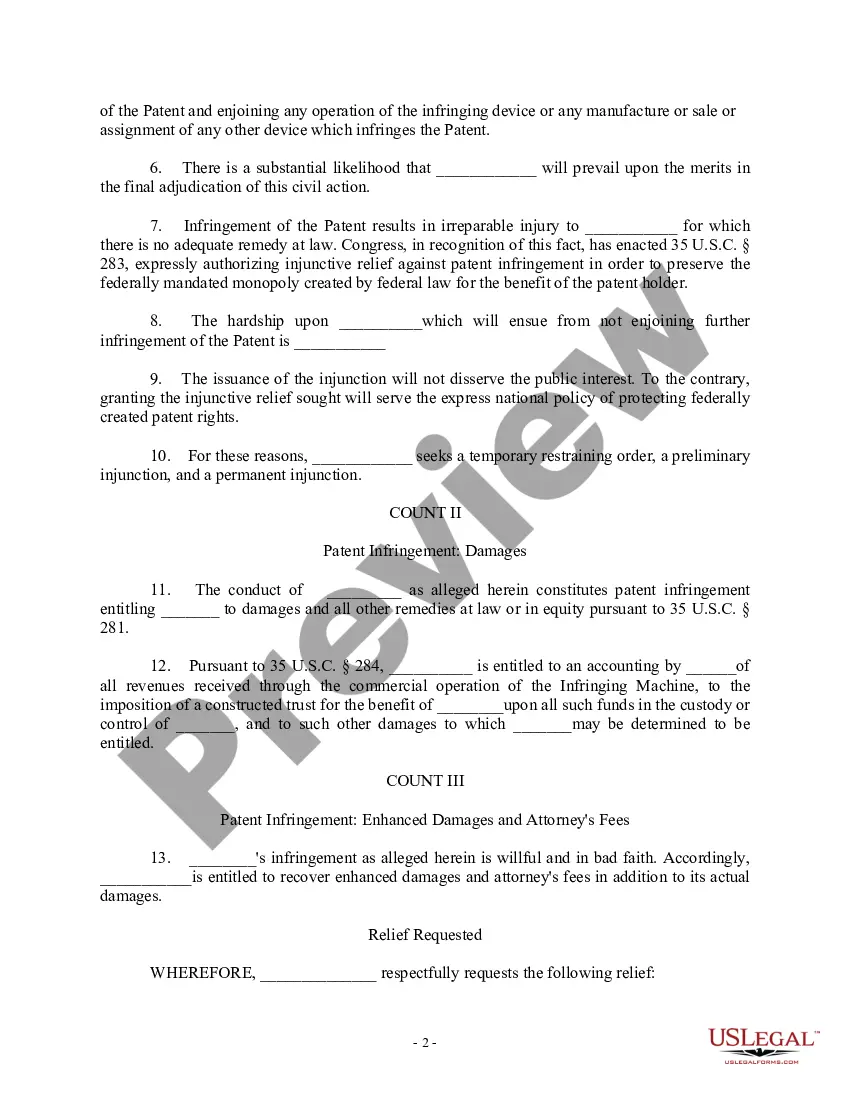
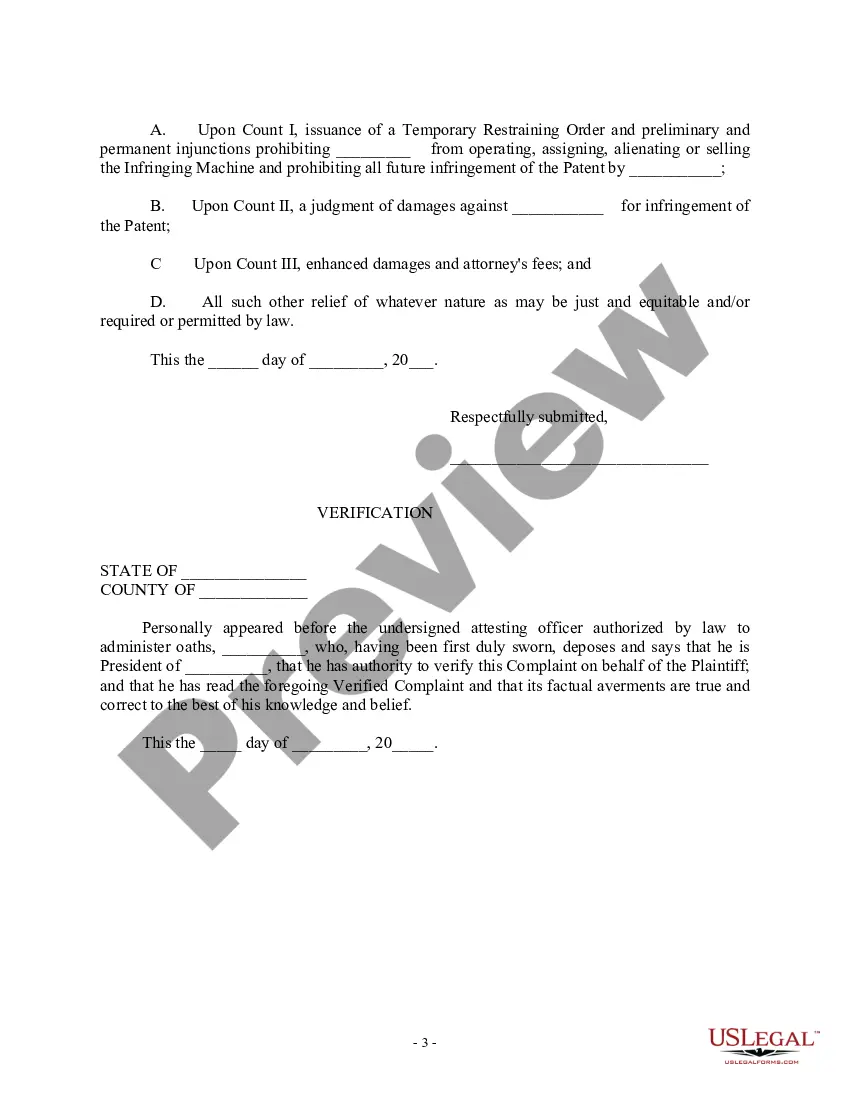
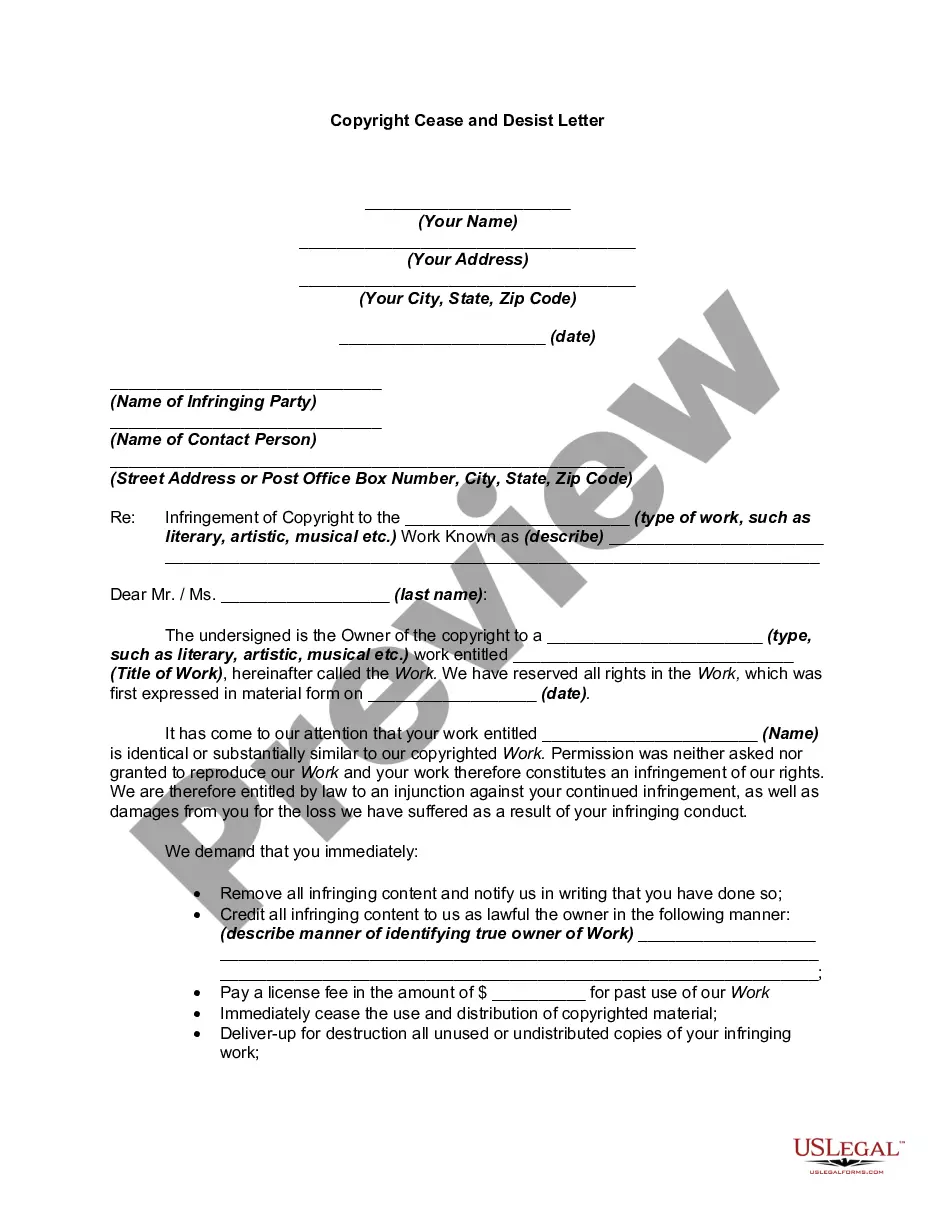
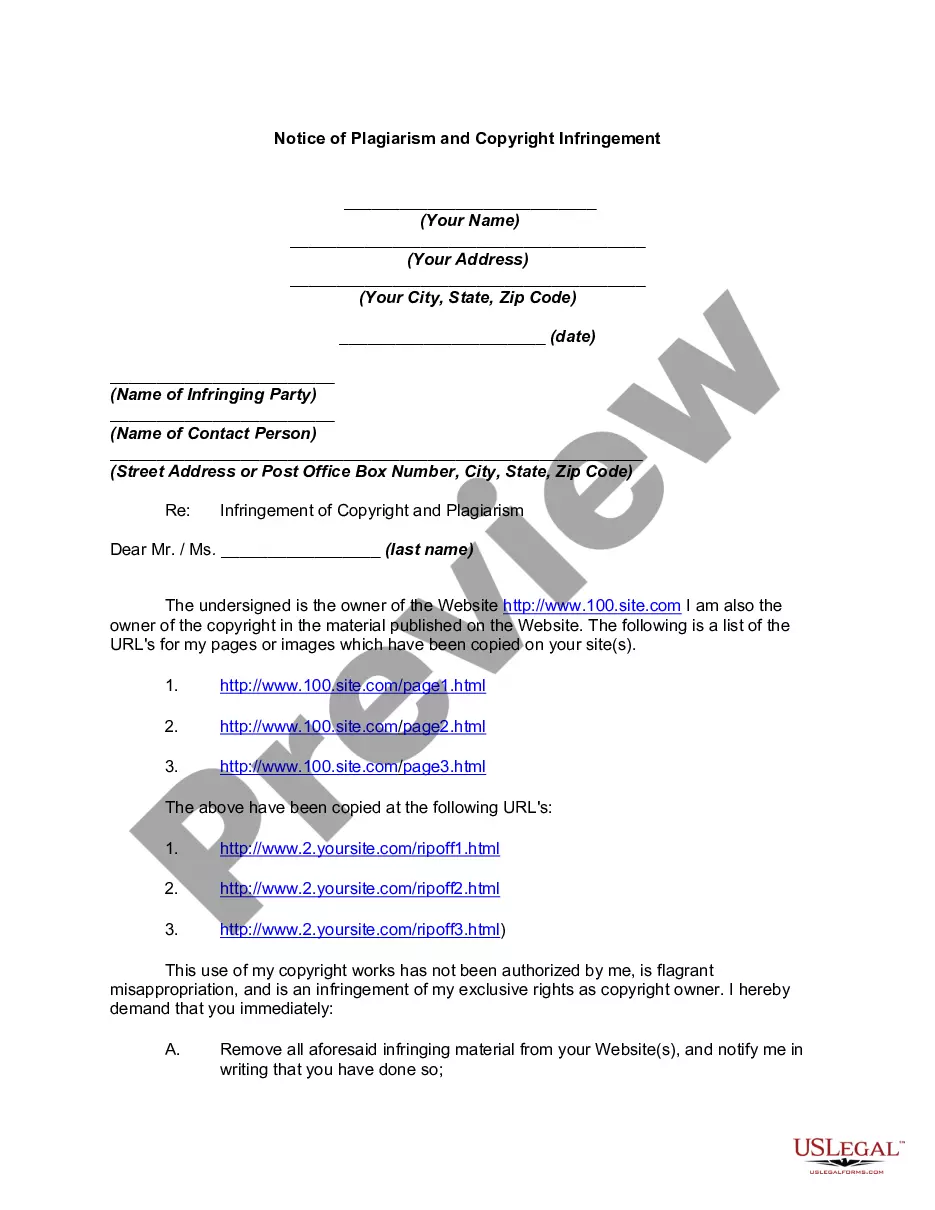
Get your form ready online
Our built-in tools help you complete, sign, share, and store your documents in one place.
Make edits, fill in missing information, and update formatting in US Legal Forms—just like you would in MS Word.
Download a copy, print it, send it by email, or mail it via USPS—whatever works best for your next step.
Sign and collect signatures with our SignNow integration. Send to multiple recipients, set reminders, and more. Go Premium to unlock E-Sign.
If this form requires notarization, complete it online through a secure video call—no need to meet a notary in person or wait for an appointment.
We protect your documents and personal data by following strict security and privacy standards.

Make edits, fill in missing information, and update formatting in US Legal Forms—just like you would in MS Word.

Download a copy, print it, send it by email, or mail it via USPS—whatever works best for your next step.

Sign and collect signatures with our SignNow integration. Send to multiple recipients, set reminders, and more. Go Premium to unlock E-Sign.

If this form requires notarization, complete it online through a secure video call—no need to meet a notary in person or wait for an appointment.

We protect your documents and personal data by following strict security and privacy standards.
Looking for another form?







Form popularity
FAQ
Patent infringement in India can lead to civil remedies such as injunctions, damages, or an account of profits. Criminal penalties are generally not applied, but financial liability can be substantial.
Patent Infringement: Punishment ing to Patents Act (Section 120), if an individual falsely declares that any object sold by them is patented in India or is the subject of a patent application in India, they are penalised with a fine of up to ₹1 lakh.
4. Does Indian Patent give protection worldwide? No. Patent protection is a territorial right and therefore it is effective only within the territory of India.
The remedies include temporary injunction, permanent injunction, damages or account of profits.
If the patent is licensed exclusively, the rights of the exclusive licensee to sue for infringement are equivalent to that of the patentee. The exclusive licensee must make the patentee a party to the proceedings either as a plaintiff or defendant.
The remedy against continued infringement of a patent is an injunction. In a patent infringement suit, an injunction is a court order prohibiting the manufacture, use, or sale of the patented invention. This can include prohibition of the continued use of articles made prior to the issuance of the patent.
The six defences against patent infringement in India are the prior use defence, independent creation defence, obviousness defence, non-infringement defence, experimental use defence, and invalidity defence.
If a copyright owner wants to initiate criminal proceedings, they can either file FIR under Section 154 of the Cr. P.C. or file an application under Section 156(3) of the Cr. P.C. The offences under this act are bailable as per the decision of Delhi High Court in State Govt. of NCT of Delhi vs.
Product patent system gives higher level of protection to the inventor as there will not be any other patent holder. TRIPs follow the product patent regime. India's 1970 Patent Act allowed only process patent before it was amended in 2005 to comply with WTO's TRIPs provisions under which there is only product patents.
Generally, patent enforcement actions come within the scope of regular litigation before civil courts. Pursuant to the abolishment of the Intellectual Property Appellate Board in April 2021, all of the board's matters were transferred to the respective High Courts of Delhi, Bombay, Calcutta and Madras.