Patent Withdrawn Meaning In Kings
Description

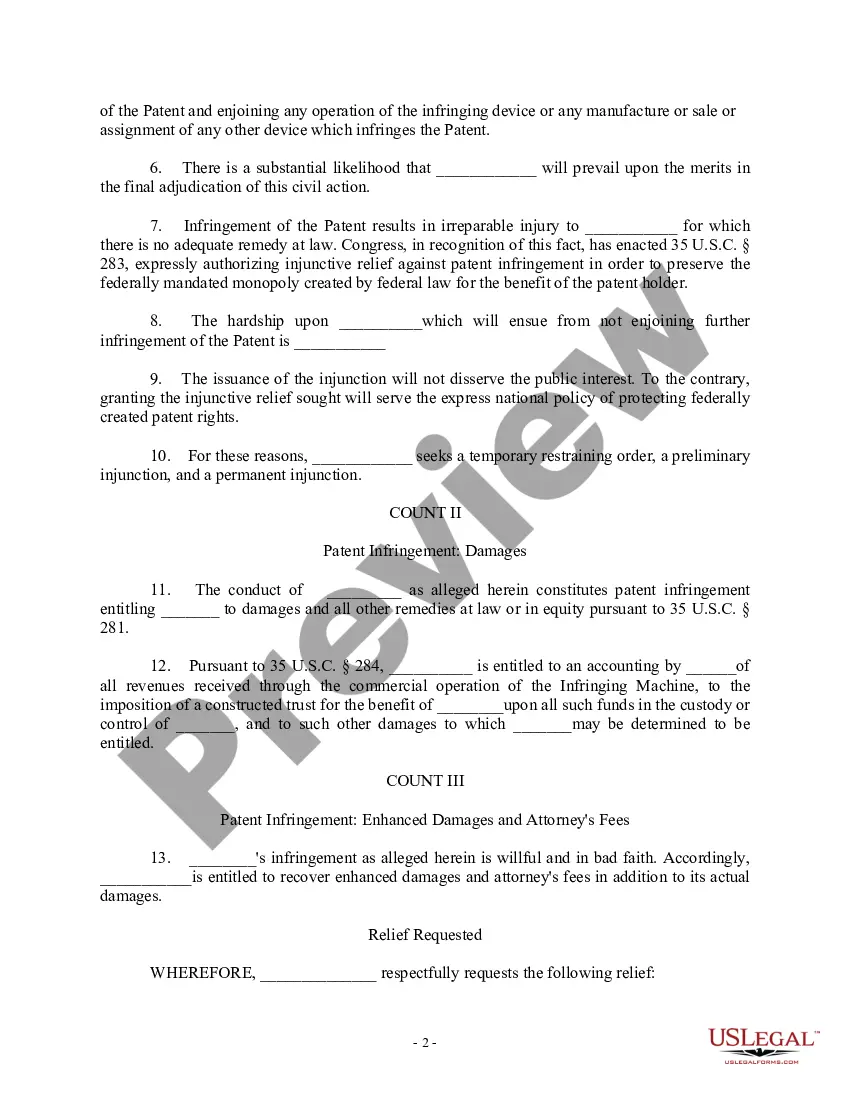
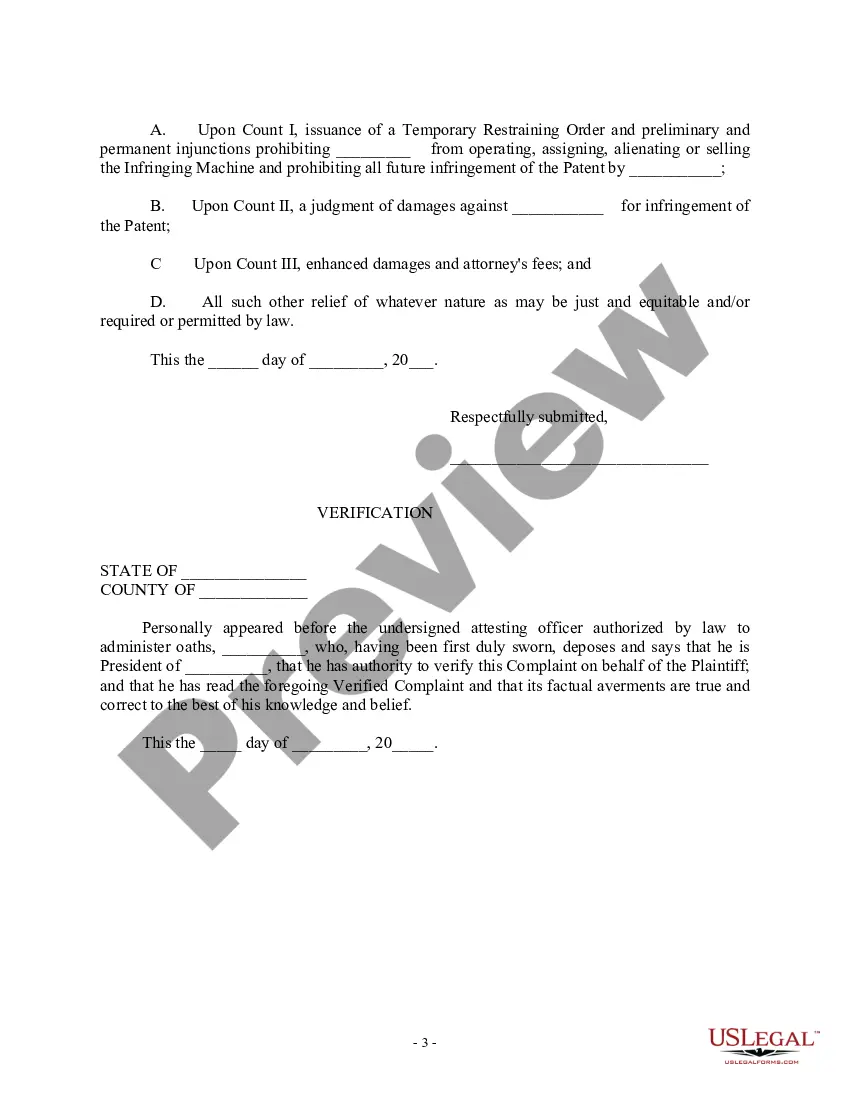
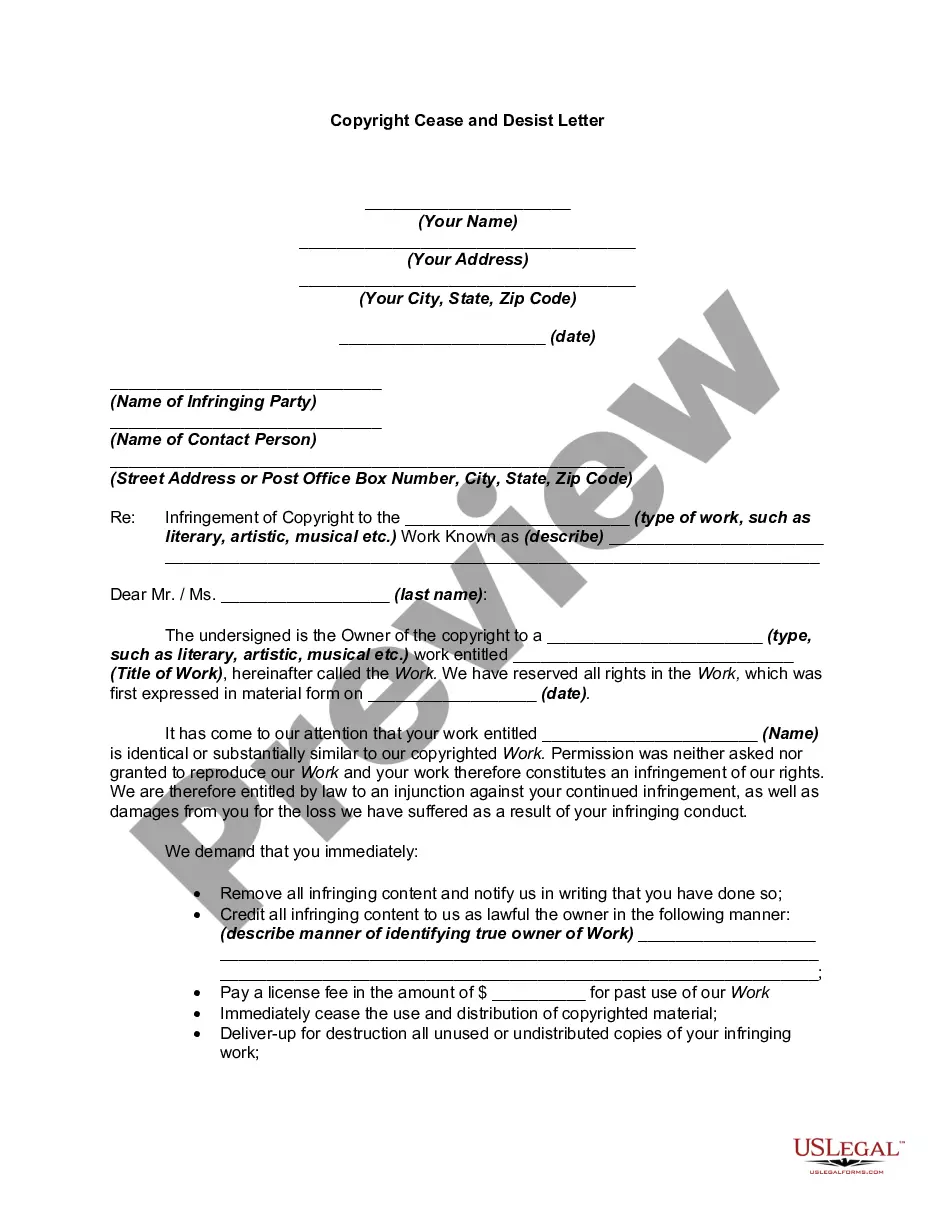
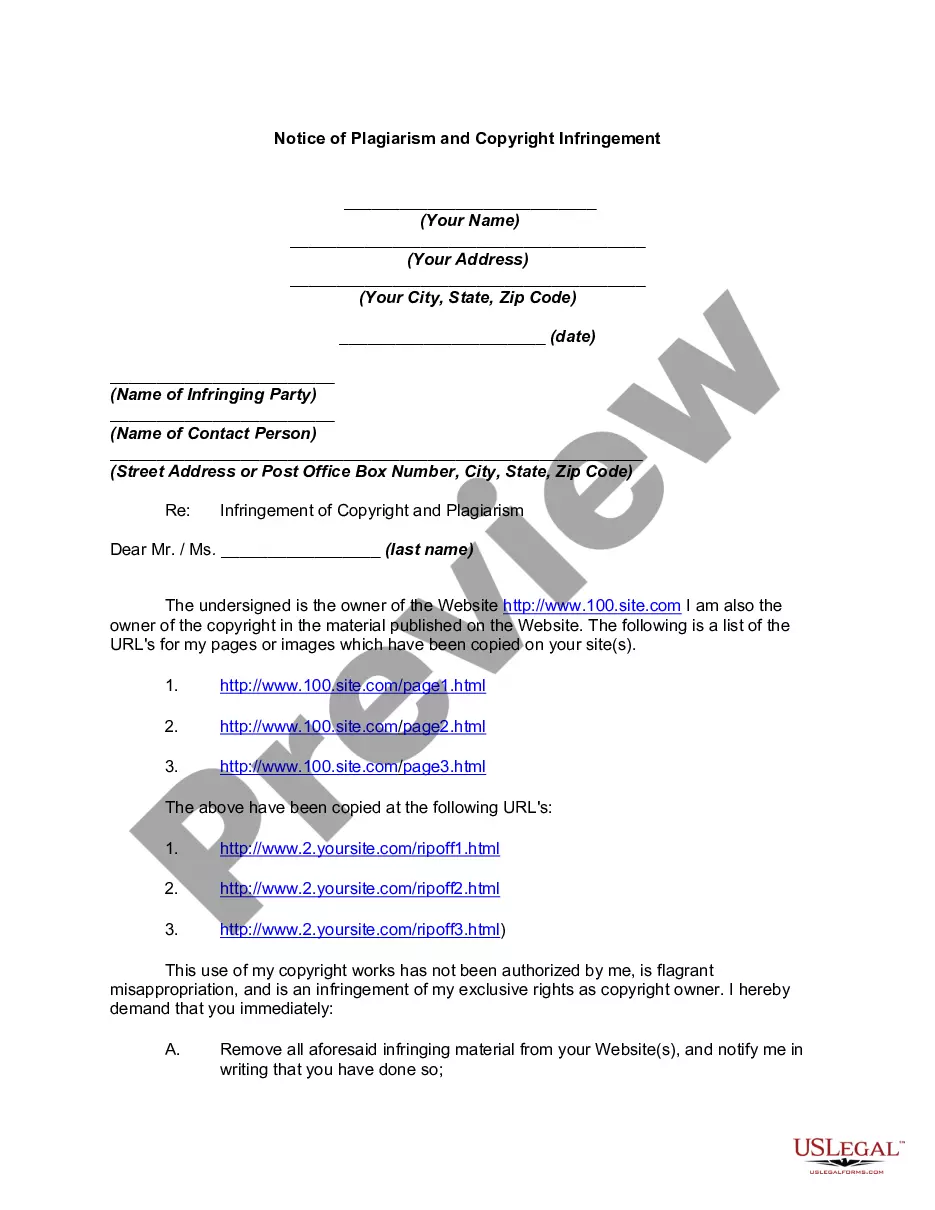
Get your form ready online
Our built-in tools help you complete, sign, share, and store your documents in one place.
Make edits, fill in missing information, and update formatting in US Legal Forms—just like you would in MS Word.
Download a copy, print it, send it by email, or mail it via USPS—whatever works best for your next step.
Sign and collect signatures with our SignNow integration. Send to multiple recipients, set reminders, and more. Go Premium to unlock E-Sign.
If this form requires notarization, complete it online through a secure video call—no need to meet a notary in person or wait for an appointment.
We protect your documents and personal data by following strict security and privacy standards.

Make edits, fill in missing information, and update formatting in US Legal Forms—just like you would in MS Word.

Download a copy, print it, send it by email, or mail it via USPS—whatever works best for your next step.

Sign and collect signatures with our SignNow integration. Send to multiple recipients, set reminders, and more. Go Premium to unlock E-Sign.

If this form requires notarization, complete it online through a secure video call—no need to meet a notary in person or wait for an appointment.

We protect your documents and personal data by following strict security and privacy standards.
Looking for another form?







Form popularity
FAQ
1. : an official document granting a right or privilege. especially : a writing granting to an inventor for a term of years the only right to make, use, or sell his or her invention. 2. : the right granted by a patent.
Before we dive in, here's a quick overview on patents and copyrights: a patent protects inventions and designs, like engines or a phone casing, and a copyright protects original artistic and literary works, like songs or books.
A patent is an exclusive right granted for an invention, which is a product or a process that provides, in general, a new way of doing something, or offers a new technical solution to a problem. To get a patent, technical information about the invention must be disclosed to the public in a patent application.
Means that the patent has been subsequently revoked or cancelled. This occurs when it is determined that the granted patent should not have been granted or that certain requirements for the grant of the patent were not met.
The five primary requirements for patentability are: (1) patentable subject matter, (2) utility, (3) novelty, (4) nonobviousness, and (5) enablement.
1. : an official document conferring a right or privilege : letters patent. 2. a. : a writing securing for a term of years the right to exclude others from making, using, or selling an invention.
Definition of "withdrawn patent" An approved patent application that the applicant decides not to go ahead with, preventing its issuance on the scheduled date, and hence, it will not appear in the patent database or official USPTO site How to use "withdrawn patent" in a sentence.
Format of a Patent Application The Specification. The Title. The Description. The Claims. The Drawings. The Abstract. Sample Specifications. Minimum Requirements for a Filing Date.
Deemed withdrawn means decision by county that application is no longer valid. “ Discretionary project” means a project that requires the exercise of judgment or.
Deemed withdrawn means decision by county that application is no longer valid. “ Discretionary project” means a project that requires the exercise of judgment or.
