Patient With Me In Georgia
Description

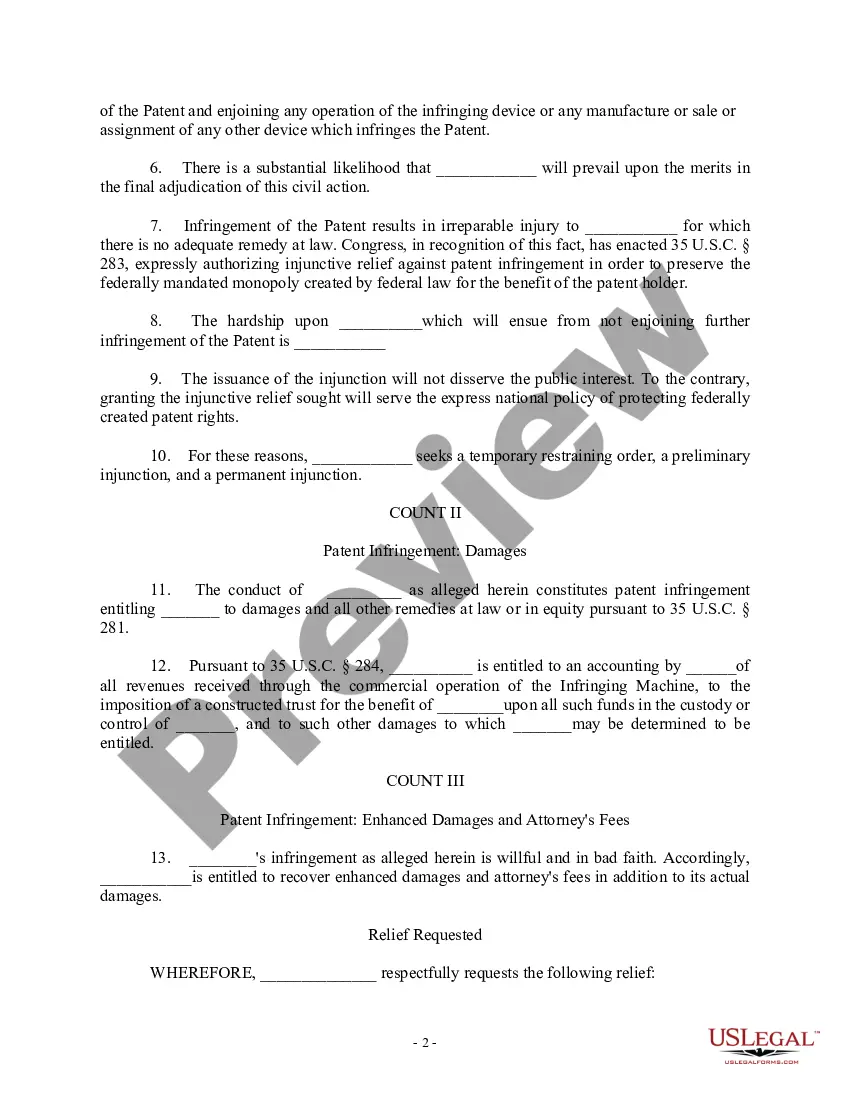
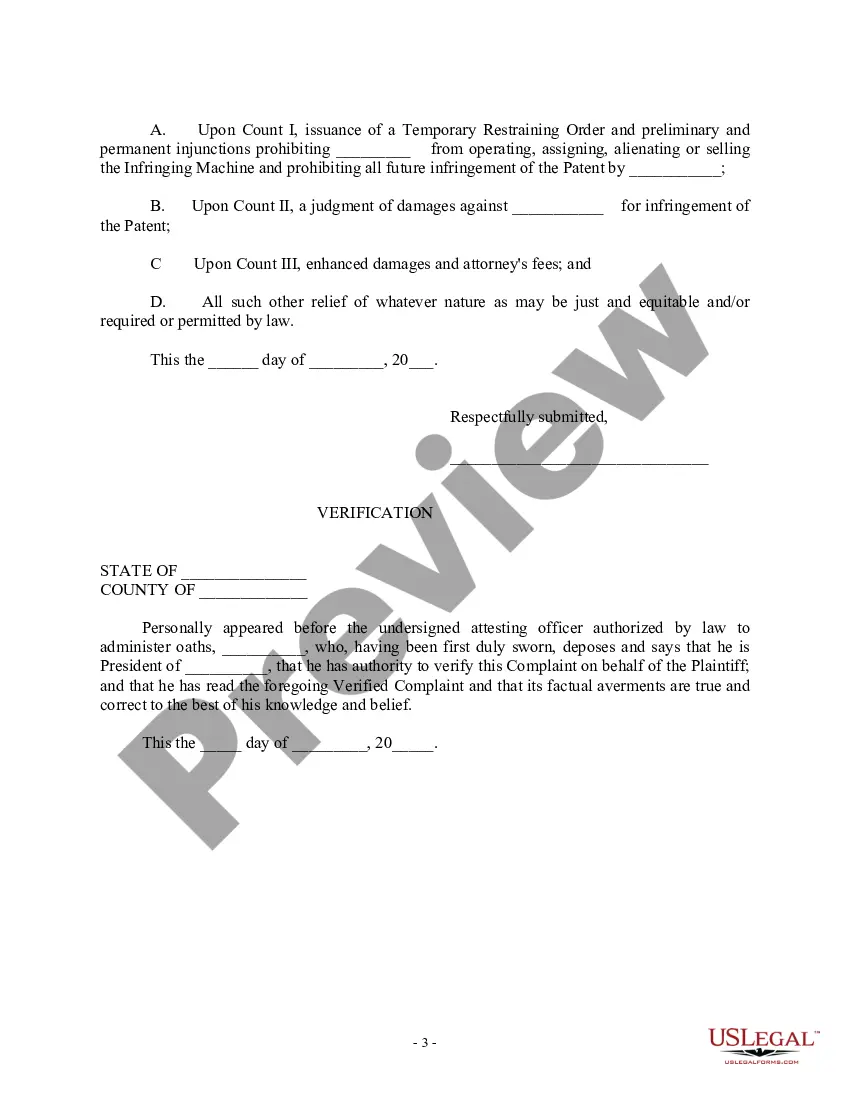
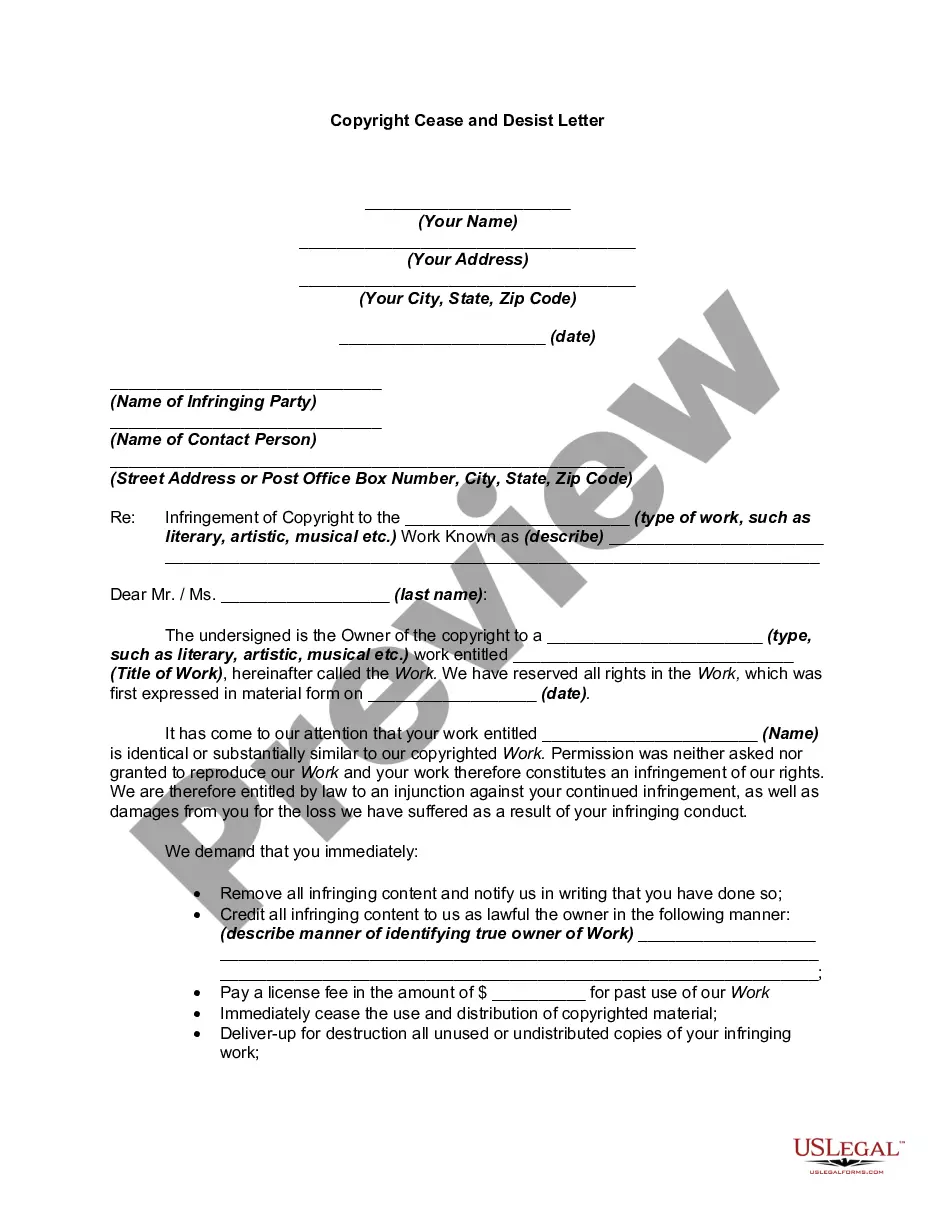
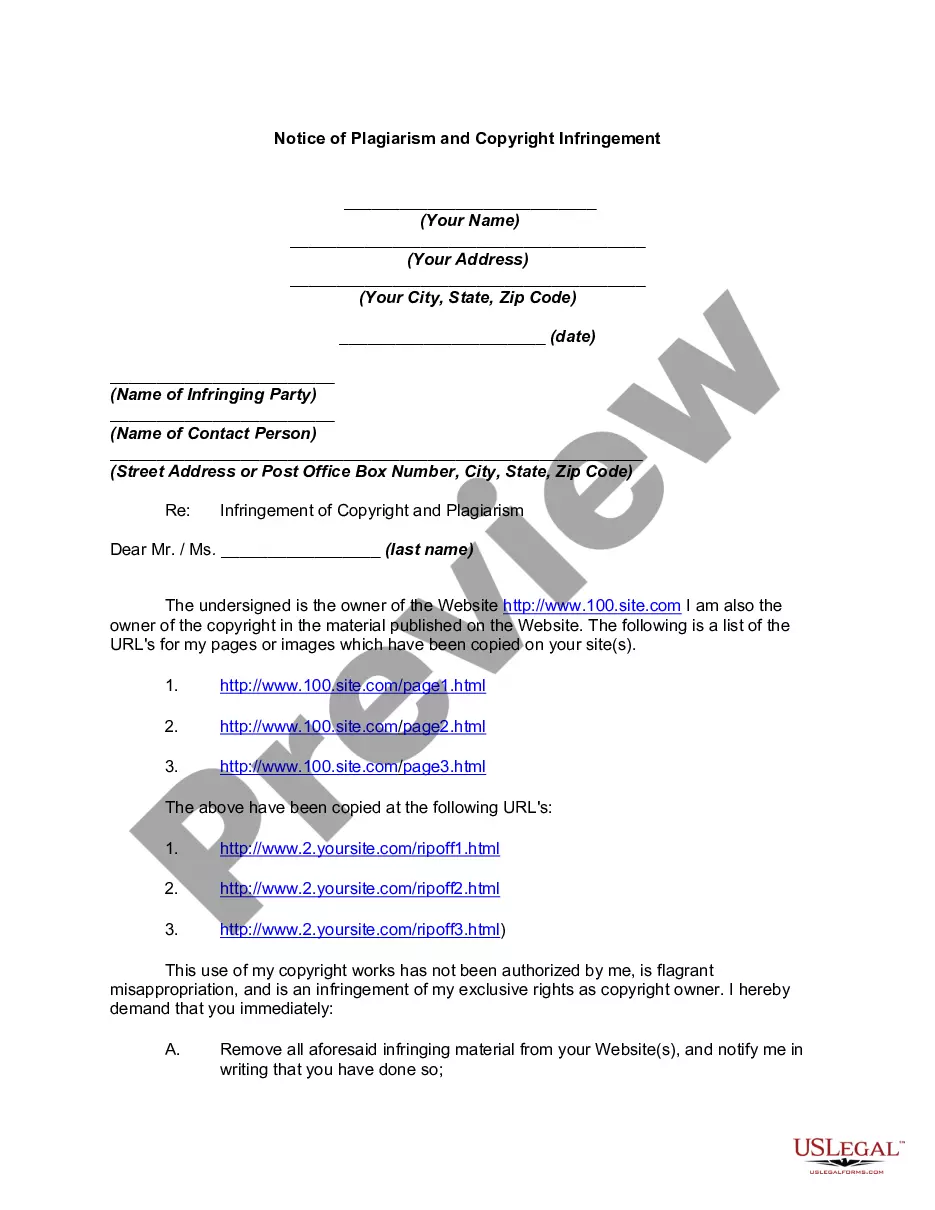
Get your form ready online
Our built-in tools help you complete, sign, share, and store your documents in one place.
Make edits, fill in missing information, and update formatting in US Legal Forms—just like you would in MS Word.
Download a copy, print it, send it by email, or mail it via USPS—whatever works best for your next step.
Sign and collect signatures with our SignNow integration. Send to multiple recipients, set reminders, and more. Go Premium to unlock E-Sign.
If this form requires notarization, complete it online through a secure video call—no need to meet a notary in person or wait for an appointment.
We protect your documents and personal data by following strict security and privacy standards.

Make edits, fill in missing information, and update formatting in US Legal Forms—just like you would in MS Word.

Download a copy, print it, send it by email, or mail it via USPS—whatever works best for your next step.

Sign and collect signatures with our SignNow integration. Send to multiple recipients, set reminders, and more. Go Premium to unlock E-Sign.

If this form requires notarization, complete it online through a secure video call—no need to meet a notary in person or wait for an appointment.

We protect your documents and personal data by following strict security and privacy standards.
Looking for another form?










Form popularity
FAQ
Physicians' primary ethical obligation to promote the well-being of individual patients encompasses an obligation to collaborate in a discharge plan that is safe for the patient. As advocates for their patients, physicians should resist any discharge requests that are likely to compromise a patient's safety.
This form does not need to be notarized and a copy of a validly executed advance directive for health care carries the same meaning and effect as the original document.
In emergency situations, including referrals to specialists from ER doctors, a patient must receive treatment until his or her condition is stabilized. He or she may not be discharged if the discharge would result in a worsened or new medical condition.
File a Complaint: If you believe you are being denied necessary care, you can file a complaint with the medical board or relevant health authority in your area. Educate Yourself: Research your condition and available treatments to have informed discussions with healthcare professionals.
How to fill out the Patient Registration Form and Instructions? Begin by entering your personal details in the patient information section. Complete the insurance coverage details as required. Fill in the emergency contact information accurately. Review the entire form to ensure all mandatory fields are completed.
Physician Order For Life-Sustaining Treatment (POLST) is a form developed by the Georgia Department of Public Health pursuant to Official Code of Georgia Section 31-1-4.
The attending physician makes the final decision on when it is appropriate to discharge a patient based on information received from the rest of the team.
A patient has the right to: Be treated with courtesy and respect, with appreciation of his or her dignity, and with protection of privacy. Receive a prompt and reasonable response to questions and requests. Know who is providing medical services and who is responsible for his or her care.
Medical abandonment is a serious matter within the realm of medical malpractice. Medical abandonment occurs when a healthcare professional terminates their relationship with a patient without providing reasonable notice, adequate support or an appropriate referral to another qualified healthcare provider.
Abandonment During Emergency Situations Failing to comply with the act can result in liability through a lawsuit filed by the patient who was refused treatment, and the facility can also be fined up to $50,000 as an additional penalty.