Patent Withdrawal In Contra Costa
Description

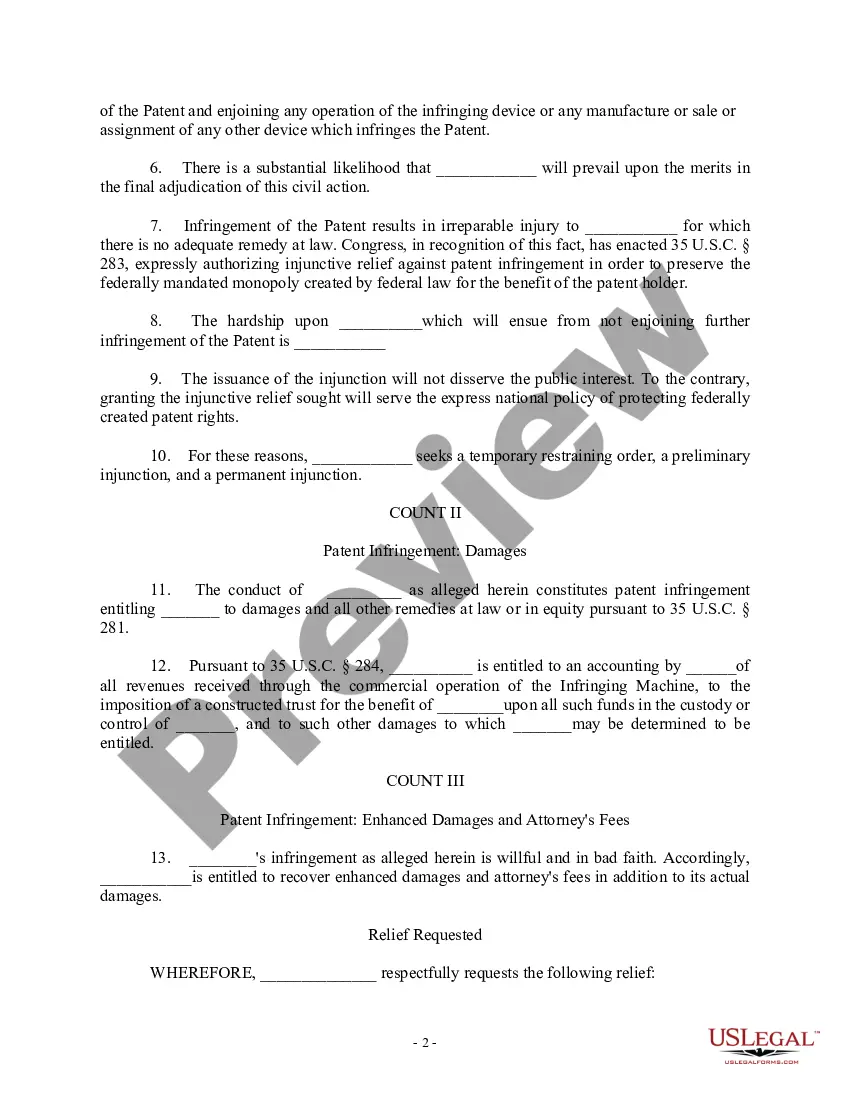
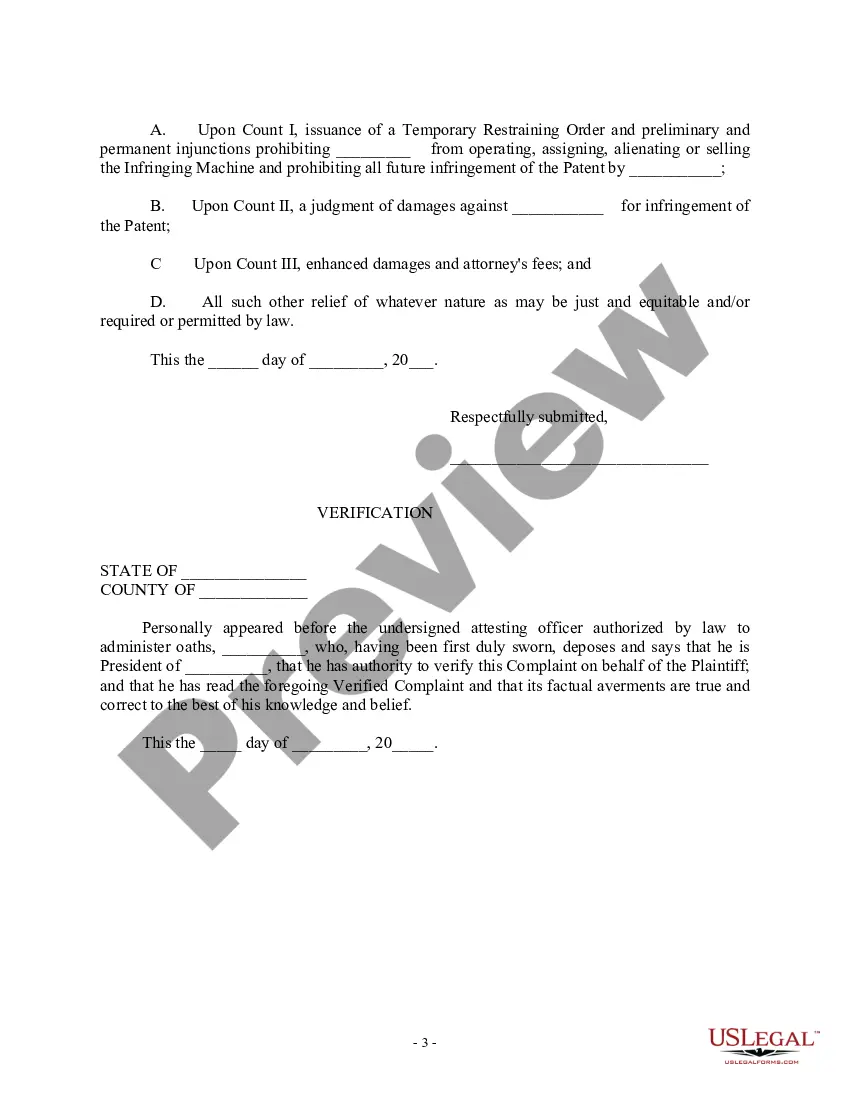
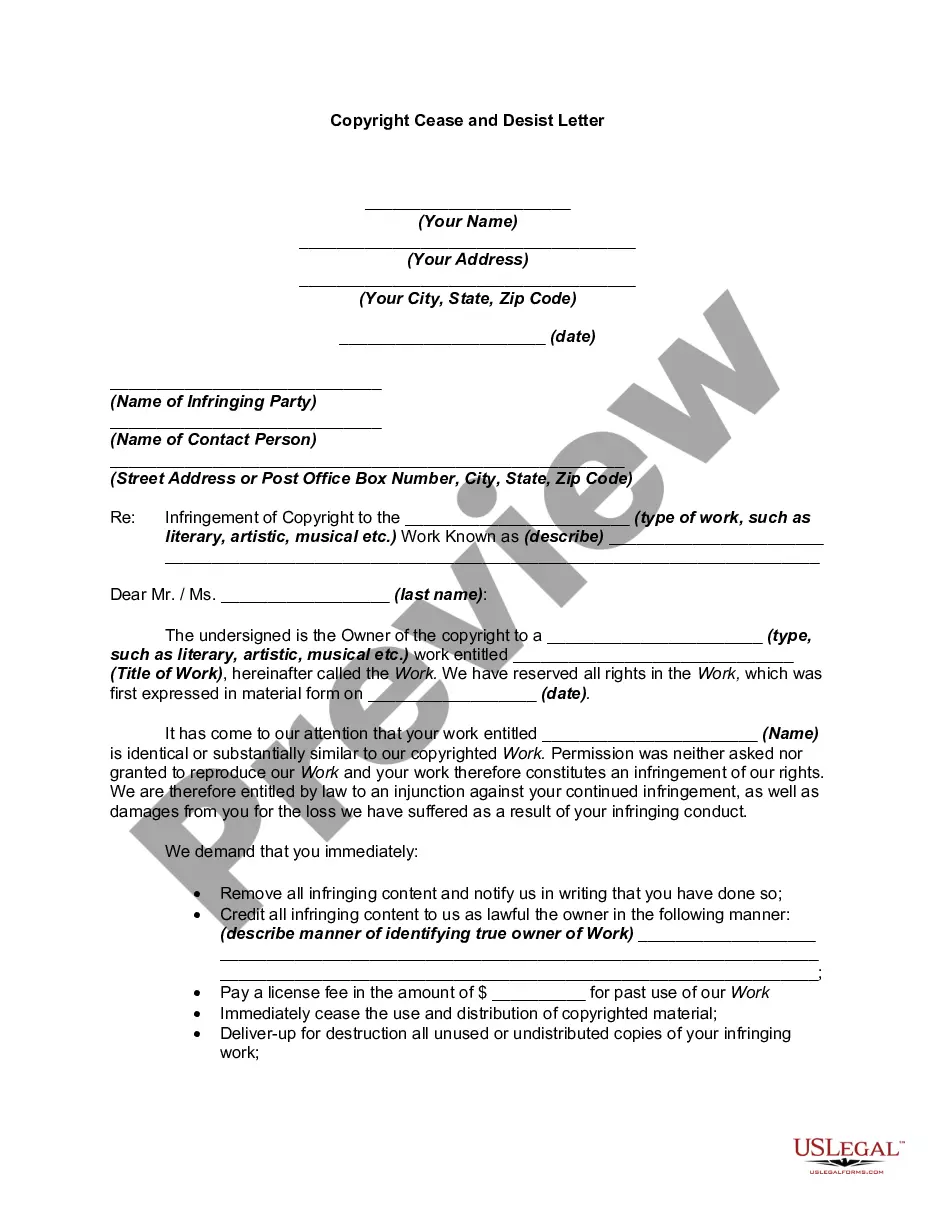
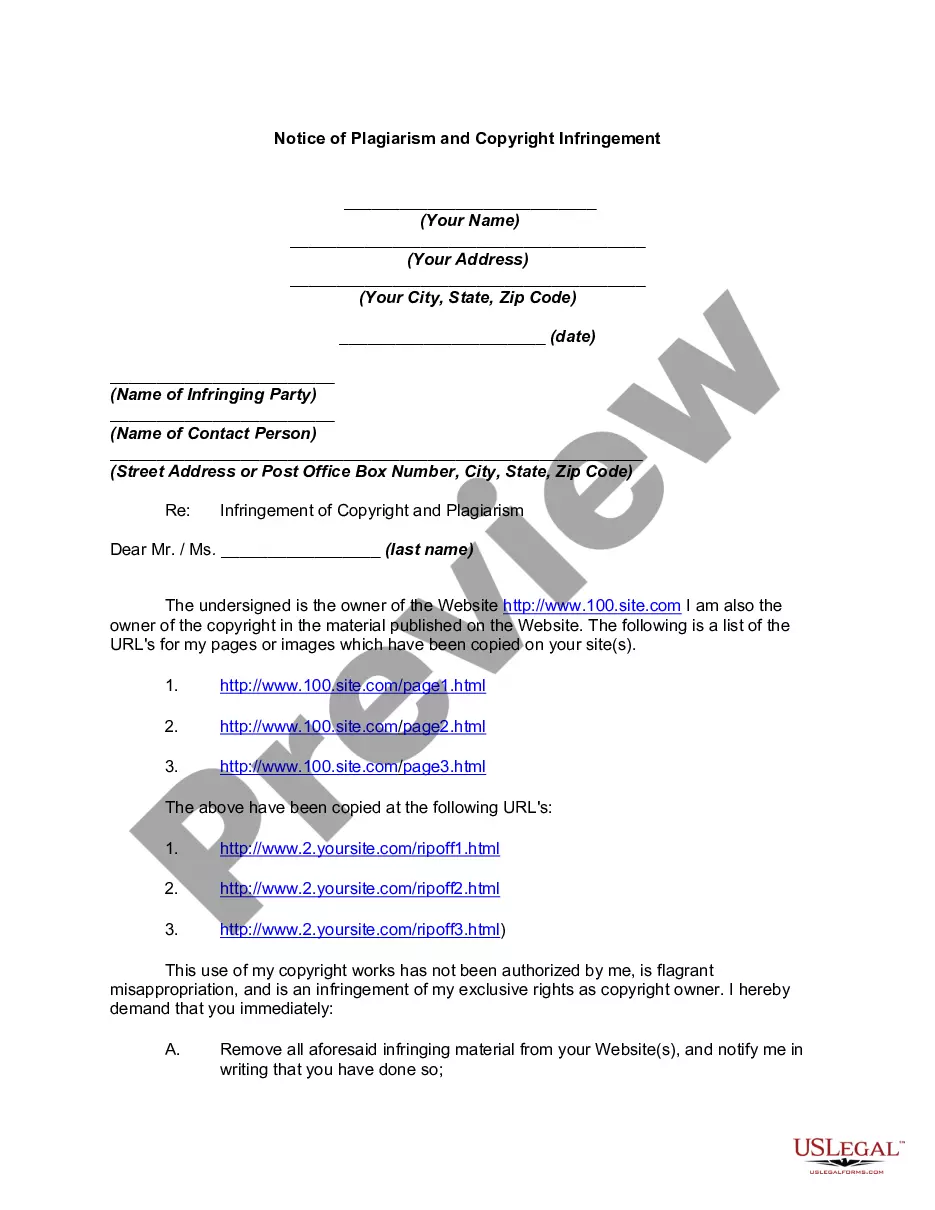
Get your form ready online
Our built-in tools help you complete, sign, share, and store your documents in one place.
Make edits, fill in missing information, and update formatting in US Legal Forms—just like you would in MS Word.
Download a copy, print it, send it by email, or mail it via USPS—whatever works best for your next step.
Sign and collect signatures with our SignNow integration. Send to multiple recipients, set reminders, and more. Go Premium to unlock E-Sign.
If this form requires notarization, complete it online through a secure video call—no need to meet a notary in person or wait for an appointment.
We protect your documents and personal data by following strict security and privacy standards.

Make edits, fill in missing information, and update formatting in US Legal Forms—just like you would in MS Word.

Download a copy, print it, send it by email, or mail it via USPS—whatever works best for your next step.

Sign and collect signatures with our SignNow integration. Send to multiple recipients, set reminders, and more. Go Premium to unlock E-Sign.

If this form requires notarization, complete it online through a secure video call—no need to meet a notary in person or wait for an appointment.

We protect your documents and personal data by following strict security and privacy standards.
Looking for another form?









Form popularity
FAQ
Furthermore, a patent holder may choose to voluntarily withdraw their patent for strategic or business reasons. This could involve reevaluating the commercial viability of the invention or pursuing alternative intellectual property protection.
There are several reasons why an applicant or the USPTO might withdraw a patent application from issue: Discovery of new prior art: If relevant prior art is found that could affect patentability. Errors in the application: To correct mistakes or omissions in the application.
Withdrawal of a patent application can be made by: emailing withdraw@ipo.uk. faxing the Office on 01633 817777. writing to the Office.
Patent cancellation is a procedural step taken by the patent office to address non-compliance issues or other circumstances that compromise the integrity of the patent system.
Conclusion: Going to small claims court may be worth it for $500, but it will determine how you weigh your costs versus benefits. At a minimum, it is worth it to send a demand letter.
If you want to ask for more than $10,000 (for individuals) or $5,000 (businesses and other entities), you need to sue in the civil division of the superior court and not in small claims court. In the civil division, lawyers can represent each side.
If you are: a person (this includes sole-proprietors) you may claim up to $12,500; if you are a Corporation, limited liability company or partnership, you may claim up to $6,250.
Congressman Mark DeSaulnier (DE-SOWN-YAY) proudly represents California's 10th Congressional District, which includes much of Contra Costa County and a part of Alameda County.