Patent Infringement In Us In California
Description

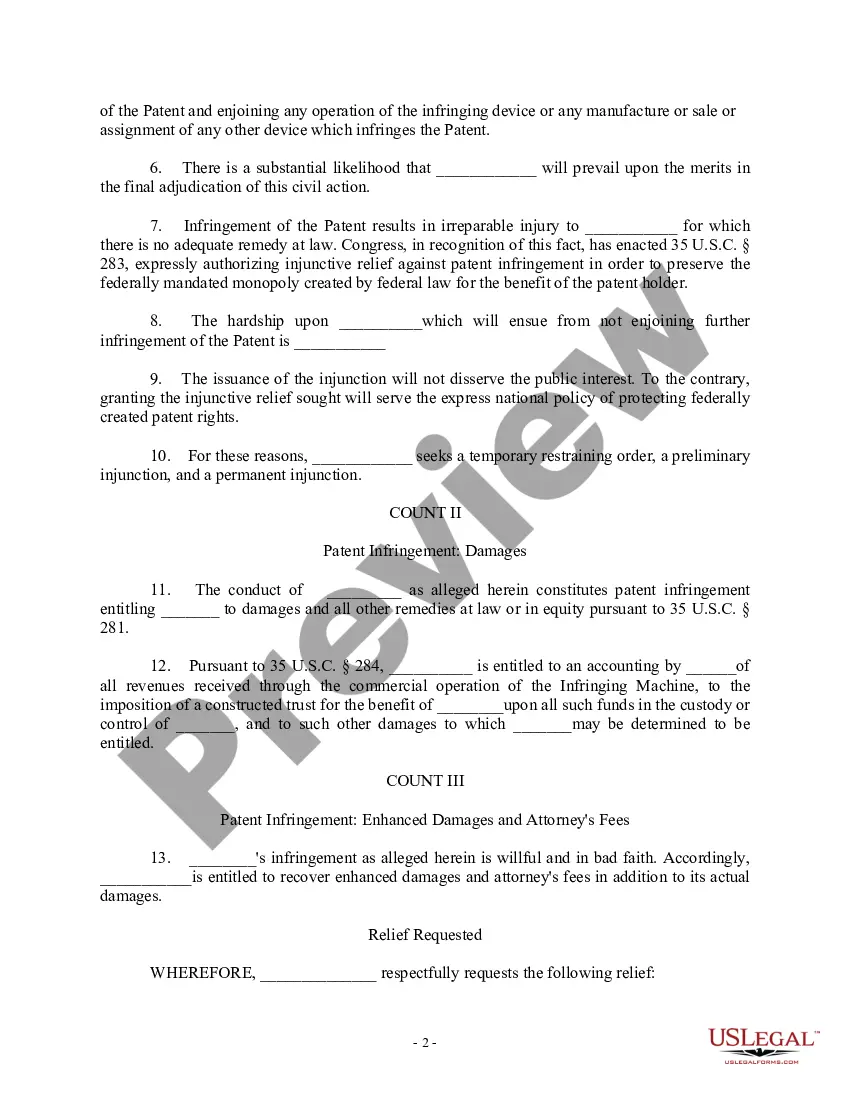
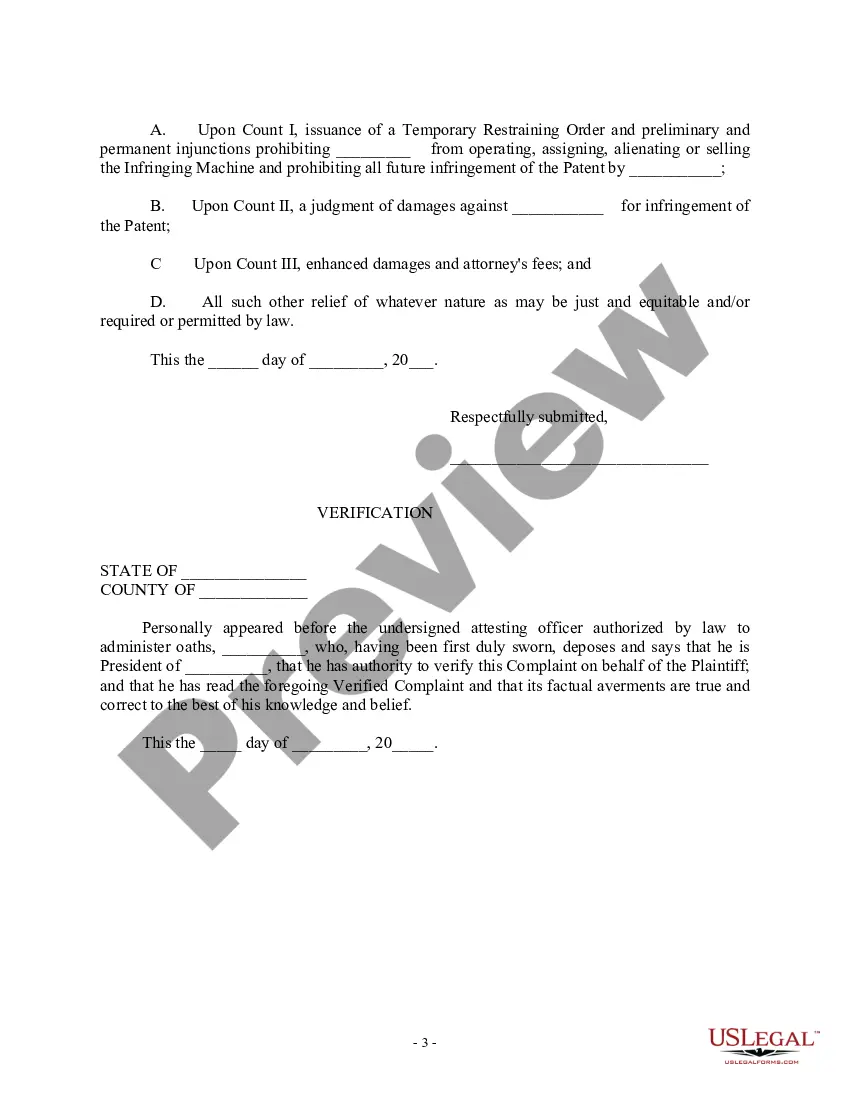
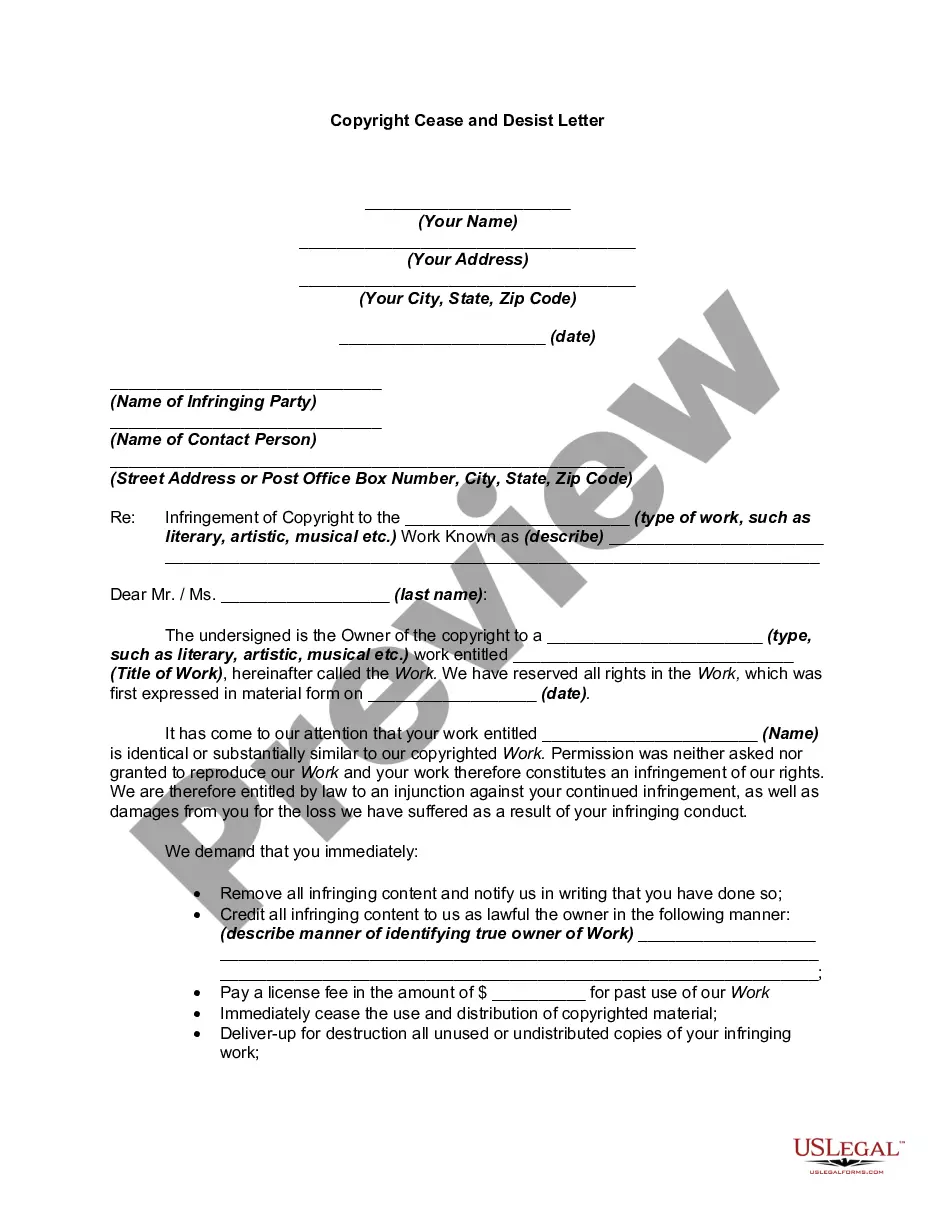
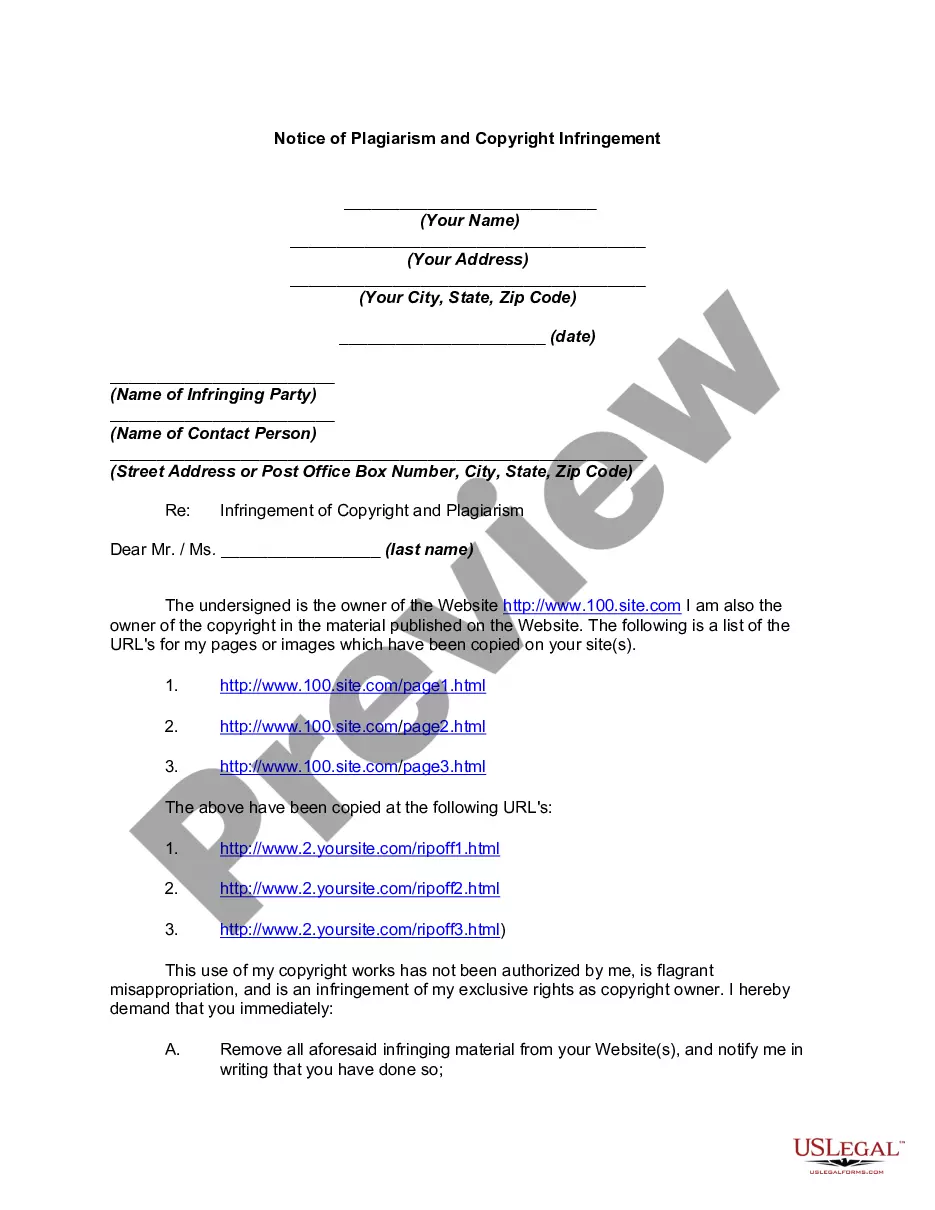
Get your form ready online
Our built-in tools help you complete, sign, share, and store your documents in one place.
Make edits, fill in missing information, and update formatting in US Legal Forms—just like you would in MS Word.
Download a copy, print it, send it by email, or mail it via USPS—whatever works best for your next step.
Sign and collect signatures with our SignNow integration. Send to multiple recipients, set reminders, and more. Go Premium to unlock E-Sign.
If this form requires notarization, complete it online through a secure video call—no need to meet a notary in person or wait for an appointment.
We protect your documents and personal data by following strict security and privacy standards.

Make edits, fill in missing information, and update formatting in US Legal Forms—just like you would in MS Word.

Download a copy, print it, send it by email, or mail it via USPS—whatever works best for your next step.

Sign and collect signatures with our SignNow integration. Send to multiple recipients, set reminders, and more. Go Premium to unlock E-Sign.

If this form requires notarization, complete it online through a secure video call—no need to meet a notary in person or wait for an appointment.

We protect your documents and personal data by following strict security and privacy standards.
Looking for another form?



Form popularity
FAQ
The IPR Center encourages victims to visit its website at .IPRCenter to obtain more information about the IPR Center and to report violations of intellectual property rights online or by emailing IPRCenter@dhs. You can also report IP crime by clicking on The IRP Center's “Report IP Theft” button.
File a Petition – Submit a challenge to the Patent Trial and Appeal Board (PTAB). Evidence Submission – Present evidence, including prior art, to support invalidation. Proceedings – Engage in proceedings, including hearings and responses. Decision – The PTAB issues a decision on patent validity.
This probably will require hiring a patent attorney. You should make sure to find an attorney who has handled patent infringement cases previously and who is familiar with your industry. Your attorney will file a formal complaint in federal court, explaining how the defendant has infringed on your patent.
Patent infringement lawsuits can vary in duration but generally take one to three years to resolve.
To enforce a patent against a competitor, you'll need to show three things: That you own a valid patent. That the alleged infringer has engaged in an act of infringement. That the infringing product or process incorporates all the features of at least one independent claim.
In the United States, a valid patent provides its proprietor with the right to exclude others from practicing the invention claimed in that patent. A person who practices that invention without the permission of the patent holder infringes that patent.
The two main types of damages awarded in patent infringement actions are reasonable royalties and lost profits. (However, the Patent Act does not limit damages to certain types, and a judge can award other types of damages that may be appropriate under the facts of the case.)
The all-elements rule is a principle in patent law that states that every part of a claim must be present in a device that is accused of infringing the patent in order for it to be considered a literal infringement.
The United States Patent and Trademark Office (USPTO) is the federal agency entrusted with registering all patents and trademarks in the U.S. Most states host a satellite office called a Patent and Trademark Depository Library; California hosts six such offices.
Selling, offering to sell, using, or manufacturing a patented product without the owner's permission (by license, waiver, or other contract) can constitute infringement and expose the unauthorized seller/user/manufacturer to liability, even if the infringement was unintentional.