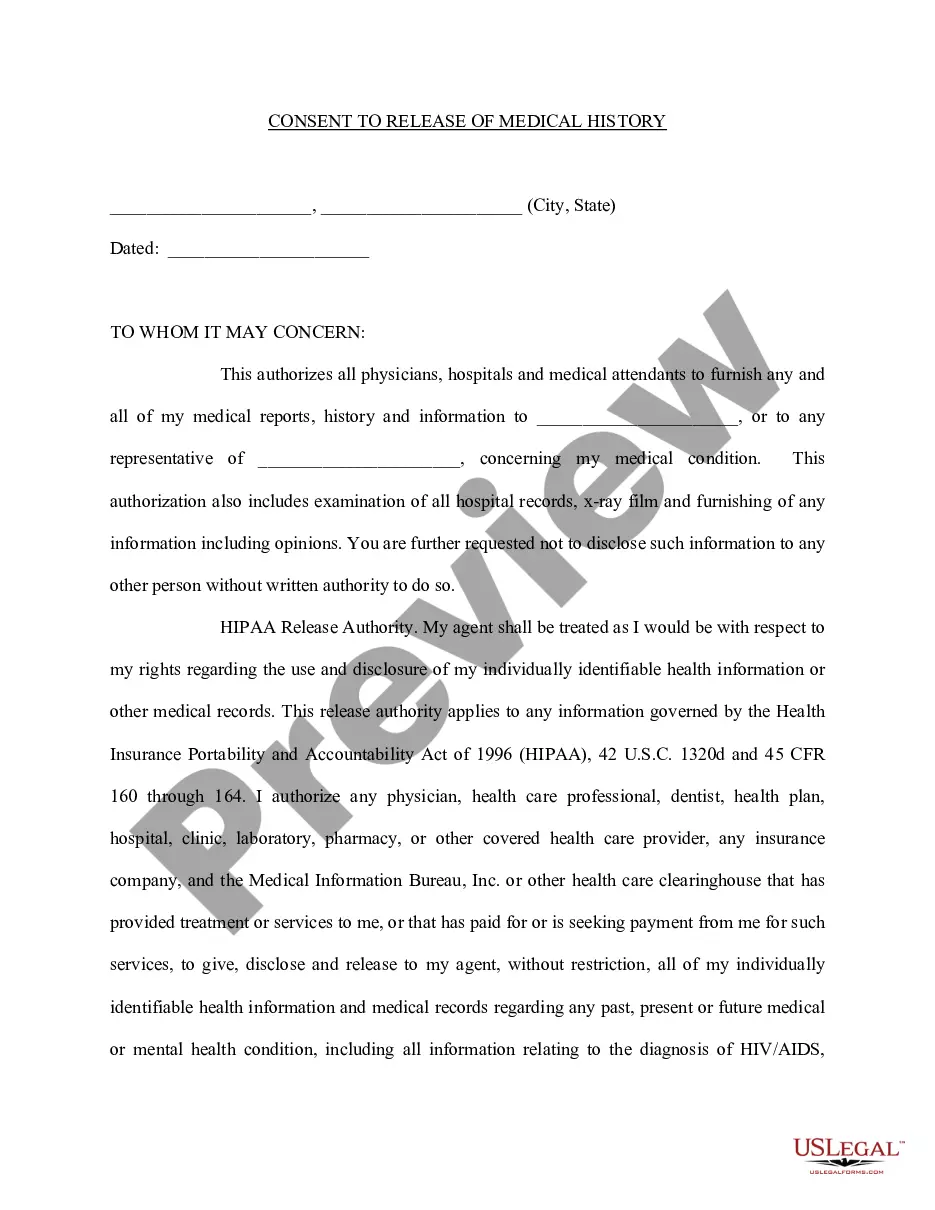
Amendment For Jury Trial In Washington
Description






Get your form ready online
Our built-in tools help you complete, sign, share, and store your documents in one place.
Make edits, fill in missing information, and update formatting in US Legal Forms—just like you would in MS Word.
Download a copy, print it, send it by email, or mail it via USPS—whatever works best for your next step.
Sign and collect signatures with our SignNow integration. Send to multiple recipients, set reminders, and more. Go Premium to unlock E-Sign.
If this form requires notarization, complete it online through a secure video call—no need to meet a notary in person or wait for an appointment.
We protect your documents and personal data by following strict security and privacy standards.

Make edits, fill in missing information, and update formatting in US Legal Forms—just like you would in MS Word.

Download a copy, print it, send it by email, or mail it via USPS—whatever works best for your next step.

Sign and collect signatures with our SignNow integration. Send to multiple recipients, set reminders, and more. Go Premium to unlock E-Sign.

If this form requires notarization, complete it online through a secure video call—no need to meet a notary in person or wait for an appointment.

We protect your documents and personal data by following strict security and privacy standards.
Looking for another form?









Form popularity
FAQ
So far, the Supreme Court of the United States has, based on the Fourteenth Amendment, incorporated to the states several but not all of the Constitutional jury rights including: the right to a trial by jury in criminal cases.
For the jury's composition, the Sixth Amendment grants citizens the right to a jury composed of impartial members drawn from the local community. Convictions in these trials are also forbidden unless every element of the crime has been proven beyond a reasonable doubt by the same impartial jury.
The Sixth Amendment states that in all criminal prosecutions, the accused criminal has the right to a trial by an impartial jury of the state and district in which the individual allegedly committed a crime.
The official text is written as such: “In suits at common law, where the value in controversy shall exceed twenty dollars, the right of trial by jury shall be preserved, and no fact tried by a jury, shall be otherwise re-examined in any court of the United States, than ing to the rules of the common law.”
A major provision of the 14th Amendment was to grant citizenship to “All persons born or naturalized in the United States,” thereby granting citizenship to formerly enslaved people.
In all criminal prosecutions, the accused shall enjoy the right to a speedy and public trial, by an impartial jury of the State and district wherein the crime shall have been committed, which district shall have been previously ascertained by law, and to be informed of the nature and cause of the accusation; to be ...
The Sixth Amendment states that in all criminal prosecutions, the accused criminal has the right to a trial by an impartial jury of the state and district in which the individual allegedly committed a crime.
The Sixth Amendment states that in all criminal prosecutions, the accused criminal has the right to a trial by an impartial jury of the state and district in which the individual allegedly committed a crime.
An application to the court for an order shall be by motion which, unless made during a hearing or trial, shall be made in writing, shall state with particularity the grounds therefor, and shall set forth the relief or order sought.
An amended complaint is a written revision of the original complaint filed by a plaintiff or petitioner. Rule 15 of the federal rules of civil procedure allows the plaintiff to amend their complaint one time within 21 days of serving the original complaint or at any point before the defendant answers the complaint.