Complaint False Arrest With Police In Orange
Description






Get your form ready online
Our built-in tools help you complete, sign, share, and store your documents in one place.
Make edits, fill in missing information, and update formatting in US Legal Forms—just like you would in MS Word.
Download a copy, print it, send it by email, or mail it via USPS—whatever works best for your next step.
Sign and collect signatures with our SignNow integration. Send to multiple recipients, set reminders, and more. Go Premium to unlock E-Sign.
If this form requires notarization, complete it online through a secure video call—no need to meet a notary in person or wait for an appointment.
We protect your documents and personal data by following strict security and privacy standards.
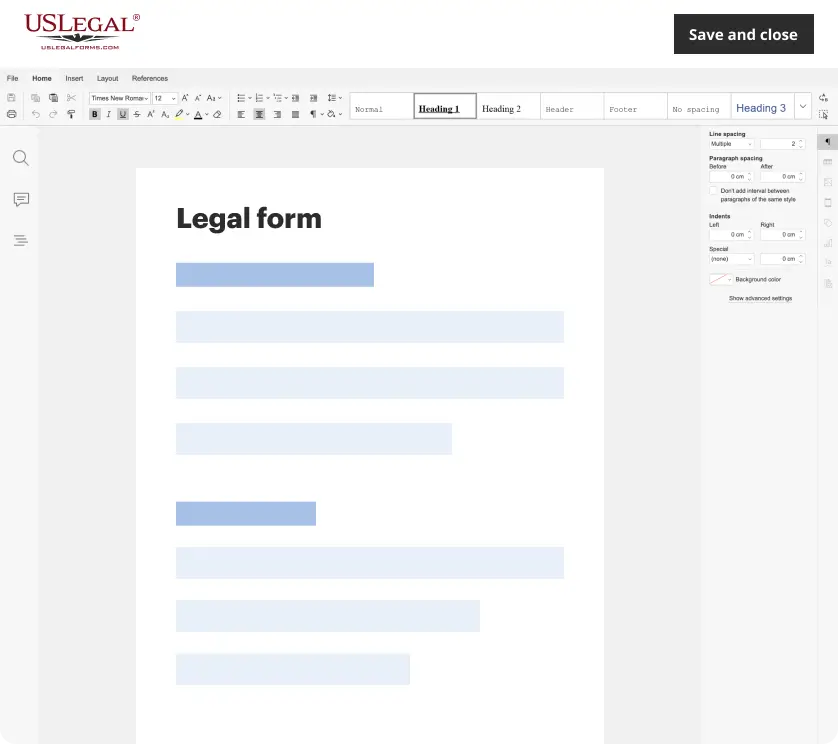
Make edits, fill in missing information, and update formatting in US Legal Forms—just like you would in MS Word.

Download a copy, print it, send it by email, or mail it via USPS—whatever works best for your next step.
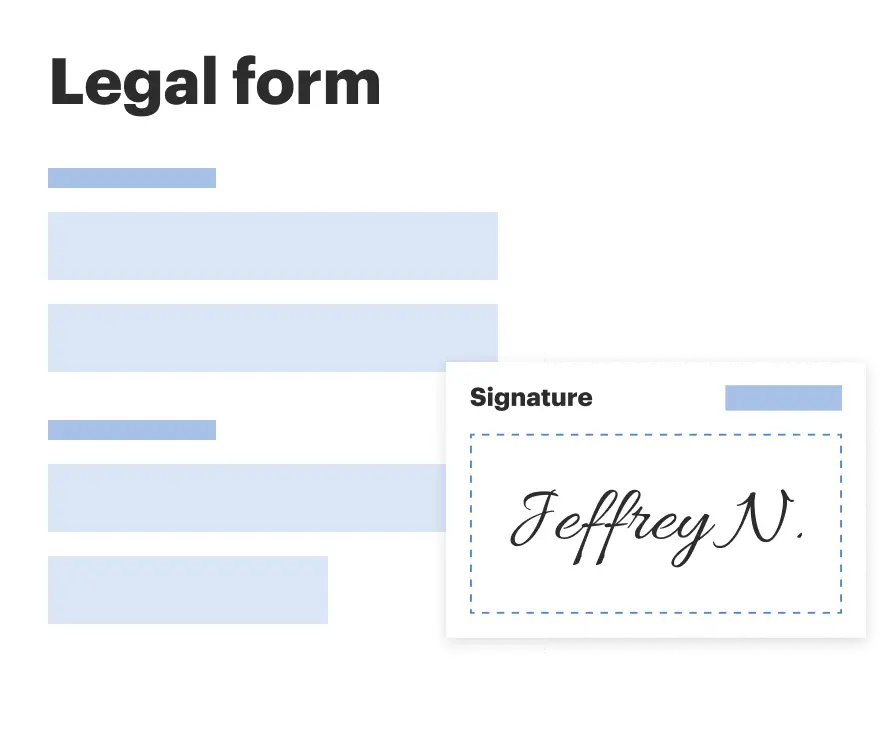
Sign and collect signatures with our SignNow integration. Send to multiple recipients, set reminders, and more. Go Premium to unlock E-Sign.
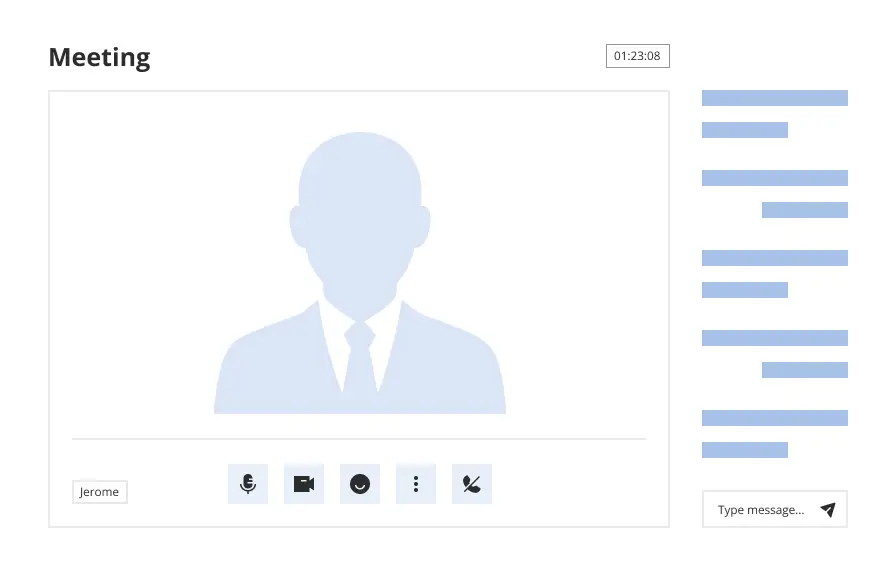
If this form requires notarization, complete it online through a secure video call—no need to meet a notary in person or wait for an appointment.
We protect your documents and personal data by following strict security and privacy standards.
Looking for another form?







Form popularity
FAQ
Yes, you can sue someone who made false allegations against you resulting in an arrest. There are two main types of lawsuits that you can file in this case: malicious prosecution and defamation.
Typically, plaintiffs bringing allegations of false arrest against state authorities need to prove all three of the elements outlined below. The arrest was inappropriate. The person detained suffered harm. An officer was the cause of the injury.
If someone files a false CPS report against you, a law firm can help you fight the false allegations. It is a Class 1 misdemeanor to knowingly make false reports.
You can pursue a lawsuit against a person who has made false accusations about you by either suing for defamation or for malicious prosecution.
Gather evidence: If possible, try to remember details of the arrest, like the officer's name and any witnesses. Contact an attorney: Talk to a lawyer specializing in wrongful arrest. They can advise you on your legal options, which may include filing a lawsuit against the arresting officer or department.
Typically, plaintiffs bringing allegations of false arrest against state authorities need to prove all three of the elements outlined below. The arrest was inappropriate. The person detained suffered harm. An officer was the cause of the injury.
