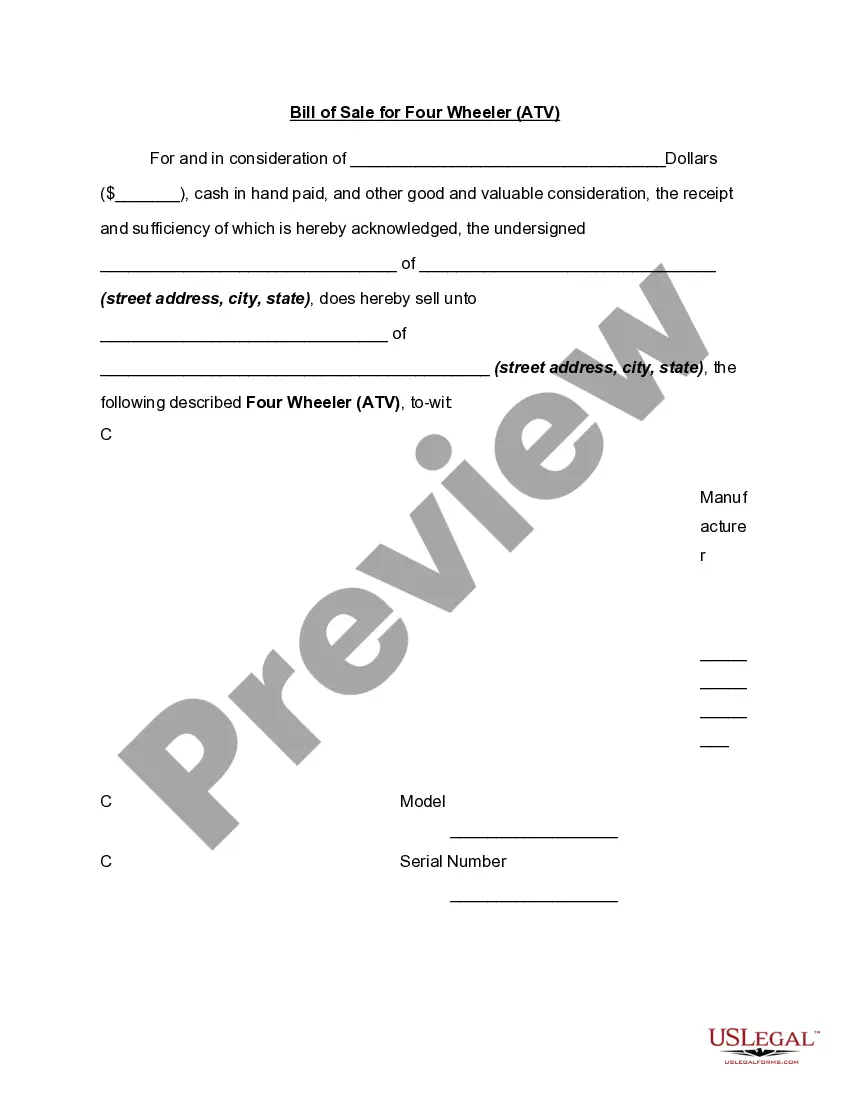
False Us With Chinese Writing In Maryland
Description






Get your form ready online
Our built-in tools help you complete, sign, share, and store your documents in one place.
Make edits, fill in missing information, and update formatting in US Legal Forms—just like you would in MS Word.
Download a copy, print it, send it by email, or mail it via USPS—whatever works best for your next step.
Sign and collect signatures with our SignNow integration. Send to multiple recipients, set reminders, and more. Go Premium to unlock E-Sign.
If this form requires notarization, complete it online through a secure video call—no need to meet a notary in person or wait for an appointment.
We protect your documents and personal data by following strict security and privacy standards.

Make edits, fill in missing information, and update formatting in US Legal Forms—just like you would in MS Word.

Download a copy, print it, send it by email, or mail it via USPS—whatever works best for your next step.

Sign and collect signatures with our SignNow integration. Send to multiple recipients, set reminders, and more. Go Premium to unlock E-Sign.

If this form requires notarization, complete it online through a secure video call—no need to meet a notary in person or wait for an appointment.

We protect your documents and personal data by following strict security and privacy standards.
Looking for another form?








Form popularity
FAQ
The FTC's Bureau of Consumer Protection stops unfair, deceptive and fraudulent business practices by collecting reports from consumers and conducting investigations, suing companies and people that break the law, developing rules to maintain a fair marketplace, and educating consumers and businesses about their rights ...
Created in 1973 to protect citizens against unfair and deceptive business practices and “restore an undermined public confidence in merchants,” the legislation is designed to “set minimum statewide standards for the protection of consumers,” with the recognition that existing laws were “inadequate, poorly coordinated ...
Information To Include in Your Letter Give the basics. Tell your story. Explain how you want to resolve the problem. Describe your next steps. Send your complaint letter. Your Mailing Address Your City, State, Zip Code Your email address
OIGE TIP LINE: 1-844-OIGETIP (644-3847) Use this number to report suspicious individuals or that may be associated with educational fraud, waste and abuse. (Phone is not monitored 24 hours a day.) EMAIL OIGE: You may email us at oige.tips@maryland. (This email address is not monitored 24 hours a day.)
Maryland Unemployment Insurance Complaints by Phone If you need to reach a live claims agent to file a complaint or inquire about a claim, call 667-207-6520. Live claims agents are available from a.m. to p.m., Monday through Friday. Hours may be modified during holidays.
An investigation looks into possible violations of law, regulation, or policy; consequently, the OIG conducts criminal, civil, and/or administrative investigations. The results may lead to criminal sanctions, civil penalties, or administrative actions against individual(s), contractors, companies, or their staff.
To file a complaint, you have four options File a complaint online at Download a PSC/CAD complaint form and mail it with any supporting documents. If you do not have a computer or access to one, call PSC/CAD at 410- 767-8000 or 1-800-492-0474 and ask them to mail you a complaint form.
In addition to submitting your complaint online, you may also forward your tip via one of the channels below: Phone. 1-800-HHS-TIPS (1-800-447-8477) TTY. 1-800-377-4950. Mail. U.S. Department of Health and Human Services. Office of Inspector General. Fax. 1-800-223-8164.
The Allegations that should be reported to the OIG Hotline include, but are not limited to: Employee corruption, civil rights and civil liberties abuses, program fraud and financial crimes, and miscellaneous criminal and non-criminal activity associated with waste, abuse, mismanagement or misconduct affecting the ...
The Attorney General is the legal counsel for the State of Maryland. In comparison, State's Attorneys represent each county and Baltimore City and they are responsible for prosecuting crimes against persons and non-state entities.