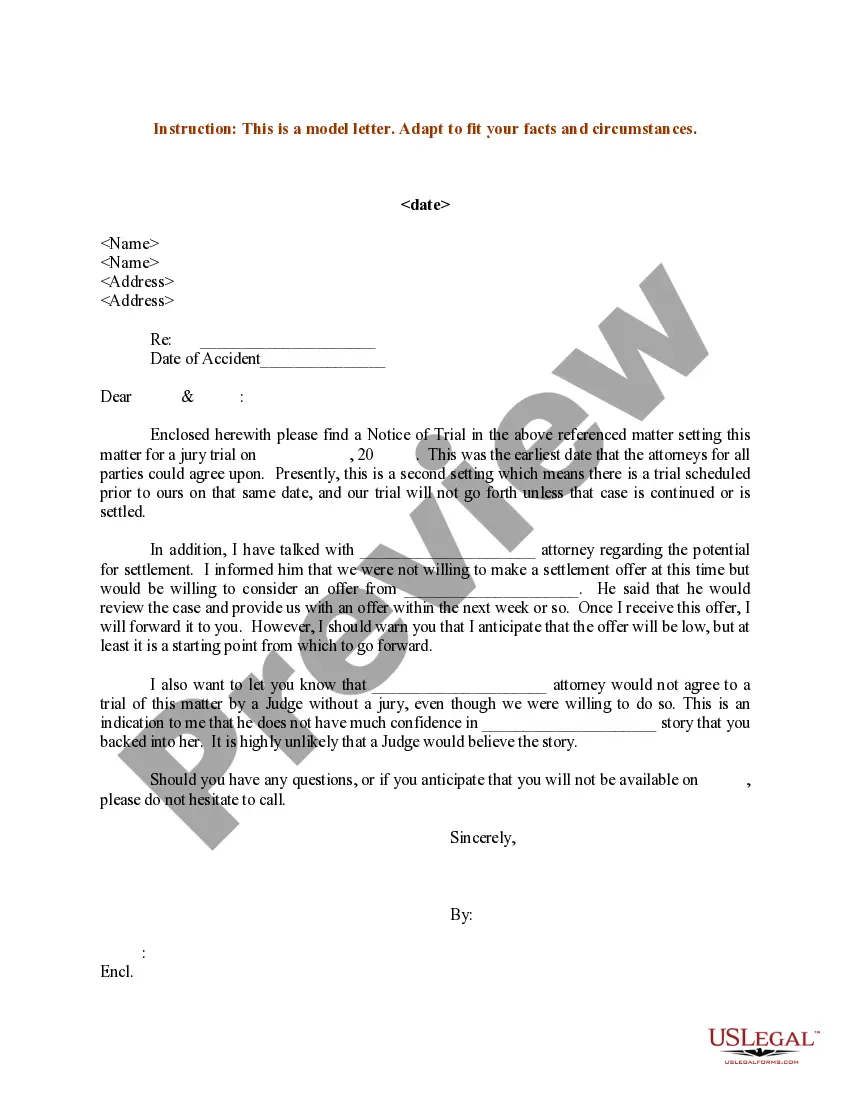
Complaint False Arrest For Domestic Violence In Bronx
Description






Get your form ready online
Our built-in tools help you complete, sign, share, and store your documents in one place.
Make edits, fill in missing information, and update formatting in US Legal Forms—just like you would in MS Word.
Download a copy, print it, send it by email, or mail it via USPS—whatever works best for your next step.
Sign and collect signatures with our SignNow integration. Send to multiple recipients, set reminders, and more. Go Premium to unlock E-Sign.
If this form requires notarization, complete it online through a secure video call—no need to meet a notary in person or wait for an appointment.
We protect your documents and personal data by following strict security and privacy standards.

Make edits, fill in missing information, and update formatting in US Legal Forms—just like you would in MS Word.

Download a copy, print it, send it by email, or mail it via USPS—whatever works best for your next step.

Sign and collect signatures with our SignNow integration. Send to multiple recipients, set reminders, and more. Go Premium to unlock E-Sign.

If this form requires notarization, complete it online through a secure video call—no need to meet a notary in person or wait for an appointment.

We protect your documents and personal data by following strict security and privacy standards.
Looking for another form?









Form popularity
FAQ
Typically, plaintiffs bringing allegations of false arrest against state authorities need to prove all three of the elements outlined below. The arrest was inappropriate. The person detained suffered harm. An officer was the cause of the injury.
Gather evidence: If possible, try to remember details of the arrest, like the officer's name and any witnesses. Contact an attorney: Talk to a lawyer specializing in wrongful arrest. They can advise you on your legal options, which may include filing a lawsuit against the arresting officer or department.
Examples of Unlawful Arrest Being forced or coerced by an officer to admit to a crime you didn't commit. Having drugs or other contraband planted on you. You annoyed an officer but didn't break any law. There's no reason to search your car, but the officer does so after placing handcuffs on you.
Steps to Take When Falsely Accused Seek Legal Counsel Immediately. The first and most important step is to secure legal representation. Cease Communication with Your Accuser. Gather Evidence to Support Your Innocence. Maintain Communication Records. Cooperate with Law Enforcement.
There is no better way to counter false allegations than through documentation. Thorough documentation leaves no room for error or disagreement and will be the lynchpin in your case. It's important to save all emails, text messages, and voicemails as evidence.
What can I do if someone makes false allegations against me? Step 1: Don't try to clear things up. Step 2: Call a skilled assault attorney. Step 3: Gather evidence. Step 4: Prove your innocence.
If convicted, penalties for false accusations could result in fines of up to $1,000, up to six months in county jail, or both. Additionally, individuals may face civil lawsuits for defamation or malicious prosecution if the false accusations harm another person's reputation or lead to wrongful legal actions.
Defending Yourself Against False Accusations at Work Remain Calm and Be Professional. Talk to a Lawyer. Contact HR. Get the Details of the Complaint. Gather Evidence. Find Witnesses and Present Evidence. Be Honest and Cooperate with Any Investigations. Avoid Your Accuser.
Defending Yourself Against False Accusations at Work Remain Calm and Be Professional. Talk to a Lawyer. Contact HR. Get the Details of the Complaint. Gather Evidence. Find Witnesses and Present Evidence. Be Honest and Cooperate with Any Investigations. Avoid Your Accuser.