False Us With Chinese Writing In Bexar
Description






Get your form ready online
Our built-in tools help you complete, sign, share, and store your documents in one place.
Make edits, fill in missing information, and update formatting in US Legal Forms—just like you would in MS Word.
Download a copy, print it, send it by email, or mail it via USPS—whatever works best for your next step.
Sign and collect signatures with our SignNow integration. Send to multiple recipients, set reminders, and more. Go Premium to unlock E-Sign.
If this form requires notarization, complete it online through a secure video call—no need to meet a notary in person or wait for an appointment.
We protect your documents and personal data by following strict security and privacy standards.

Make edits, fill in missing information, and update formatting in US Legal Forms—just like you would in MS Word.

Download a copy, print it, send it by email, or mail it via USPS—whatever works best for your next step.

Sign and collect signatures with our SignNow integration. Send to multiple recipients, set reminders, and more. Go Premium to unlock E-Sign.

If this form requires notarization, complete it online through a secure video call—no need to meet a notary in person or wait for an appointment.

We protect your documents and personal data by following strict security and privacy standards.
Looking for another form?


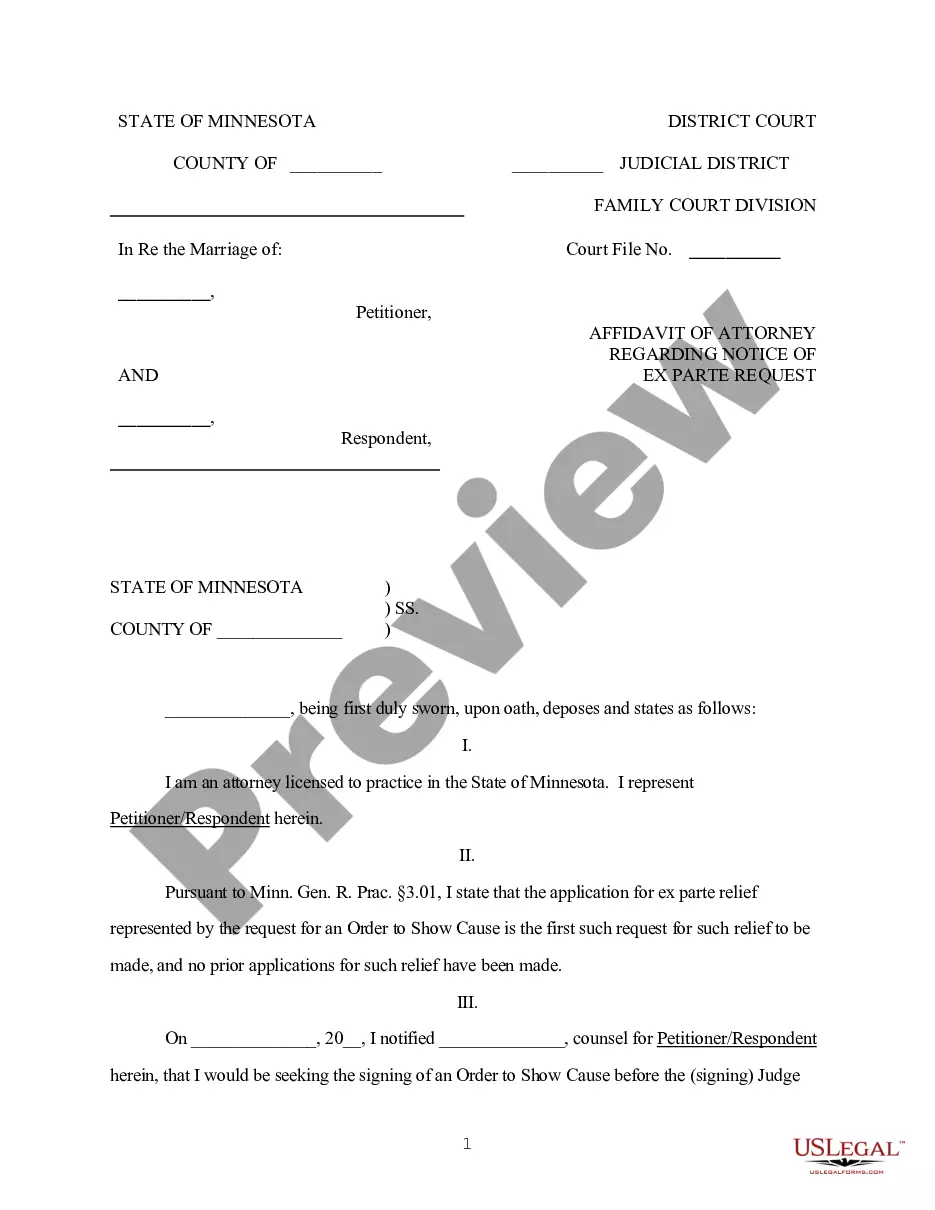





Form popularity
FAQ
Call 1-866-347-2423, the ICE Homeland Security Investigations Tip Line, to report an immigration violation from the U.S. or Canada. If you are in another country, call 1-802-872-6199.
Call 1-866-347-2423, the ICE Homeland Security Investigations Tip Line, to report an immigration violation from the U.S. or Canada. If you are in another country, call 1-802-872-6199.
The proper way to write Chinese characters: the six main rules of Chinese stroke order Top to bottom. Left to right. First horizontal, then vertical. First right-to-left diagonals, then left-to-right diagonals. Center comes first in vertically symmetrical characters. Move from outside to inside and close frames last.
How to Learn to Write Chinese: The Method Learn character components and what they mean. Use radicals to make mnemonics. Look for patterns in Chinese characters. Use SRS to consolidate your knowledge. Learn a little every day.
Here are the essential stroke order rules for writing simplified Chinese characters: Top to bottom. Left to right. First horizontal, then vertical. First right-to-left diagonals, then left-to-right diagonals. Center comes first in vertically symmetrical characters. Move from outside to inside and close frames last.
Written Chinese is not based on an alphabet or syllabary. Most characters can be analyzed as compounds of smaller components, which may be assembled ing to several different principles. Characters and components may reflect aspects of meaning or pronunciation.
There are two different forms of written Chinese: Traditional and Simplified. Traditional Chinese writing came first and it is a more complicated system. It is the primary writing system that is used in Taiwan, Macau, and Hong Kong. Simplified Chinese is more commonly used in mainland China.
Traditionally, written Chinese, Vietnamese, Korean, and Japanese are written vertically in columns going from top to bottom and ordered from right to left, with each new column starting to the left of the preceding one.
