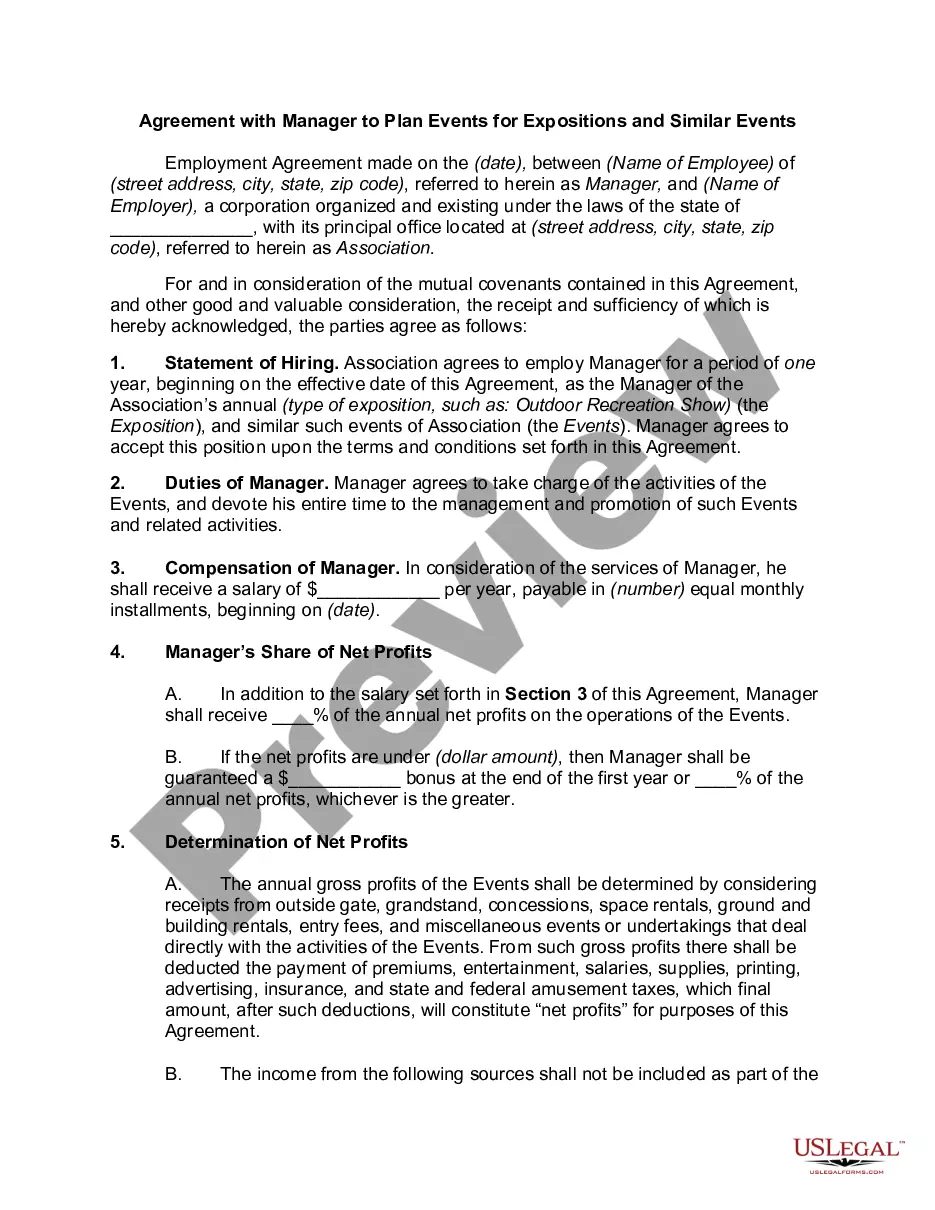
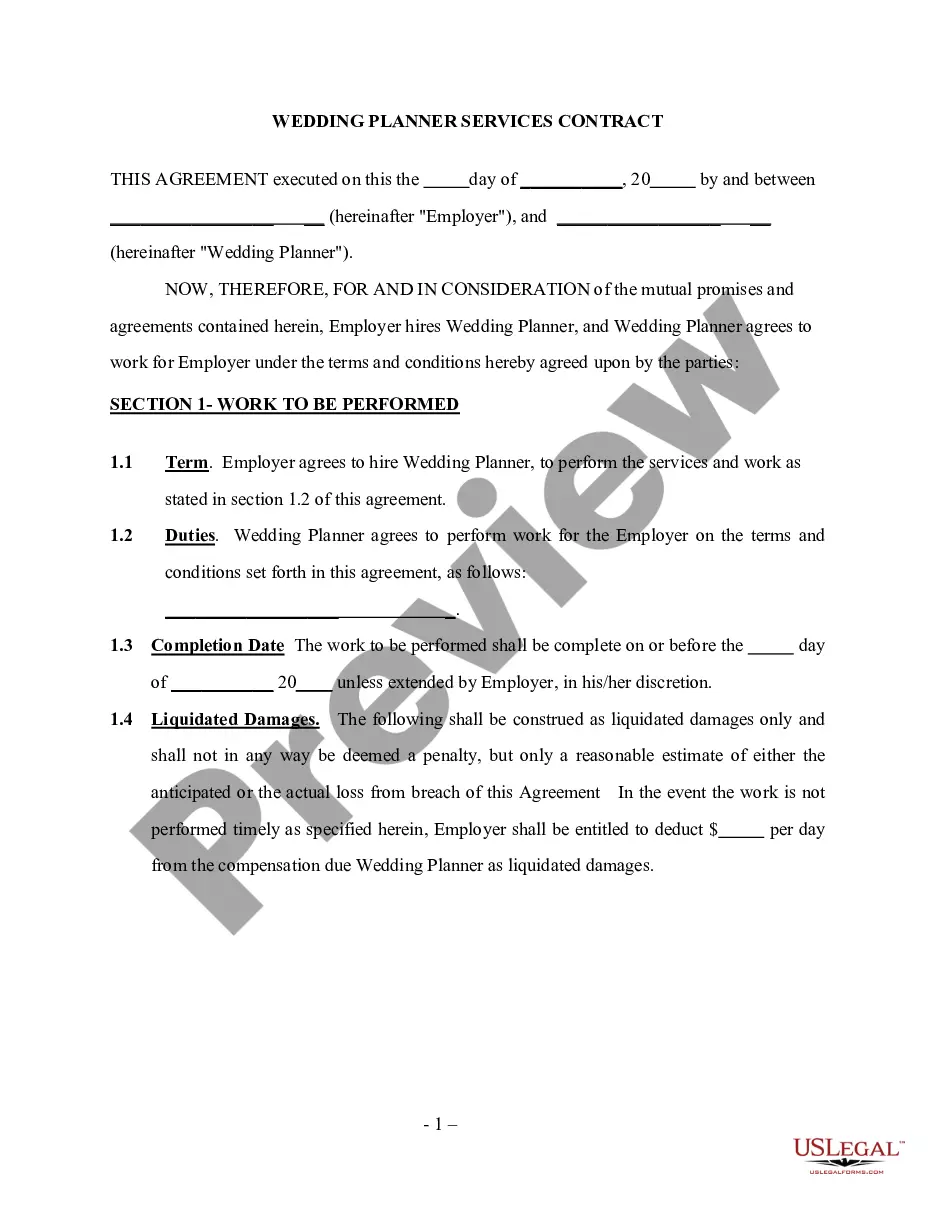
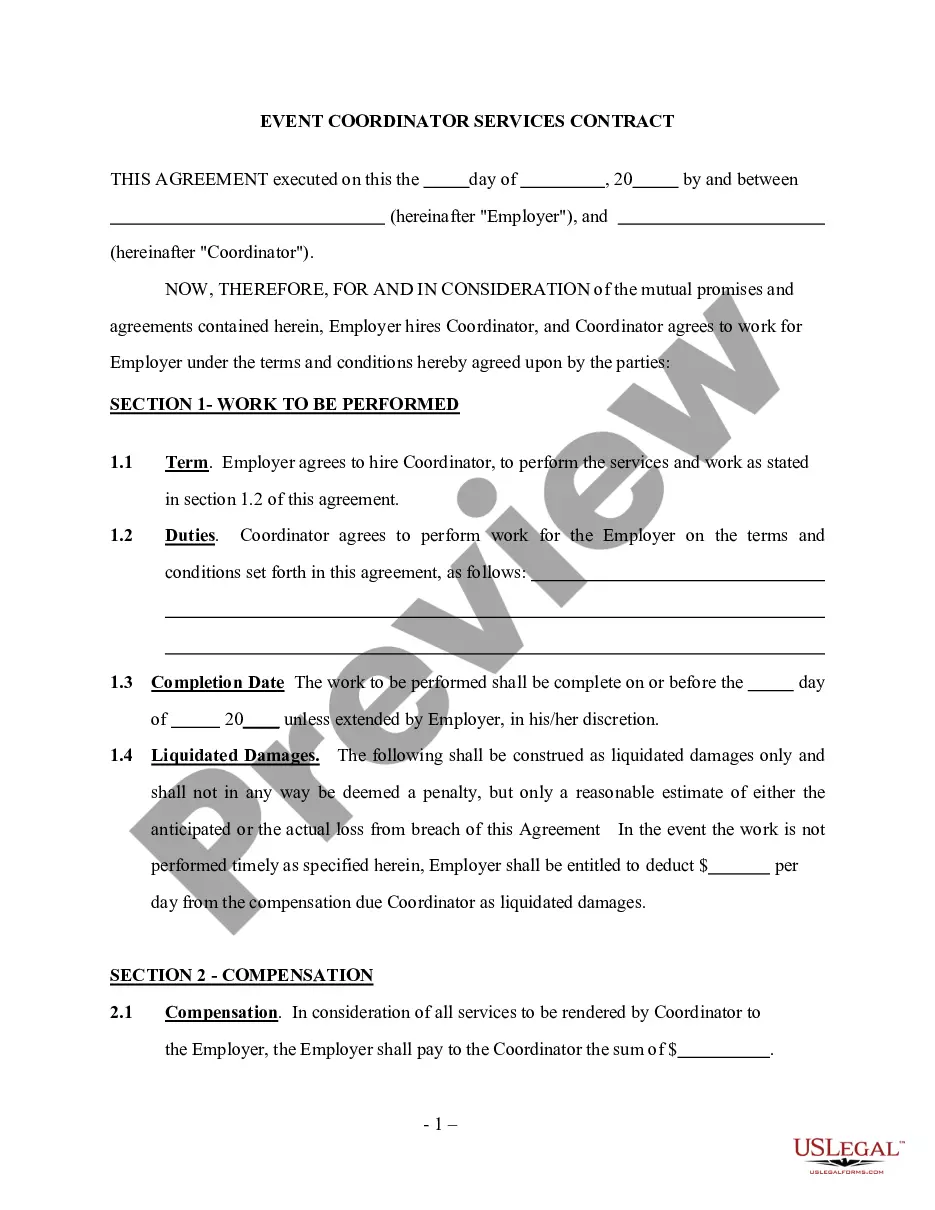
Event Planning Agreement Contract With Vendor Template In Wayne
Description

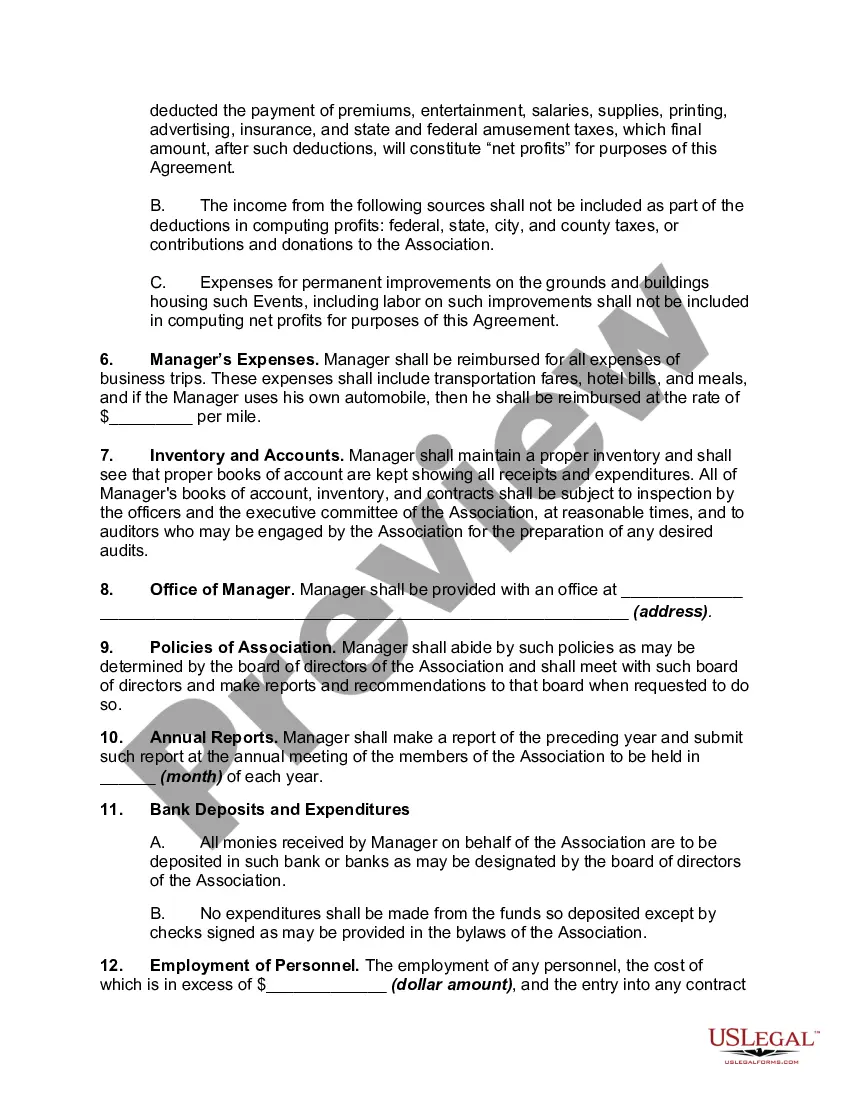
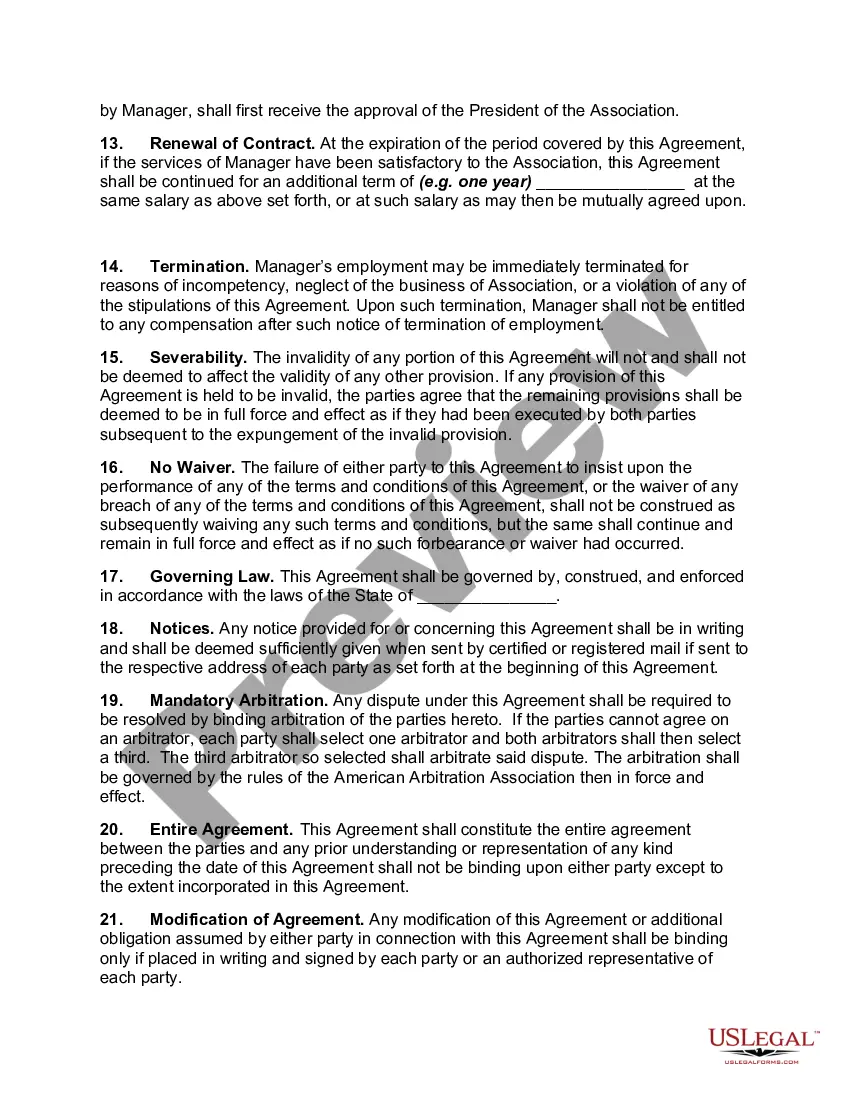
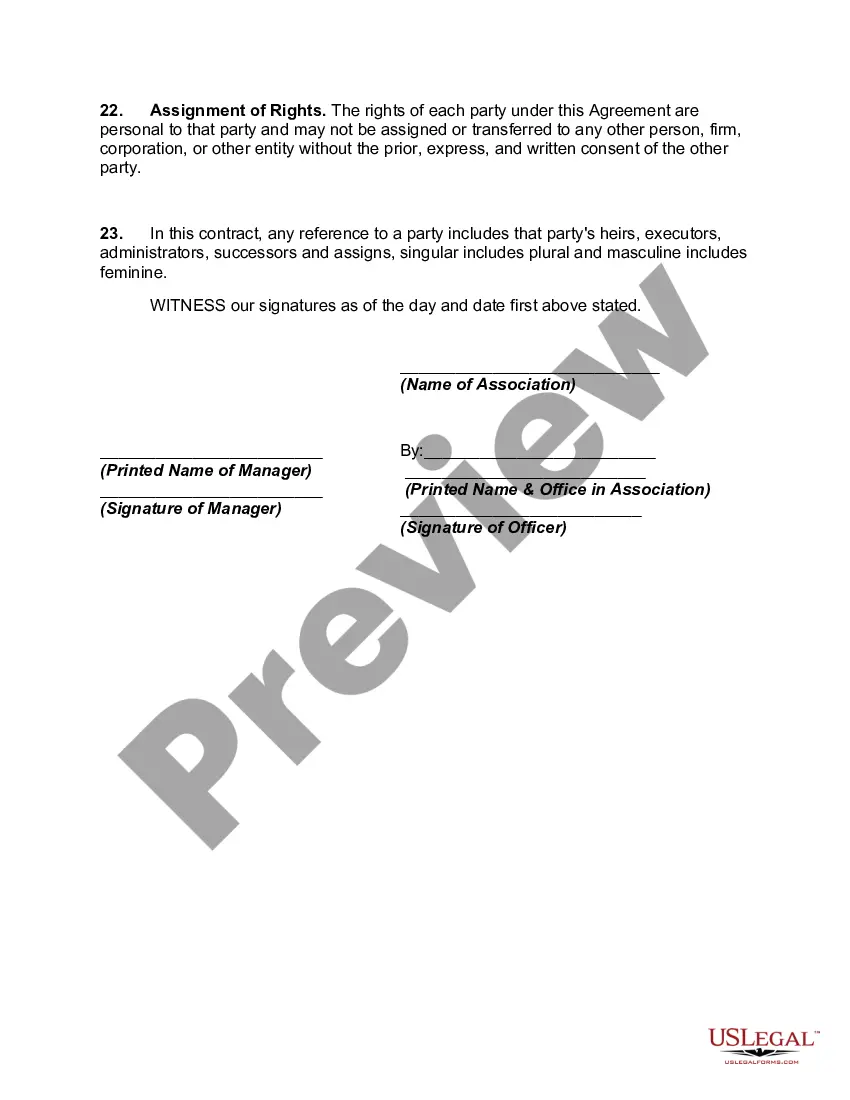
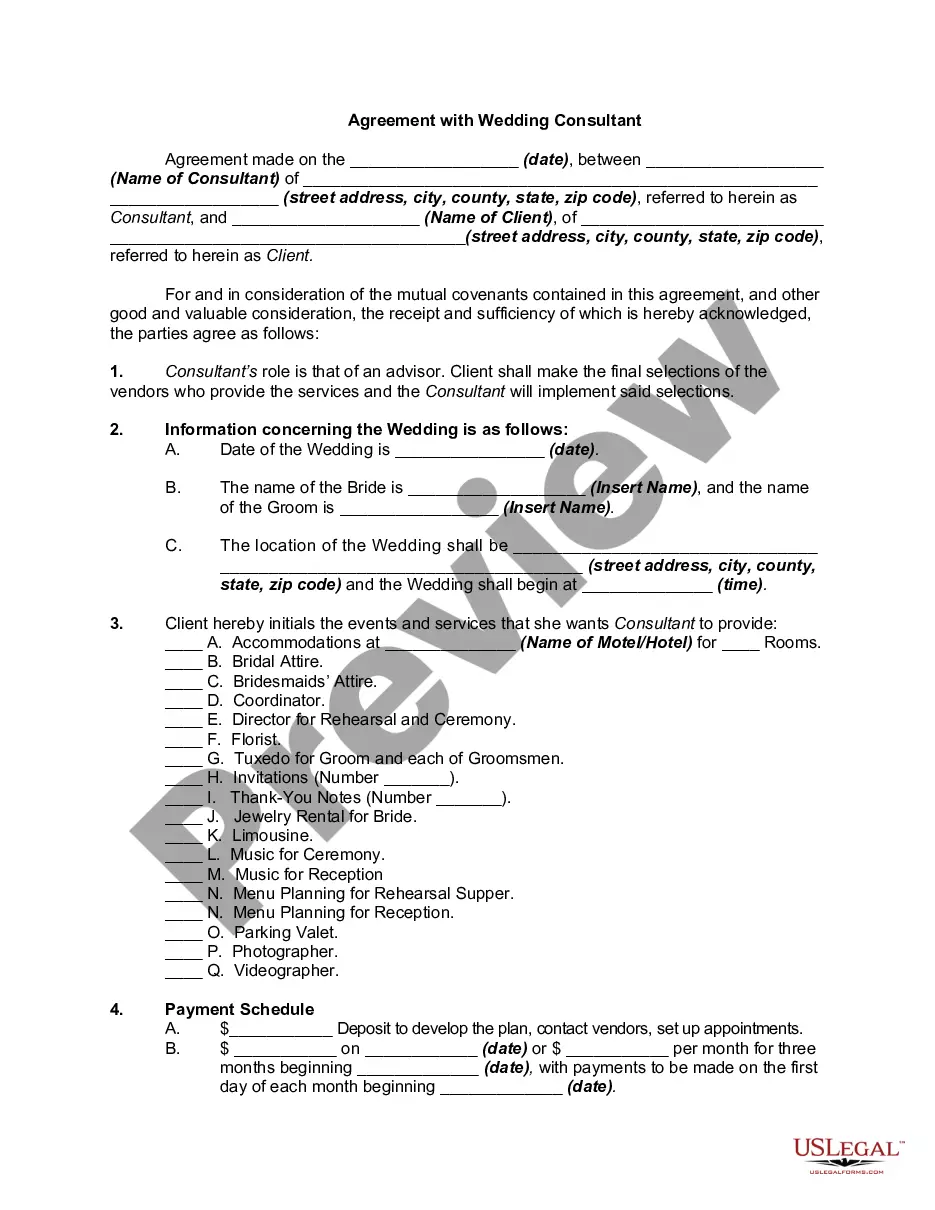
Get your form ready online
Our built-in tools help you complete, sign, share, and store your documents in one place.
Make edits, fill in missing information, and update formatting in US Legal Forms—just like you would in MS Word.
Download a copy, print it, send it by email, or mail it via USPS—whatever works best for your next step.
Sign and collect signatures with our SignNow integration. Send to multiple recipients, set reminders, and more. Go Premium to unlock E-Sign.
If this form requires notarization, complete it online through a secure video call—no need to meet a notary in person or wait for an appointment.
We protect your documents and personal data by following strict security and privacy standards.

Make edits, fill in missing information, and update formatting in US Legal Forms—just like you would in MS Word.

Download a copy, print it, send it by email, or mail it via USPS—whatever works best for your next step.

Sign and collect signatures with our SignNow integration. Send to multiple recipients, set reminders, and more. Go Premium to unlock E-Sign.

If this form requires notarization, complete it online through a secure video call—no need to meet a notary in person or wait for an appointment.

We protect your documents and personal data by following strict security and privacy standards.
Looking for another form?








Form popularity
FAQ
Every event requires different types of vendors, but these are the ten we see most often: Venue Manager. Production Manager. Food and Beverage. Rentals and Setup. Entertainment / Music. Decor and Florist. Photographers and Videographers. Transportation.
A vendor is a company that supplies a product or service to your business. This can include companies that provide the equipment necessary to operate your business, suppliers of the goods you sell to consumers, or non-tangible services that keep your business running.
To become a preferred vendor at a venue, you must develop a strong relationship with the employees and planners who work there. Reach out to the venue via phone or email, introduce yourself, and explain what your rental business does. Ask to set up a meeting with management, and prepare a portfolio to bring with you.
Event vendors are businesses or individuals that provide goods or services for events. They may specialize in a specific type of event, such as weddings or corporate events, or offer extensive services for large-scale, private, and VIP events.
Write the contract in six steps Start with a contract template. Open with the basic information. Describe in detail what you have agreed to. Include a description of how the contract will be ended. Write into the contract which laws apply and how disputes will be resolved. Include space for signatures.
An event contract essentially includes the following: Details of the event, including venue, date, time, etc. Parties intention from the event. Services provided by the planner.
When creating your event planner contract, be sure to include the following details: Contact information for both parties. Date and time of the event including an end time. A detailed description of the event. Description of the duties and responsibilities of the event planner. Breakdown of costs and fees.
Market unpredictability: Unexpected outcomes occur frequently, meaning event contracts carry unpredictable market risk. Liquidity concerns: Since some event contract markets remain relatively new and untested, they pose some liquidity risks when few active parties are interested in a contract.
A vendor contract (otherwise known as a vendor agreement) is a business contract between two parties covering the exchange of goods or services in return for compensation.
