Event Planning Contracts For Clients In Nassau
Description

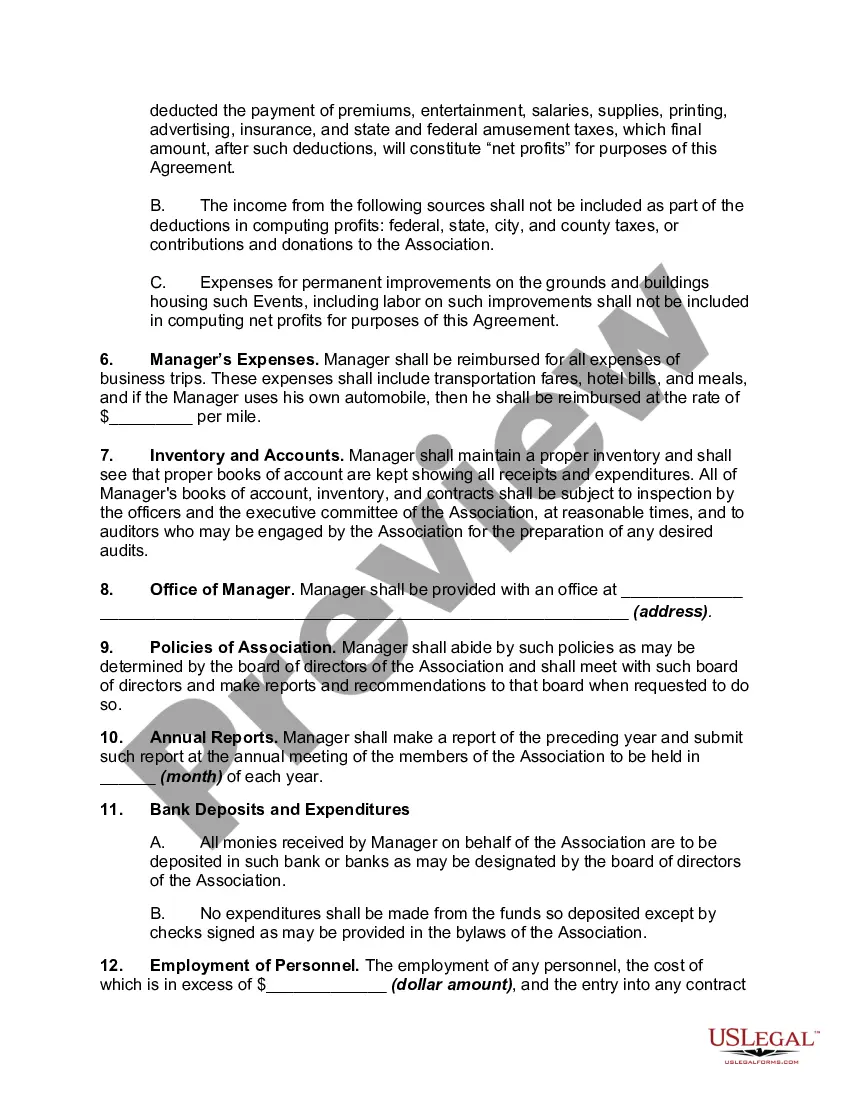
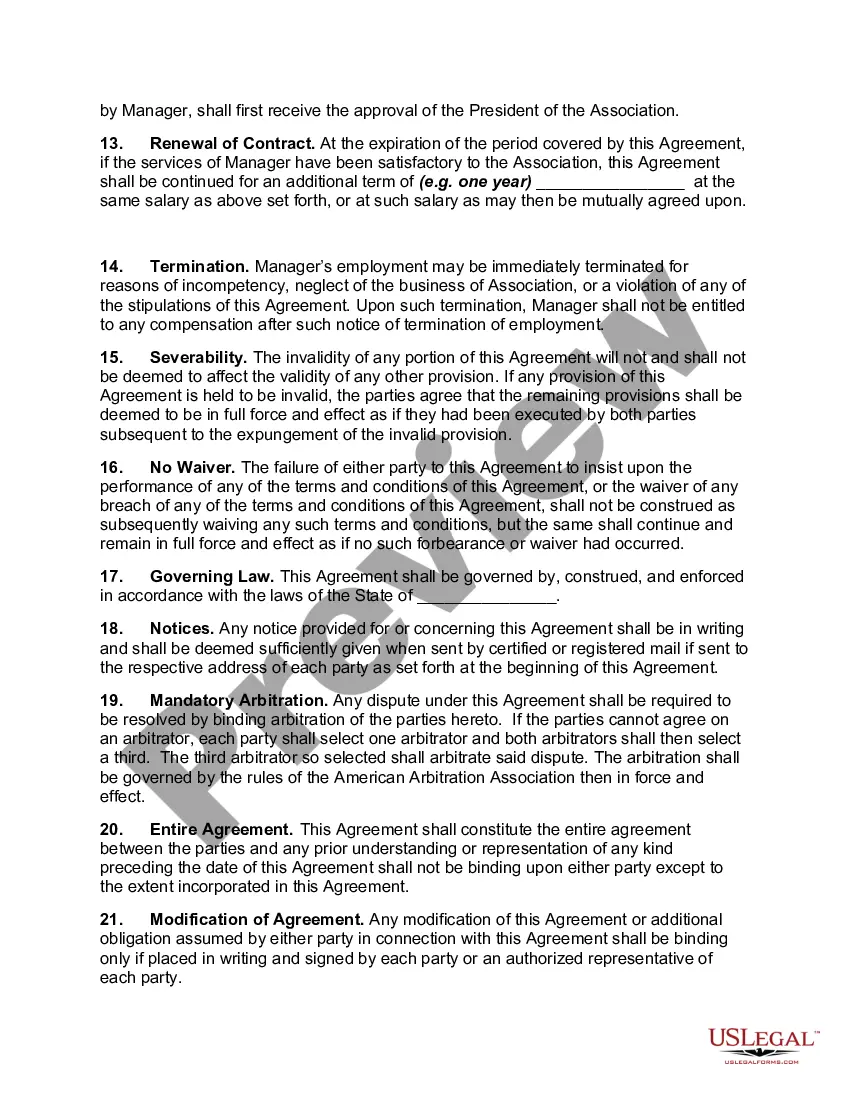
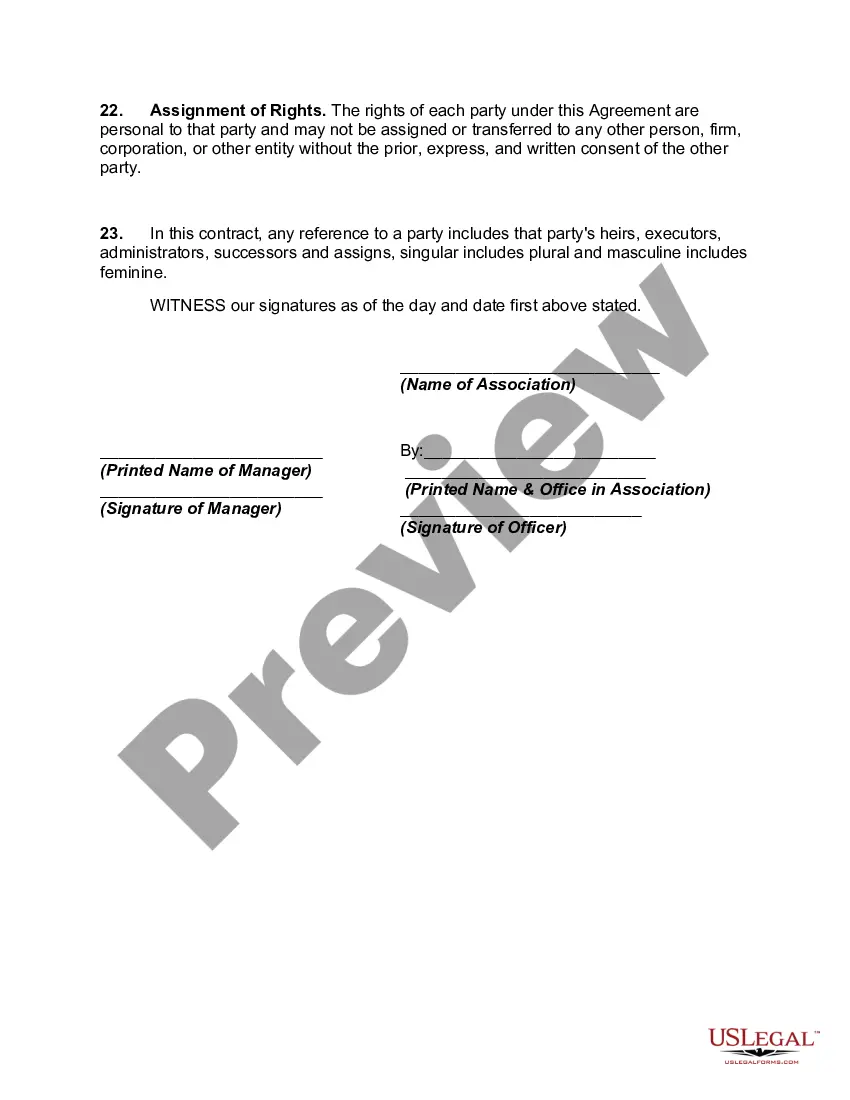
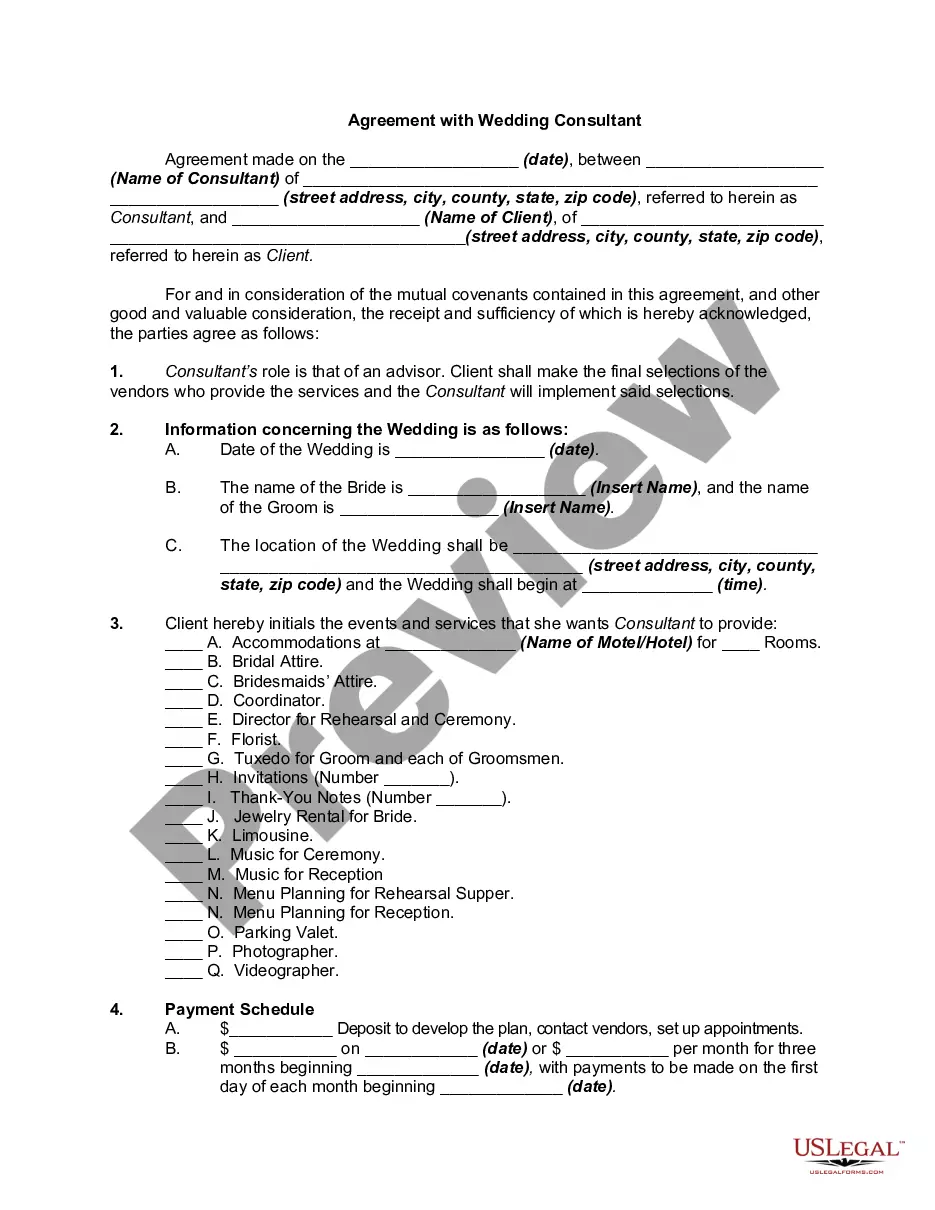
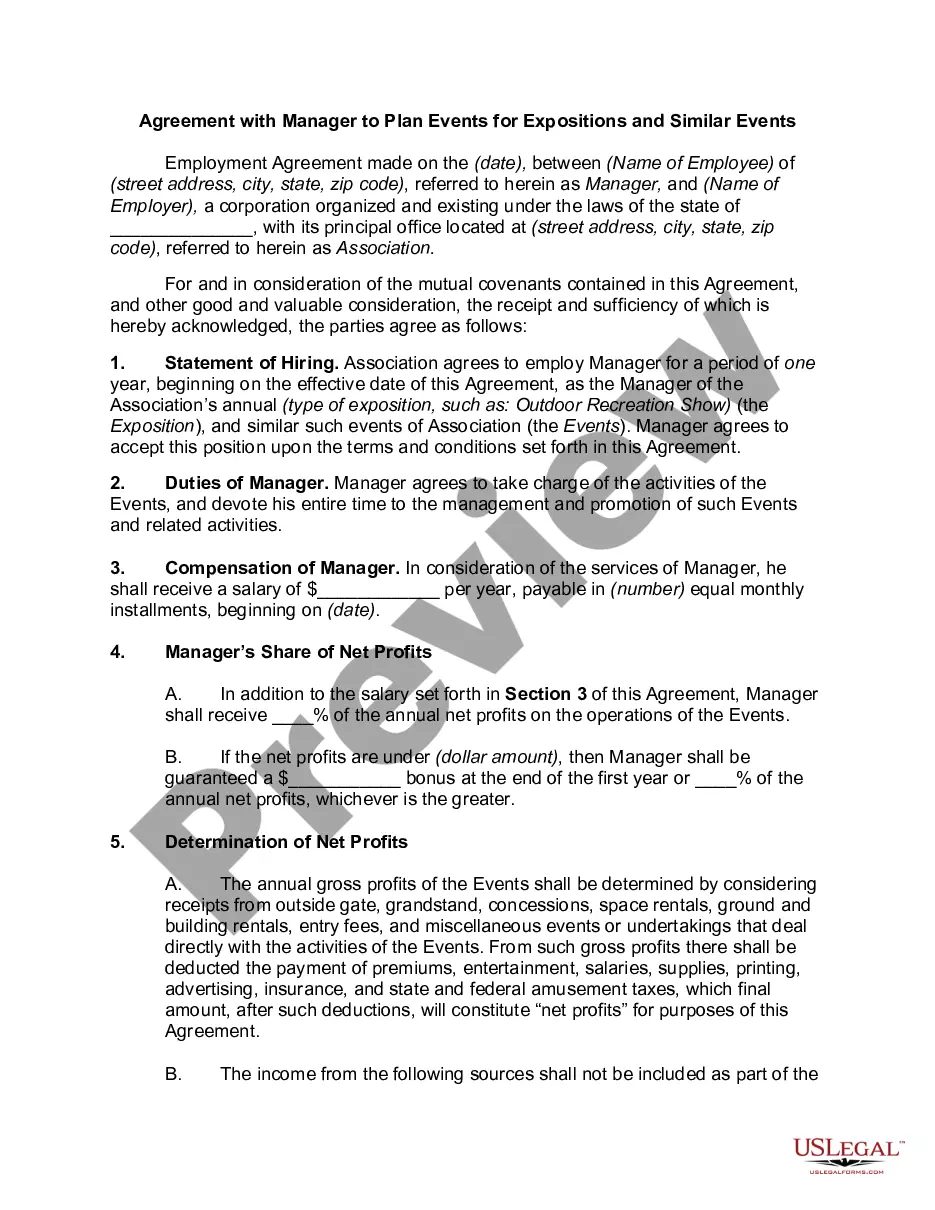
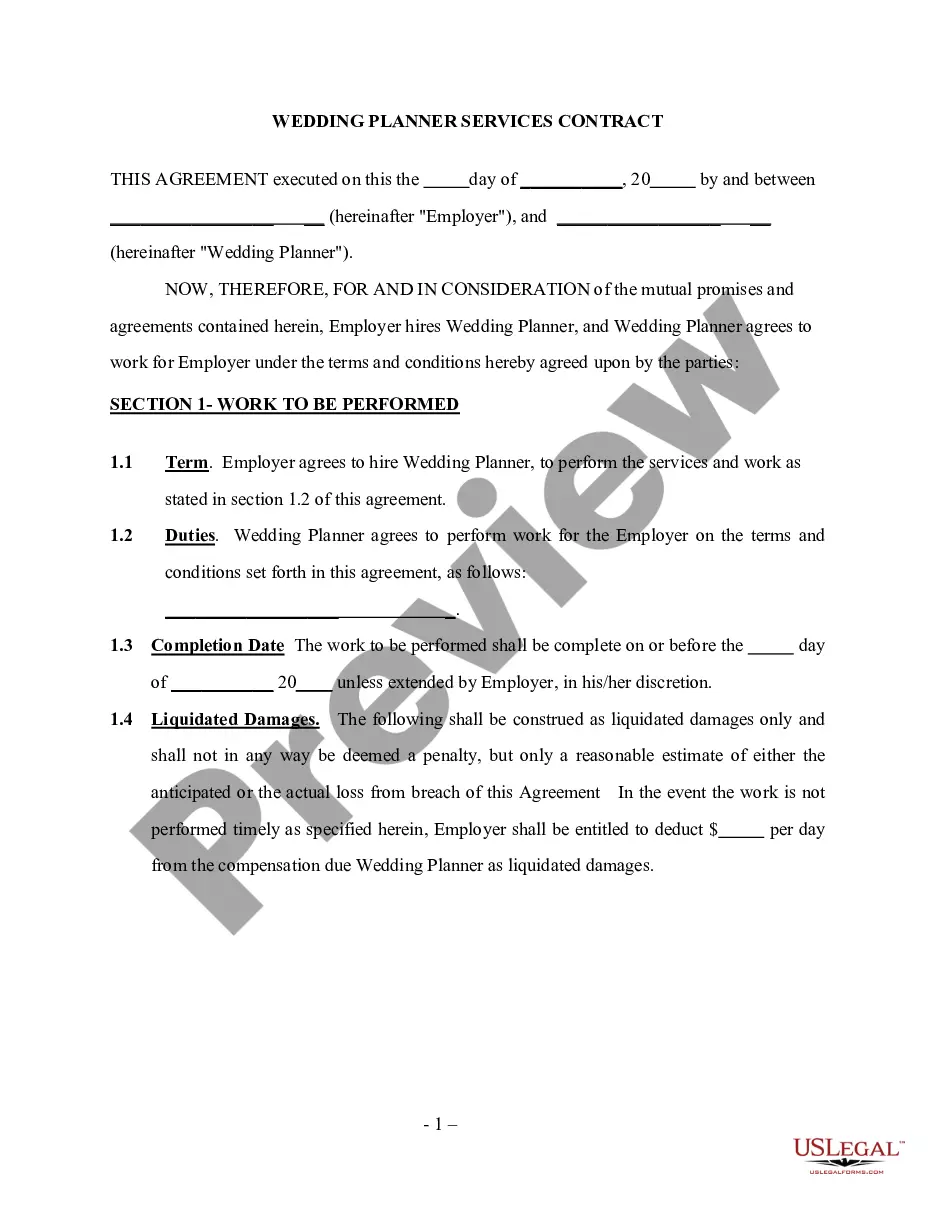
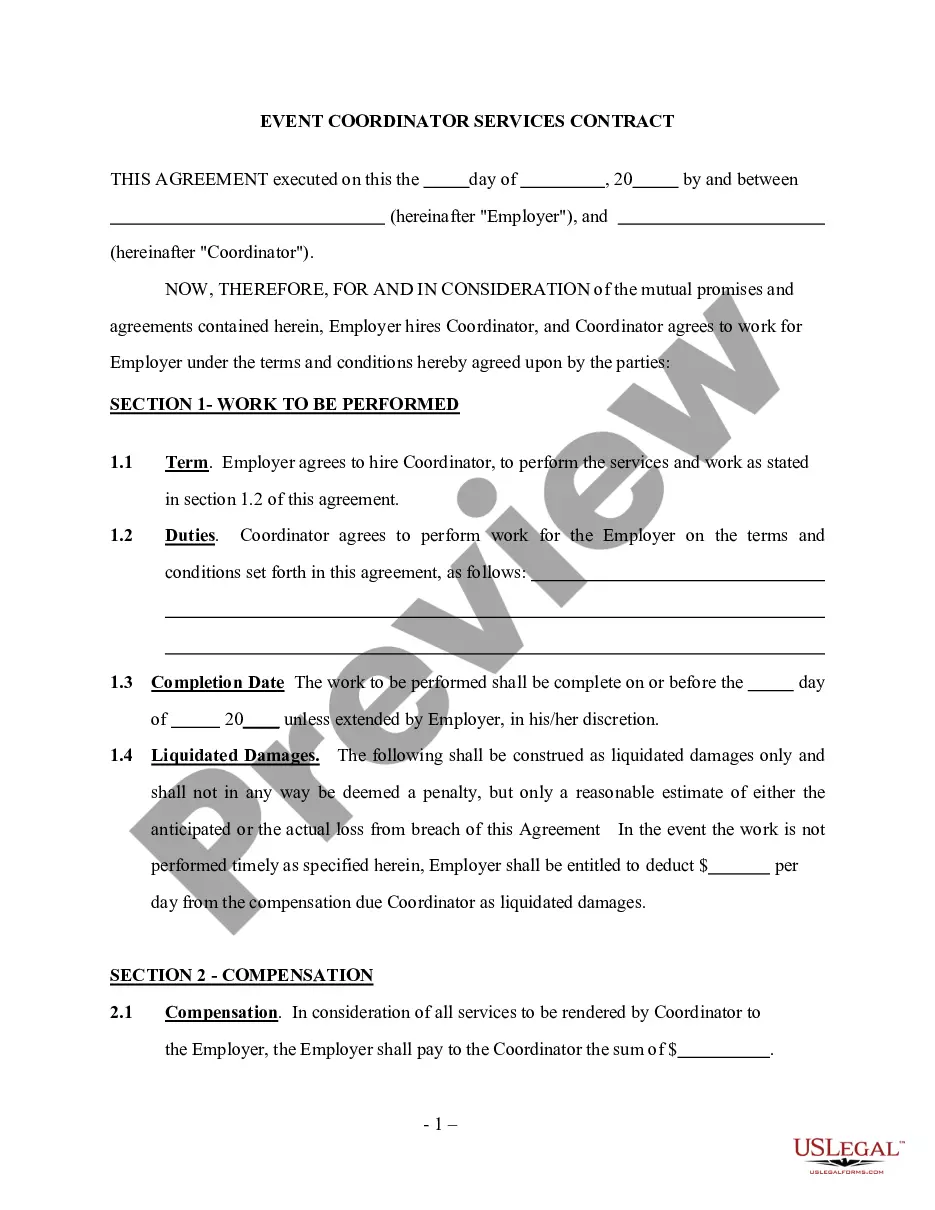
Get your form ready online
Our built-in tools help you complete, sign, share, and store your documents in one place.
Make edits, fill in missing information, and update formatting in US Legal Forms—just like you would in MS Word.
Download a copy, print it, send it by email, or mail it via USPS—whatever works best for your next step.
Sign and collect signatures with our SignNow integration. Send to multiple recipients, set reminders, and more. Go Premium to unlock E-Sign.
If this form requires notarization, complete it online through a secure video call—no need to meet a notary in person or wait for an appointment.
We protect your documents and personal data by following strict security and privacy standards.

Make edits, fill in missing information, and update formatting in US Legal Forms—just like you would in MS Word.

Download a copy, print it, send it by email, or mail it via USPS—whatever works best for your next step.

Sign and collect signatures with our SignNow integration. Send to multiple recipients, set reminders, and more. Go Premium to unlock E-Sign.

If this form requires notarization, complete it online through a secure video call—no need to meet a notary in person or wait for an appointment.

We protect your documents and personal data by following strict security and privacy standards.
Looking for another form?









Form popularity
FAQ
One of the easiest and most effective ways to get your first clients is to start with the people you already know. Reach out to your friends, family, and acquaintances and let them know about your new business. Ask them if they know anyone who is planning an event and might need your services.
Event planning is a thriving industry, with demand surging across various sectors like corporate events, weddings, fundraisers, and public relations endeavors. It's a field that offers diverse career pathways, catering to different passions and skill sets.
Event planning is a thriving industry, with demand surging across various sectors like corporate events, weddings, fundraisers, and public relations endeavors. It's a field that offers diverse career pathways, catering to different passions and skill sets.
Employment of meeting, convention, and event planners is projected to grow 7 percent from 2023 to 2033, faster than the average for all occupations. About 16,500 openings for meeting, convention, and event planners are projected each year, on average, over the decade.
How to Get Clients as an Event Planner Carve out a niche for yourself in the event industry. Build up a solid portfolio of clients. Start your own website. Advertise on social media. Build up a local buzz. Network with nonprofits.
What Does an Event Checklist Include? Defining the goals and objectives. Establishing the event framework with date, time, duration, and venue. Creating a budget. Developing a marketing strategy. Securing key vendors and services. Obtaining permits and licenses. Planning logistics and operations.
Following are eight ideas for advertising and promoting your event planning business: Networking. Advertising. Business card. Informative brochures. Direct mail. Customer service. Facebook. Facebook is geared toward communicating with your network of friends. Twitter.
On average, freelance event planners can earn anywhere from $50 to $150 per hour, depending on their experience, location, and the complexity of the event, ing to Business Yield. For larger events, some planners opt for a percentage model, usually taking 10% to 20% of the total event budget.
Common event requirement categories include: Venue hire. Audio-visual equipment and production. Food and beverage costs. Marketing and promotion. Security and staffing. Keynote speaker or entertainer fees. Transportation and accommodation. Event signage and set design.
