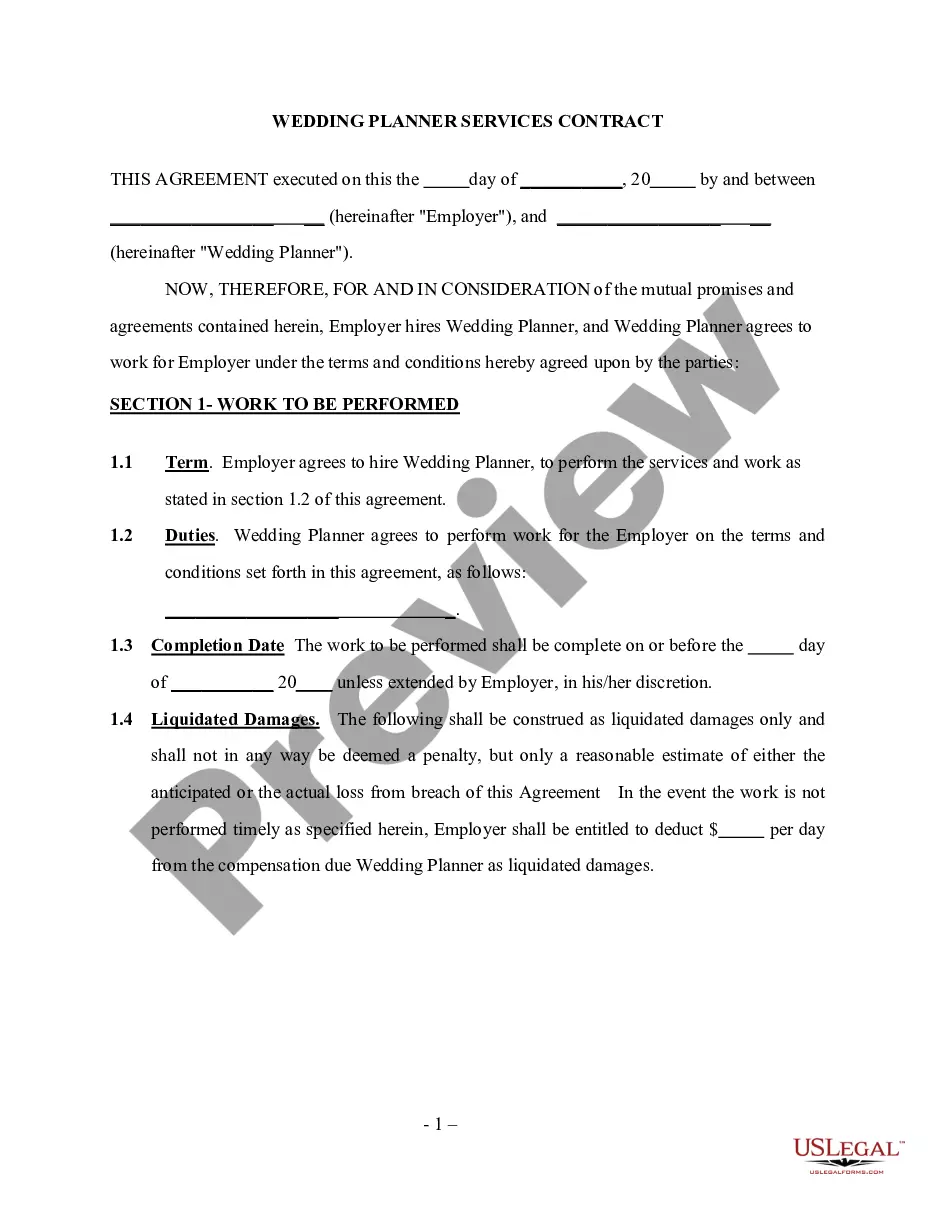
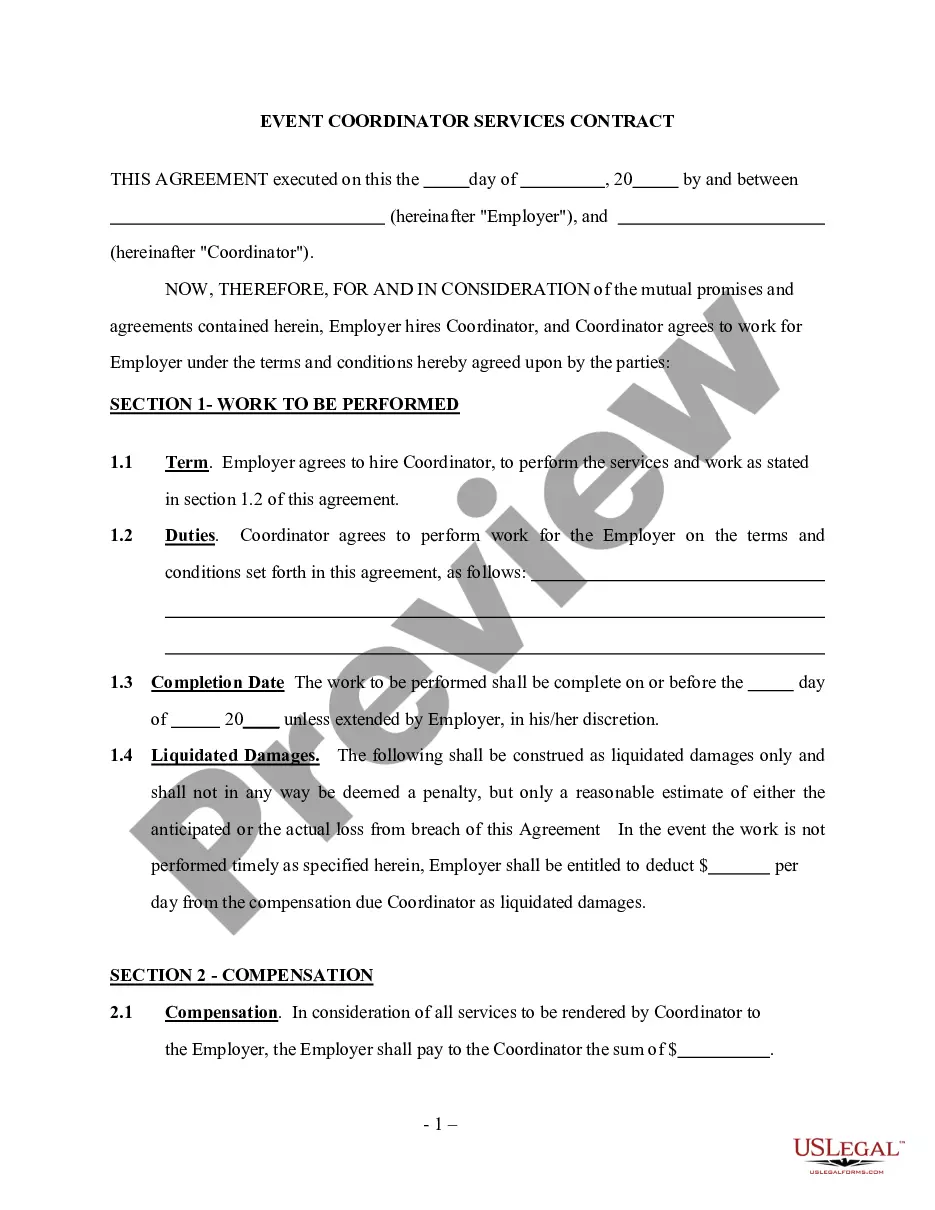
Event Planning Agreement With Mexico In Montgomery
Description

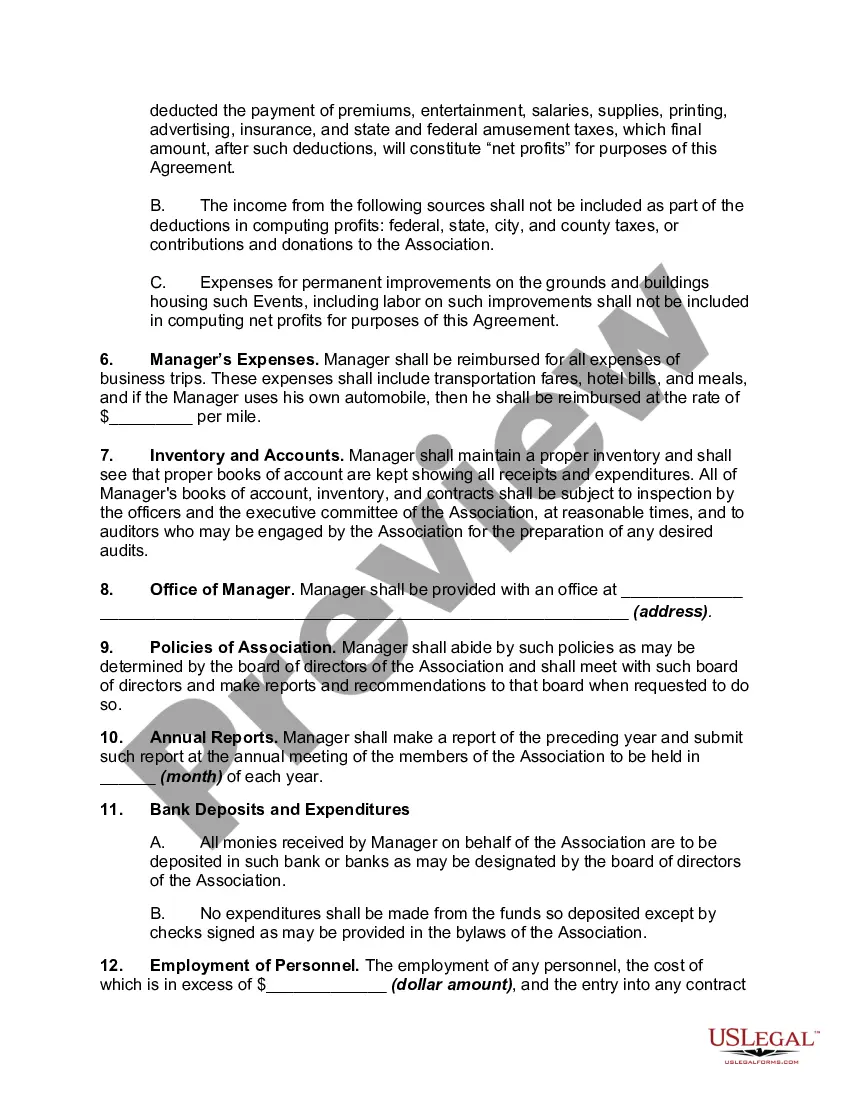
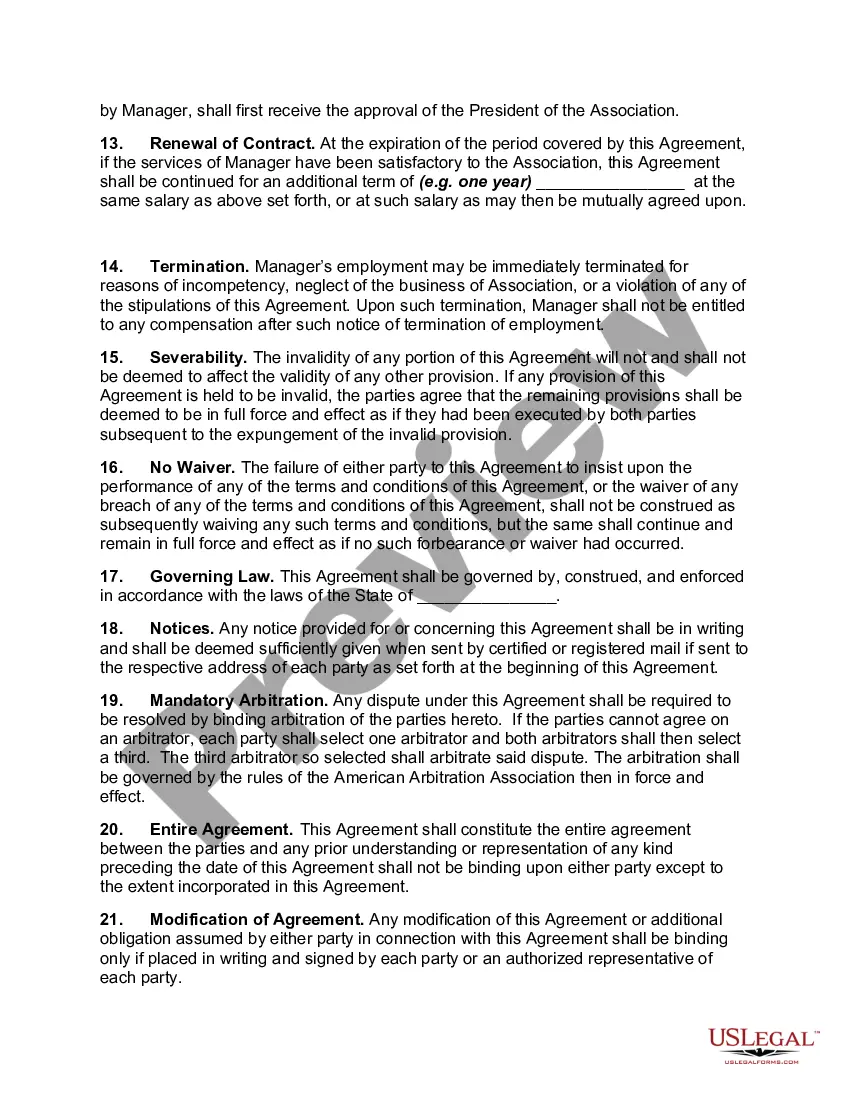
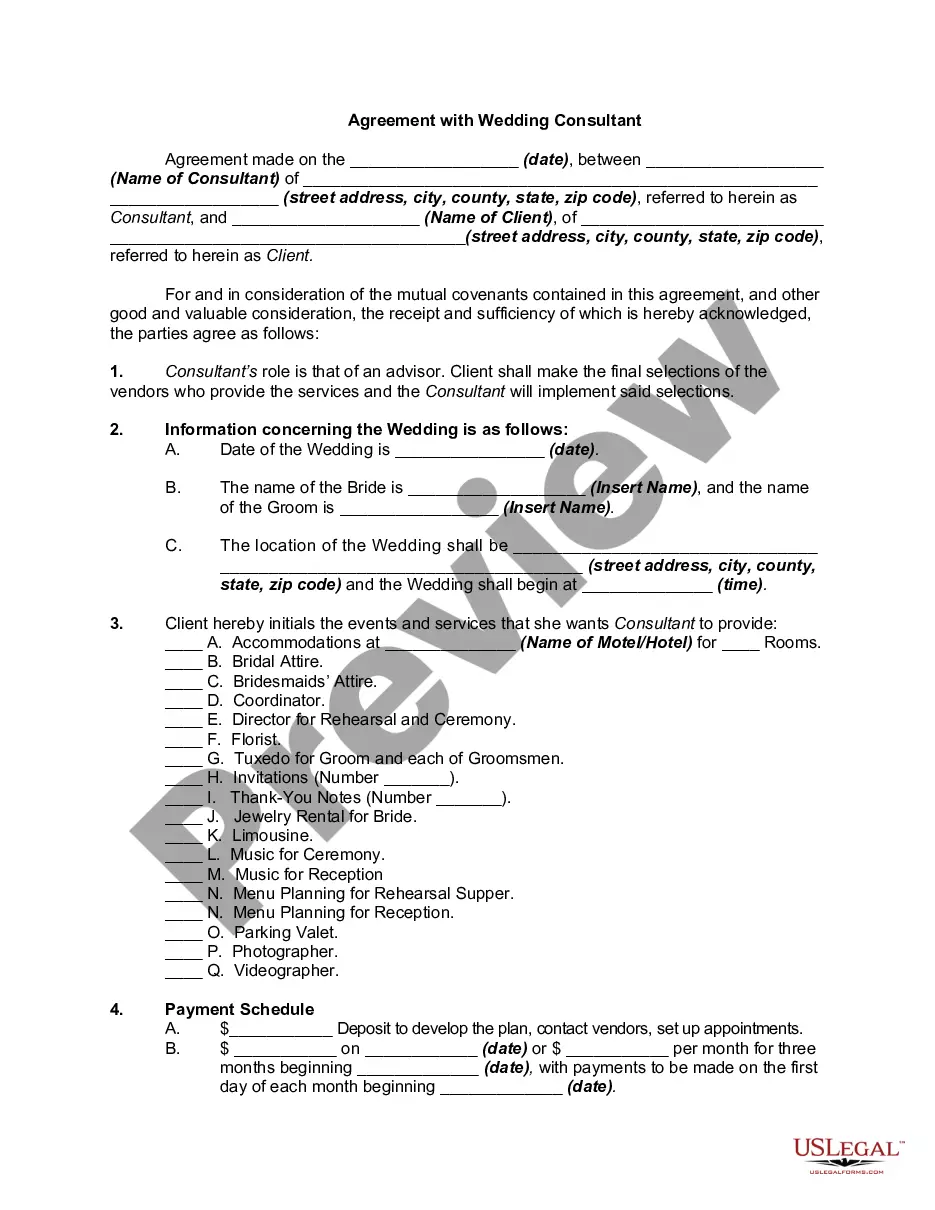
Get your form ready online
Our built-in tools help you complete, sign, share, and store your documents in one place.
Make edits, fill in missing information, and update formatting in US Legal Forms—just like you would in MS Word.
Download a copy, print it, send it by email, or mail it via USPS—whatever works best for your next step.
Sign and collect signatures with our SignNow integration. Send to multiple recipients, set reminders, and more. Go Premium to unlock E-Sign.
If this form requires notarization, complete it online through a secure video call—no need to meet a notary in person or wait for an appointment.
We protect your documents and personal data by following strict security and privacy standards.

Make edits, fill in missing information, and update formatting in US Legal Forms—just like you would in MS Word.

Download a copy, print it, send it by email, or mail it via USPS—whatever works best for your next step.

Sign and collect signatures with our SignNow integration. Send to multiple recipients, set reminders, and more. Go Premium to unlock E-Sign.

If this form requires notarization, complete it online through a secure video call—no need to meet a notary in person or wait for an appointment.

We protect your documents and personal data by following strict security and privacy standards.
Looking for another form?




Form popularity
FAQ
Develop Your Event Goals and Objectives. Organize Your Team. Establish Your Budget. Create a Master Plan. Plan for VIPs, Keynote, and Entertainment. Set the Date. Reserve Your Venue. Market and Promote Your Event.
How to create a template for event planning Identify the goals for the event. The goals for the event illustrate what you hope to accomplish during and after the function. Establish a budget. Set a timeline. Highlight relationships with third parties. Choose a marketing strategy. Make a post-event agenda.
Your event management plan should cover: Event goals and objectives. Individual roles and responsibilities. Volunteers and volunteer training. Budget. Date and time of the event. Event master plan. Event location. Event management software.
An event contract essentially includes the following: Details of the event, including venue, date, time, etc. Parties intention from the event. Services provided by the planner.
Step-by-step guide to writing a post event report Gather data and information. Define the report's structure. Start with an executive summary. Provide an event overview. Evaluate the event's success. Analyse the event's budget. Assess marketing and promotional strategies. Review event logistics.
In summary, the success of an event is determined by the following five essential event management elements: concept, coordination, control, culmination, and closeout. You can ensure that your event is well-organized, well-executed, and memorable for your attendees by incorporating these elements into your planning.
On average, freelance event planners can earn anywhere from $50 to $150 per hour, depending on their experience, location, and the complexity of the event, ing to Business Yield. For larger events, some planners opt for a percentage model, usually taking 10% to 20% of the total event budget.
Common event requirement categories include: Venue hire. Audio-visual equipment and production. Food and beverage costs. Marketing and promotion. Security and staffing. Keynote speaker or entertainer fees. Transportation and accommodation. Event signage and set design.
What Does an Event Checklist Include? Defining the goals and objectives. Establishing the event framework with date, time, duration, and venue. Creating a budget. Developing a marketing strategy. Securing key vendors and services. Obtaining permits and licenses. Planning logistics and operations.
