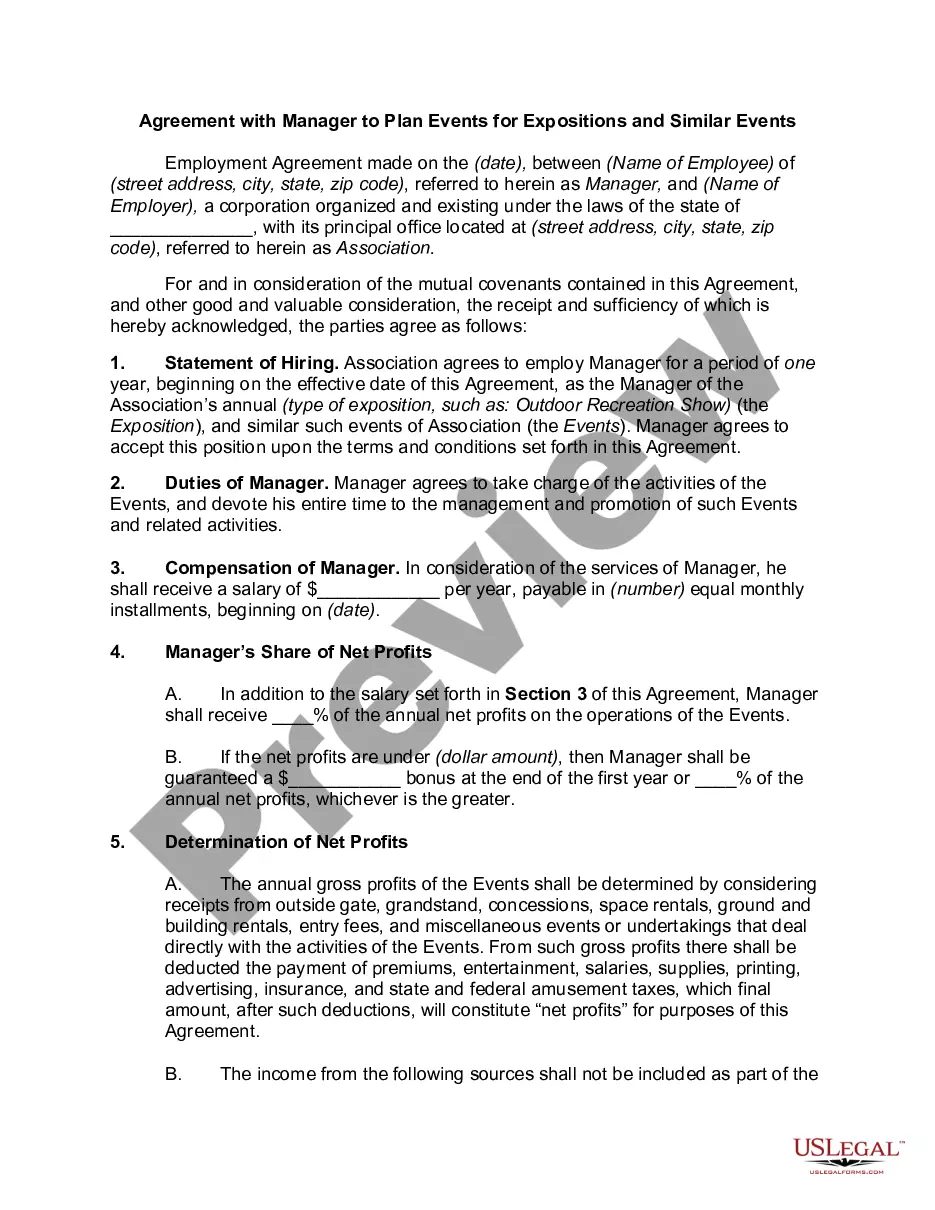
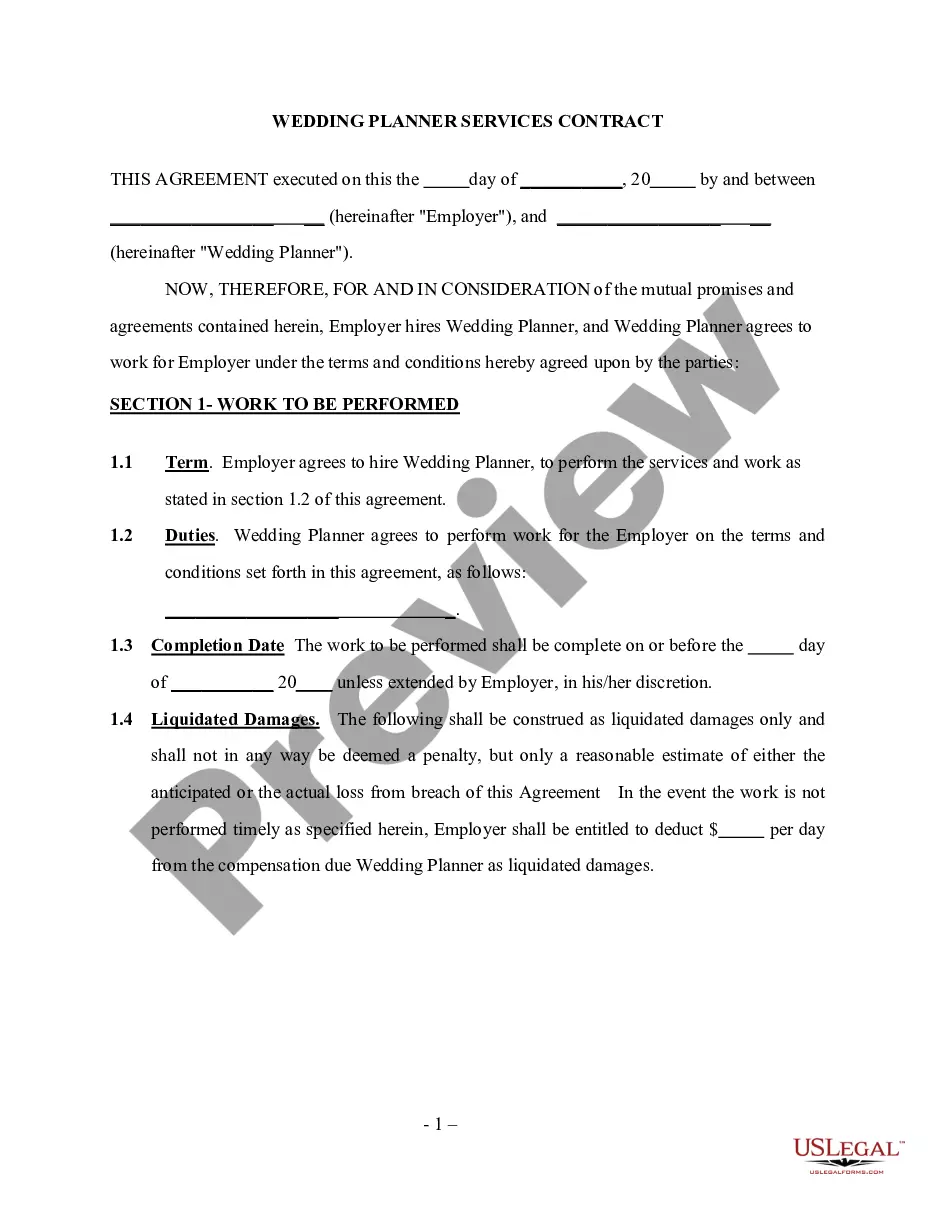
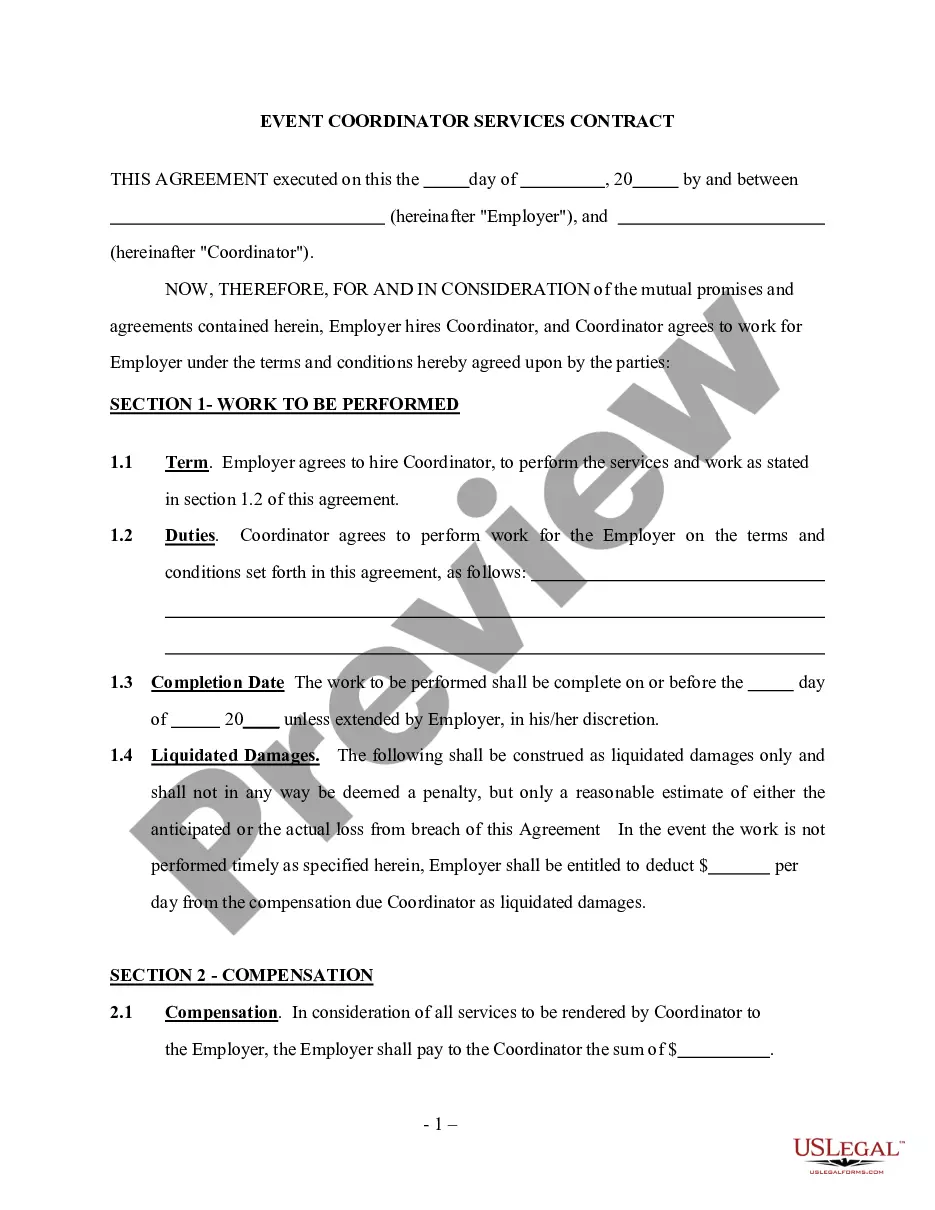
Event Planning Agreement Template With Time Slots In Harris
Description

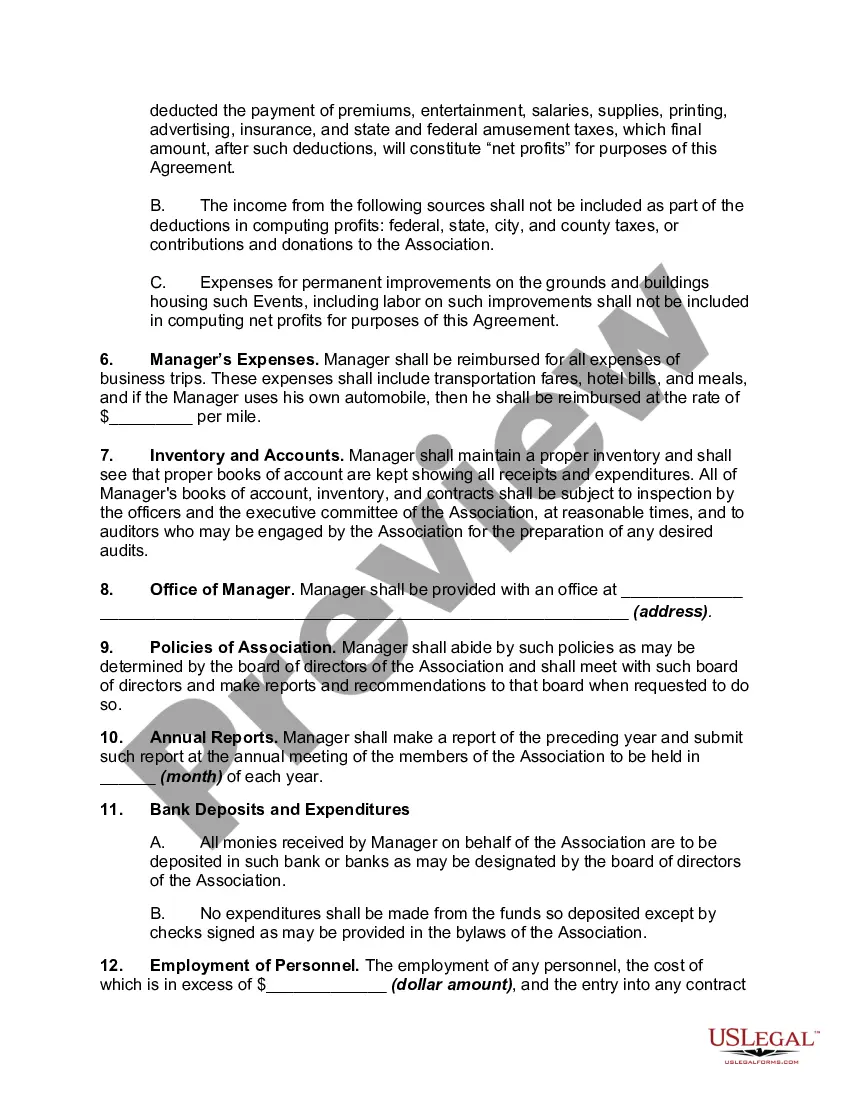
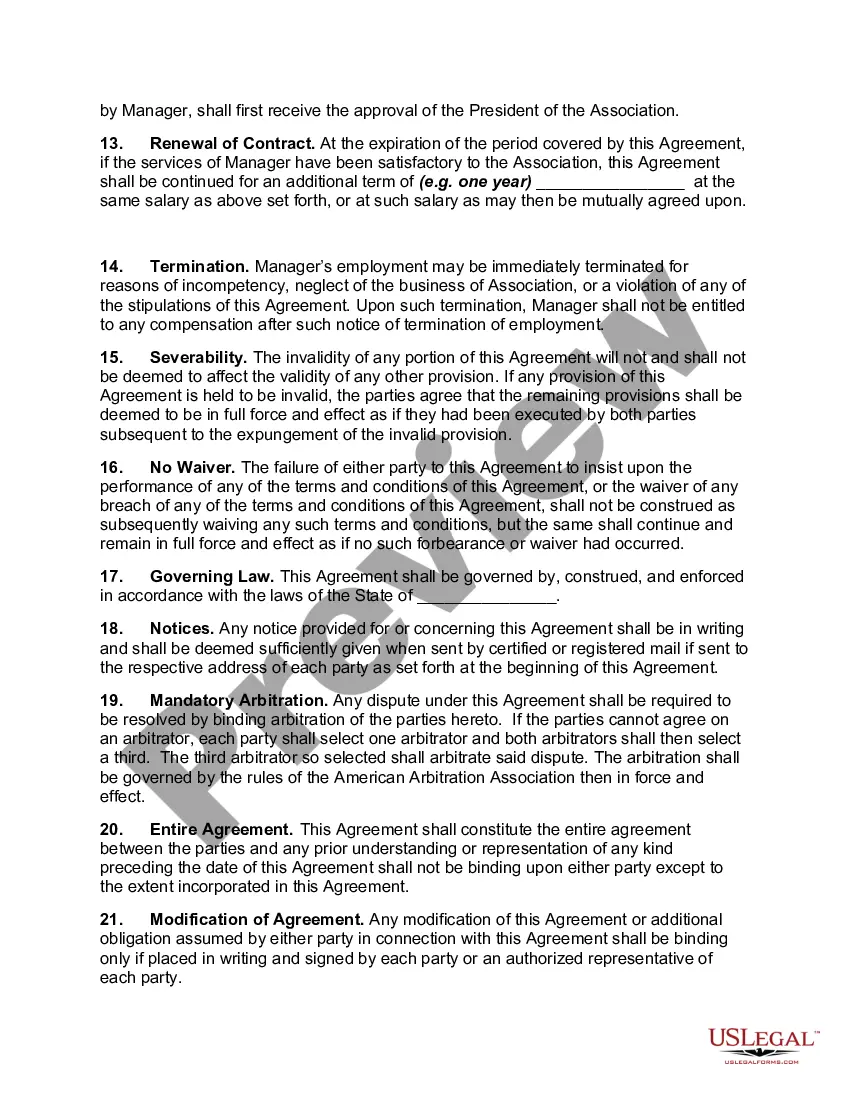
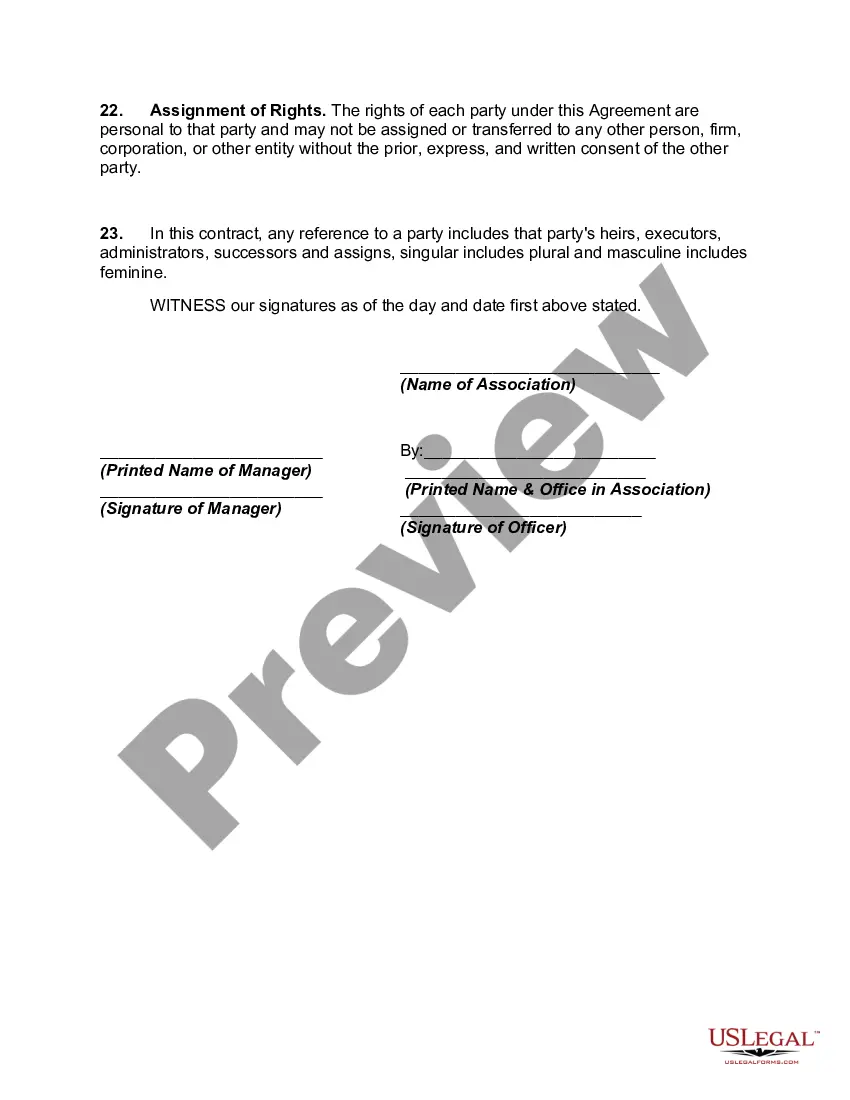
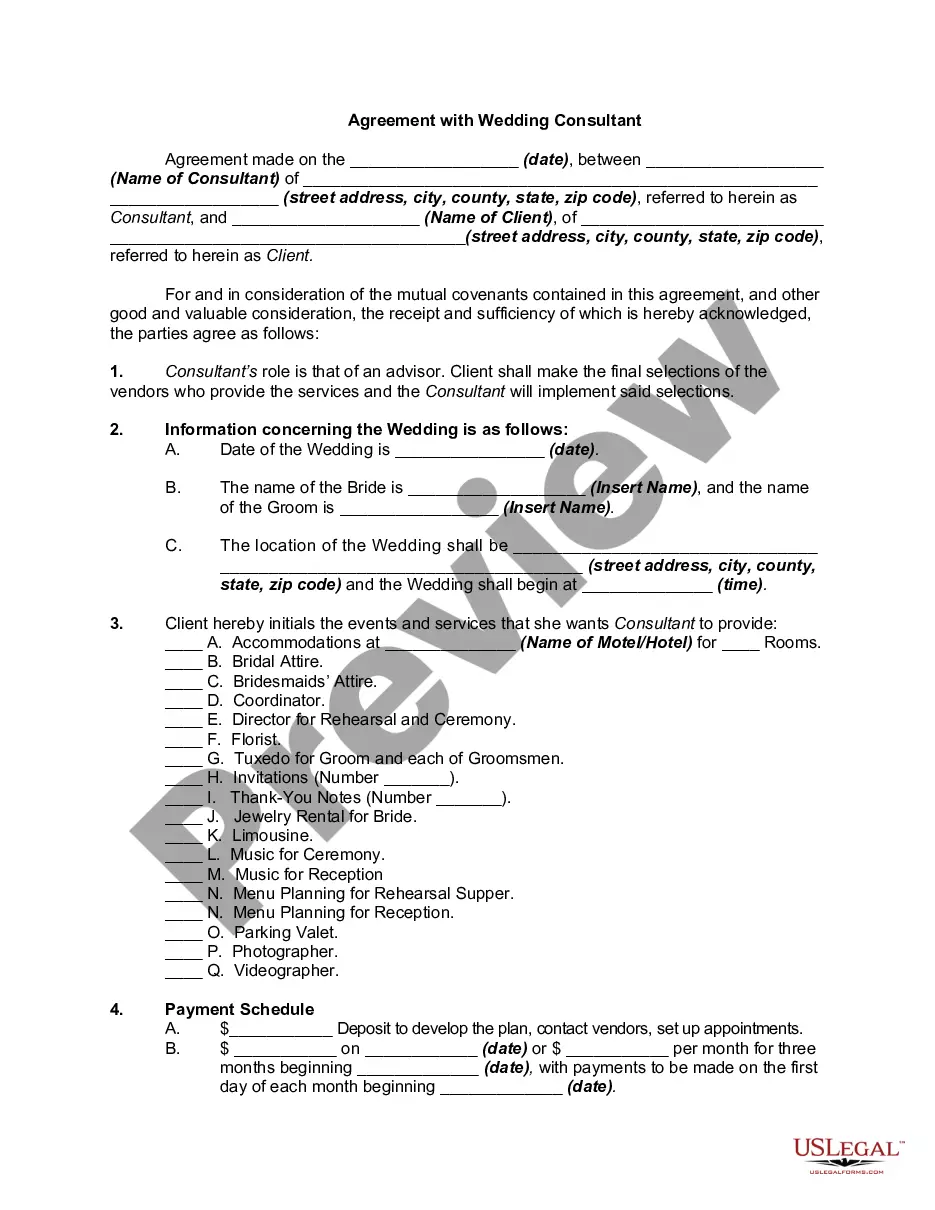
Get your form ready online
Our built-in tools help you complete, sign, share, and store your documents in one place.
Make edits, fill in missing information, and update formatting in US Legal Forms—just like you would in MS Word.
Download a copy, print it, send it by email, or mail it via USPS—whatever works best for your next step.
Sign and collect signatures with our SignNow integration. Send to multiple recipients, set reminders, and more. Go Premium to unlock E-Sign.
If this form requires notarization, complete it online through a secure video call—no need to meet a notary in person or wait for an appointment.
We protect your documents and personal data by following strict security and privacy standards.

Make edits, fill in missing information, and update formatting in US Legal Forms—just like you would in MS Word.

Download a copy, print it, send it by email, or mail it via USPS—whatever works best for your next step.

Sign and collect signatures with our SignNow integration. Send to multiple recipients, set reminders, and more. Go Premium to unlock E-Sign.

If this form requires notarization, complete it online through a secure video call—no need to meet a notary in person or wait for an appointment.

We protect your documents and personal data by following strict security and privacy standards.
Looking for another form?




Form popularity
FAQ
How to create a template for event planning Identify the goals for the event. The goals for the event illustrate what you hope to accomplish during and after the function. Establish a budget. Set a timeline. Highlight relationships with third parties. Choose a marketing strategy. Make a post-event agenda.
Event Planner Time Estimates Creating a budget: 2-4 hours. Selecting a venue and date: 10-20 hours. Creating or acquiring marketing materials: 8-10 hours. Developing a registration process: 5-8 hours. Planning the event logistics: 20-30 hours. Coordinating with vendors: 10-15 hours. Running the event: varies.
How to create a template for event planning Identify the goals for the event. The goals for the event illustrate what you hope to accomplish during and after the function. Establish a budget. Set a timeline. Highlight relationships with third parties. Choose a marketing strategy. Make a post-event agenda.
In summary, the success of an event is determined by the following five essential event management elements: concept, coordination, control, culmination, and closeout. You can ensure that your event is well-organized, well-executed, and memorable for your attendees by incorporating these elements into your planning.
How to create a template for event planning Identify the goals for the event. The goals for the event illustrate what you hope to accomplish during and after the function. Establish a budget. Set a timeline. Highlight relationships with third parties. Choose a marketing strategy. Make a post-event agenda.
