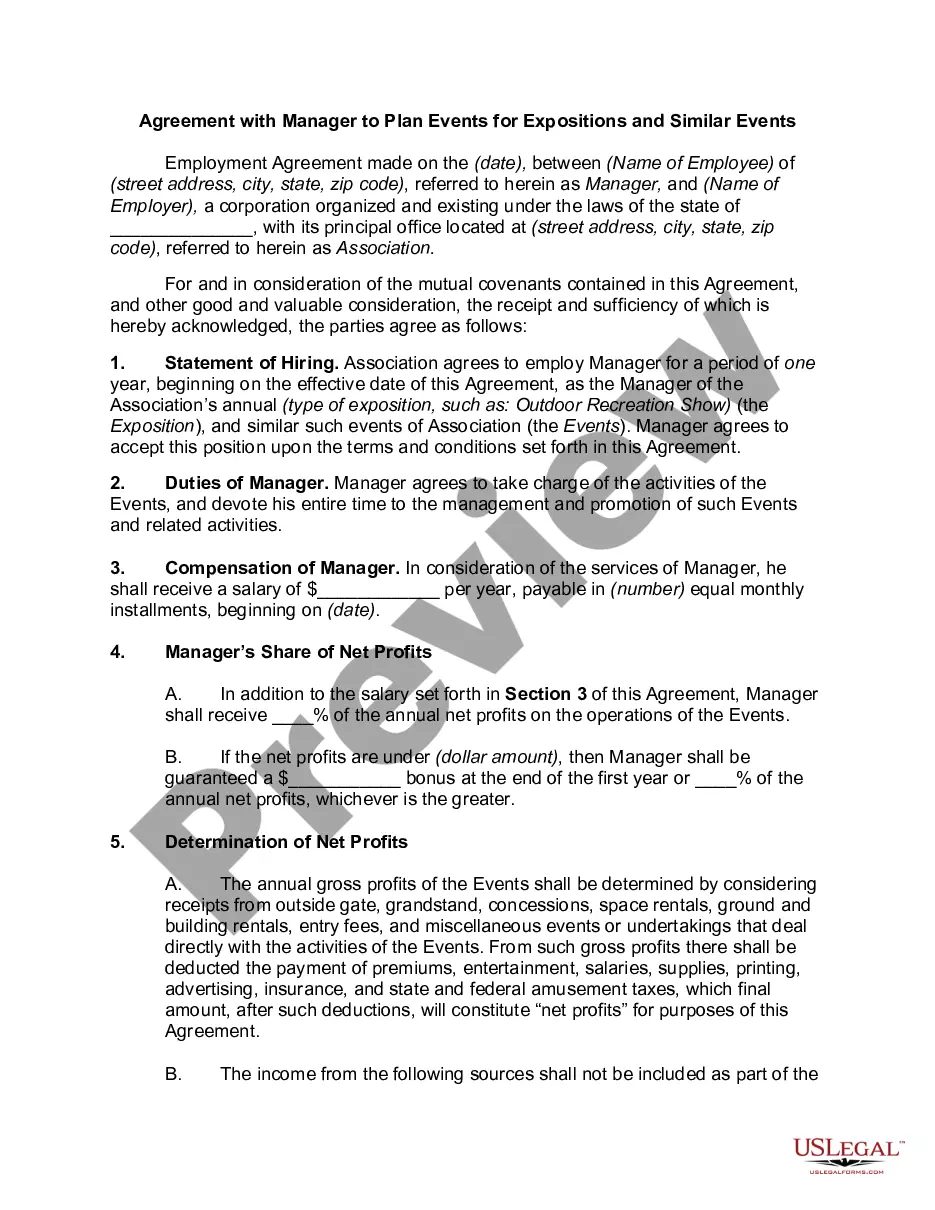
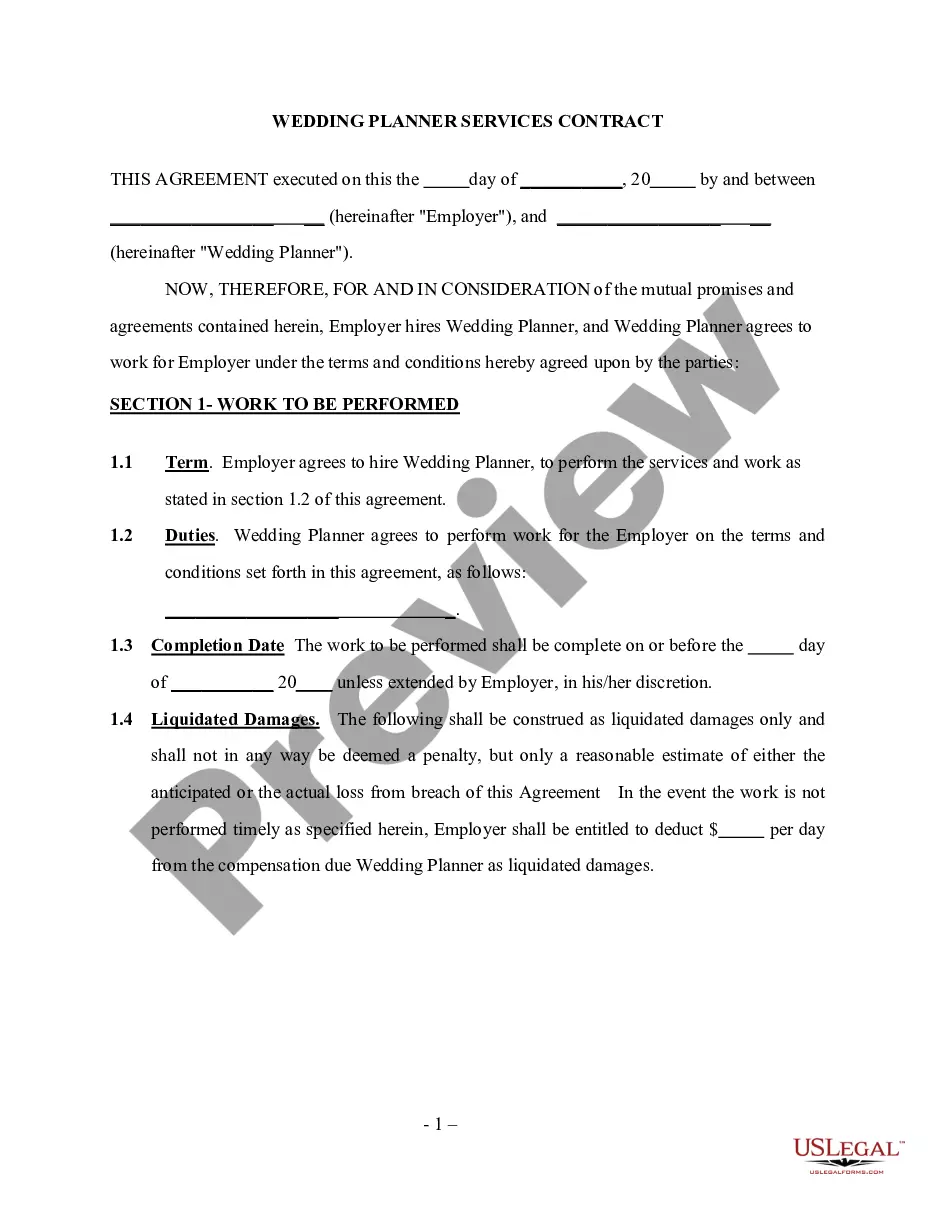
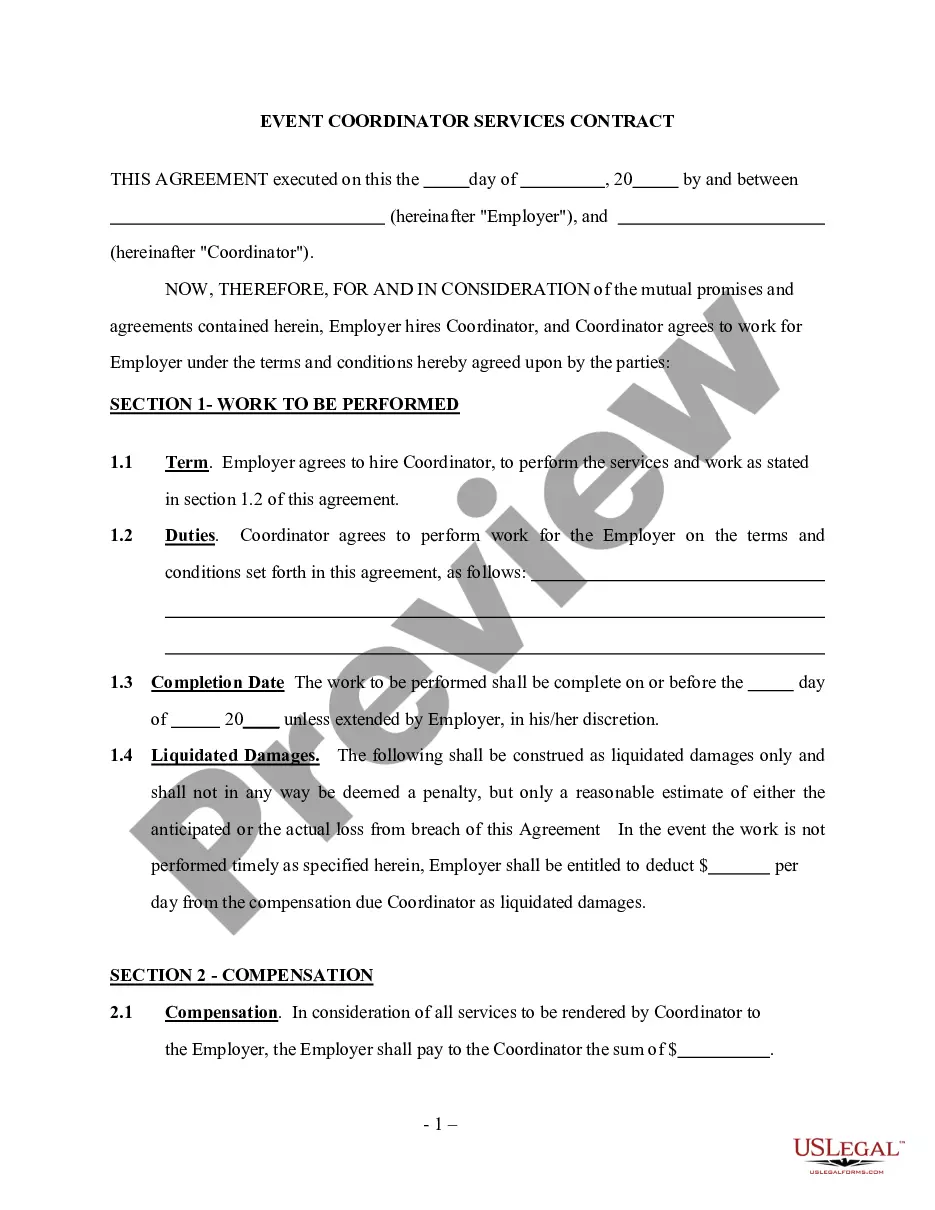
Event Planner Agreement With Company In Georgia
Description

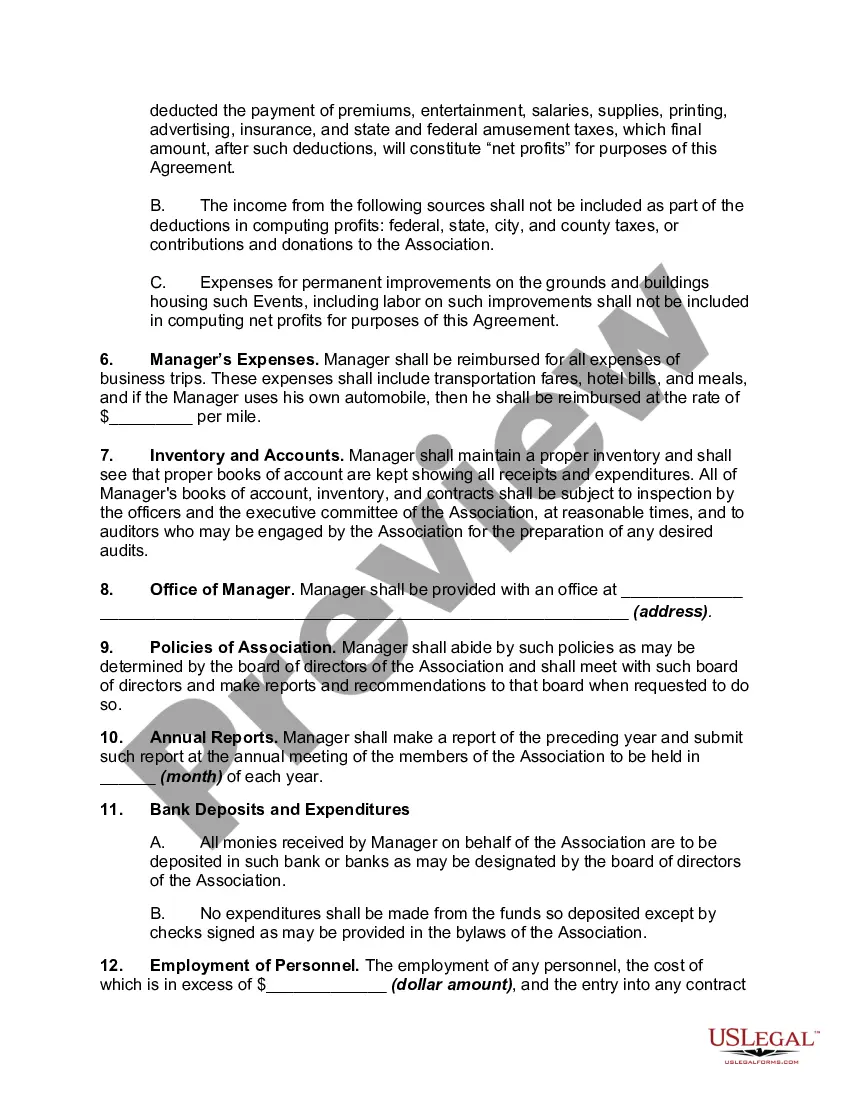
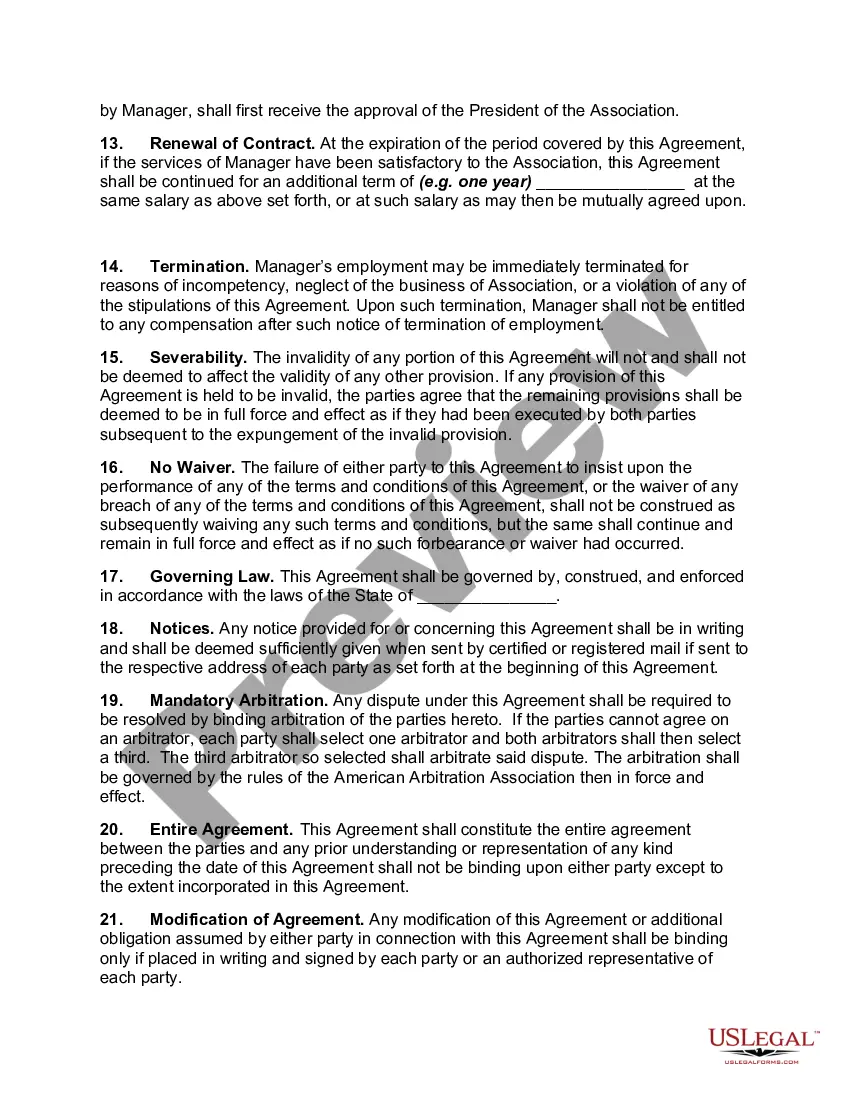
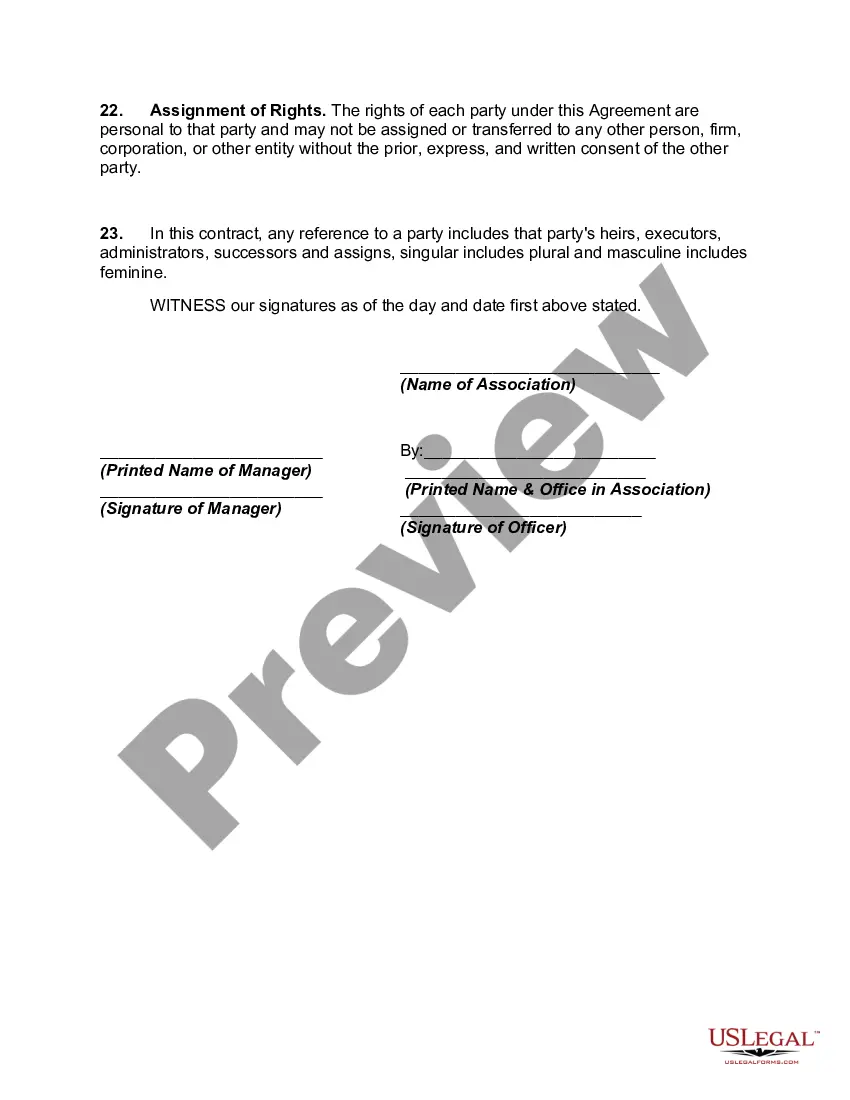
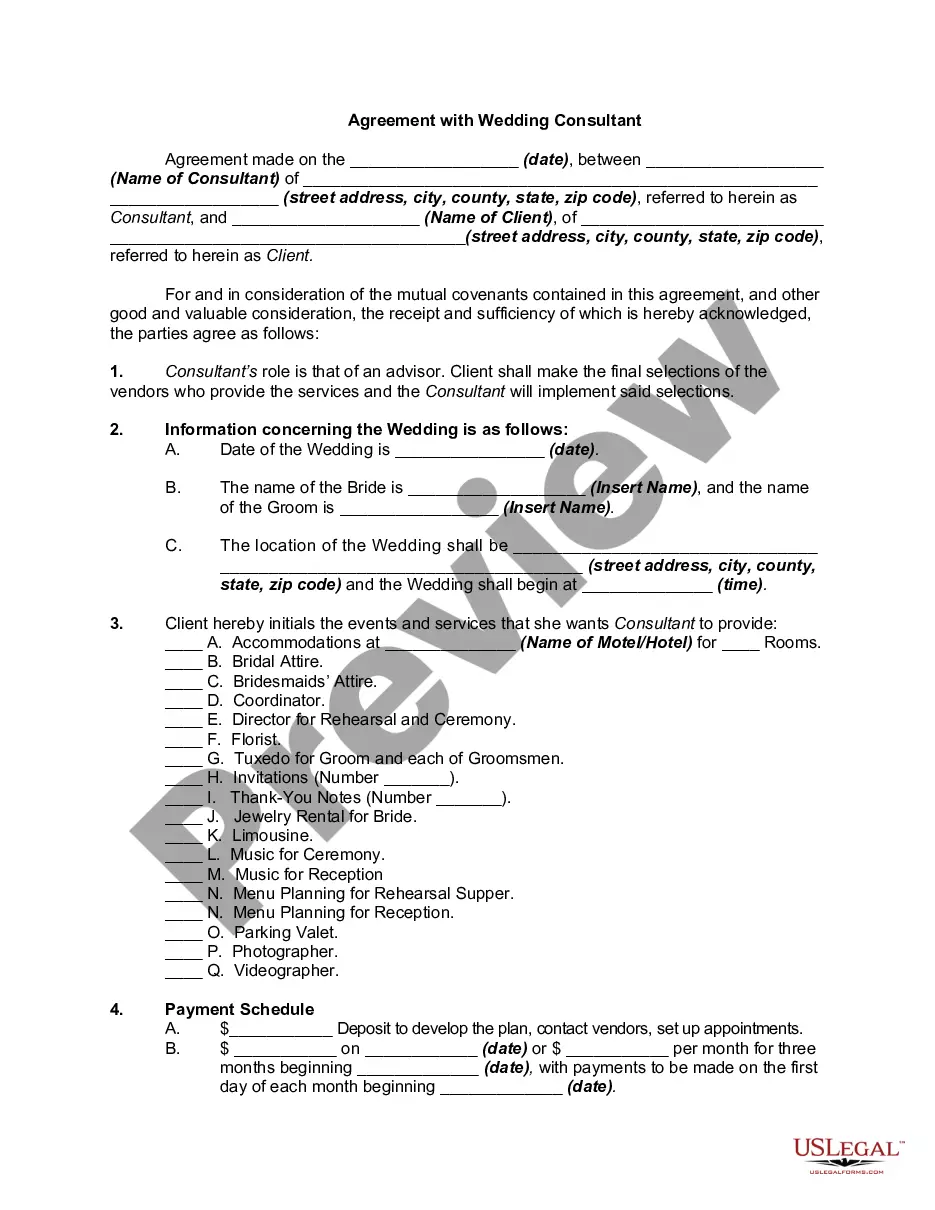
Get your form ready online
Our built-in tools help you complete, sign, share, and store your documents in one place.
Make edits, fill in missing information, and update formatting in US Legal Forms—just like you would in MS Word.
Download a copy, print it, send it by email, or mail it via USPS—whatever works best for your next step.
Sign and collect signatures with our SignNow integration. Send to multiple recipients, set reminders, and more. Go Premium to unlock E-Sign.
If this form requires notarization, complete it online through a secure video call—no need to meet a notary in person or wait for an appointment.
We protect your documents and personal data by following strict security and privacy standards.

Make edits, fill in missing information, and update formatting in US Legal Forms—just like you would in MS Word.

Download a copy, print it, send it by email, or mail it via USPS—whatever works best for your next step.

Sign and collect signatures with our SignNow integration. Send to multiple recipients, set reminders, and more. Go Premium to unlock E-Sign.

If this form requires notarization, complete it online through a secure video call—no need to meet a notary in person or wait for an appointment.

We protect your documents and personal data by following strict security and privacy standards.
Looking for another form?




Form popularity
FAQ
8 Steps to Start an Event Planning Business Perform Market Research. Create a Business Plan. Calculate Your Monthly Operating Costs. Register Your Business. Plan to Accept Customer Payments. Set Up a Merchant Bank Account. Market Your Business and Start Planning Events. Track Your Success.
You don't need a degree to become an event planner, but certain qualifications and certificates can help you get noticed”and hired. There are dozens of colleges and universities that offer degrees in related fields, stand-alone event courses, meetings designations, and certificate programs.
While some companies have no minimum educational requirement for their event planners, others require their event planners to hold degrees. Your degree program will teach you a variety of skills that will help you work as an event planner. These include: Event sales and sponsorship.
However, the BLS says most event professionals do earn a bachelor's in event planning (or something similar, such as public relations, hospitality management, or business administration). Alternatively, you can earn an event planning certification.
12 Event Planner Essential Items to Have with You at All Times Event Itinerary and Contact List. Multi-Tool or Swiss Army Knife. Portable Charger and Backup Batteries. Stationery Kit. First Aid Kit. Tape (Duct, Gaffer, and Double-Sided) ... Snacks and Water. Walkie-Talkies.
Event planning can be a very tough job. There will be times that you wonder why you got into this career in the first place, but hopefully these moments are few and far between. More often than not the things that make the event planner job tough, can also be what make it so enjoyable.
The event venue industry is brimming with opportunities, but success requires a mix of careful planning, market research, and strategic investment. With profit margins ranging from 10% to 60%, the potential rewards are immense for those who are well-prepared.
Meeting, convention, and event planners typically need a bachelor's degree. Although some colleges offer programs in meeting and event management, other common fields of degree include business, communications, and social science.
In summary, the success of an event is determined by the following five essential event management elements: concept, coordination, control, culmination, and closeout. You can ensure that your event is well-organized, well-executed, and memorable for your attendees by incorporating these elements into your planning.
