Difference Between Event Planner And Event Organizer In Georgia
Description

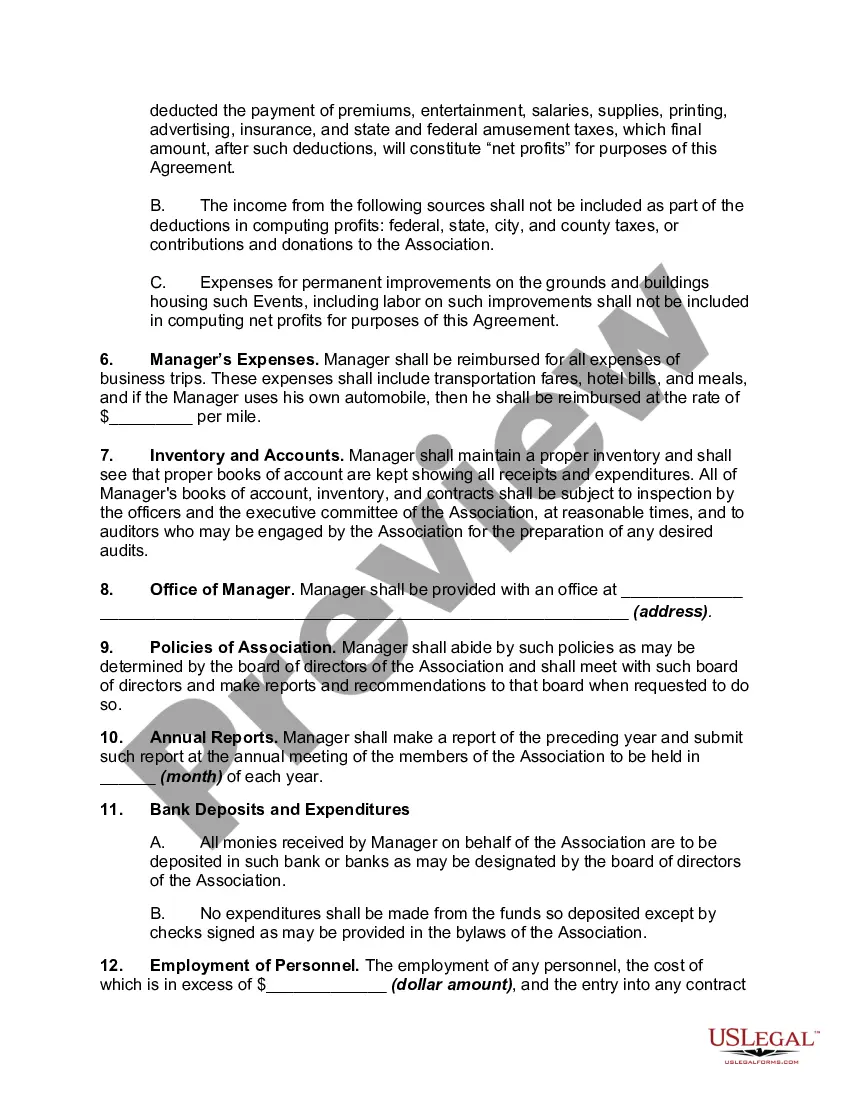
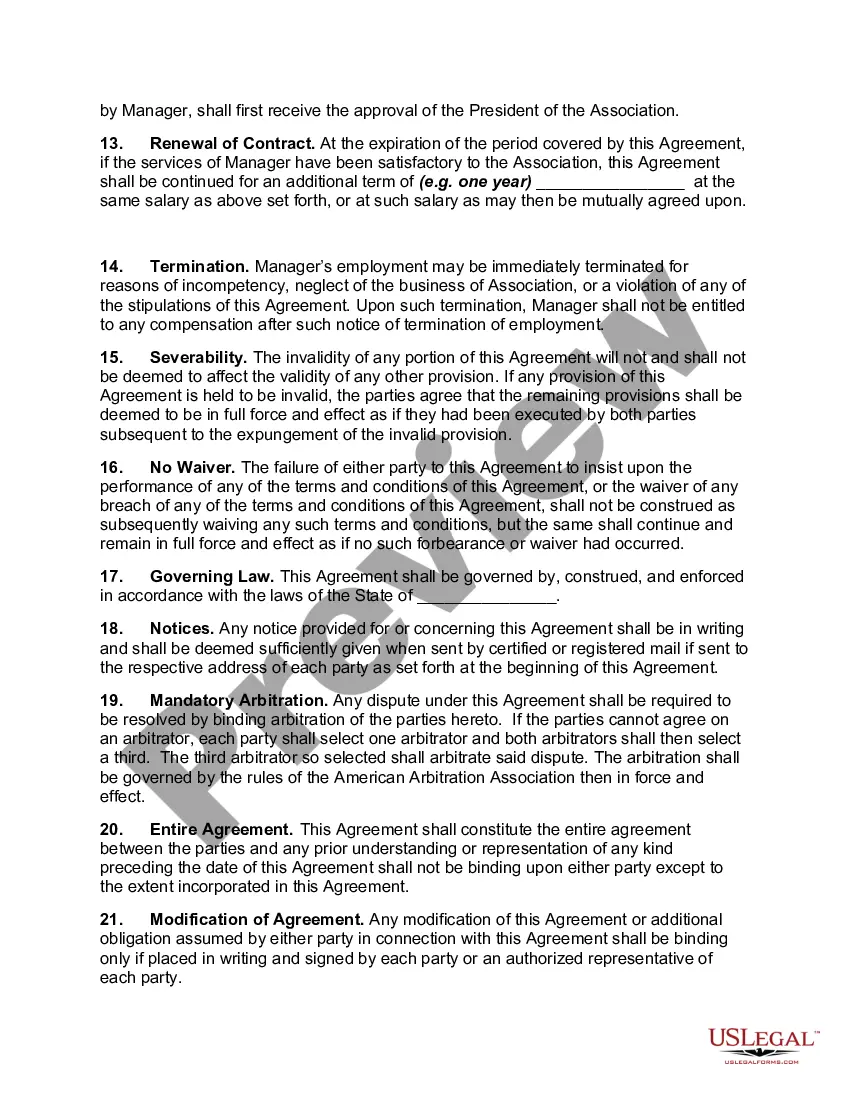
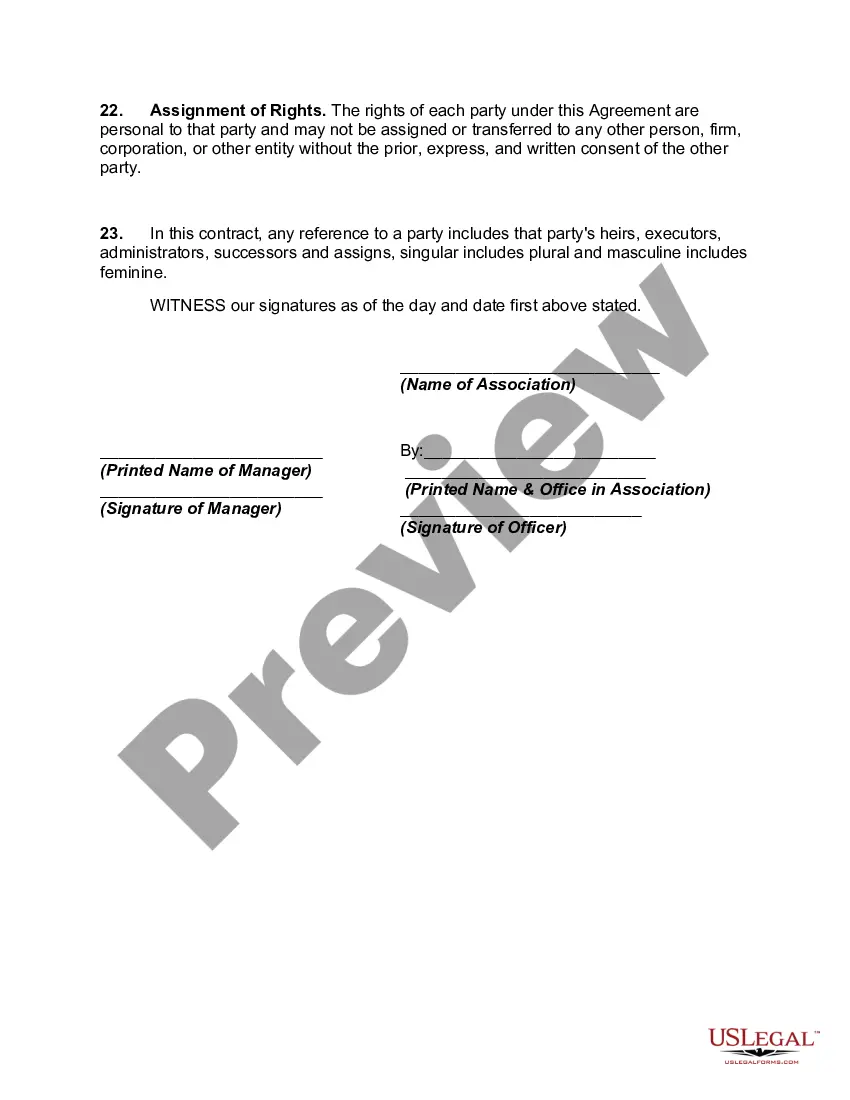
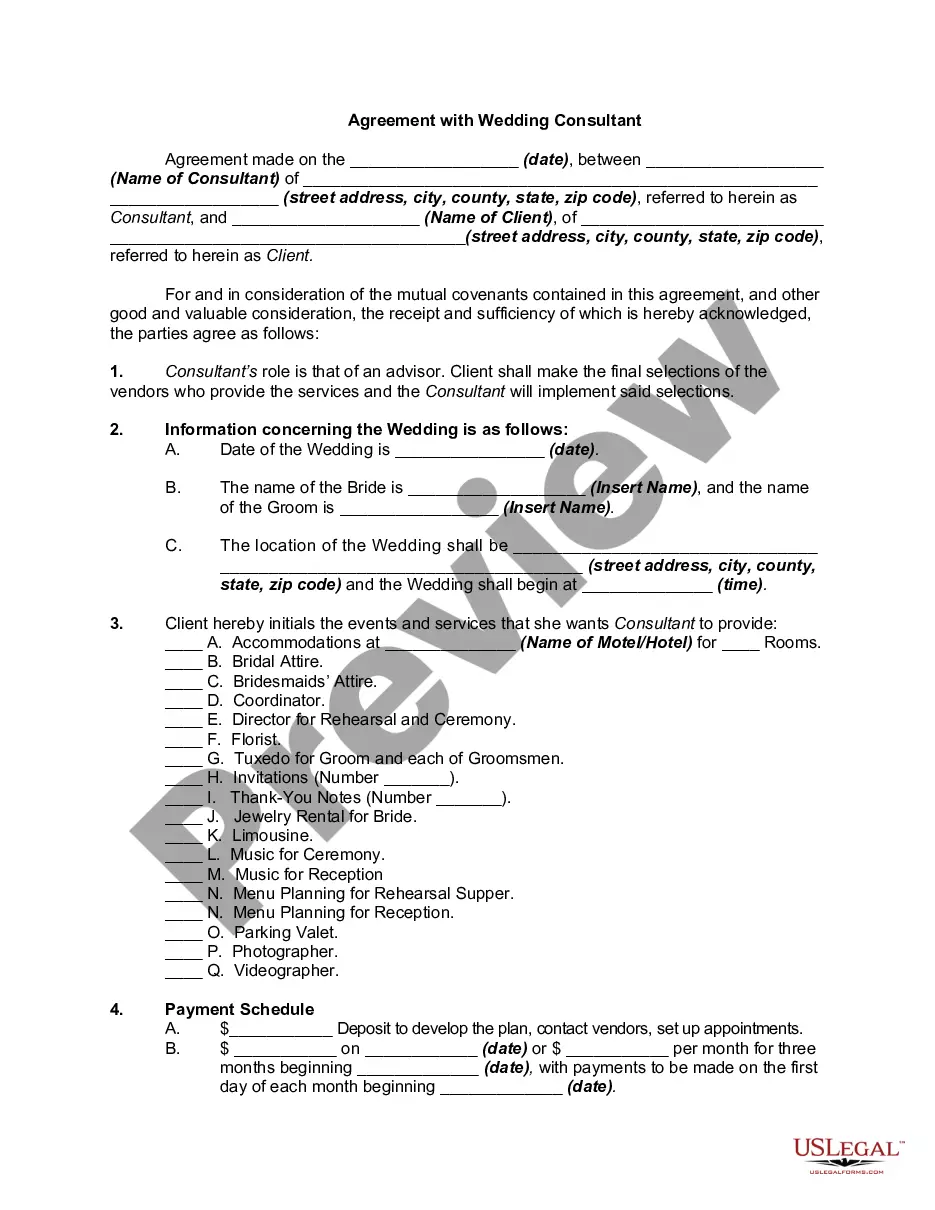
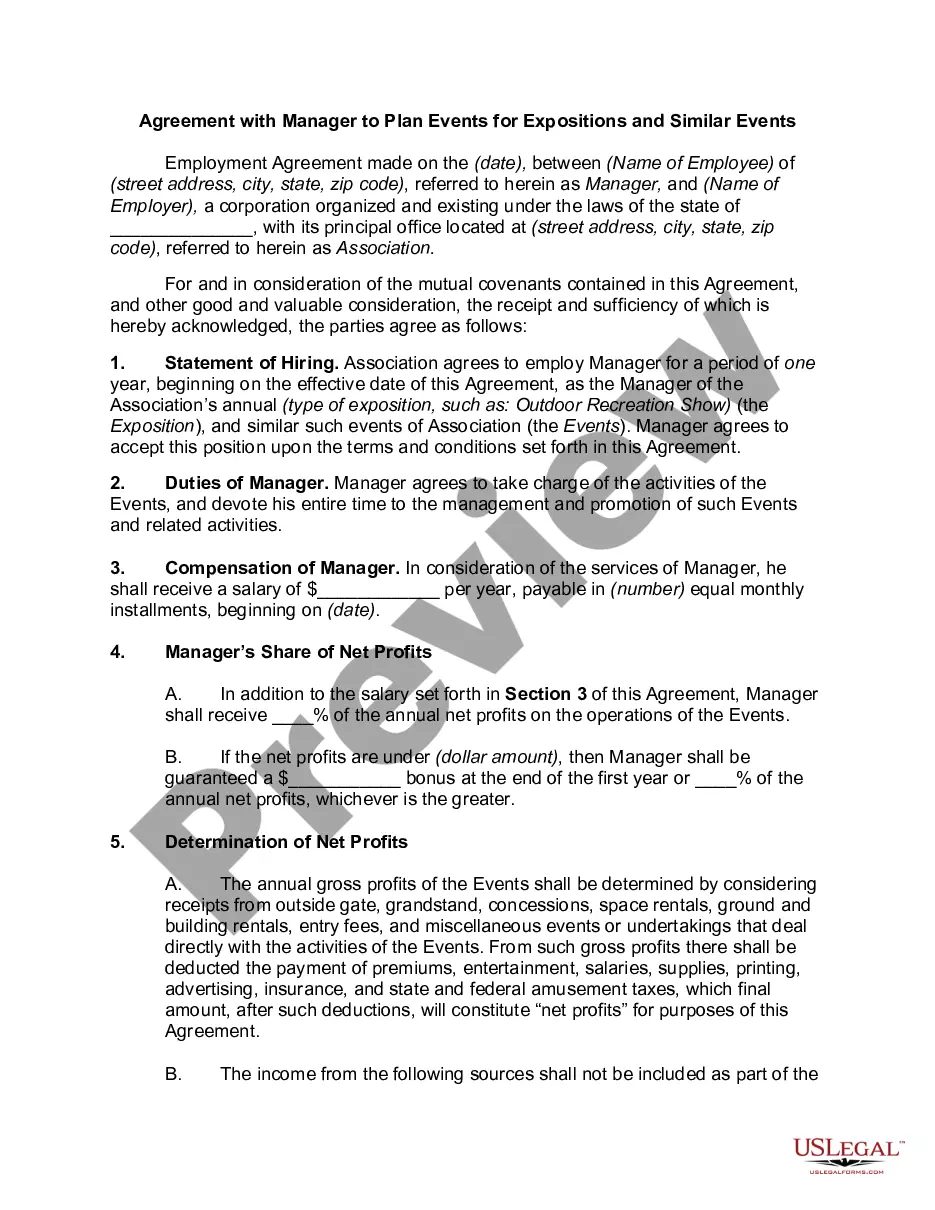
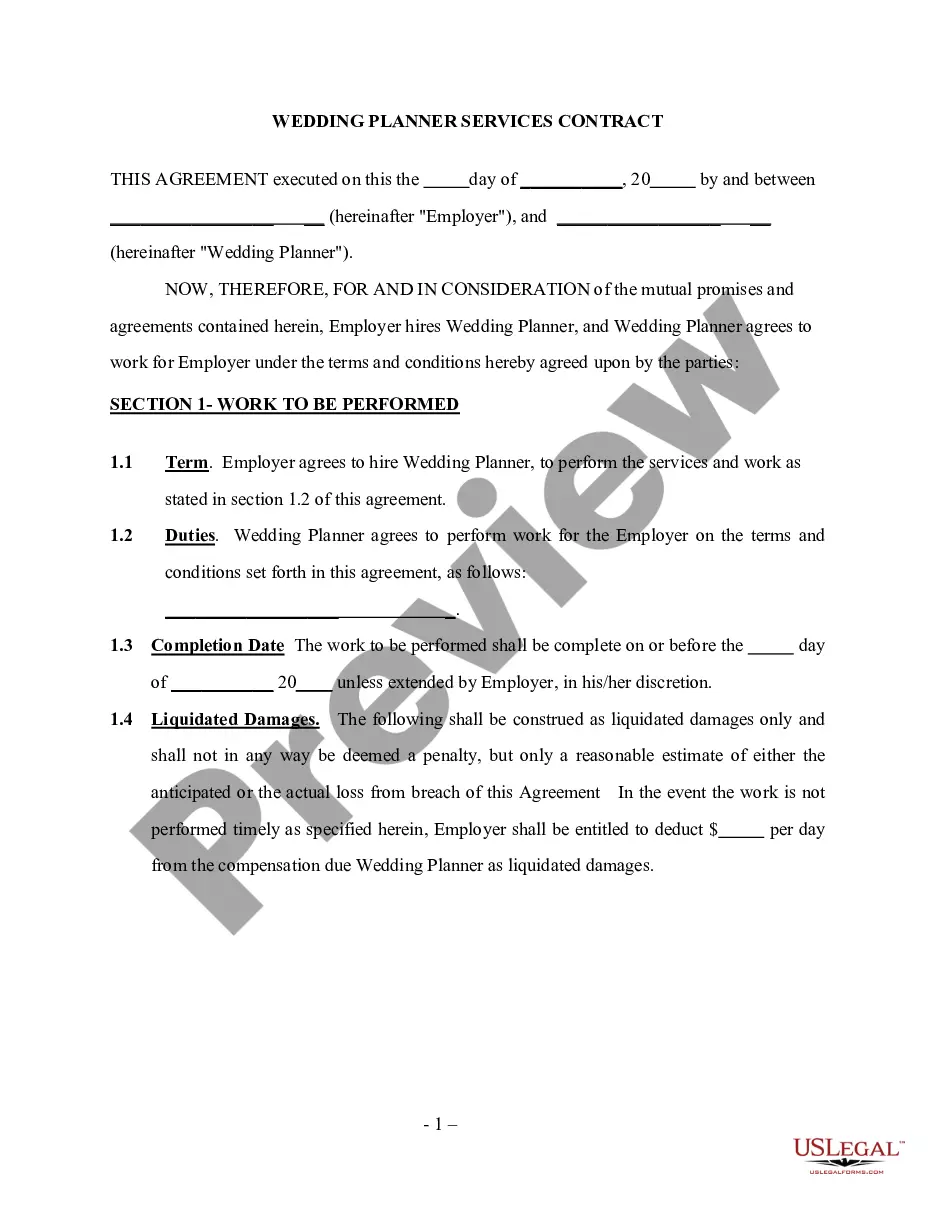
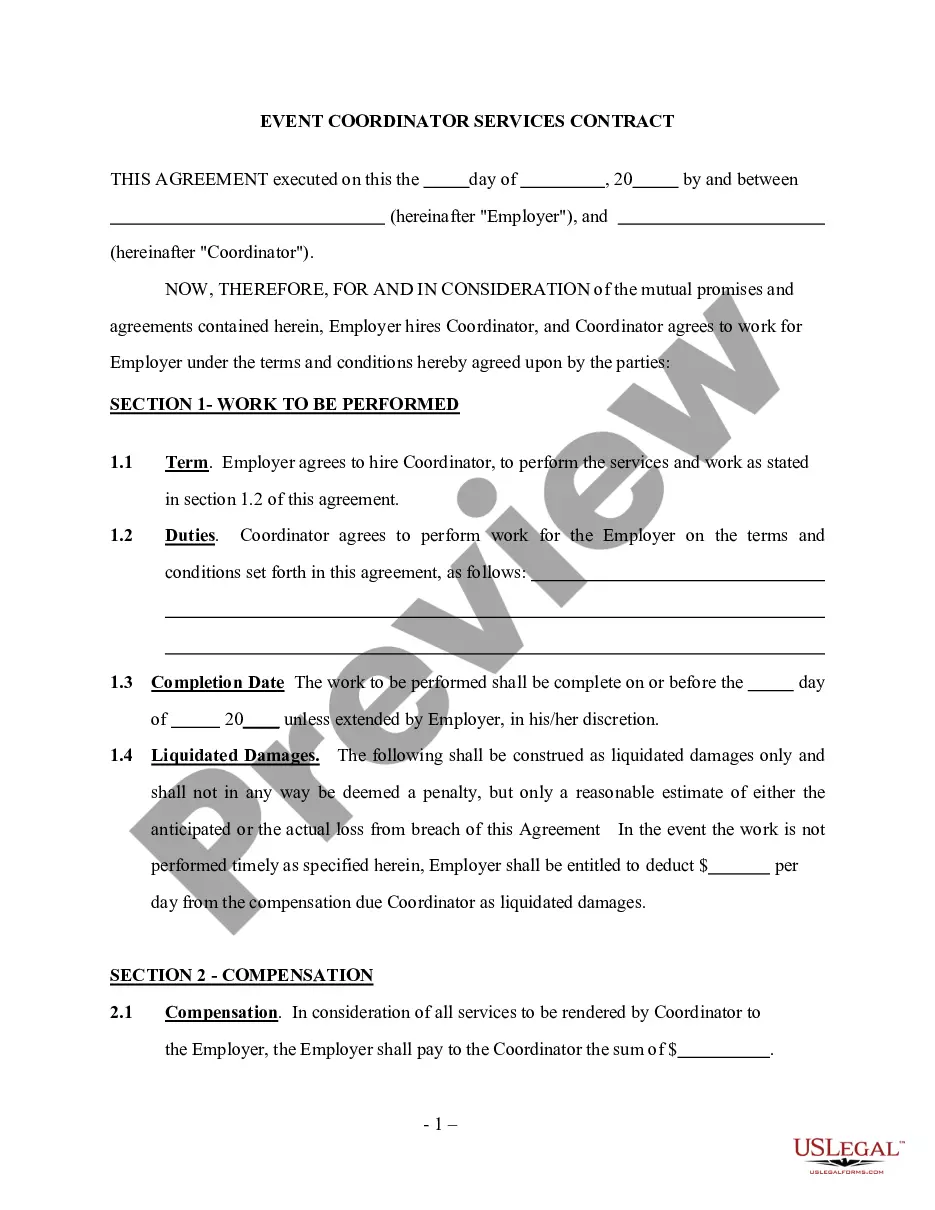
Get your form ready online
Our built-in tools help you complete, sign, share, and store your documents in one place.
Make edits, fill in missing information, and update formatting in US Legal Forms—just like you would in MS Word.
Download a copy, print it, send it by email, or mail it via USPS—whatever works best for your next step.
Sign and collect signatures with our SignNow integration. Send to multiple recipients, set reminders, and more. Go Premium to unlock E-Sign.
If this form requires notarization, complete it online through a secure video call—no need to meet a notary in person or wait for an appointment.
We protect your documents and personal data by following strict security and privacy standards.

Make edits, fill in missing information, and update formatting in US Legal Forms—just like you would in MS Word.

Download a copy, print it, send it by email, or mail it via USPS—whatever works best for your next step.

Sign and collect signatures with our SignNow integration. Send to multiple recipients, set reminders, and more. Go Premium to unlock E-Sign.

If this form requires notarization, complete it online through a secure video call—no need to meet a notary in person or wait for an appointment.

We protect your documents and personal data by following strict security and privacy standards.
Looking for another form?




Form popularity
FAQ
To become an Event Planner, formal education in the form of a hospitality or business course or program is a good start. Hands-on experience is also key to building your portfolio and skills. Additional certifications can enhance your resume and help you land a job.
The process of planning and coordinating the event is usually referred to as event planning and which can include budgeting, scheduling, site selection, acquiring necessary permits, coordinating transportation and parking, arranging for speakers or entertainers, arranging decor, event security, catering, coordinating ...
Answer and Explanation: Planning is an initial step of deciding how something will be achieved and which tasks need to be done. Organizing, on the other hand, happens after planning and involves deciding how the tasks will be structured, their sequence, and any other requirements for success.
Answer and Explanation: Planning is an initial step of deciding how something will be achieved and which tasks need to be done. Organizing, on the other hand, happens after planning and involves deciding how the tasks will be structured, their sequence, and any other requirements for success.
An event organiser, also known as an event planner, is a professional responsible for planning and coordinating events. Their primary roles and responsibilities include selecting event locations, managing budgets, negotiating contracts with vendors, designing event themes, and creating schedules.
Examples of how planning and organisational skills can be developed or evidenced. Managing and prioritising your personal workload (time-management). Organising social, sporting or charity events. Arranging travel itineraries.
Meeting, convention, and event planners organize a variety of social and professional events, including weddings, educational conferences, and business conventions. They coordinate every detail of these events, including finances.
The Director of Event Planning is responsible for leading the event planning team and overseeing the execution of all corporate and large-scale events. They ensure that each event aligns with the organization's goals, manages budgets, and coordinates all aspects of event production from concept to completion.
While the event planner is responsible for the overall vision and budget of the event, the event coordinator handles the logistics and details of the event itself. By working together, these two roles ensure that the event runs smoothly and meets the client's objectives.