Example Of Event Planning Contract In Fairfax
Description

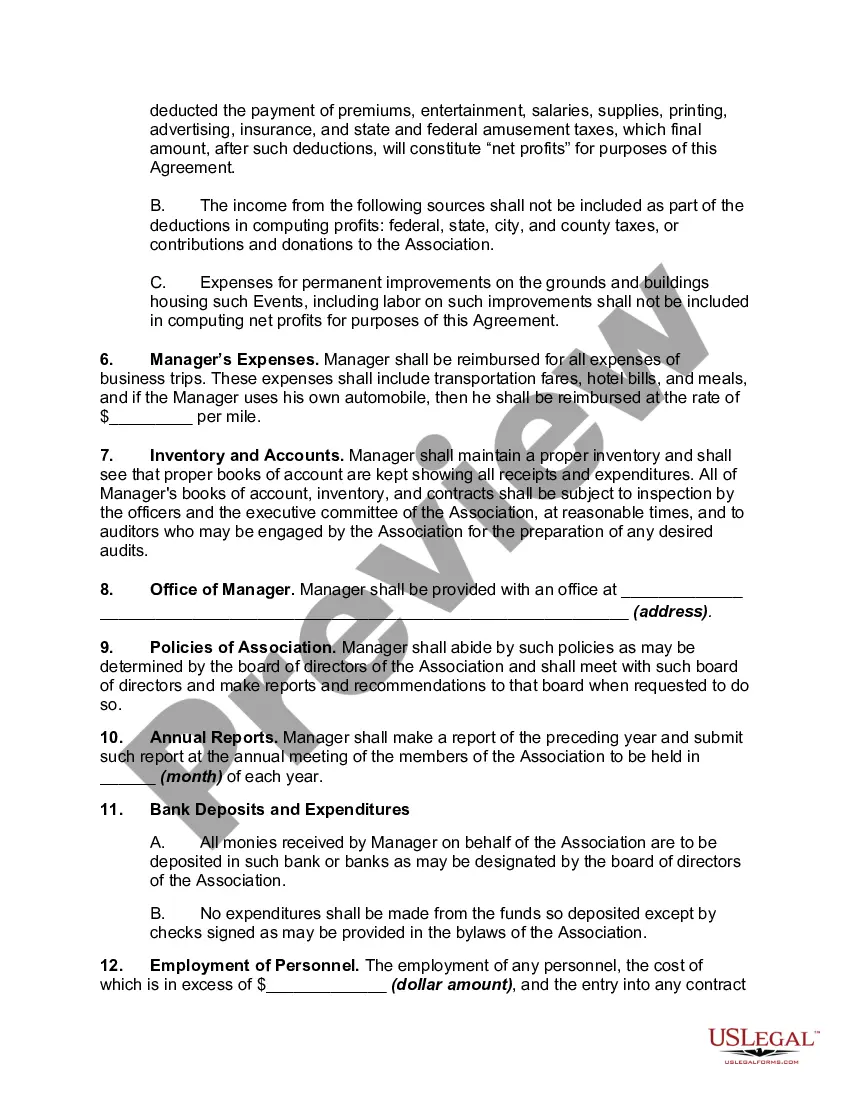
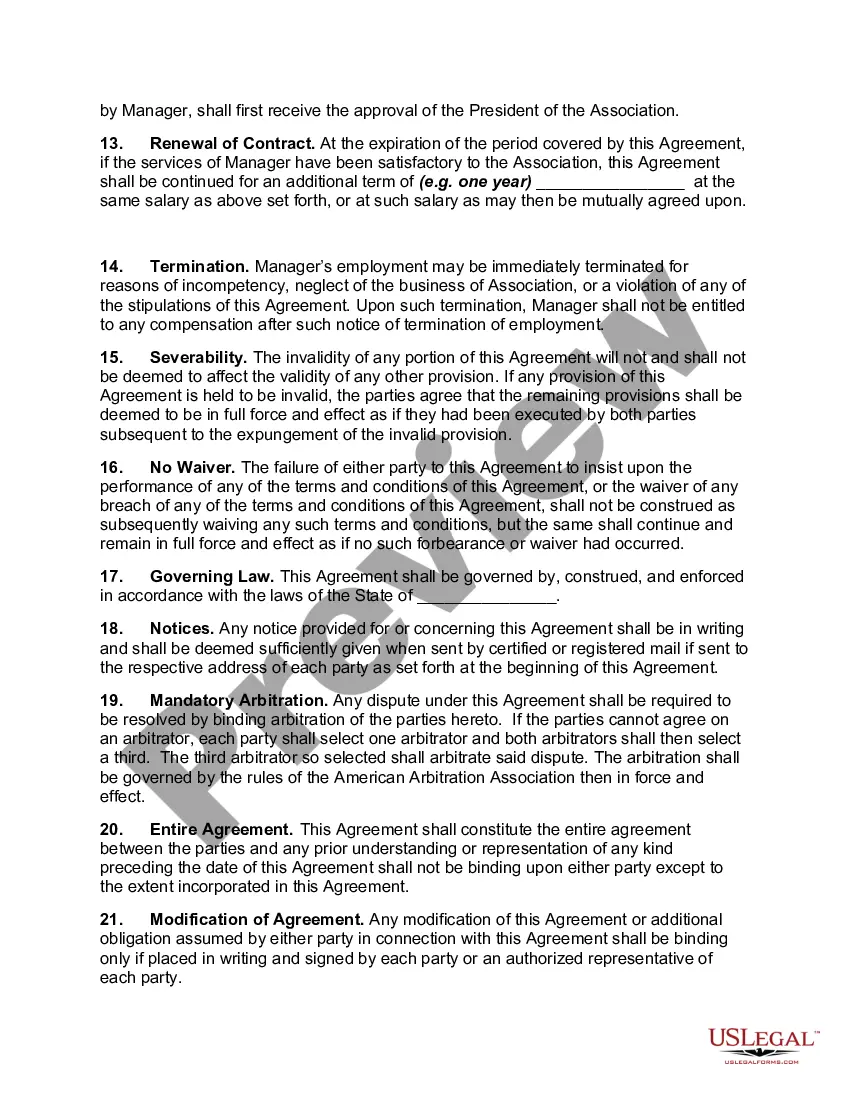
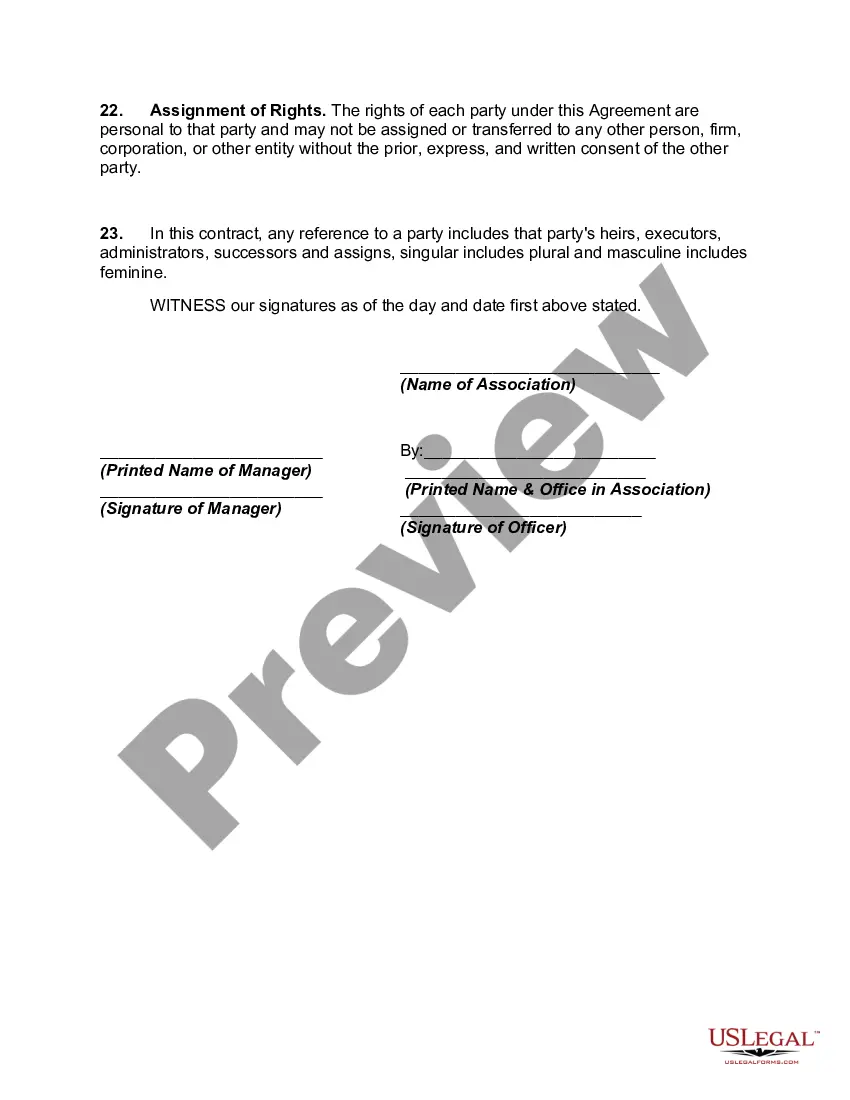
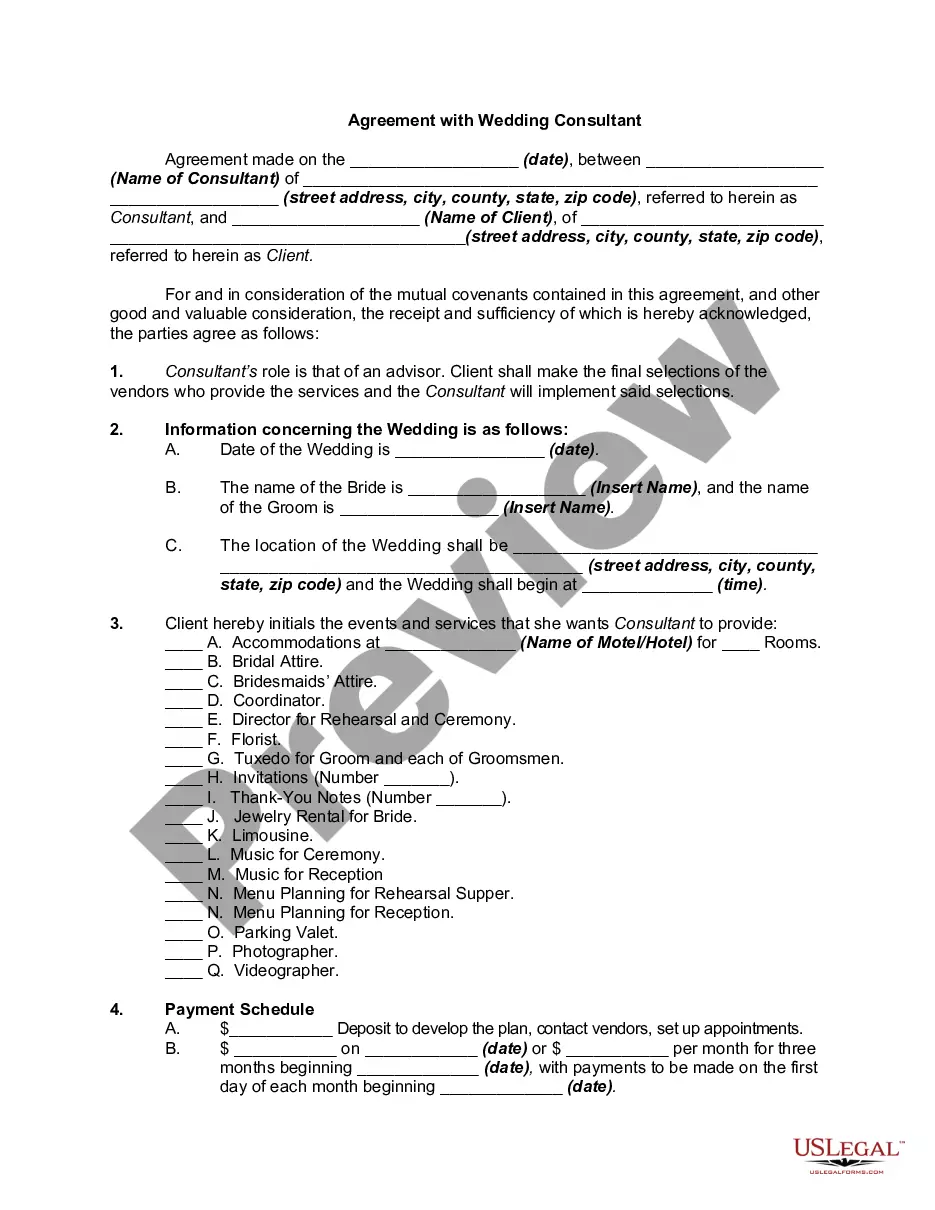
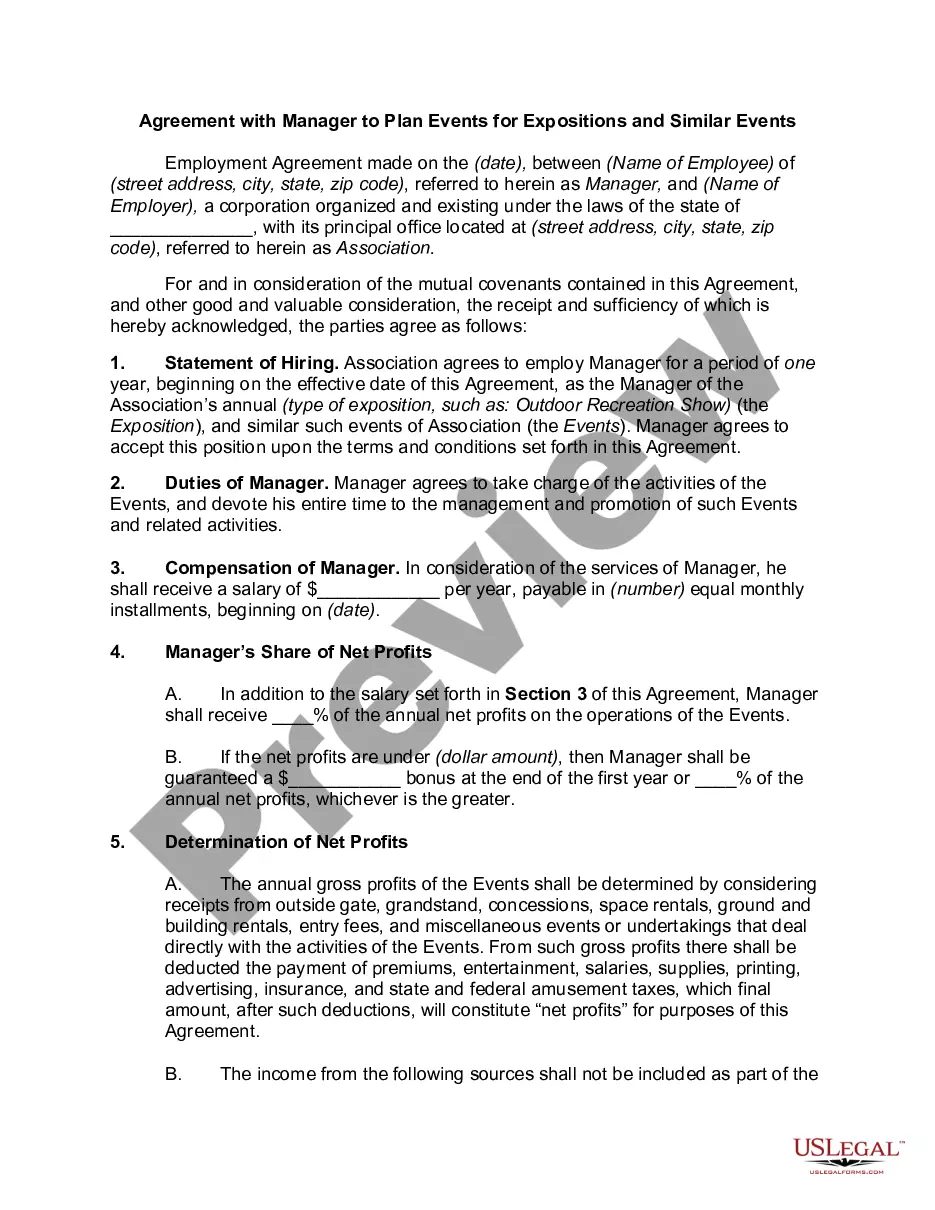
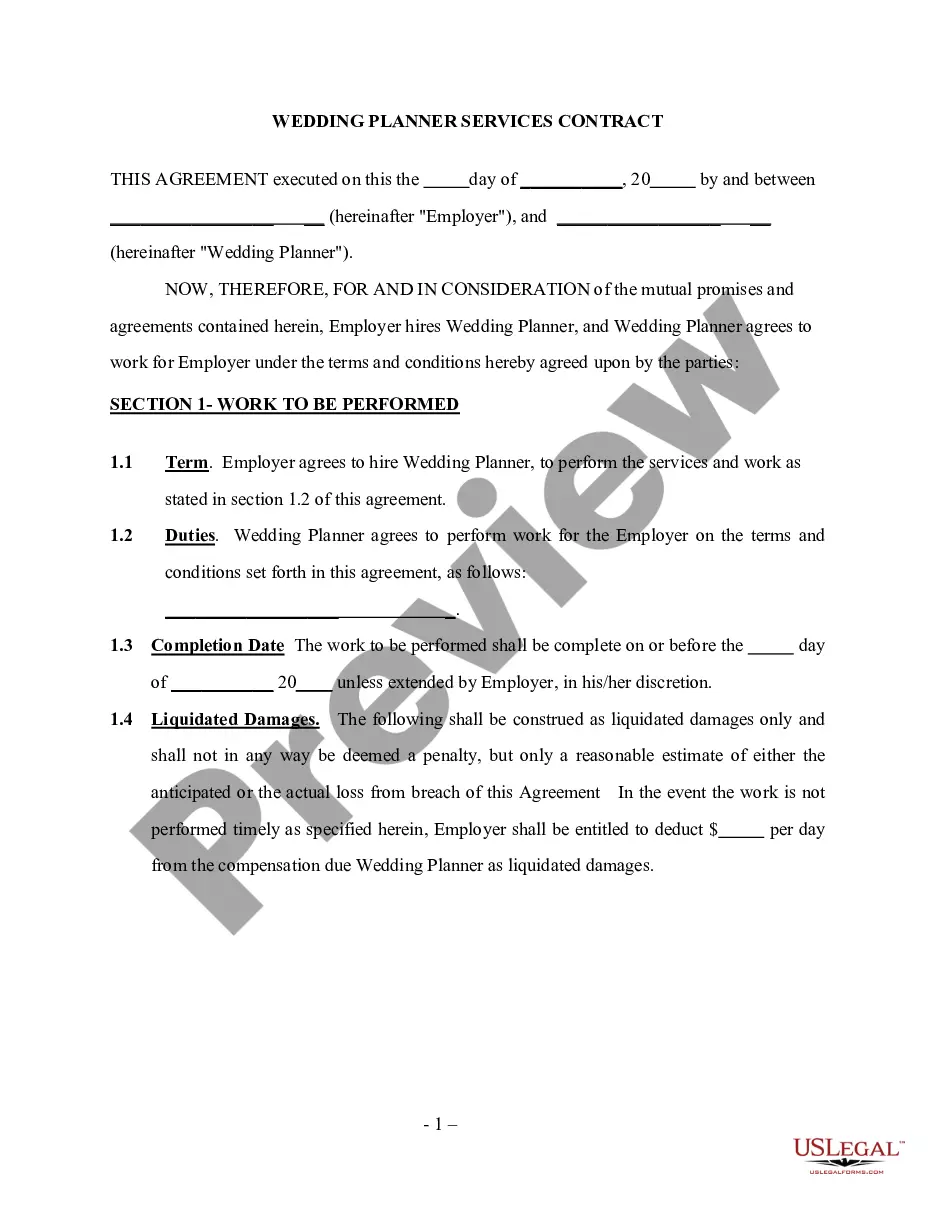
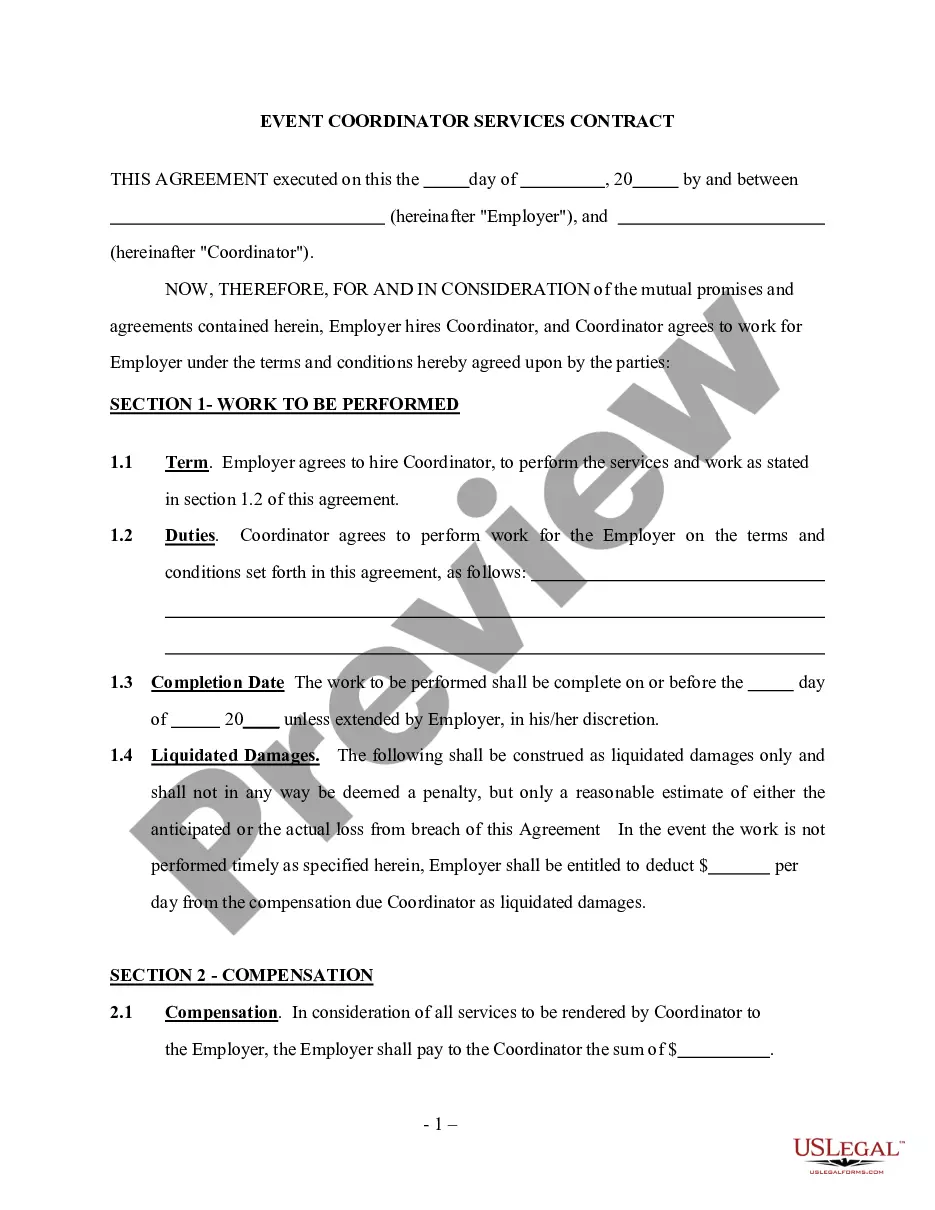
Get your form ready online
Our built-in tools help you complete, sign, share, and store your documents in one place.
Make edits, fill in missing information, and update formatting in US Legal Forms—just like you would in MS Word.
Download a copy, print it, send it by email, or mail it via USPS—whatever works best for your next step.
Sign and collect signatures with our SignNow integration. Send to multiple recipients, set reminders, and more. Go Premium to unlock E-Sign.
If this form requires notarization, complete it online through a secure video call—no need to meet a notary in person or wait for an appointment.
We protect your documents and personal data by following strict security and privacy standards.

Make edits, fill in missing information, and update formatting in US Legal Forms—just like you would in MS Word.

Download a copy, print it, send it by email, or mail it via USPS—whatever works best for your next step.

Sign and collect signatures with our SignNow integration. Send to multiple recipients, set reminders, and more. Go Premium to unlock E-Sign.

If this form requires notarization, complete it online through a secure video call—no need to meet a notary in person or wait for an appointment.

We protect your documents and personal data by following strict security and privacy standards.
Looking for another form?






Form popularity
FAQ
Market unpredictability: Unexpected outcomes occur frequently, meaning event contracts carry unpredictable market risk. Liquidity concerns: Since some event contract markets remain relatively new and untested, they pose some liquidity risks when few active parties are interested in a contract.
An event contract essentially includes the following: Details of the event, including venue, date, time, etc. Parties intention from the event. Services provided by the planner.
When creating your event planner contract, be sure to include the following details: Contact information for both parties. Date and time of the event including an end time. A detailed description of the event. Description of the duties and responsibilities of the event planner. Breakdown of costs and fees.
Event planning is the art of organizing and executing events that align with the goals of your clients. From the initial concept to the final execution, every detail needs to hit the mark. If you're someone who loves seeing a plan come together, this is right up your alley.
Event Proposal Template Example Executive Summary. Provide a brief overview of the event, including its purpose and how it aligns with the client's goals or objectives. Introduction. Event Details. Event Vision. Proposed Services. Event Technology Integration. Portfolio. Budget Overview.
Event planning includes but it not limited to budgeting, establishing timelines, selecting event location, arranging for equipment, acquiring the appropriate permits, planning menus, transportation, developing a theme, hiring entertainment, selecting speakers, managing risks, and developing contingency plans.
Association, corporate and independent planners are those who are most recognized in the industry. However, they are each different in their own respects and each require a meeting and event planner with qualities and traits unique to that planner sub-type.
