Event Planning Contracts For Clients In Broward
Description

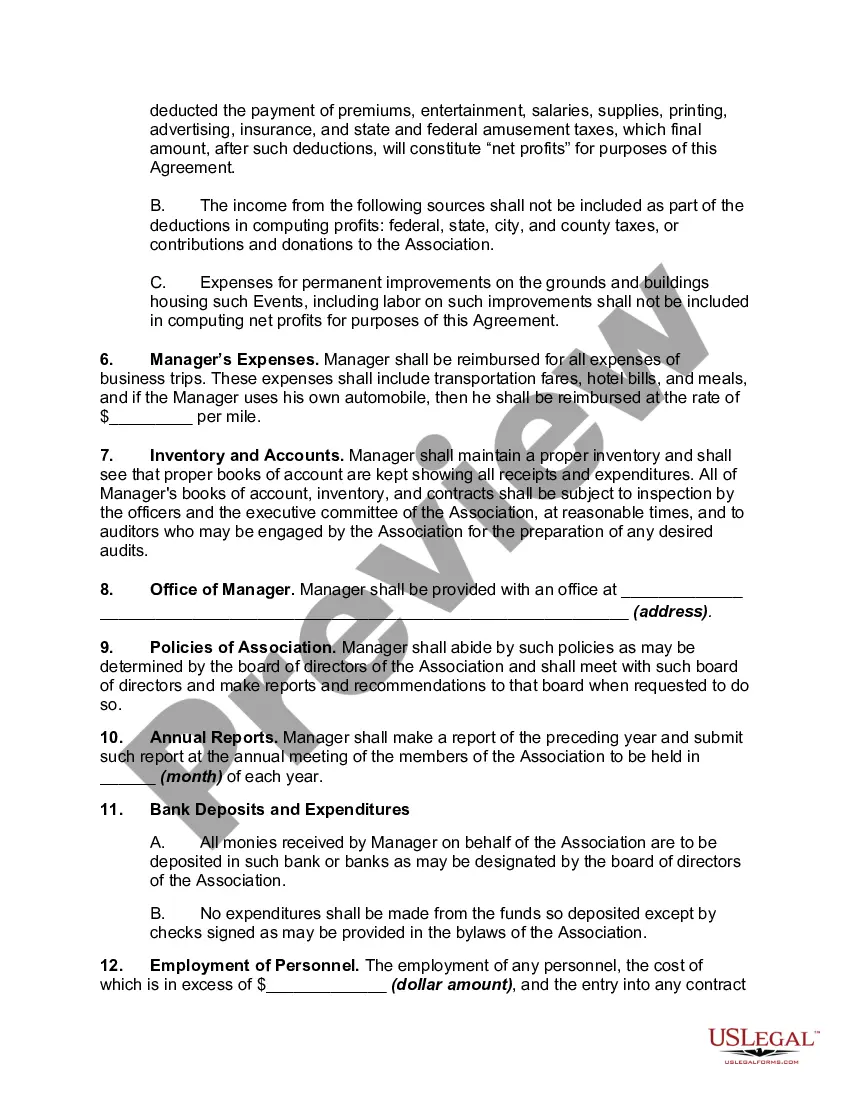
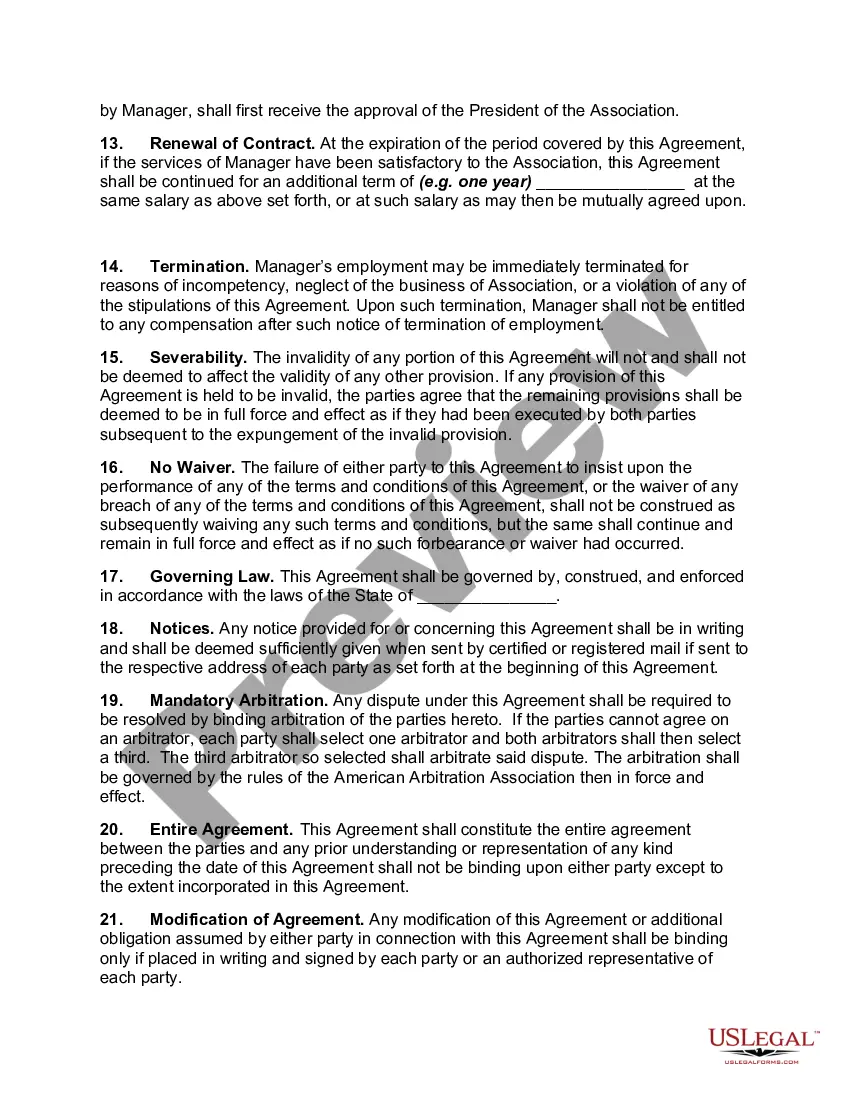
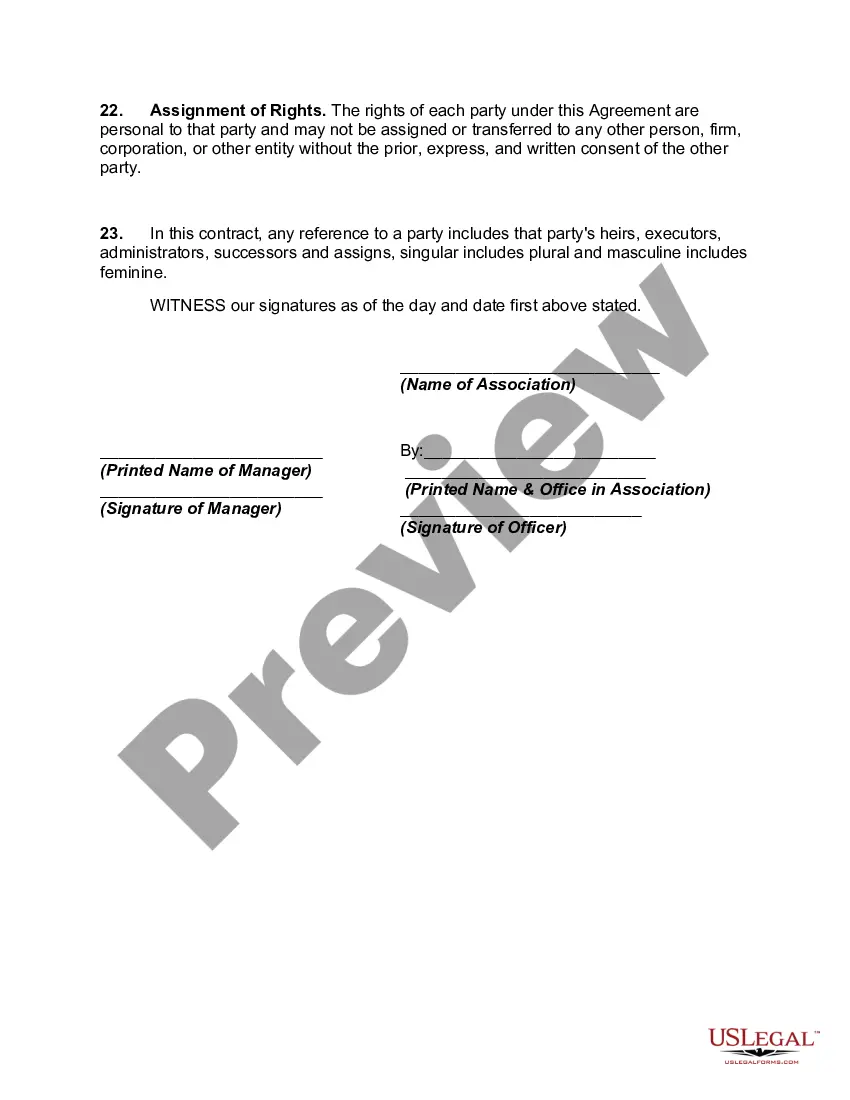
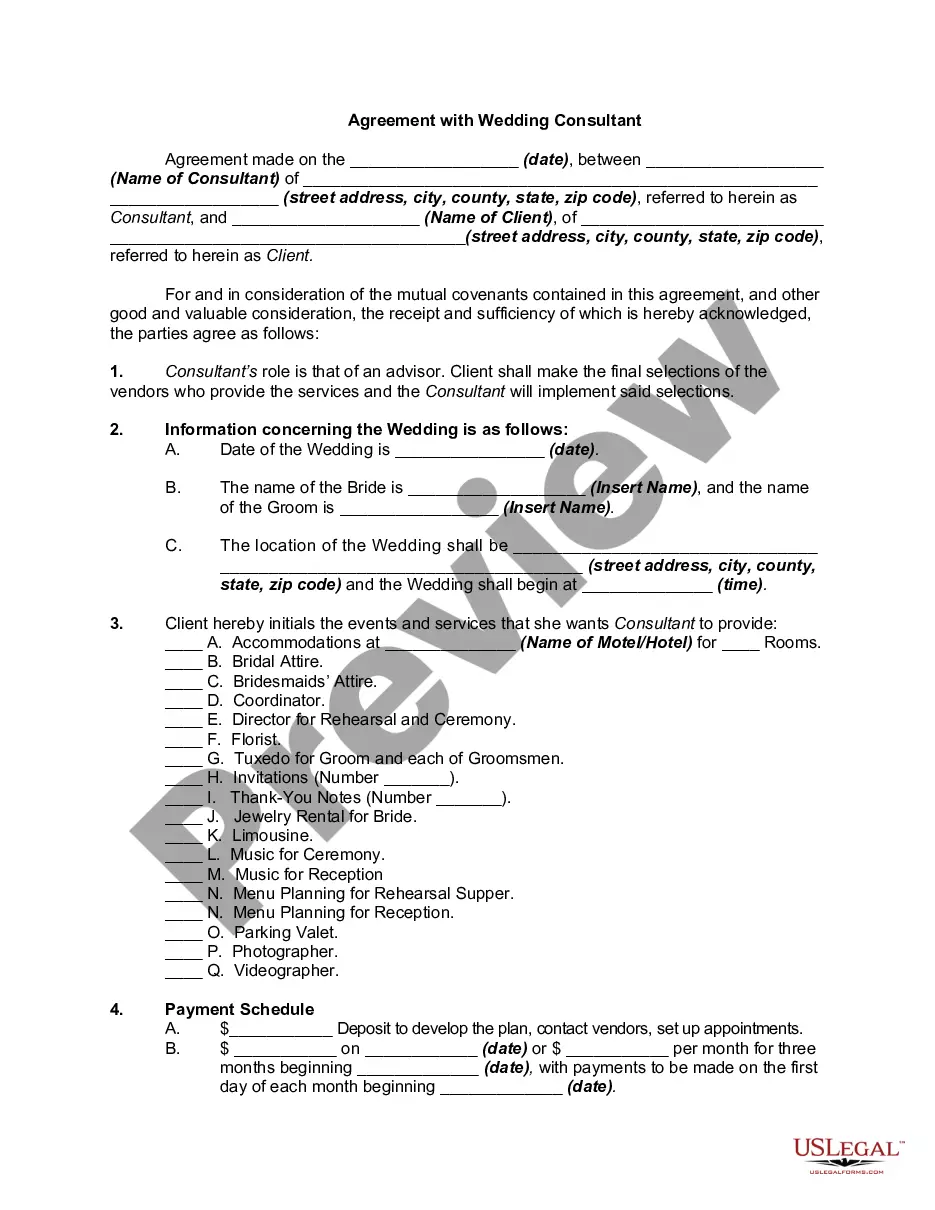
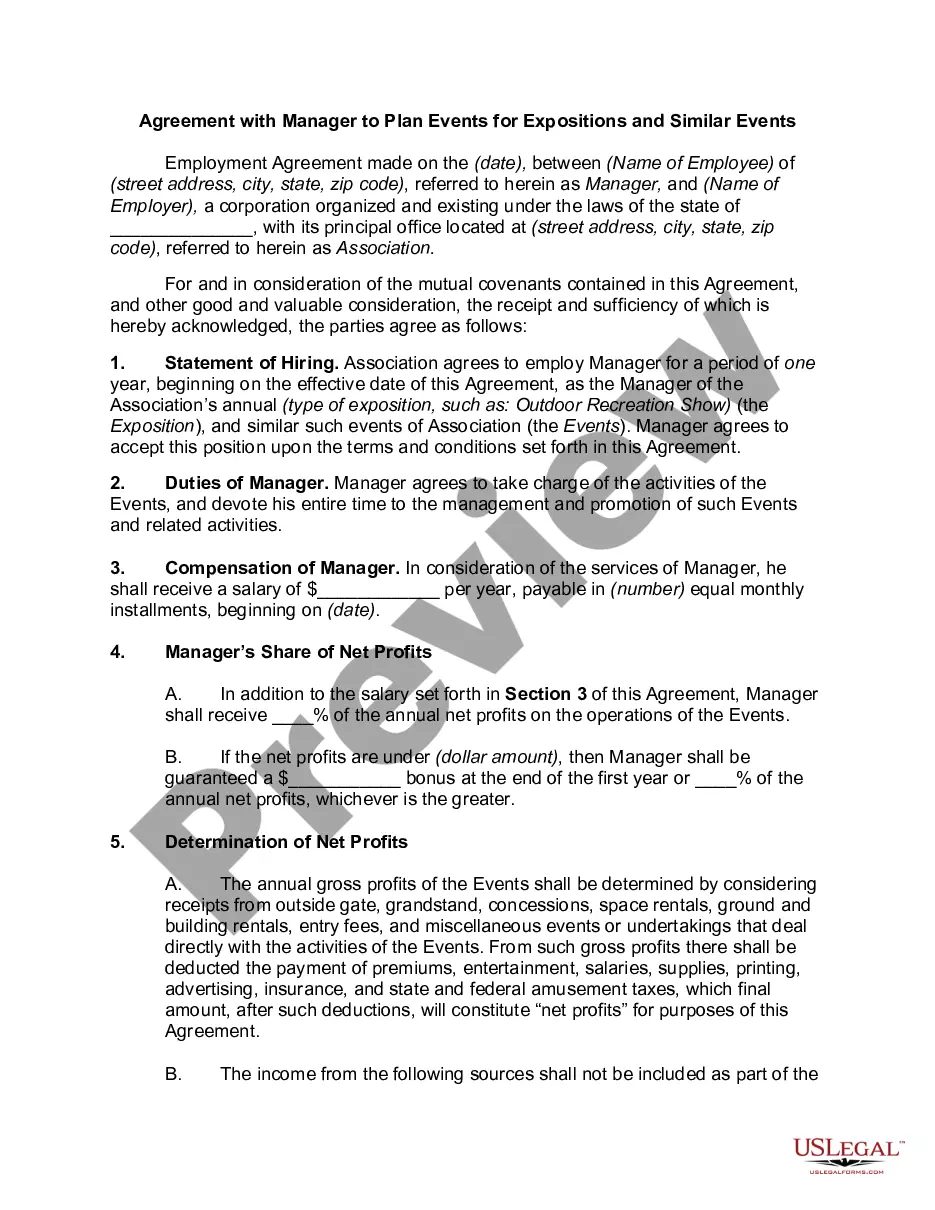
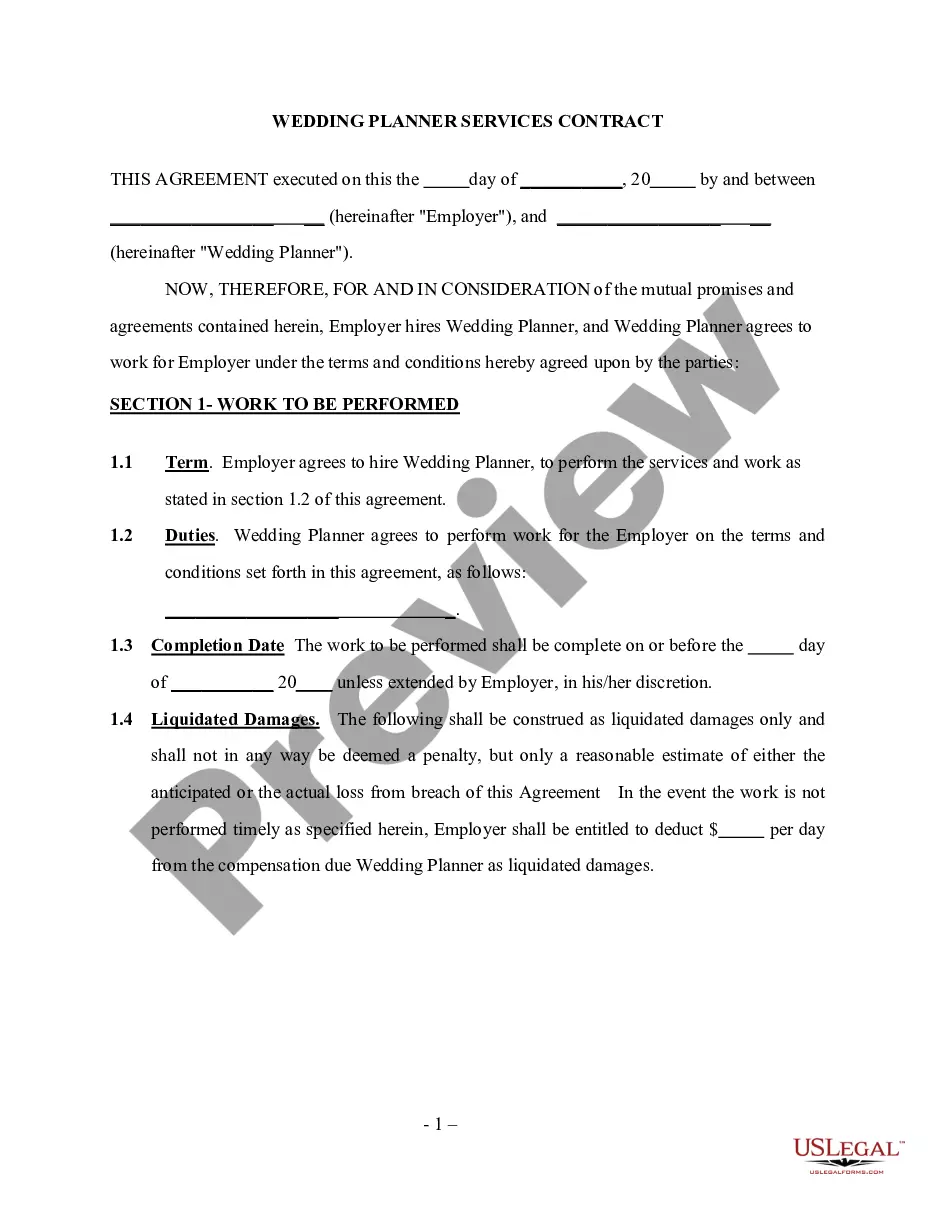
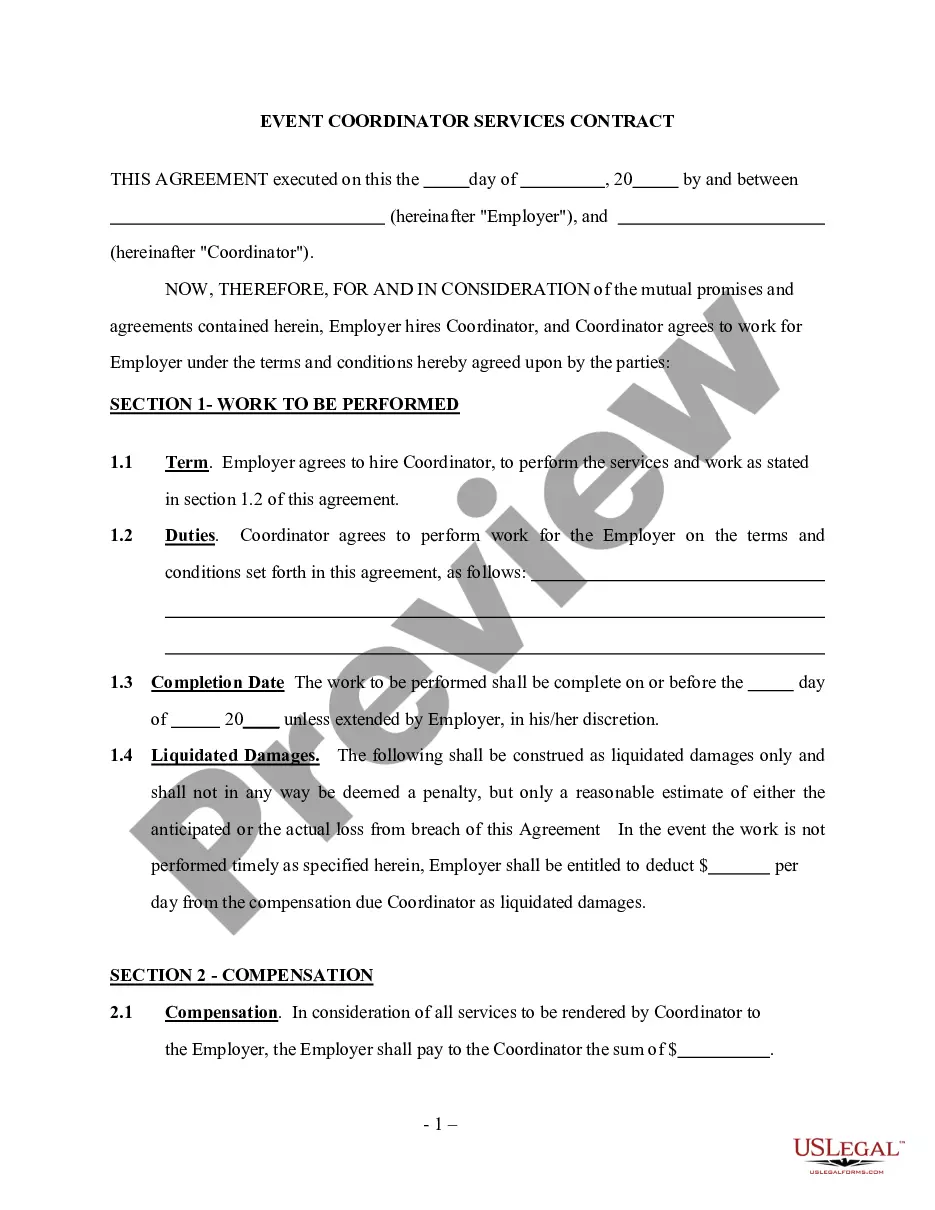
Get your form ready online
Our built-in tools help you complete, sign, share, and store your documents in one place.
Make edits, fill in missing information, and update formatting in US Legal Forms—just like you would in MS Word.
Download a copy, print it, send it by email, or mail it via USPS—whatever works best for your next step.
Sign and collect signatures with our SignNow integration. Send to multiple recipients, set reminders, and more. Go Premium to unlock E-Sign.
If this form requires notarization, complete it online through a secure video call—no need to meet a notary in person or wait for an appointment.
We protect your documents and personal data by following strict security and privacy standards.

Make edits, fill in missing information, and update formatting in US Legal Forms—just like you would in MS Word.

Download a copy, print it, send it by email, or mail it via USPS—whatever works best for your next step.

Sign and collect signatures with our SignNow integration. Send to multiple recipients, set reminders, and more. Go Premium to unlock E-Sign.

If this form requires notarization, complete it online through a secure video call—no need to meet a notary in person or wait for an appointment.

We protect your documents and personal data by following strict security and privacy standards.
Looking for another form?









Form popularity
FAQ
How to Get Clients as an Event Planner Carve out a niche for yourself in the event industry. Build up a solid portfolio of clients. Start your own website. Advertise on social media. Build up a local buzz. Network with nonprofits.
An event contract essentially includes the following: Details of the event, including venue, date, time, etc. Parties intention from the event. Services provided by the planner.
What Does an Event Checklist Include? Defining the goals and objectives. Establishing the event framework with date, time, duration, and venue. Creating a budget. Developing a marketing strategy. Securing key vendors and services. Obtaining permits and licenses. Planning logistics and operations.
On average, freelance event planners can earn anywhere from $50 to $150 per hour, depending on their experience, location, and the complexity of the event, ing to Business Yield. For larger events, some planners opt for a percentage model, usually taking 10% to 20% of the total event budget.
How to plan an event in 10 steps Organize your objectives. Establish a budget. Build an event team. Select a venue and date. Choose event management software. Establish vendors, sponsors and partners. Plan the program and entertainment. Brand and market the event.
Common event requirement categories include: Venue hire. Audio-visual equipment and production. Food and beverage costs. Marketing and promotion. Security and staffing. Keynote speaker or entertainer fees. Transportation and accommodation. Event signage and set design.
Whether you're planning a wedding reception, birthday party, baby shower or corporate product launch, event design co-ordinates branding, colour, invitations, centerpieces, etc to a given theme. Event planning provides the logistical framework, while event design brings a creative vision to life.
An event contract is a legally binding document that explicitly lays out the terms and conditions of agreement between an event planner and their client.
