Declaratory Judgment Act With Insurance In Maryland
Description

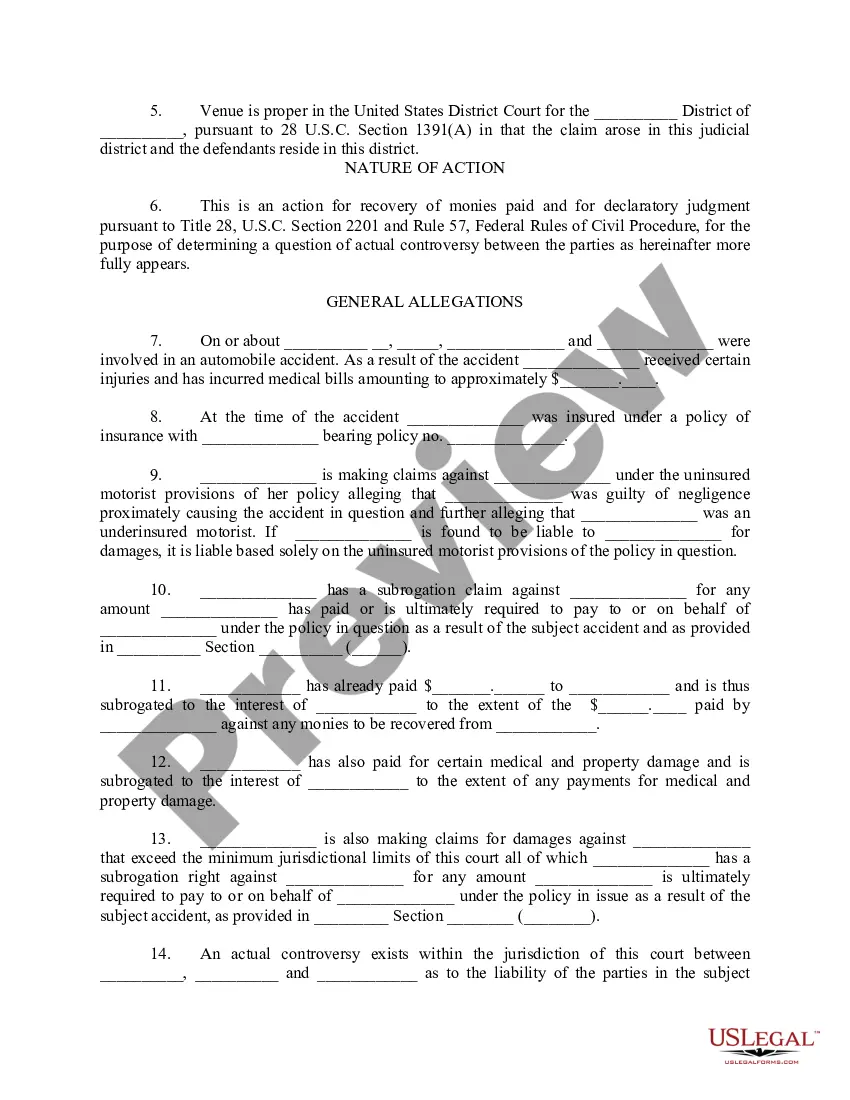
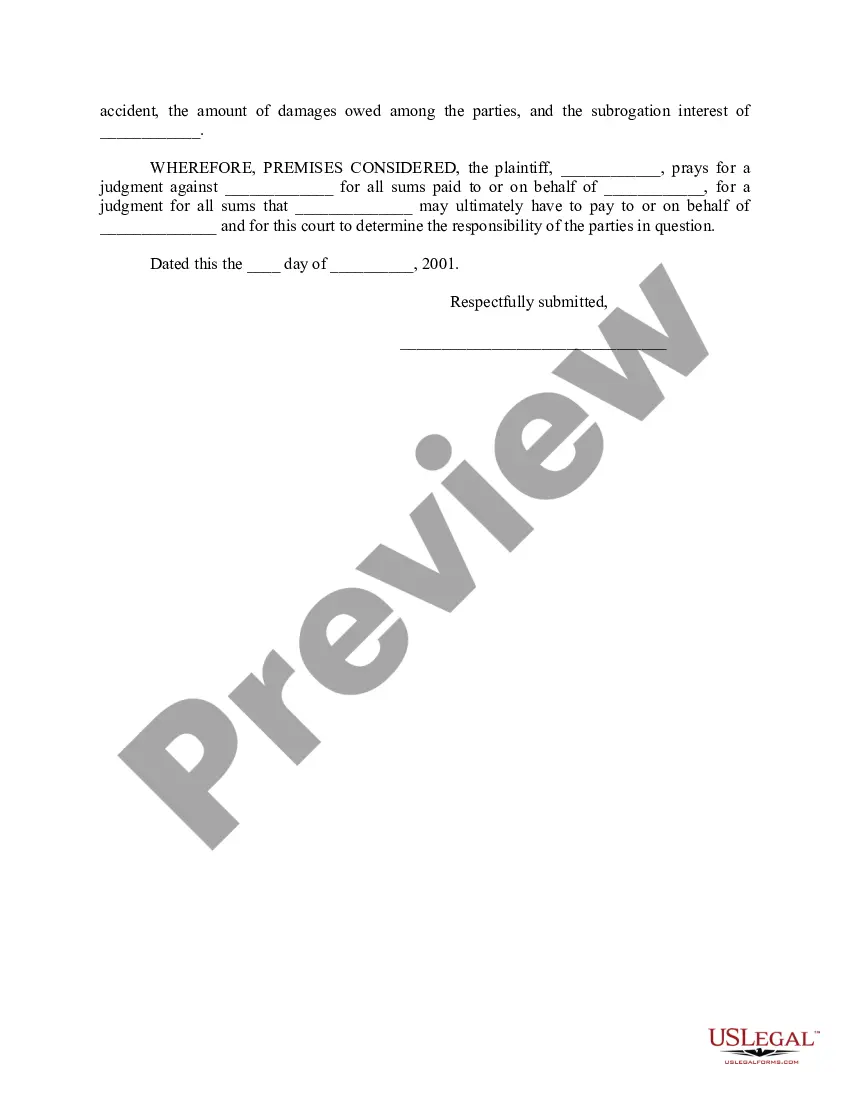



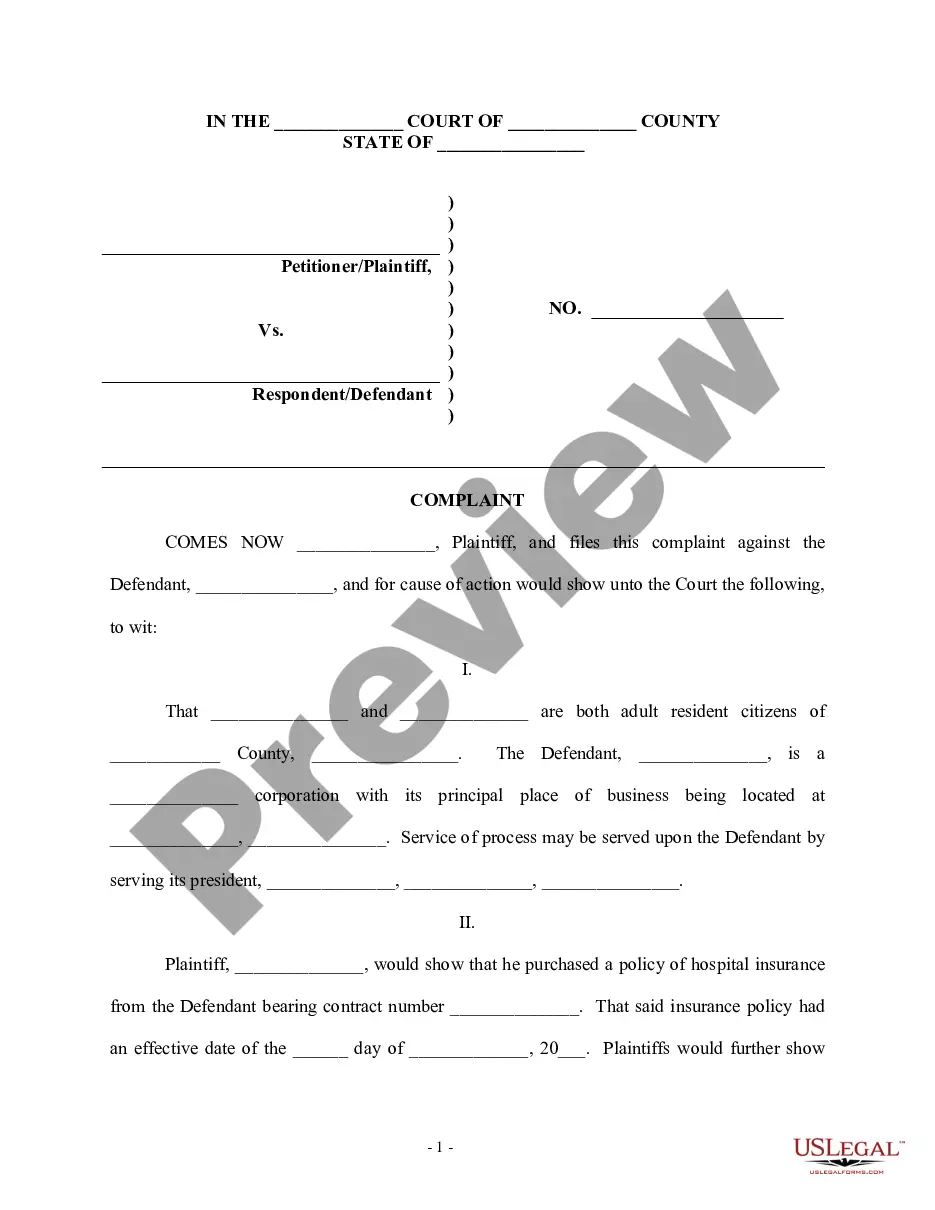
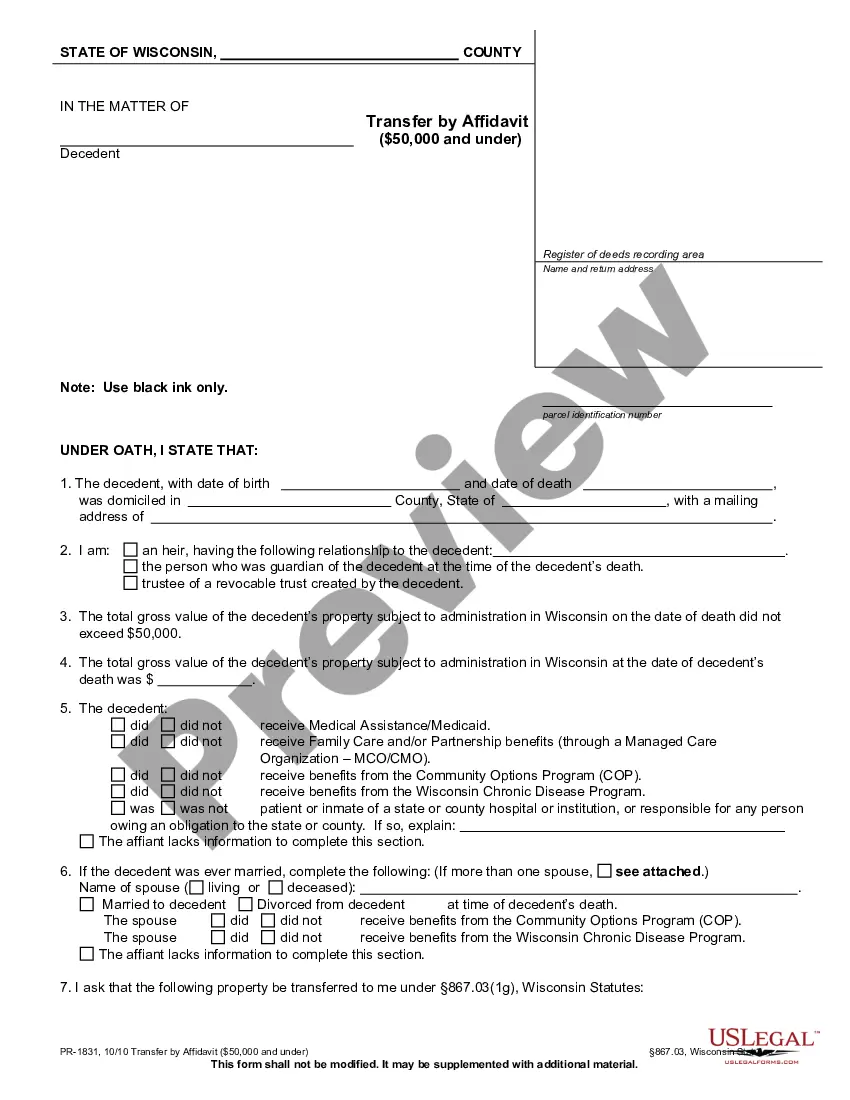
Get your form ready online
Our built-in tools help you complete, sign, share, and store your documents in one place.
Make edits, fill in missing information, and update formatting in US Legal Forms—just like you would in MS Word.
Download a copy, print it, send it by email, or mail it via USPS—whatever works best for your next step.
Sign and collect signatures with our SignNow integration. Send to multiple recipients, set reminders, and more. Go Premium to unlock E-Sign.
If this form requires notarization, complete it online through a secure video call—no need to meet a notary in person or wait for an appointment.
We protect your documents and personal data by following strict security and privacy standards.

Make edits, fill in missing information, and update formatting in US Legal Forms—just like you would in MS Word.

Download a copy, print it, send it by email, or mail it via USPS—whatever works best for your next step.

Sign and collect signatures with our SignNow integration. Send to multiple recipients, set reminders, and more. Go Premium to unlock E-Sign.

If this form requires notarization, complete it online through a secure video call—no need to meet a notary in person or wait for an appointment.

We protect your documents and personal data by following strict security and privacy standards.
Looking for another form?
Form popularity
FAQ
If you believe your property and casualty or disability insurer failed to act in good faith when making a decision about your first party insurance claim, you may file an action under Section 27-1001 of the Insurance Article (property and casualty) and Section 3-1701 of the Courts Article of the Code of Maryland.
You must prove that the insurance company has a legal duty to you as a policyholder. You must prove that the insurance company breached that duty. You must prove that the insurance company's actions caused harm. You must prove that the insurance company's actions are the proximate cause of the harm.
Typically, when filing a declaratory judgment action, insurers seek an adjudication of both their duty to defend and their duty to indemnify, because the duty to defend is broader than the duty to indemnify and, if insurers do not have the former duty, then they typically do not have the latter duty, either.
Your insurance company client wants to file a declaratory judgment action to determine whether the insurer owes coverage to one of the defendants in a civil lawsuit.
How Declaratory Judgment Works. Any party to a contract may petition the court to clarify its rights and obligations in the event of a legal controversy. A court-issued declaratory judgment outlines the rights and responsibilities of each involved party. This judgment does not require action or award damages.
The primary role of the Maryland Insurance Administration (MIA) is to protect consumers from illegal insurance practices by ensuring that insurers and producers that operate in Maryland act in ance with State insurance laws.
