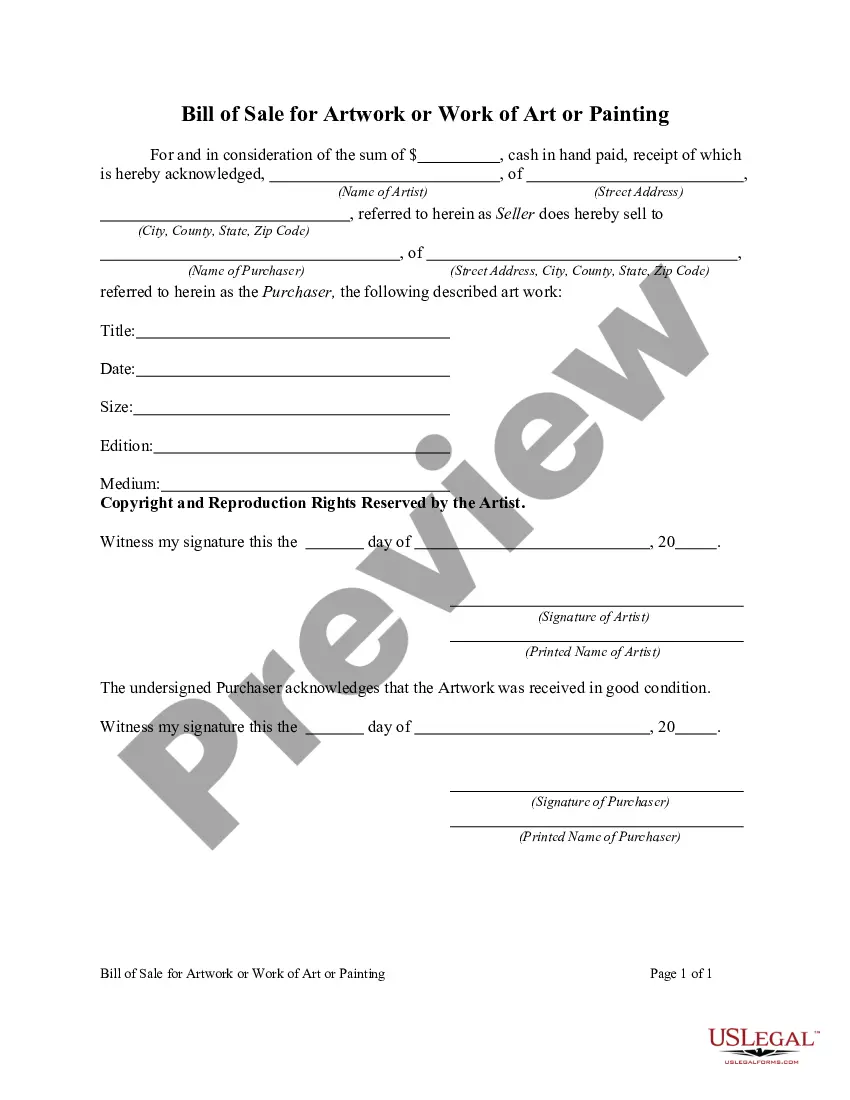
Declaratory Judgment Form Texas Without A Lawyer In King
Description

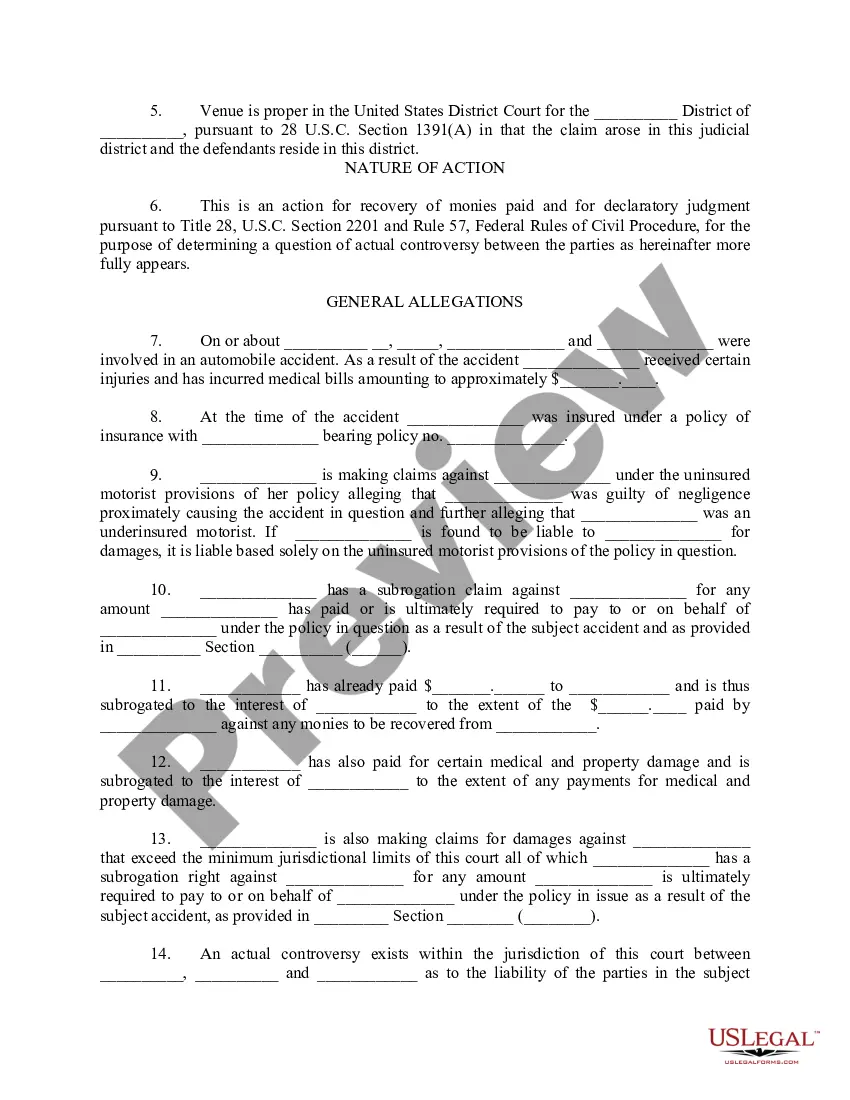
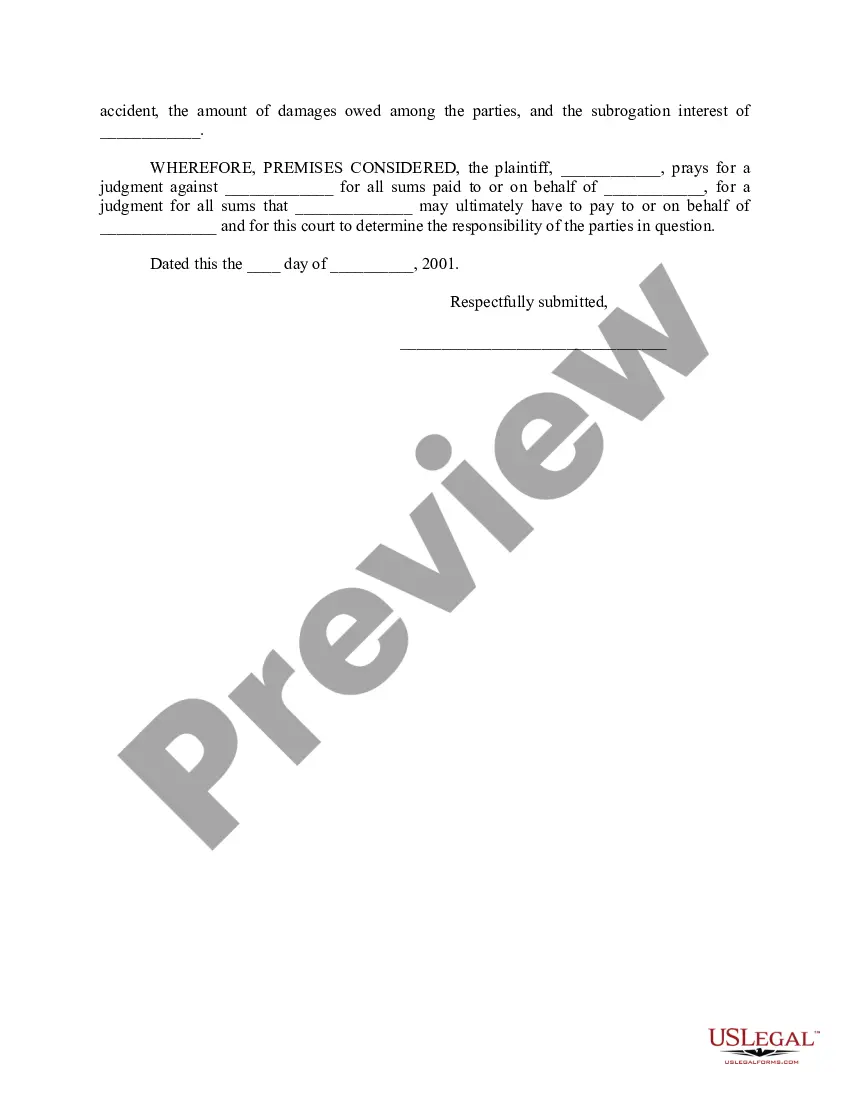



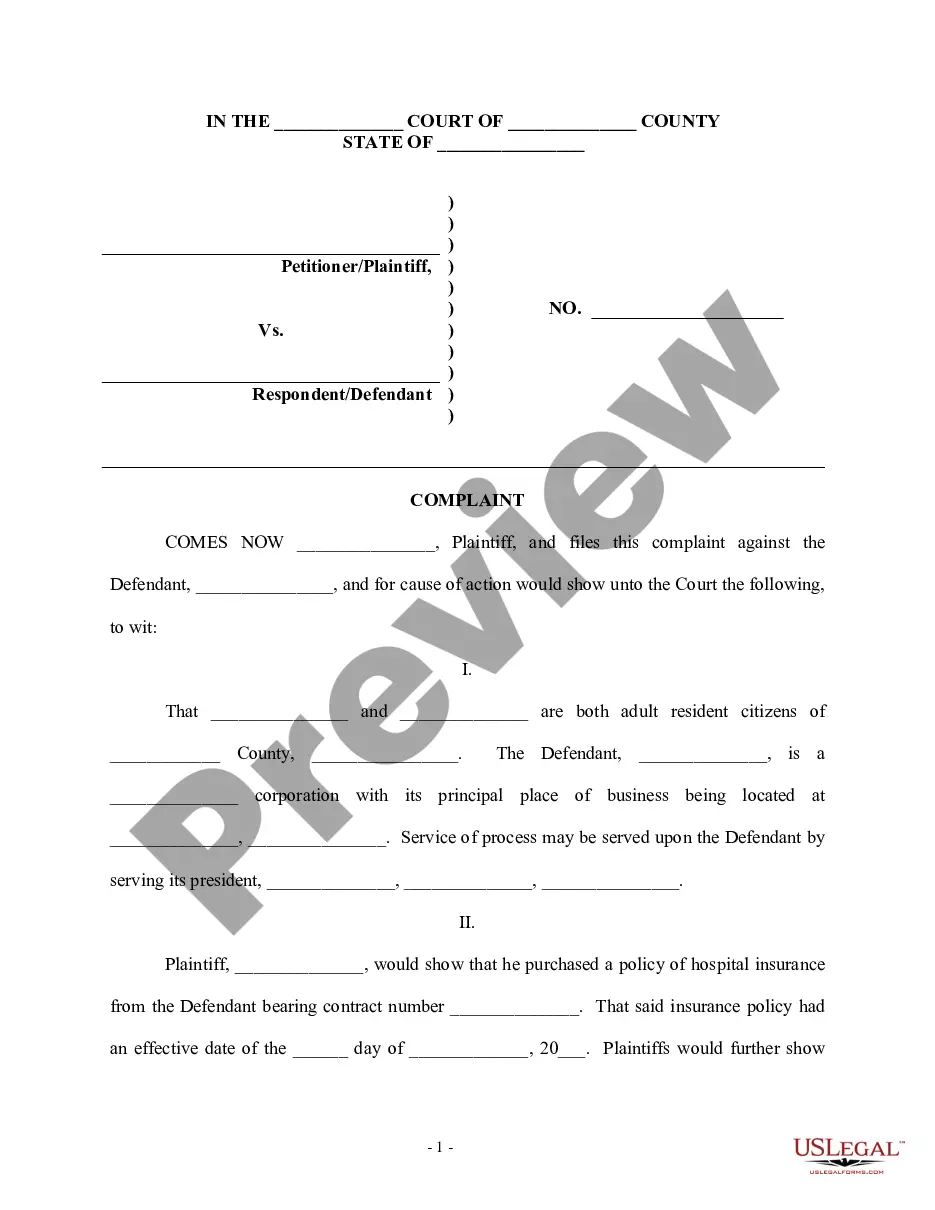
Get your form ready online
Our built-in tools help you complete, sign, share, and store your documents in one place.
Make edits, fill in missing information, and update formatting in US Legal Forms—just like you would in MS Word.
Download a copy, print it, send it by email, or mail it via USPS—whatever works best for your next step.
Sign and collect signatures with our SignNow integration. Send to multiple recipients, set reminders, and more. Go Premium to unlock E-Sign.
If this form requires notarization, complete it online through a secure video call—no need to meet a notary in person or wait for an appointment.
We protect your documents and personal data by following strict security and privacy standards.

Make edits, fill in missing information, and update formatting in US Legal Forms—just like you would in MS Word.

Download a copy, print it, send it by email, or mail it via USPS—whatever works best for your next step.

Sign and collect signatures with our SignNow integration. Send to multiple recipients, set reminders, and more. Go Premium to unlock E-Sign.

If this form requires notarization, complete it online through a secure video call—no need to meet a notary in person or wait for an appointment.

We protect your documents and personal data by following strict security and privacy standards.
Looking for another form?
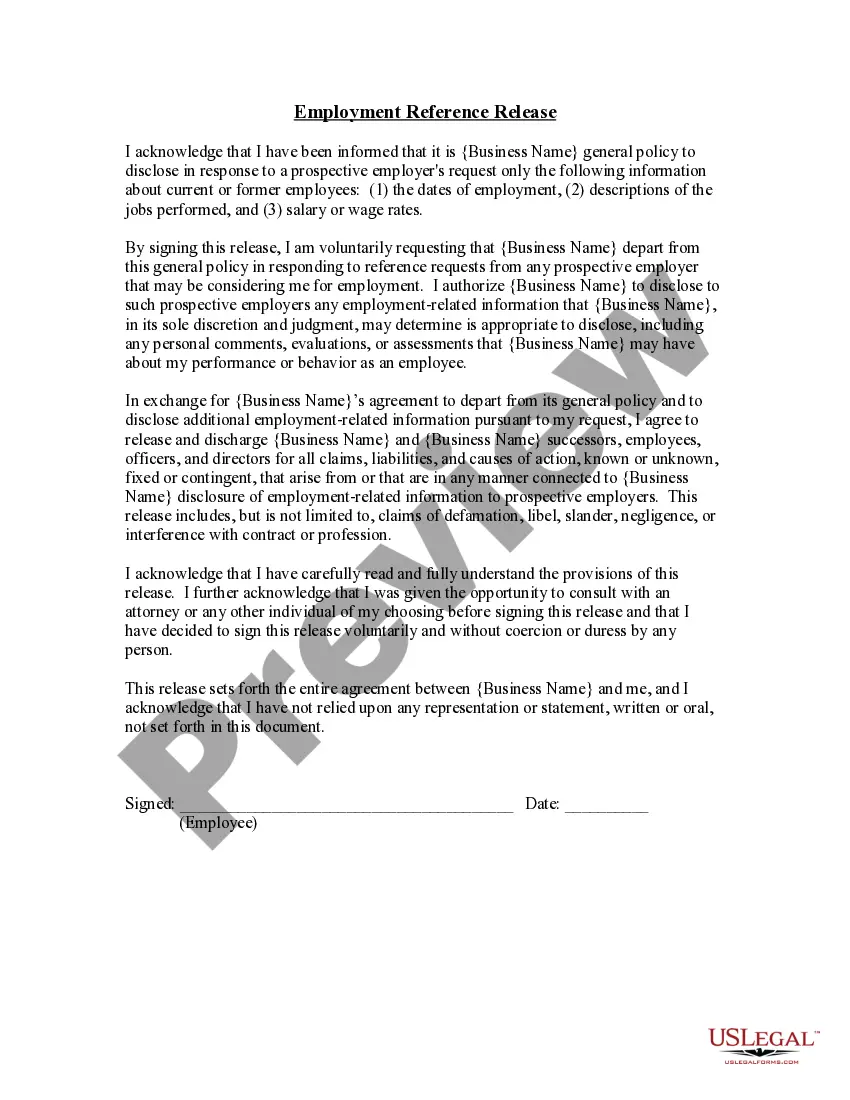



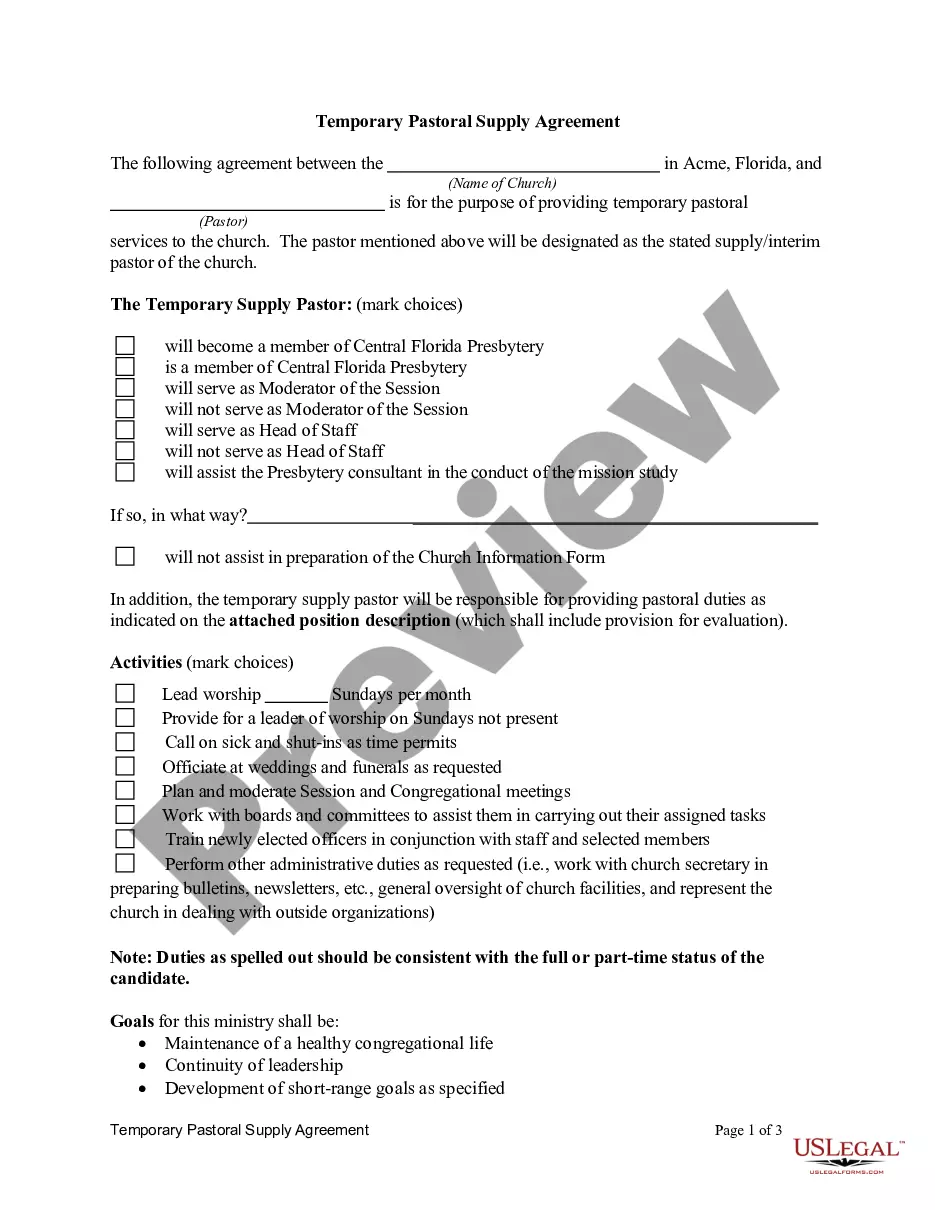
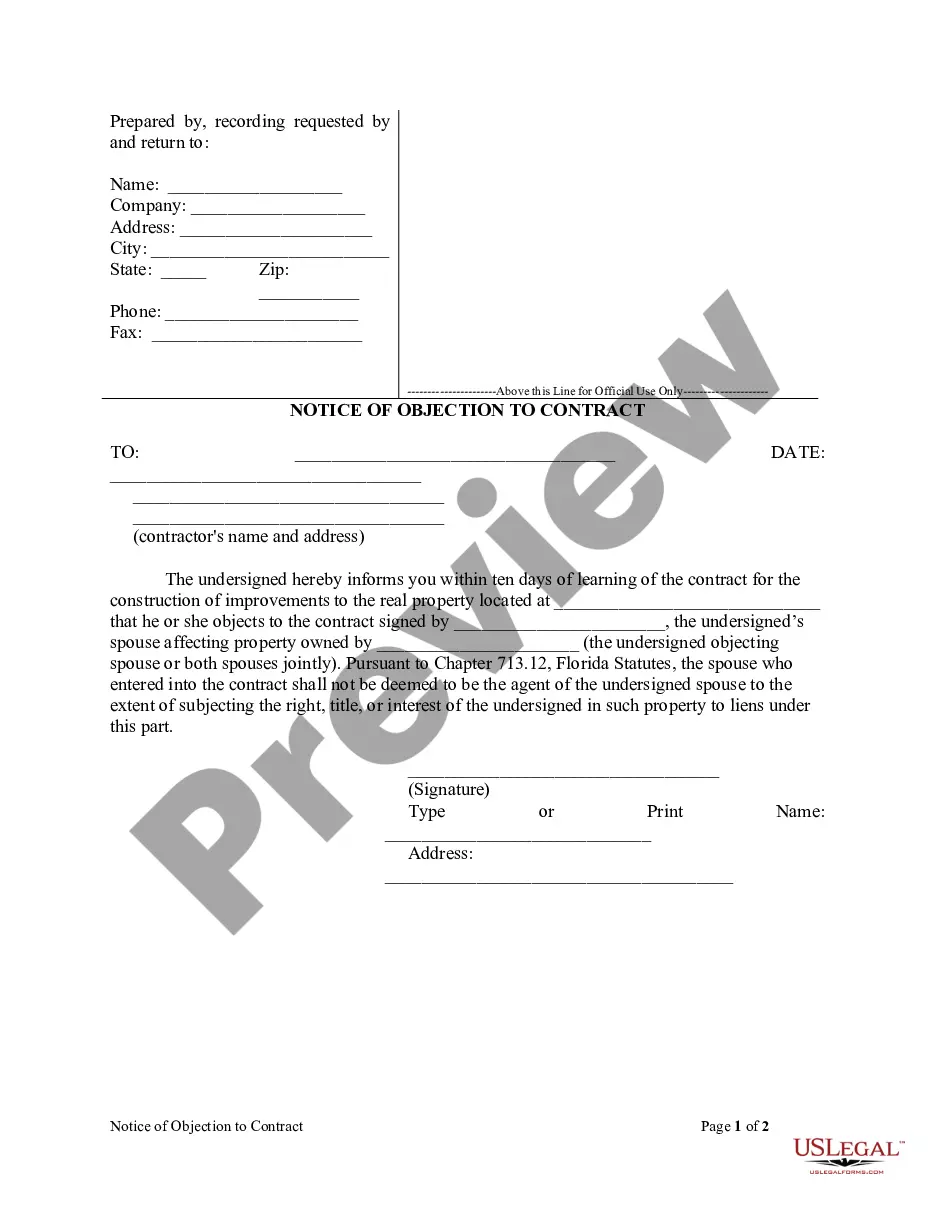




Form popularity
FAQ
To bring a claim for declaratory judgment in a situation where a patent dispute may exist or develop, the claimant must establish that an actual controversy exists. If there is a substantial controversy of sufficient immediacy and reality, the court will generally proceed with the declaratory-judgment action.
A declaratory judgment plaintiff does not need to allege actual infringement. It is sufficient, for standing purposes, to show that a party “has engaged in a course of conduct evidencing a definite intent and apparent ability to commence use of the mark.” See Starter Corp. v. Converse, Inc., 84 F.
There's no law to stop you from representing yourself in Texas. However, working with a lawyer can make the process of securing compensation for your losses less stressful.
Texas law gives someone 4 years to bring a lawsuit for unpaid debt. This time period is commonly referred to as the statute of limitations. Once the time period is up, a person is prohibited from filing suit to recover the debt. This means the debt is time-barred.
If you want to file a motion, the process is generally something like this: You write your motion. You file your motion with the court clerk. The court clerk inserts the date and time your motion will be heard by the judge. You “serve” (mail) your motion to the other side.
Generally, to file a judgment lien, an abstract of judgment must be issued by the justice court. Some justice courts have a form available on their website to request an abstract of judgment.
A declaratory judgment like any other judgment is reviewable on appeal. In Andrew Robinson Int'l, Inc. v. Hartford Fire Ins.