Declaratory Judgment Act With Hasan Minhaj In Houston
Description

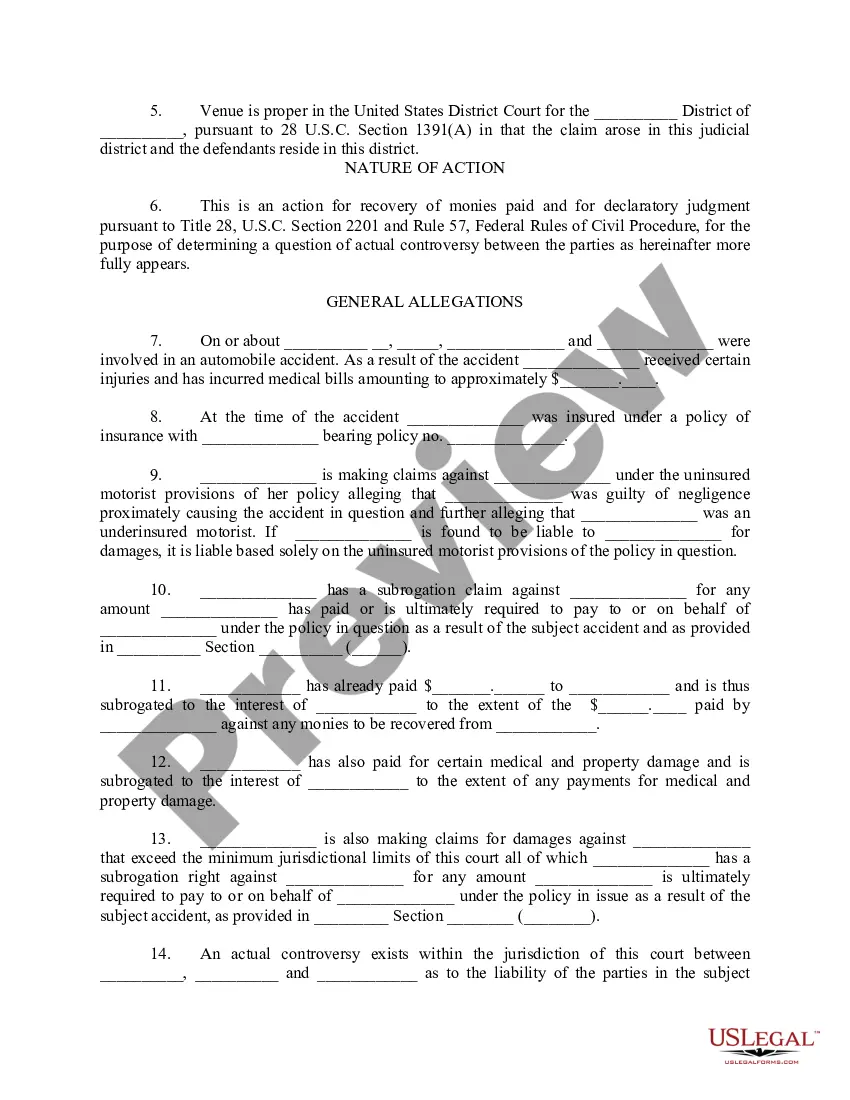
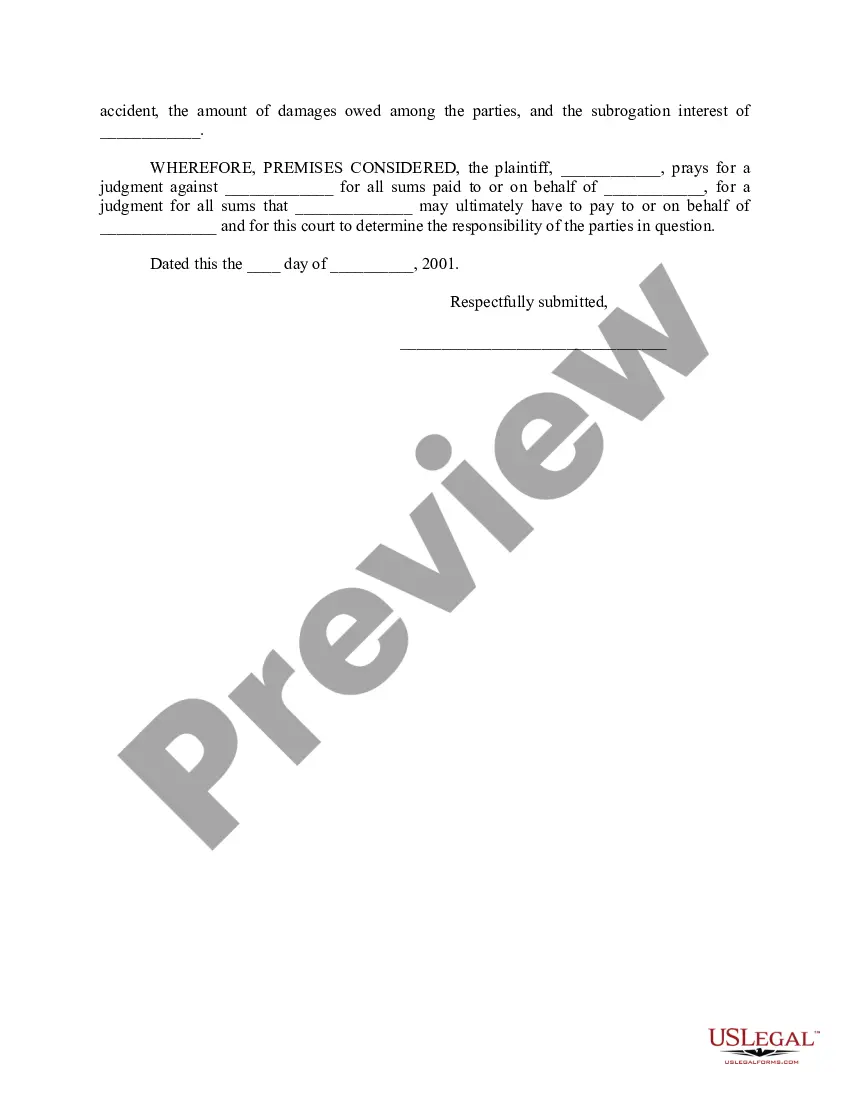



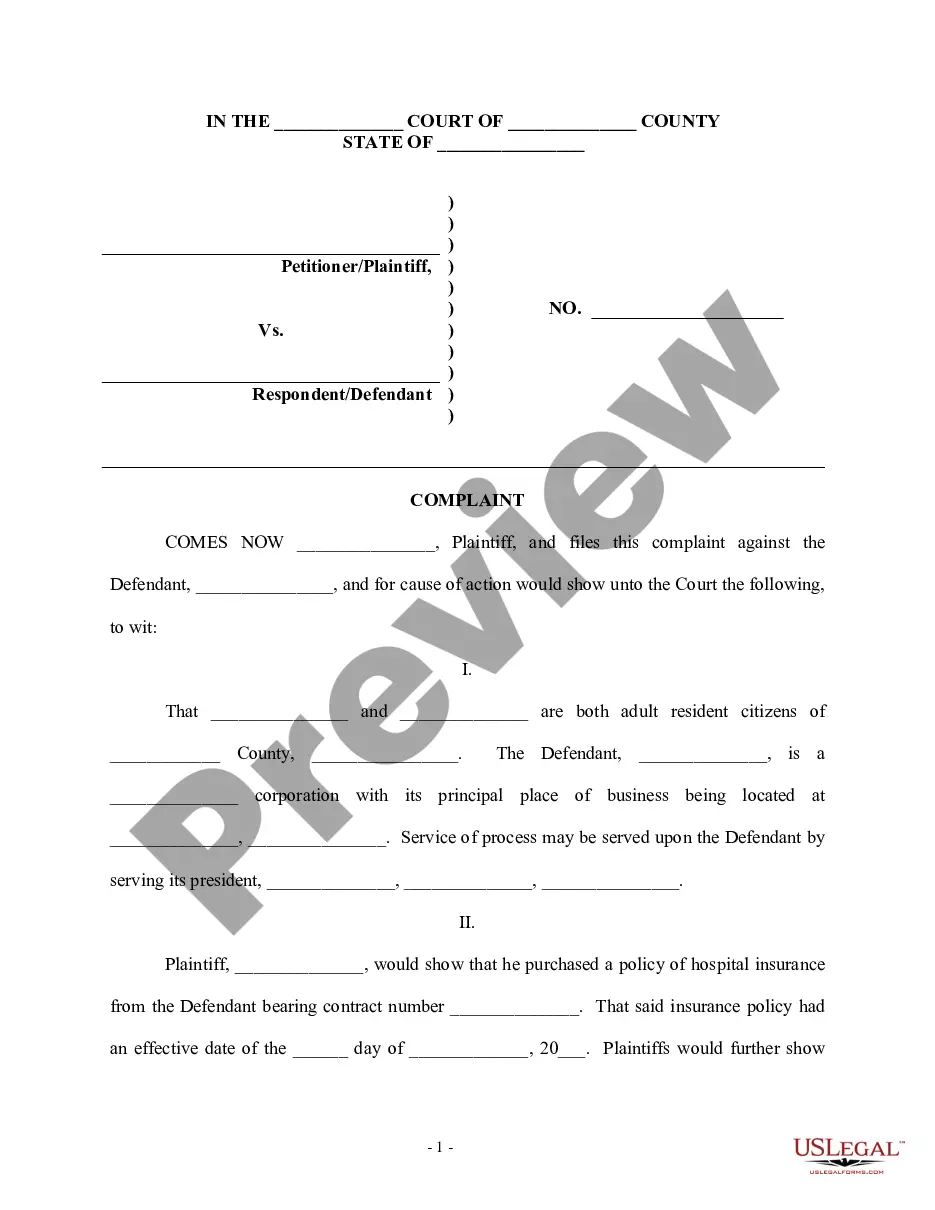
Get your form ready online
Our built-in tools help you complete, sign, share, and store your documents in one place.
Make edits, fill in missing information, and update formatting in US Legal Forms—just like you would in MS Word.
Download a copy, print it, send it by email, or mail it via USPS—whatever works best for your next step.
Sign and collect signatures with our SignNow integration. Send to multiple recipients, set reminders, and more. Go Premium to unlock E-Sign.
If this form requires notarization, complete it online through a secure video call—no need to meet a notary in person or wait for an appointment.
We protect your documents and personal data by following strict security and privacy standards.

Make edits, fill in missing information, and update formatting in US Legal Forms—just like you would in MS Word.

Download a copy, print it, send it by email, or mail it via USPS—whatever works best for your next step.

Sign and collect signatures with our SignNow integration. Send to multiple recipients, set reminders, and more. Go Premium to unlock E-Sign.

If this form requires notarization, complete it online through a secure video call—no need to meet a notary in person or wait for an appointment.

We protect your documents and personal data by following strict security and privacy standards.
Looking for another form?



Form popularity
FAQ
A declaratory judgment is a ruling of the court to clarify something (usually a contract provision) that is in dispute. A summary judgment is a ruling that a case or portion of a case must be dismissed because there are no triable issues of material fact in dispute.
Declaratory judgments have the same effect and force as final judgments and are legally binding.
Instead of waiting for a disagreement to turn into litigation, one of the parties could file for a declaratory judgment. The court would then interpret the contract and define the rights of both parties, offering a legal resolution without the need for a traditional lawsuit.
Declaratory judgments have the same effect and force as final judgments and are legally binding.
To bring a claim for declaratory judgment in a situation where a patent dispute may exist or develop, the claimant must establish that an actual controversy exists. If there is a substantial controversy of sufficient immediacy and reality, the court will generally proceed with the declaratory-judgment action.
A declaratory judgment like any other judgment is reviewable on appeal. In Andrew Robinson Int'l, Inc. v. Hartford Fire Ins.
The benefit of a declaratory judgment is that it prevents lawsuits that are likely to be unsuccessful, which saves the courts, and ultimately taxpayers, resources and time. A policyholder that receives an unfavorable declaratory judgment is unlikely to file a lawsuit, as the suit is much more likely to be dismissed.
Declaratory relief allows a party who is not certain of his rights to prevent the accrual of avoidable damages and to obtain an adjudication before the parties bring a coercive lawsuit.
The Uniform Declaratory Judgments Act is “remedial” and meant to “settle and to afford relief from uncertainty and insecurity with respect to rights, status, and other legal relations.” (CPRC §37.002) The resources listed below are not exhaustive and may not include the most up- to-date information.
Similarly, the Declaratory Judgment Act, 28 U.S.C. § 2201, is not an independent source of federal jurisdiction. The purpose of that Act is merely to provide an additional remedy, once jurisdiction is found to exist on another ground.
