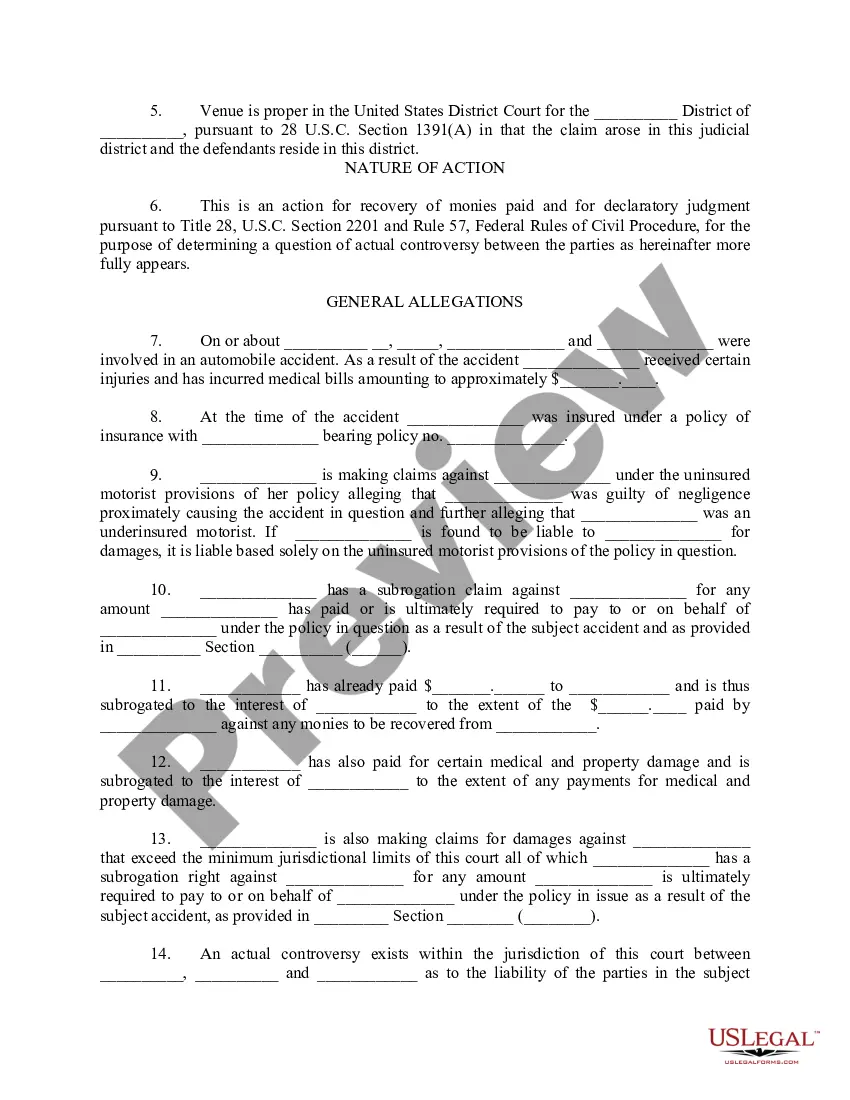
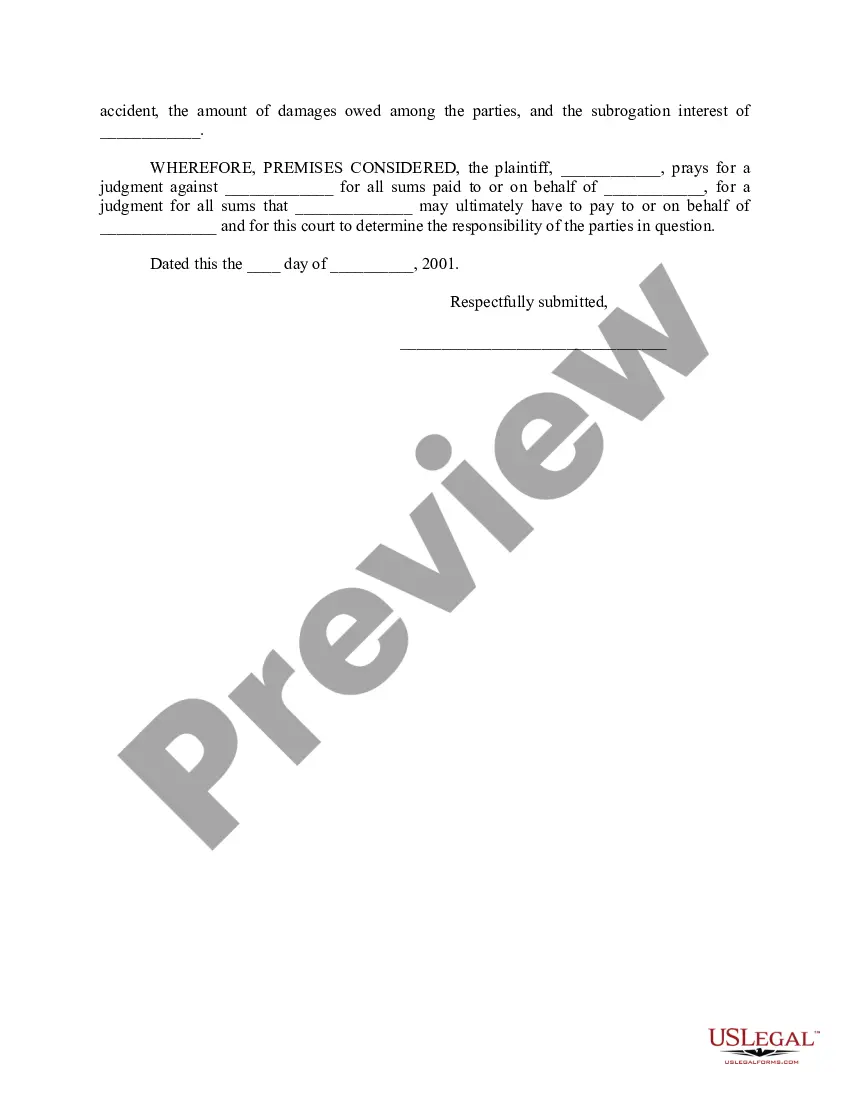
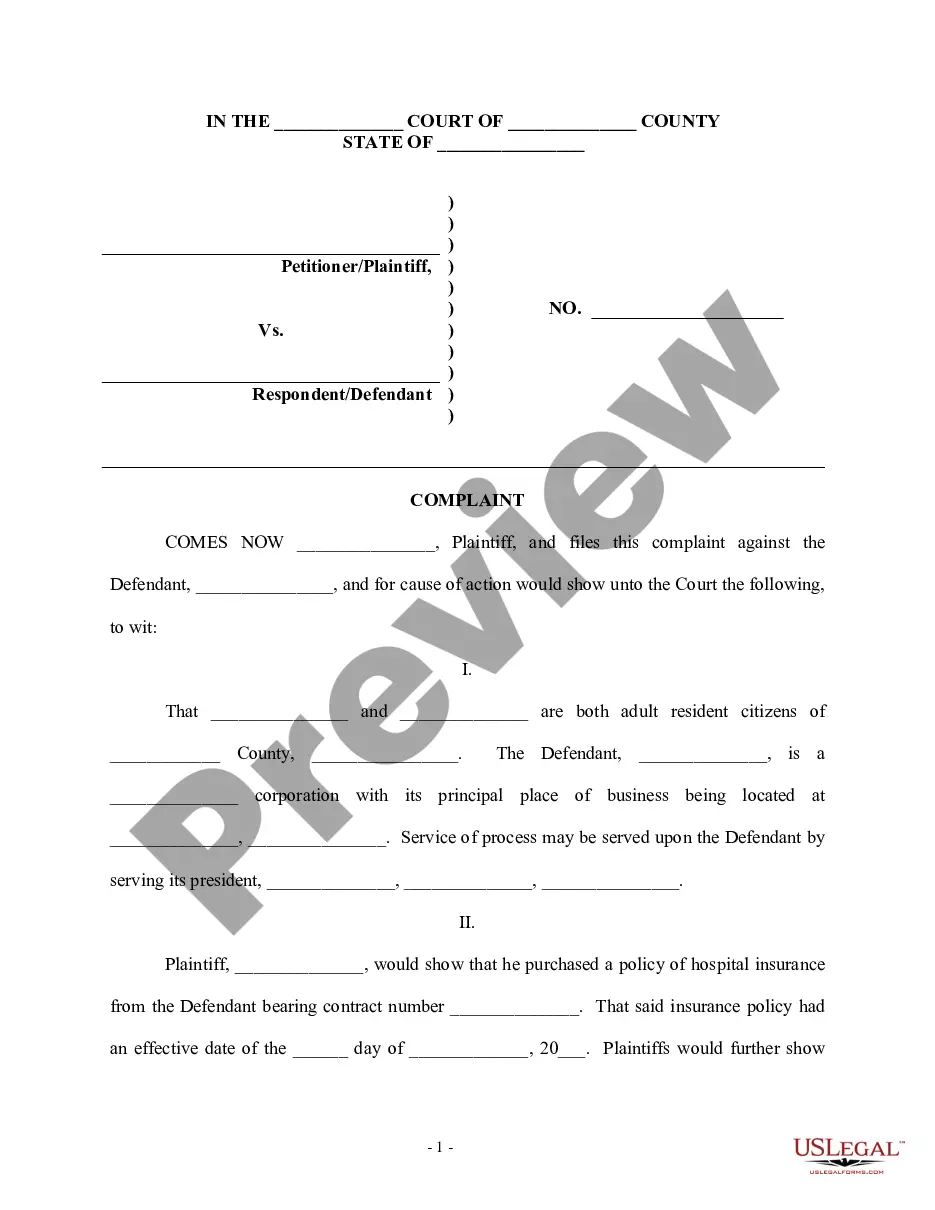
Accident With Uninsured Motorist In Fulton
Description




Get your form ready online
Our built-in tools help you complete, sign, share, and store your documents in one place.
Make edits, fill in missing information, and update formatting in US Legal Forms—just like you would in MS Word.
Download a copy, print it, send it by email, or mail it via USPS—whatever works best for your next step.
Sign and collect signatures with our SignNow integration. Send to multiple recipients, set reminders, and more. Go Premium to unlock E-Sign.
If this form requires notarization, complete it online through a secure video call—no need to meet a notary in person or wait for an appointment.
We protect your documents and personal data by following strict security and privacy standards.

Make edits, fill in missing information, and update formatting in US Legal Forms—just like you would in MS Word.

Download a copy, print it, send it by email, or mail it via USPS—whatever works best for your next step.

Sign and collect signatures with our SignNow integration. Send to multiple recipients, set reminders, and more. Go Premium to unlock E-Sign.

If this form requires notarization, complete it online through a secure video call—no need to meet a notary in person or wait for an appointment.

We protect your documents and personal data by following strict security and privacy standards.
Looking for another form?

Form popularity
FAQ
If a driver hits your vehicle and flees, you can file a claim against your policy's uninsured motorist coverage. However, in some states, uninsured motorist coverage for property damage (UMPD) will not cover hit-and-run incidents.
It may be better to file a claim with your own insurance company if you have uninsured motorist coverage. Unless the at-fault driver is stable financially or has well-off parents or guardians and can afford to cover your damages in full, you may want to avoid the unnecessary trouble of suing.
Subrogation is a legal concept where the insurance company steps into the shoes of the insured to recover the costs of the claim from the party at fault. If the at-fault party is uninsured, the insurer may pursue subrogation against the driver personally.
Summary: Uninsured motorist coverage in Georgia ensures protection when you're in an accident with an uninsured or underinsured driver. Per O.C.G.A. § 33-7-11, insurers must offer this coverage, which cover medical expenses, lost wages, and property.
You should absolutely report it. Your insurance company will protect your legal rights and will negotiate with the other company regarding fault and responsibility for damages. It's also usually required by your policy and you risk losing your own coverage because of it.
California law prevents insurance companies from increasing your rates for accidents where you are not considered principally at fault.
fault state is one where drivers involved in a car accident are required to file claims with their own insurance companies, regardless of who caused the accident. This system relies on Personal Injury Protection (PIP) coverage, which compensates for medical expenses and lost wages up to a statedetermined limit.
§33-7-11(a)(1)(A) requires all automobile insurers operating in Georgia to offer uninsured motorist coverage to policyholders in the same amount as the liability coverage purchased: a minimum of $25,000 per person and $50,000 per accident for bodily injuries, and $25,000 for property damage.
Cons of UM/UIM Coverage One of the notable drawbacks of opting for UM/UIM coverage is the accompanying increase in insurance premiums. While this may seem like a financial trade-off, the peace of mind and the level of financial protection it offers in the face of unforeseen events often justify the higher costs.
